avg —
Plum Upside-Down Cake Recipe (Easy and Moist)

Instructions
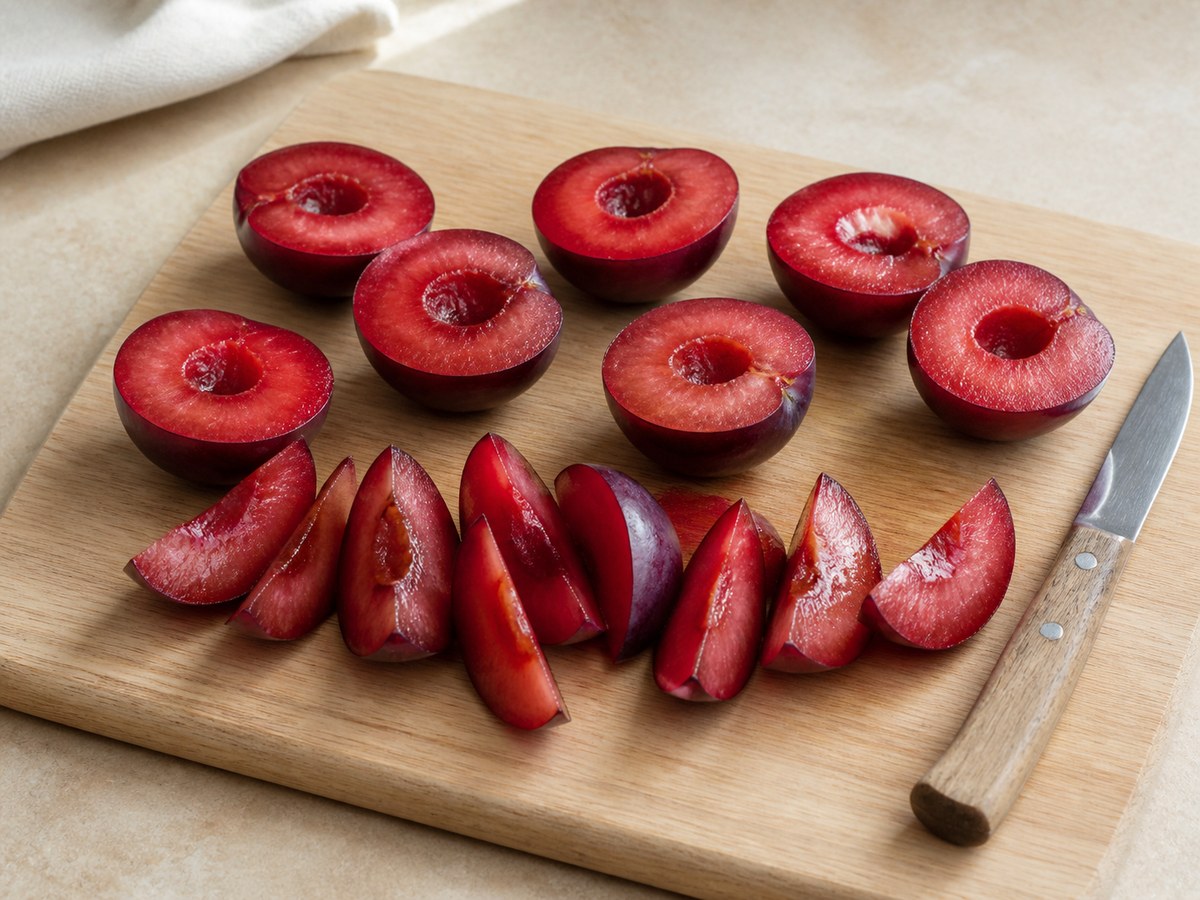
Prepare the plums. Wash and dry the fruit thoroughly. Halve the plums, remove the stones and cut each half into two or three wedges. Firm wedges hold their shape; very soft overripe plums release too much liquid.
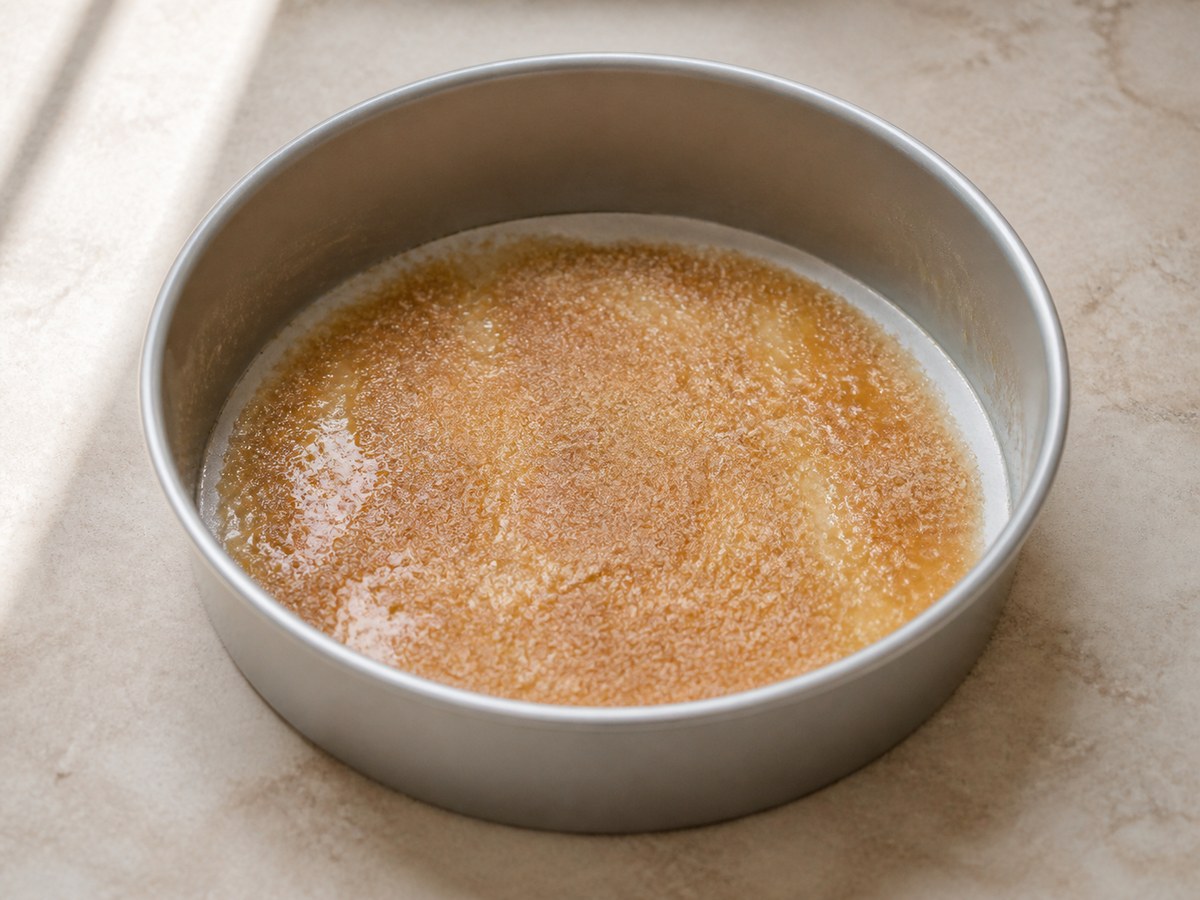
Prepare the tin and caramel base. Heat the oven to 175°C conventional, 155°C fan or gas 4. Grease the sides of the tin and line the base with a circle of parchment. Spread 30 g softened butter over the paper, then scatter the 80 g brown sugar evenly. Mix the cinnamon into the sugar if using.
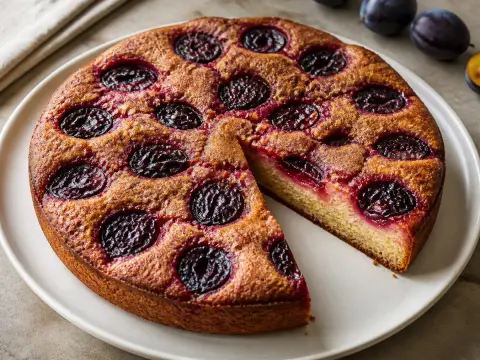
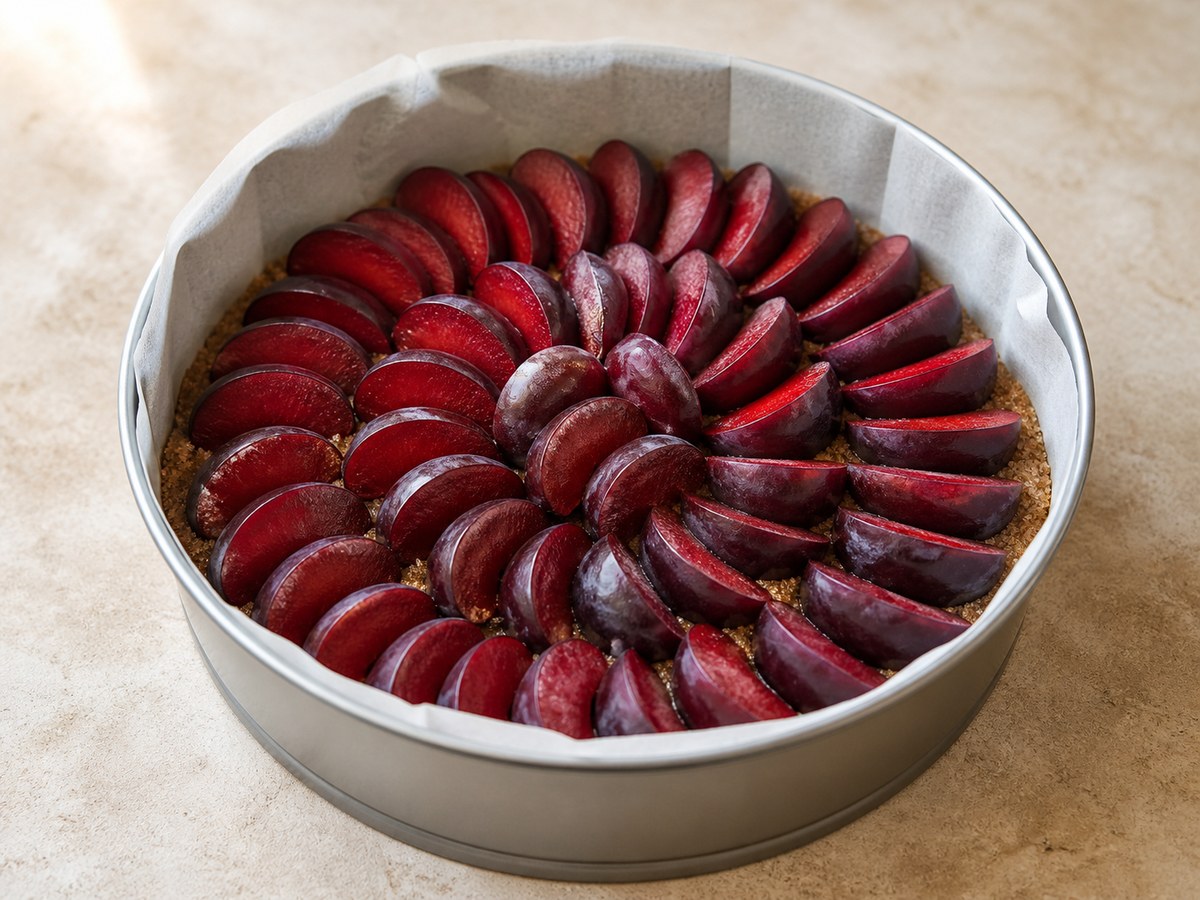
Arrange the plums. Place the wedges cut-side down in closely overlapping concentric circles. Fill obvious gaps, but do not make a second layer: too much fruit releases excess liquid and can prevent the sponge from baking through.
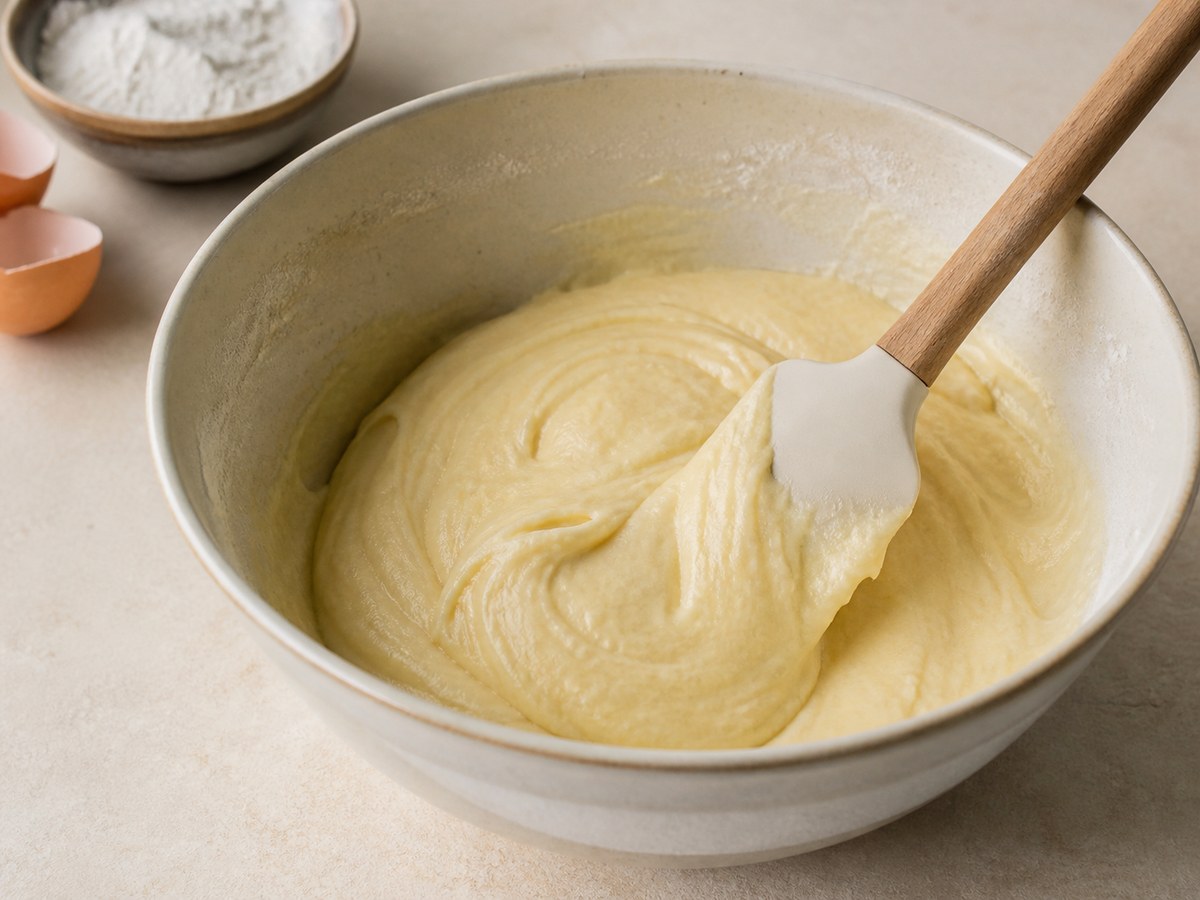
Make the batter. Beat the remaining 120 g softened butter with the caster sugar for 3–4 minutes until pale and fluffy. Beat in the eggs one at a time. Mix in the yoghurt and vanilla. In a separate bowl combine the flour, baking powder and salt, then fold the dry mixture into the wet mixture in two additions. Stop as soon as no dry flour remains. The batter should be thick and fall slowly from the spatula in a broad ribbon.
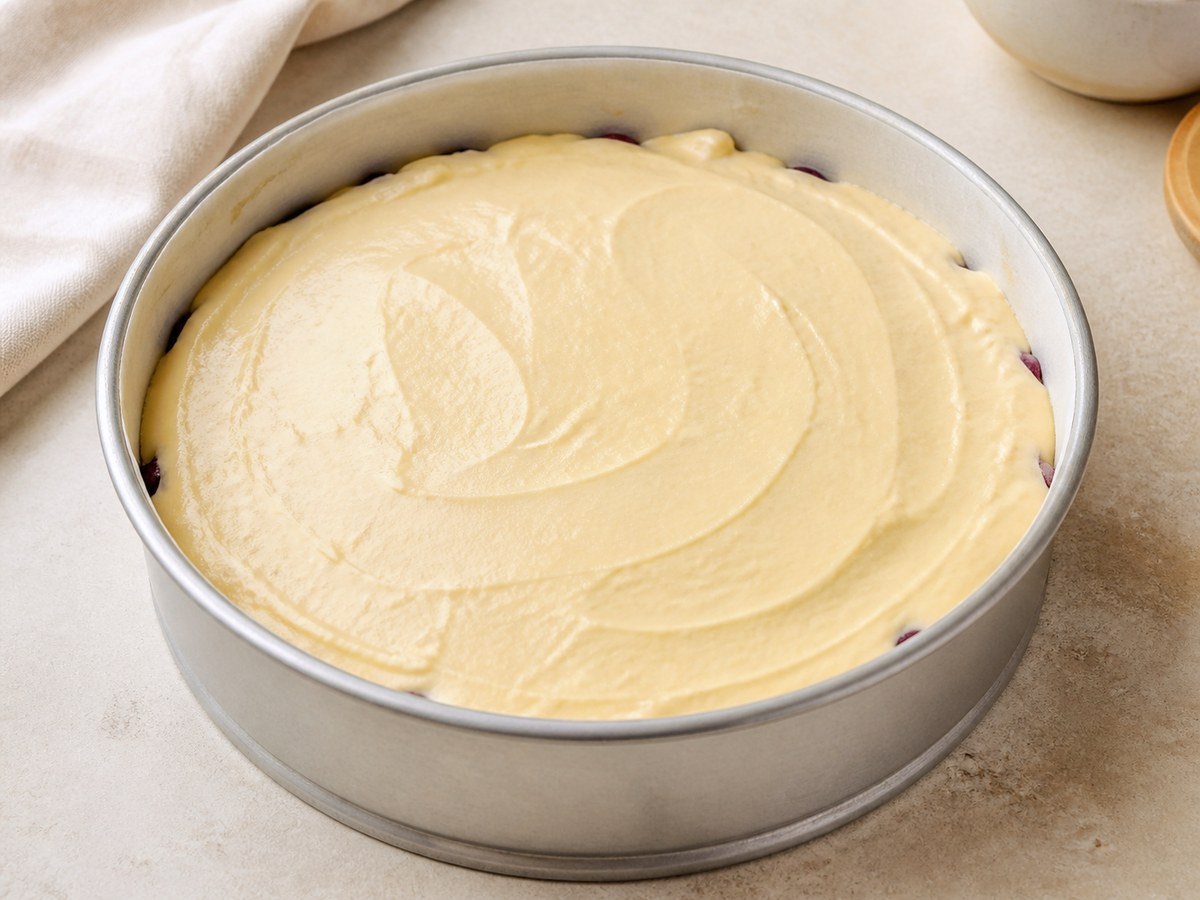
Cover the fruit. Add the batter in small spoonfuls so the plum pattern stays in place. Gently spread from the centre towards the edge and level the surface. Tap the tin lightly on the worktop several times to release large air pockets and help the batter settle around the fruit.
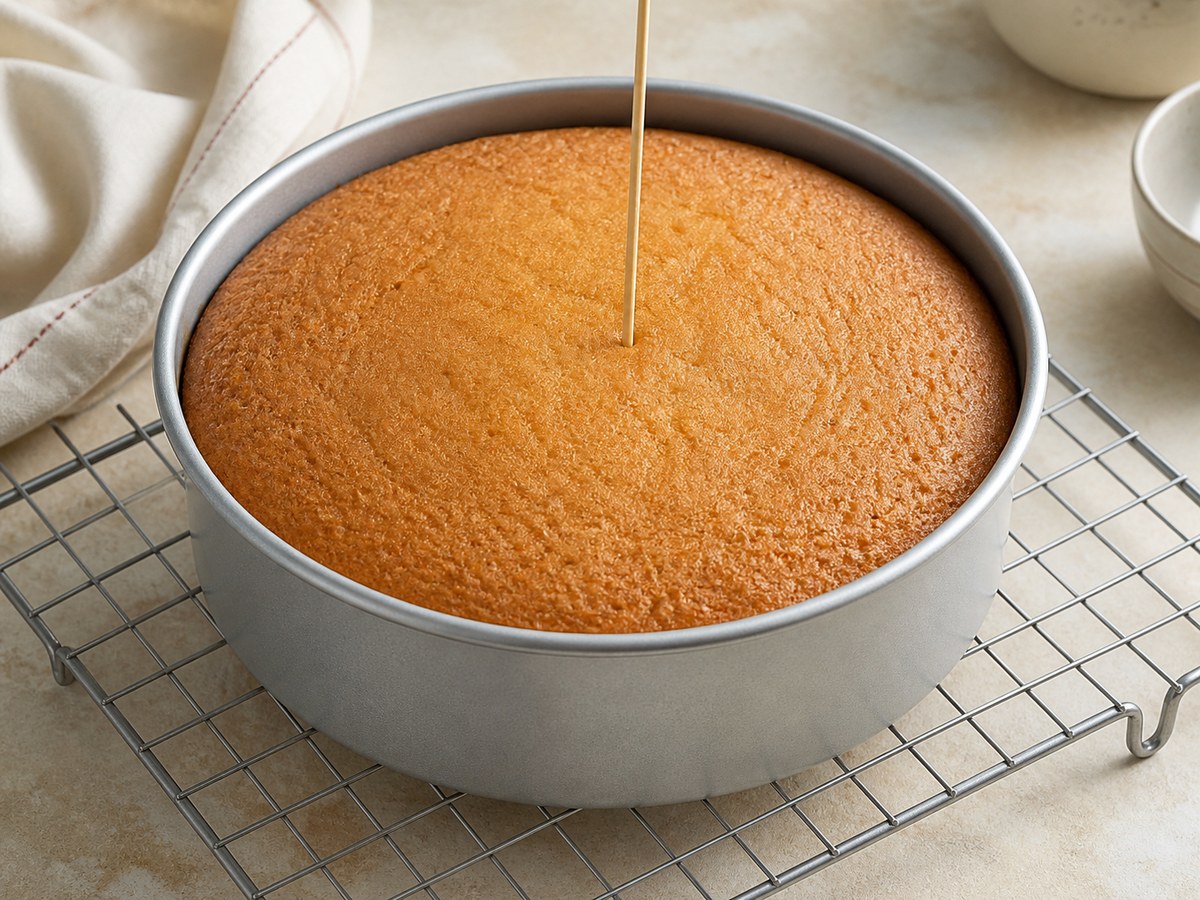
Bake and invert. Bake on the middle shelf for 40–50 minutes. Start checking at 40 minutes: a wooden skewer inserted into the sponge near the centre should show no wet batter. Cool in the tin for 10–15 minutes. Loosen the edge with a thin knife, cover the tin with a serving plate and invert it in one confident movement. Lift off the tin and parchment. If a plum wedge sticks to the paper, place it carefully back on the cake.


Which plums are best?
Ripe but firm freestone plums give the neatest topping. Italian prune plums, damsons and other small dark varieties keep their outline and provide useful acidity against the caramel. Cut very large plums into thinner wedges so the fruit remains in one layer.
| Plums | Likely result | Adjustment |
|---|---|---|
| Firm and sweet-tart | Clear pattern and balanced flavour | Follow the recipe as written |
| Very tart | Sharper fruit topping | Add 10–15 g brown sugar |
| Soft and watery | Wetter top and blurred pattern | Use larger wedges and only 550 g |
| Frozen | More juice and softer topping | Thaw, drain and dry thoroughly |
Troubleshooting plum upside-down cake
- The topping stuck to the tin. The base was not lined, or the cake cooled too long and the caramel hardened. Turn it out while still warm after 10–15 minutes.
- The centre is wet. The plums were very juicy, the fruit was doubled up or the cake needed longer. Test the sponge rather than pushing the skewer into the fruit layer.
- The crumb is heavy. Cold ingredients did not emulsify or the batter was overmixed after adding flour. Bring the butter, eggs and yoghurt to room temperature first.
- The cake broke during inversion. It was turned out straight from the oven. Let the crumb set for 10–15 minutes, but do not wait until completely cold.
- The edges burned. Thin dark tins heat quickly. Check from 38–40 minutes and loosely cover the top with foil if necessary.
Substitutions and flavour variations
- Yoghurt. Replace it with the same weight of soured cream. If using thin kefir or buttermilk, the batter may need an extra 10–15 g flour.
- Brown sugar. White sugar works, although the caramel flavour will be lighter.
- Spices. Cinnamon, cardamom or finely grated lemon zest all suit plums. Choose one leading flavour so the fruit remains prominent.
- Other fruit. Use the same method and total fruit weight for apricots or nectarines, keeping them in a single layer.
Nutrition
One of eight servings contains approximately 365 kcal, 5 g protein, 17 g fat and 50 g carbohydrate. The estimate assumes 82% fat butter, unsweetened full-fat yoghurt and 650 g fresh plums. The variety and ripeness of the fruit, egg size and dairy product will change the final values.
Serving and storage
Serve the cake warm or fully cooled. After inversion, leave it for at least 25–30 minutes before slicing so the fruit juices settle and the portions hold their shape. Plain yoghurt, crème fraîche or a scoop of vanilla ice cream works well with a warm slice.
Keep the cake covered at room temperature for one day or refrigerate for up to three days. Do not seal it tightly while still warm because steam will soften the fruit layer. Warm a chilled slice for 10–15 seconds in a microwave if desired. The cake can be frozen for up to one month, although the plum pattern will be softer after thawing.
More baking recipes
Browse more homemade bakes in the pies collection. For an egg-free and dairy-free apple bake, try the Lenten apple sharlotka.
Recipe video: Plum upside-down cake
Important: The video complements this recipe. Use the exact quantities, temperature, timing and storage guidance in this article, as the creator's version may differ.
The hero and step photographs are AI-generated visual guides. The finished appearance varies with the plum variety, tin and oven.
FAQ
When should I turn out an upside-down cake? +
Turn it out 10–15 minutes after it leaves the oven. The sponge has enough time to firm up, while the caramel remains warm enough to release from the parchment.
Can I use frozen plums? +
Yes, but thaw them completely, drain away the juice and dry them well. Use about 550 g because previously frozen fruit releases more moisture.
Do I need a springform tin? +
A solid tin is better because caramel and plum juice can leak from a springform tin. If it is your only option, wrap the outside of the base tightly in two layers of foil and place it on a baking tray.
Why is my plum cake soggy on top? +
The usual causes are overripe juicy plums, a double layer of fruit or insufficient baking. Choose firm fruit, keep to the stated weight and test the sponge layer for doneness.
Can I reduce the sugar? +
You may reduce the caster sugar in the sponge to 120 g. Keep the full amount of brown sugar because it forms the caramel topping and helps the fruit release from the tin.
How do I know the cake is baked? +
The exposed sponge is evenly golden and springs back lightly. A skewer inserted into the sponge near the centre should come out clean or with a few moist crumbs, but no raw batter.
- Comment
or post as a guest
Be the first to comment.