RU EN
Orange Lemonade - Enjoy the Natural Taste of Summer

difficulty Hard
0 views this month
0 saved by readers
0 ratings
avg —
Other Non-Alcoholic Drinks

Orange Lemonade - Enjoy the Natural Taste of Summer

Homemade orange lemonade is the summer drink that completely outclasses store-bought options on every metric — cleaner ingredient list (just 4 components), brighter natural flavour (no artificial citrus), zero preservatives, and a fraction of the cost per litre.
Time 20 min + 4 h chill
Yield 12 servings
Calories 30 kcal
Difficulty Hard
Jump to recipe

Instructions

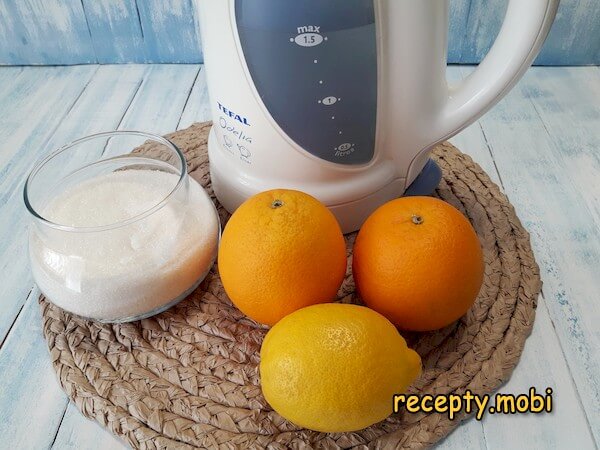
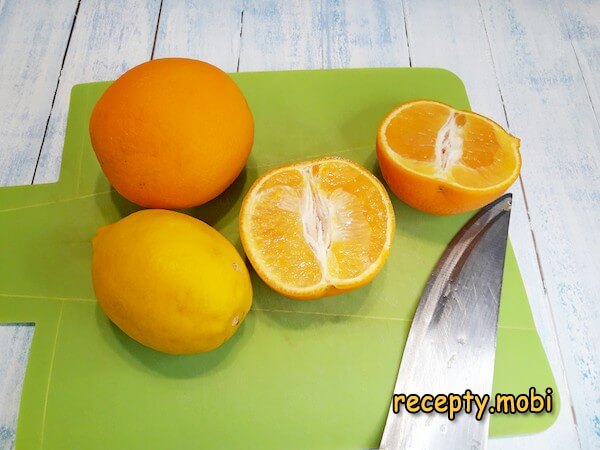
  1. I prepare the ingredients for orange lemonade. Boiled-chilled water is the safest choice; quality bottled water (purified, no minerals dominant) works without boiling. Lemon substitutes: 1 tsp citric acid plus 1 extra orange (3 oranges total) — works but loses the lemon aromatic complexity. Sugar quantity (250 g) targets moderate sweet-tart balance; adjust ±50 g to personal preference.

    Step 1
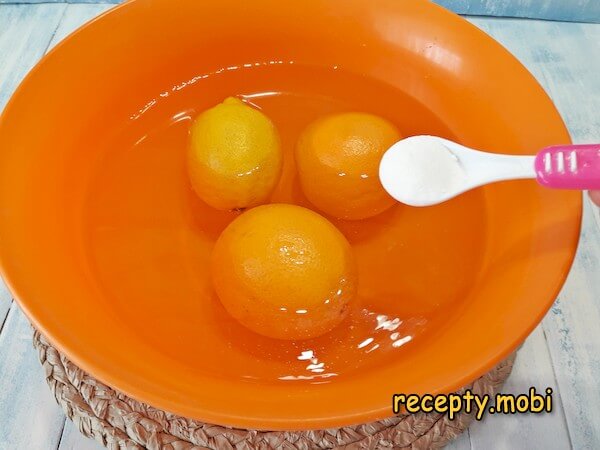
  2. Citrus fruits don't undergo thermal processing in this recipe, AND the whole peel goes into the drink — thorough surface cleaning is critical. Pour about 2 litres of water into a bowl with the citrus, add 1 tsp baking soda. The soda alkalises the water, helping break down surface waxes (commercial citrus has wax coatings) and pesticide residues.

    Step 2
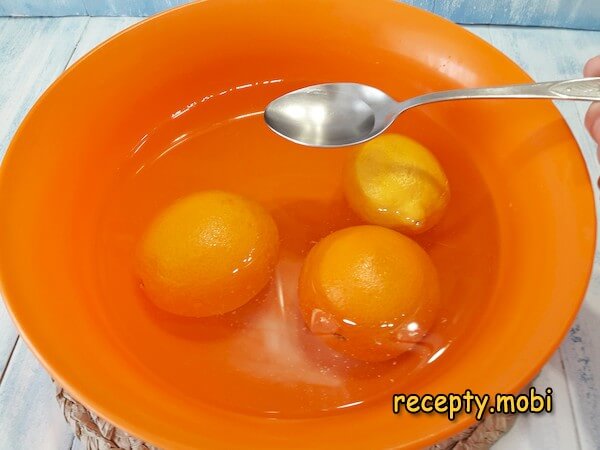
  3. Add 1 tbsp of 9% vinegar to the same bowl. The acid + base combination produces a powerful surface-cleaning environment — breaks down fats and oils, removes dirt particles, kills surface bacteria. Let citrus sit 10 minutes in this solution.

    Step 3
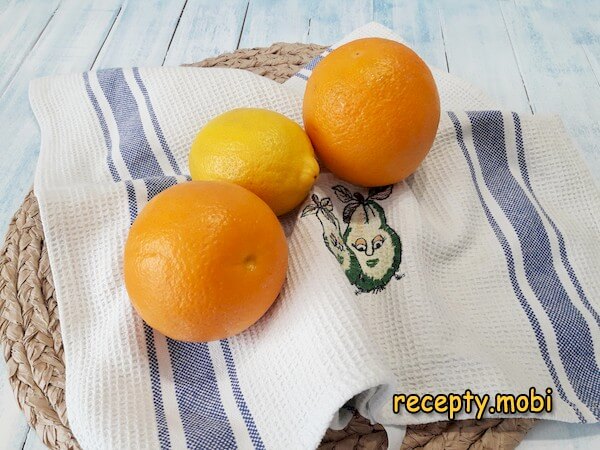
  4. Rinse the citrus with regular running water (removes any remaining cleaning solution). Pat dry with a clean towel.

    Step 4
  5. The freezing step is crucial for bitterness removal. Place the cleaned citrus into the freezer for at least 2 hours (overnight is fine). The freeze-thaw cycle damages the bitter compound (limonin) cells in the white pith, neutralising the harsh peel bitterness that would otherwise dominate the drink.

    Step 5
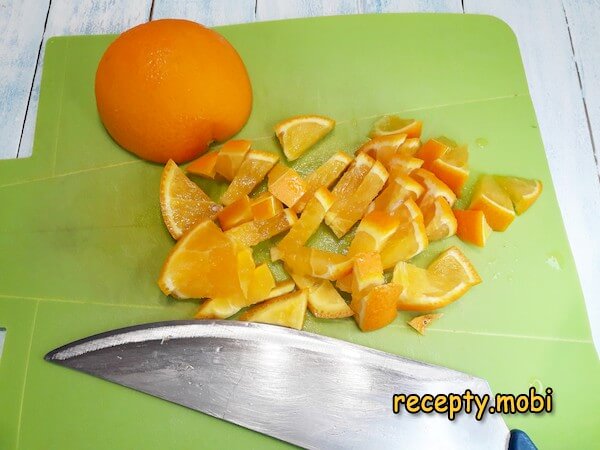
  6. After freezing, cut oranges and lemon (still partially frozen is fine) into medium pieces — sized for easy meat-grinder or food-processor processing.

    Step 6
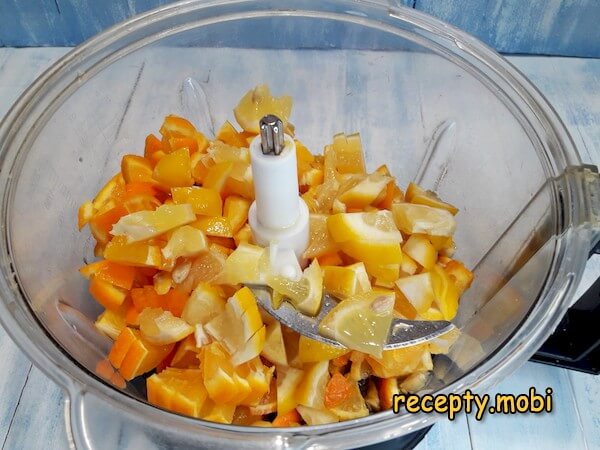
  7. Transfer the cut citrus pieces (peel + flesh + seeds — everything) to a stationary blender or meat grinder.

    Step 7
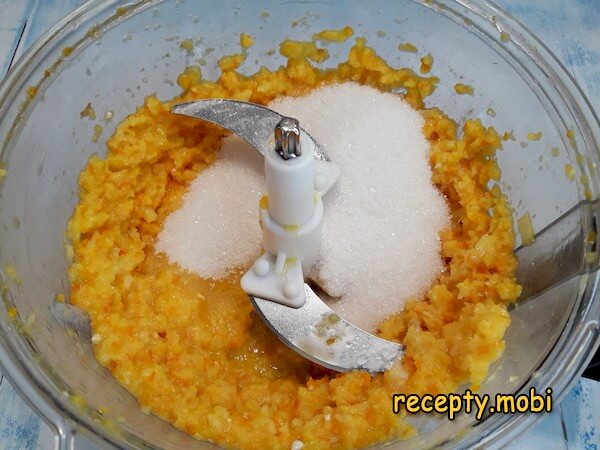
  8. Grind to a mushy uniform consistency. Add the sugar and mix to combine. The sugar contact draws out citrus juices through osmosis — important for full flavour extraction.

    Step 8
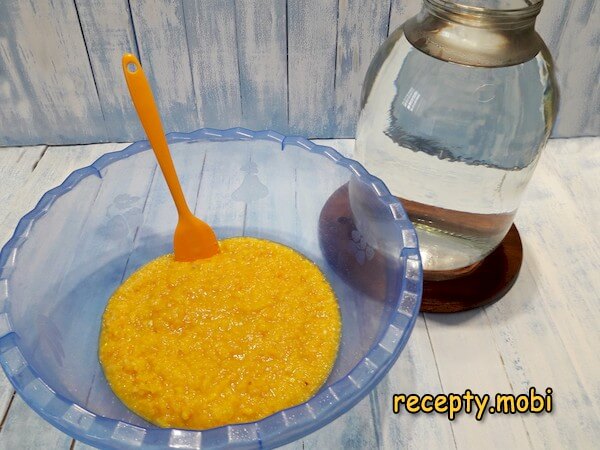
  9. Transfer the sweet citrus mash to a large container with capacity for 3+ litres of additional water (a 5-litre jug works perfectly).

    Step 9
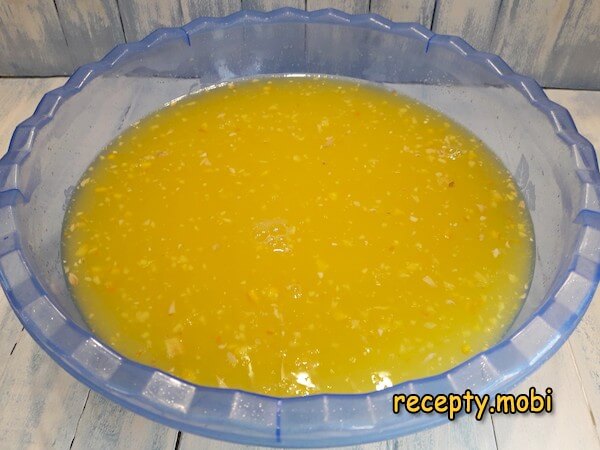
  10. Pour the 3 litres of water over the mash. Stir until sugar dissolves completely. Refrigerate 2 hours for full flavour infusion. The cool infusion extracts citrus character without the bitter peel notes that hot-water infusion would extract.

    Step 10
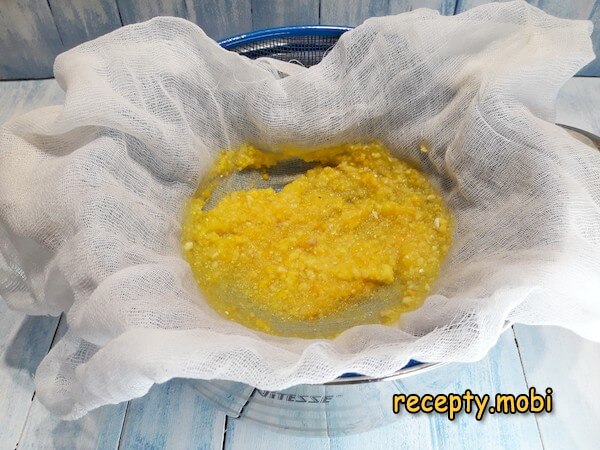
  11. After 2 hours, the drink needs straining. Use 2 layers of cheesecloth (or a fine mesh kitchen sieve lined with cheesecloth) over a clean container. Pour the lemonade through in small portions to avoid overflow.

    Step 11
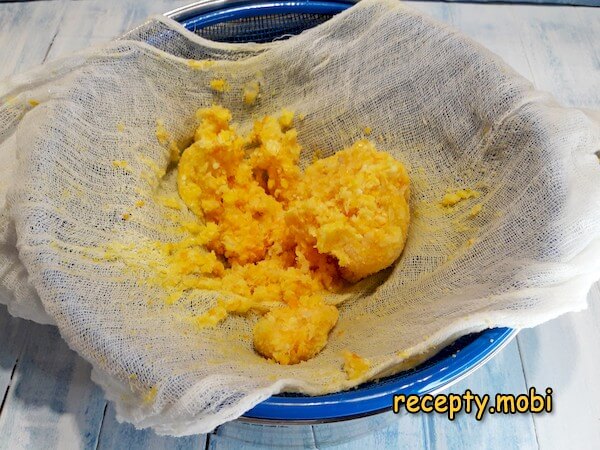
  12. When the liquid barely flows through, squeeze the pulp accumulated in the cheesecloth (twist into a bag and press) to extract the last flavourful drops. Rinse the cheesecloth between batches if it clogs.

    Step 12
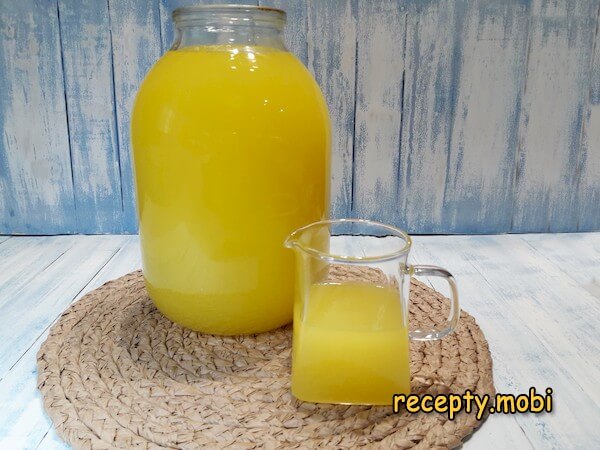
  13. The final yield: a 3-litre jar of natural orange lemonade plus an additional 150 ml. Cool to desired serving temperature (refrigerate 1 hour minimum, or serve over ice).Orange lemonade keeps refrigerated up to 2 days at peak quality (though it rarely lasts that long — the natural sweet-tart freshness disappears fast at family gatherings). Beyond the pleasant taste, the drink delivers genuine vitamin C and flavonoid benefits. The cost-per-litre is dramatically lower than commercial lemonades — natural ingredients, premium taste, friendly price.

    Step 13

Tips

  • 1

    THE FREEZE STEP DEFEATS THE BITTERNESS. Step 5's 2-hour freeze isn't optional decoration — it's the chemistry that makes whole-citrus-with-peel drinks viable. The bitter compound limonin lives in the white pith cells; freezing ruptures these cells but the bitter compounds remain trapped because they don't dissolve well in cold. Skipping the freeze produces noticeably bitter lemonade. Including it produces clean bright citrus character. The 2-hour minimum is enough; longer (overnight) doesn't hurt.

  • 2

    THE BAKING-SODA-PLUS-VINEGAR WASH IS DEEP CLEANING. Steps 2-3's combined-acid-base wash works better than either alone. The soda first dissolves waxes (commercial citrus has wax coatings preserving freshness) and degreases. The vinegar then neutralises the soda residue while killing surface bacteria. The combined treatment removes 95%+ of detectable surface contaminants — important for whole-peel drinks where you're consuming the outer surface. For another natural-fruit-based summer drink option, see Homemade 'Fanta' from Zucchini Juice with Orange and Lemon for Winter.

  • 3

    THE WHOLE-FRUIT INFUSION IS FLAVOUR DEPTH. Other lemonade methods extract only the juice — flavourful but one-dimensional. The whole-fruit grind (this recipe) captures peel essential oils, white-pith flavanones, juice, and pulp — producing remarkable flavour depth that store-bought lemonades simply can't match. The trade-off is the strain step (extra effort), but the flavour difference is dramatic. Once you taste whole-fruit lemonade, juice-only versions taste flat by comparison.

  • 4

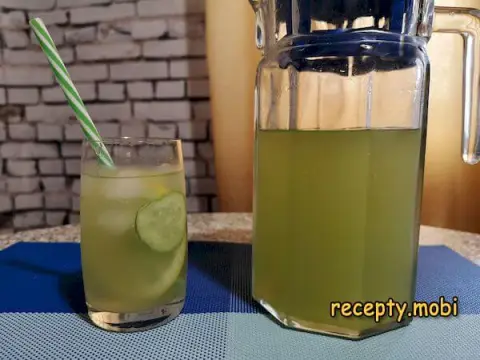
    THE SUGAR-AT-GRIND-STEP IS OSMOSIS HACK. Step 8's sugar-mixed-with-mash (rather than dissolved in water separately) leverages osmosis: sugar pulls juices OUT of the citrus pulp during the 2-hour infusion, increasing extraction yield. This produces a more flavour-concentrated drink than dissolving sugar in plain water and pouring over fruit. The technique applies to all fruit-infusion drinks. For another refreshing summer drink with cleansing properties, try Cucumber Lemonade at Home.

FAQ

Why does the recipe call for "boiled chilled water"? +

Tap water in many regions contains chlorine, dissolved minerals, and sometimes off-flavours that affect delicate beverages. Boiling drives off chlorine compounds and any dissolved gases that could affect taste; chilling brings it to the right serving temperature. If you have quality bottled water (verified low-mineral content) or filtered tap water that you regularly drink without complaint, boiling isn't necessary. The "boiled-then-chilled" instruction is just the safest universal recommendation that works regardless of your local tap-water quality.

Can I use other citrus fruits? +

Yes — the technique works with most citrus combinations. Common variations: 3 oranges + 1 grapefruit (slightly bitter, refreshing), 2 oranges + 1 lemon + 1 lime (zesty bright character), all-grapefruit version (3 grapefruits, 200 g sugar — adult-sweet flavour), mandarin-based (4 mandarins replace 2 oranges — sweeter, less acid). Avoid: pomelo (too thick pith, dilutes badly), kumquat (too small, impractical), bergamot (too bitter even with freezing). The orange-lemon balance in this recipe is foundational; adapt from there based on what's seasonal and available locally.

Can I make a sparkling version? +

Yes — the still version converts to sparkling easily. Method: prepare the standard recipe, then dilute 1:1 with chilled sparkling water at serving time (1 part lemonade + 1 part sparkling water in each glass). The carbonation adds dramatic refreshing texture, perfect for summer parties. Don't add sparkling water to the entire batch in advance — the bubbles dissipate within hours. Always combine at serving. Use unflavoured sparkling water (San Pellegrino, Perrier, or generic seltzer) — flavoured versions interfere with the citrus character. Adjust sugar slightly upward in the base if making sparkling, since dilution reduces sweetness perception.

Why does it only keep 2 days? +

Two factors limit shelf life. First: fresh citrus juice oxidises rapidly (vitamin C breaks down, flavours mute) — beyond 2 days, the bright character fades. Second: natural fruit sugars are an excellent fermentation substrate — refrigerated, fermentation proceeds slowly but inevitably (visible bubbles + sour off-flavours after 3+ days). For longer storage: freeze portions in ice cube trays, thaw single servings as needed (3-month freezer life). For a make-ahead party beverage: prepare the citrus mash in advance and freeze, then thaw + add water on serving day.

Write comments...
symbols left.
or post as a guest
Loading comment... The comment will be refreshed after 00:00.

Be the first to comment.