avg —
Fermentation of Ivan-tea (the simplest method)

Instructions
I gather healthy fireweed leaves from the middle part of the stem along with the flowers that have opened. The top leaves are tender and can scorch. The bottom ones are old and tough. The middle leaves are the "golden mean".
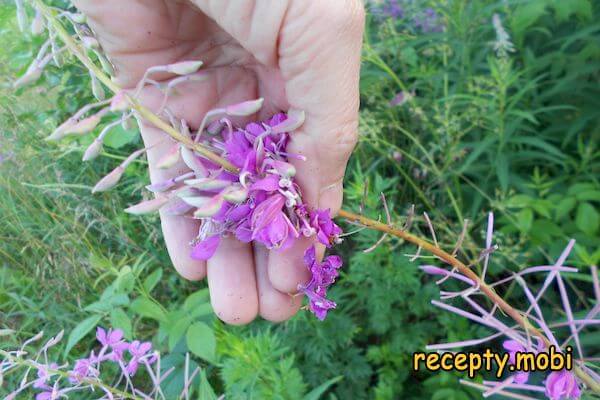
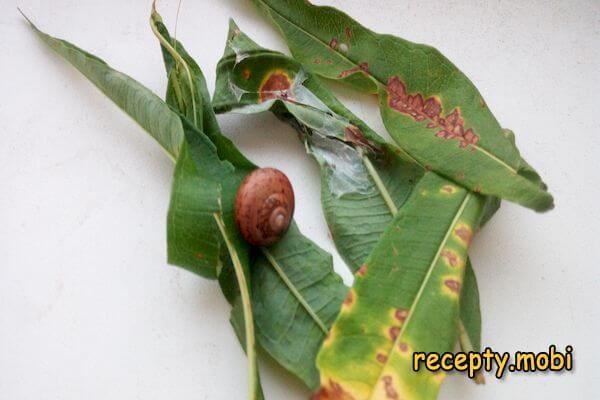
I sort through everything I have collected, discarding the dry and diseased specimens and removing any caterpillars and snails. Good-quality raw material is the key to good tea.
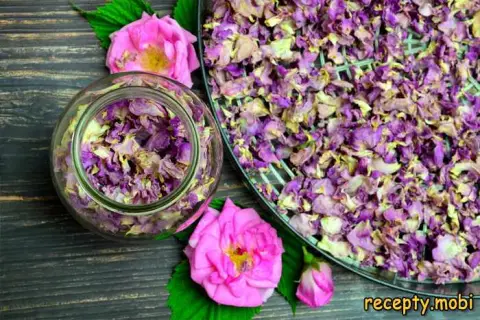
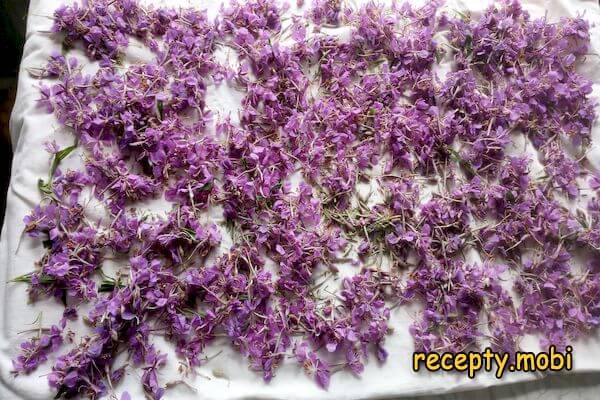
I spread the flowers out to dry in the air, in the shade. The flowers are dried separately and added to the tea once it has already been fermented.
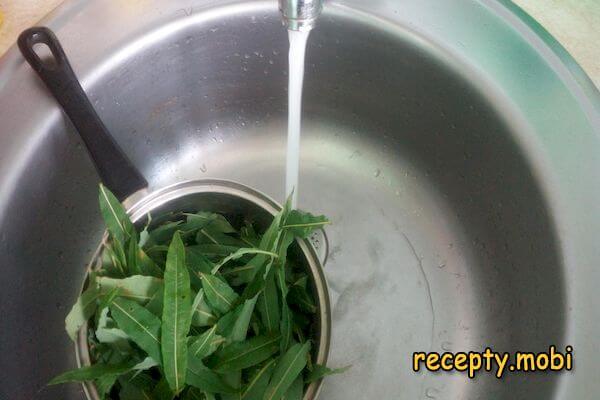
If you are not sure the leaves are clean, you can wash them and dry off the water. Damp leaves will work too, but the fermentation will go a little more slowly.
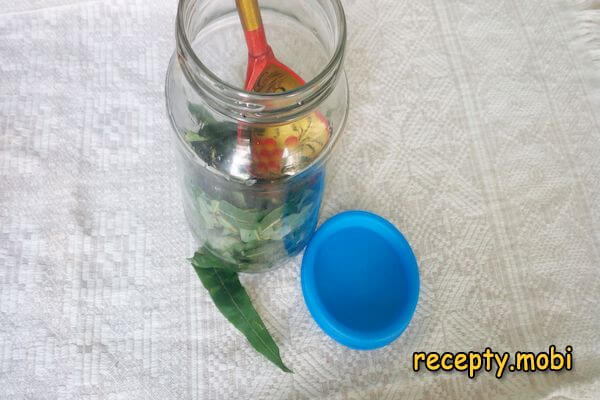
I pack the leaves tightly into a plastic bag or a jar to wilt and close the lid. Depending on the temperature, after 1–2 days the leaves will become sufficiently wilted; they may darken and even partly take on a brownish tinge. This is normal – it means the fermentation of the Ivan-tea has begun.
I take out the leaves and check the degree of wilting – if the central vein does not break when you bend a leaf, everything is fine.
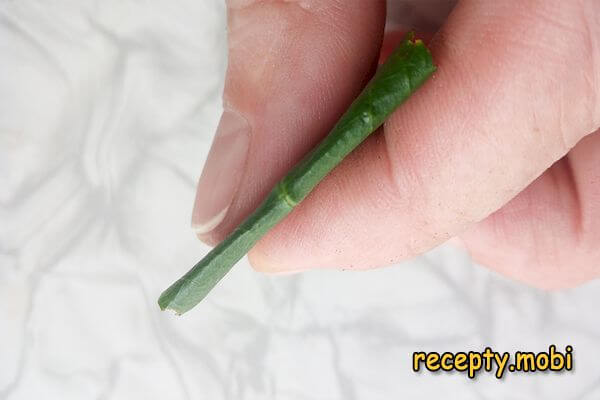
I chop the fireweed coarsely so that it is easier to put through the grinder.
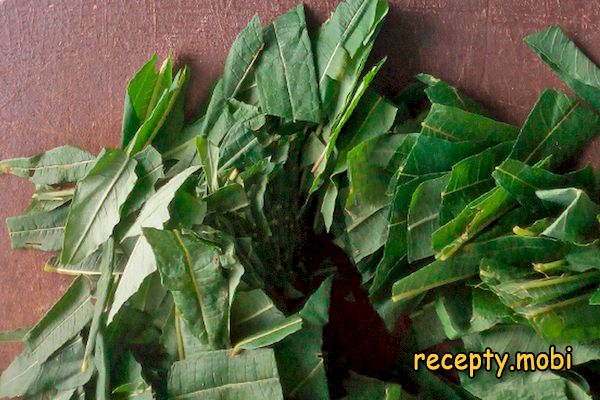
I put it through a meat grinder. A plate with small holes lets the mass through poorly – I choose one with larger holes.
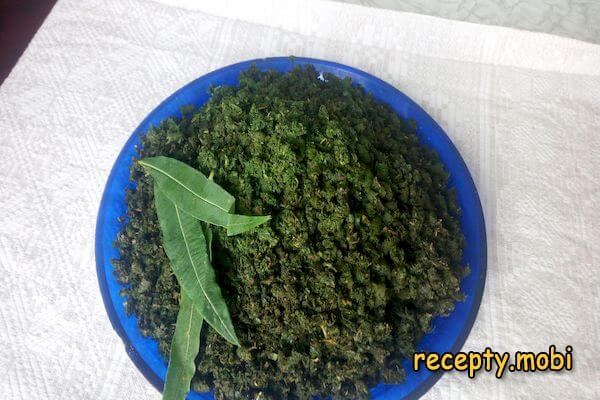
I cover the ground mass with a damp cotton cloth folded into several layers and leave it to ferment. The damp cloth maintains the right environment.
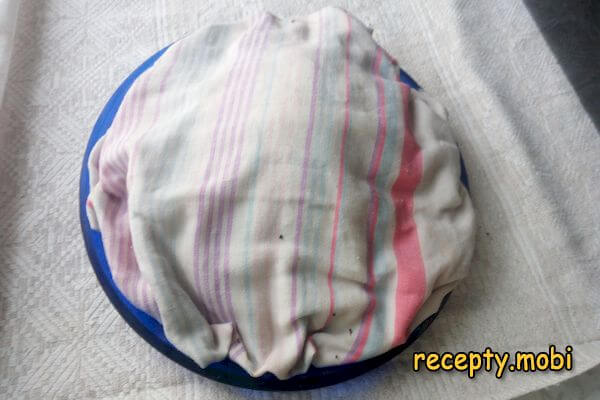
Ivan-tea ferments well at 22–27 °C. If it is warmer than 25 °C in the flat, you can already check for readiness after half an hour. So that the cloth does not dry out, I cover it with a towel on top.
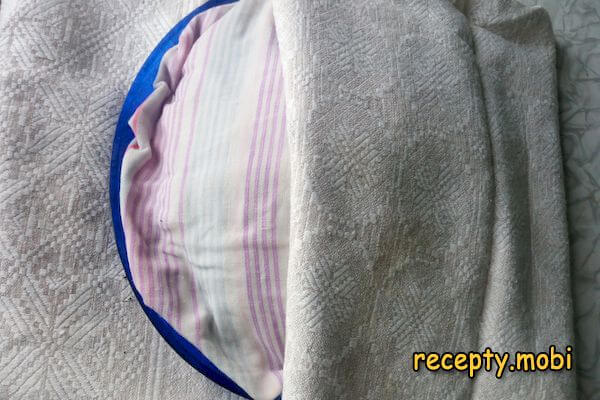
I check for readiness by smell. Right after grinding, the granules smell of grass. After the enzymes have worked, a light floral aroma appears; later it grows stronger and turns into a scent with fruity notes. This is how the degree of fermentation is judged: weak, medium, deep. As soon as the aroma suits me, I move on to drying.
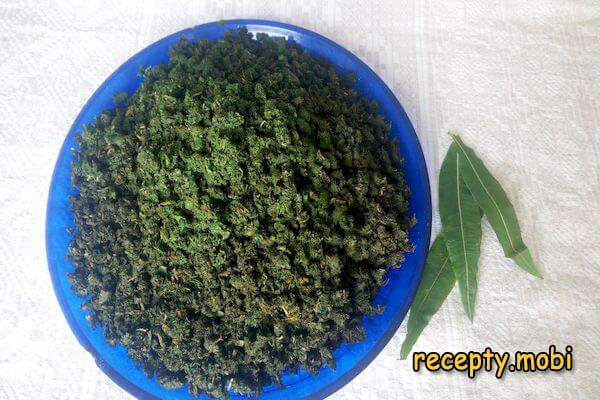
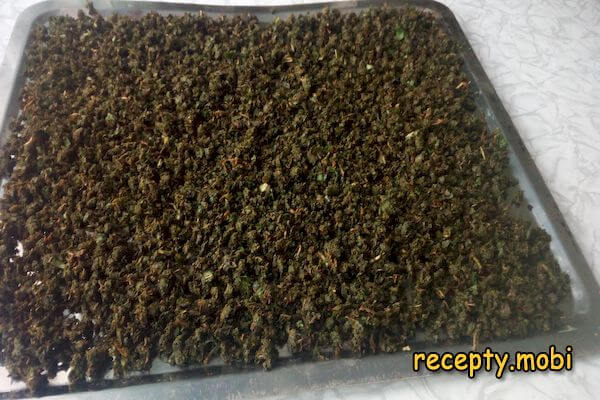
I spread the granulated mass on a baking sheet in a 2 cm layer and put it in the oven. I leave the door ajar so that there is a gap for moisture to escape. I set the heat from 30 to 90 °C. At a gentle temperature the fireweed dries longer and the tea tastes milder. At a high temperature the flavour resembles traditional black tea.
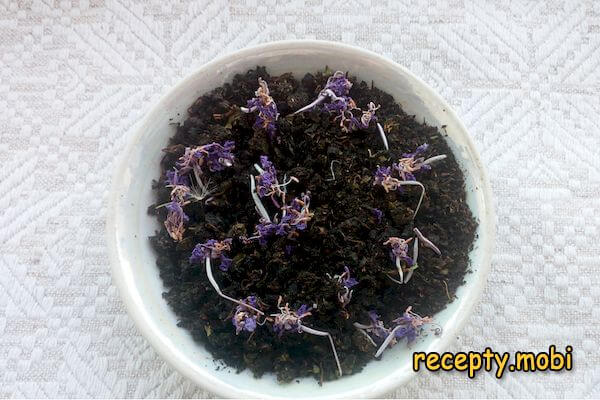
I add the dried flowers to the granules in any proportion. The flowers will give a special aroma, but the leaves should remain the base.
I store it in tightly closing glass jars – if I am sure the tea is well dried. Otherwise I keep it in cotton (burlap) bags for about a month.
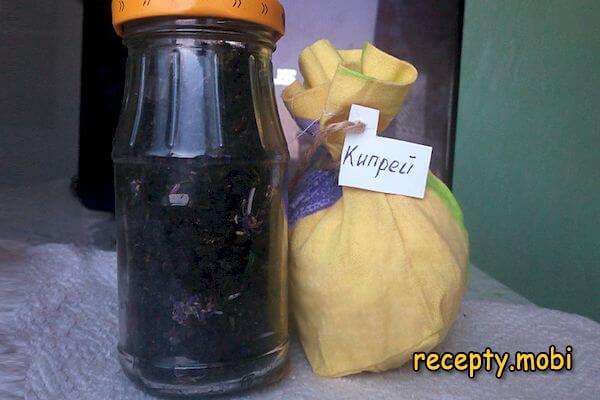
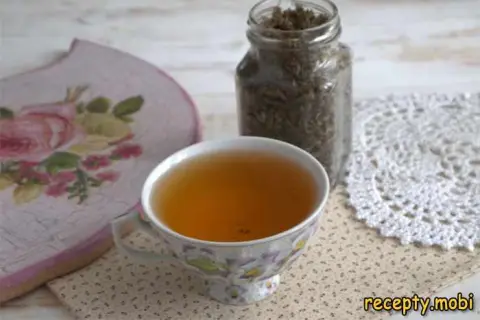
To brew: I put 2 tsp of medium-fermented Ivan-tea into a teapot and pour in 200 ml of hot water at 80 °C. I leave it to steep for 5 minutes. This is an average amount – depending on the degree of fermentation, you may need a little less or a little more.
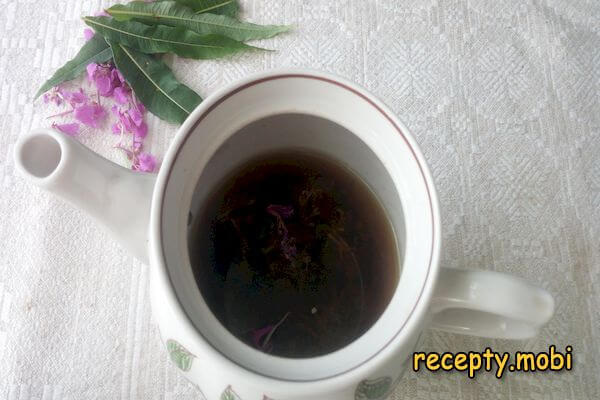
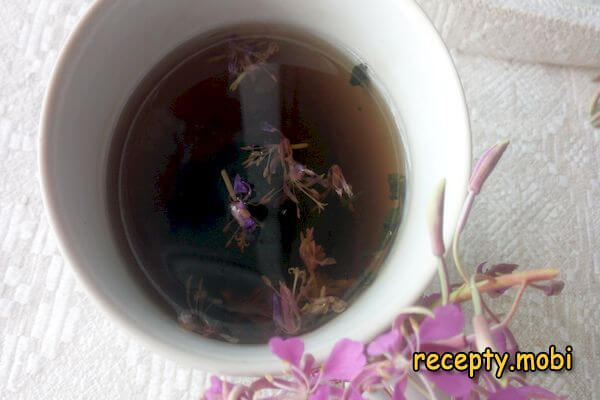
I add the remaining hot water – 300 ml – and let it steep for another 7–10 minutes. Koporsky tea is traditionally drunk without sugar, but those with a sweet tooth can sweeten it with honey or sugar. One special feature is that tea from fermented fireweed can be re-brewed.


Tips
- 1
THE MIDDLE PART OF THE STEM is the ideal harvest. The top leaves are too tender, the bottom ones too tough. The middle leaves give consistent fermentation and flavour.
- 2
A fermentation temperature of 22–27 °C is CRITICAL. Below 18 °C the process will stop; above 30 °C the leaves will "stew" and take on an unpleasant flavour.
- 3
Check for readiness BY SMELL – grassy → floral → fruity. Stop at whichever stage you like best.
- 4
Dry the flowers SEPARATELY and add them at the end – they do not need fermenting. A similar principle works for other herbal teas too.
FAQ
When is the best time to gather Ivan-tea? +
The best time is during mass flowering (June–August, depending on the region). In central Russia this is the second half of June and the whole of July. Gather in sunny, dry weather, before midday (after the morning dew has dried) – when the leaves contain the most essential oils. Do not pick the plants during the "fluff" period (August–September) – the quality is different by then. Choose a gathering spot away from roads, industrial areas and farmland. Ecologically clean places give the cleanest and most beneficial tea.
Why does the tea taste "grassy"? +
This means the fermentation was weak or did not start at all. The causes: low temperature (below 20 °C), leaves that were not wilted enough (the vein broke when bent), dry air (fermentation needs humidity of 60–70%). The solution: return the mass to the damp cloth, raise the temperature (a warm spot, near a radiator), check the degree of wilting. If after 24 hours the aroma is still "grassy", fermentation has not started. Try raising the temperature to 25–27 °C.
How long does ready Ivan-tea keep? +
In a tightly closed glass jar in a dry, dark place – up to 3 years. Over time the aroma weakens, but the tea does not spoil. After a year the flavour becomes milder, after 2 years less vivid, and after 3 you should brew it stronger. Storage temperature is room temperature (18–22 °C). Humidity should be no more than 60%, otherwise the tea will go mouldy. Do not keep it in the fridge – temperature swings degrade the quality. For the first month keep it in cotton (burlap) bags (especially if you have any doubts about how dry it is).
How does it differ from shop-bought tea? +
Home-made fermented Ivan-tea is far brighter in flavour and aroma – you control the degree of fermentation yourself. Shop-bought versions are often "over-fermented" to extend their shelf life, so the aroma is poorer. Home-made is 5–10 times cheaper (everything is free apart from the electricity for drying). The beneficial properties are identical if the technique is followed. Your own Ivan-tea means confidence in ecologically clean raw material. The drawback is that it is labour-intensive (3 days) and takes time to gather and process.
- Comment
or post as a guest
Be the first to comment.