avg —
Adjika with Apples and Tomatoes (Spicy)

Instructions
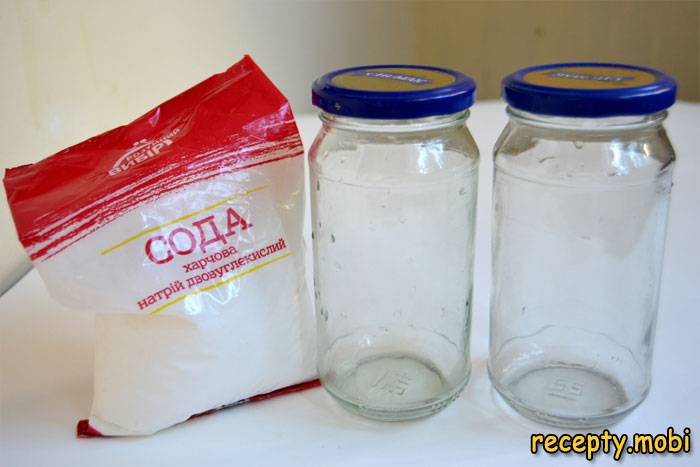
Thoroughly wash the preservation jars and sterilize them. Do not forget to boil the lids for the jars. Sterilization is essential for safe long-term storage.
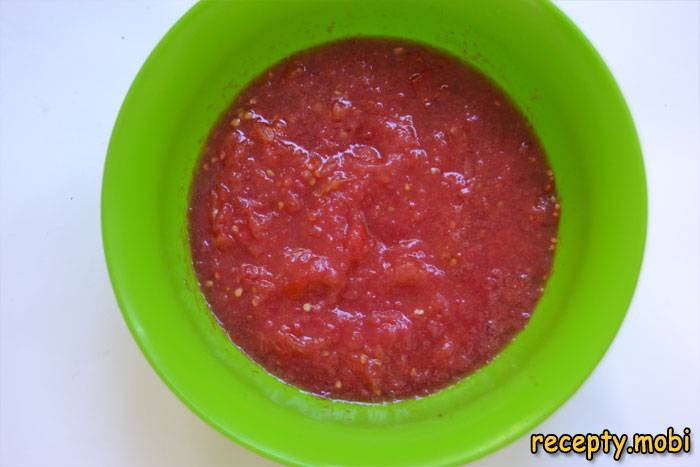
Choose Slivka variety tomatoes for the adjika. These tomatoes are dense and meaty, making the adjika thicker. Do not hesitate to remove the skins to avoid bits of skin in the finished adjika. Make a cut in the skin, pour boiling water over them, then immerse in cold water. After this contrasting shower, the skin comes off easily. Cut the tomatoes into pieces and pass through a meat grinder.
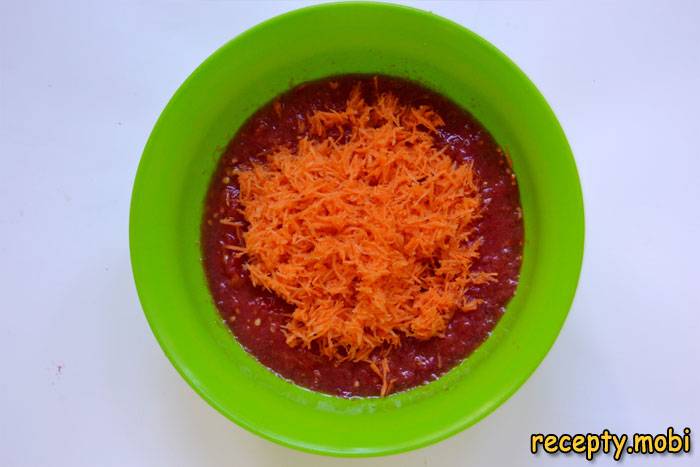
After washing and peeling the carrot, chop using a meat grinder or a grater with medium holes.
Wash and core the apples, then chop them using a meat grinder. The apples soften the heat and add subtle sweetness to the finished adjika.
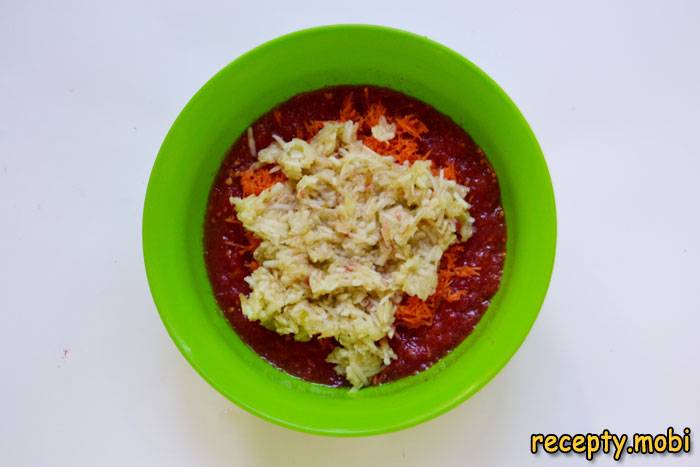
Cut the sweet pepper pods and remove the seeds. Chop the pepper flesh using a meat grinder.
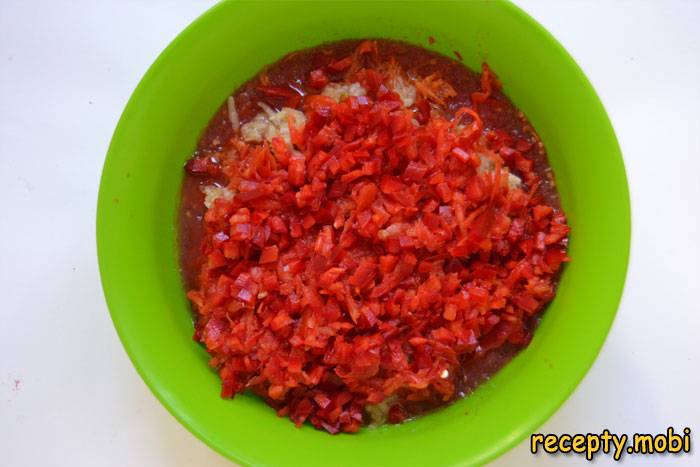
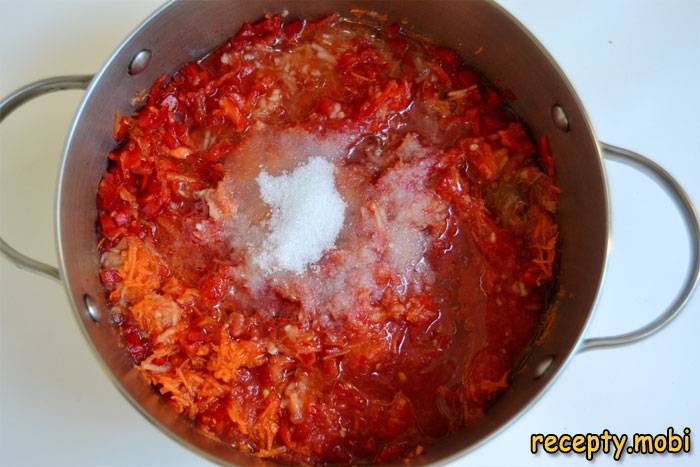
Combine all the prepared ingredients in a cooking pot. After adding salt, sugar, and vegetable oil, place the pot over the fire. Cook the adjika for 1.5 hours, remembering to stir. Toward the end of cooking, stir more frequently to prevent burning to the bottom of the pot, as it greatly thickens by that time. 20 minutes before the sauce is ready, add the chopped garlic and hot pepper.
Pour the hot adjika into sterilized jars and seal tightly. Turn the jars upside down and wrap in a blanket overnight.
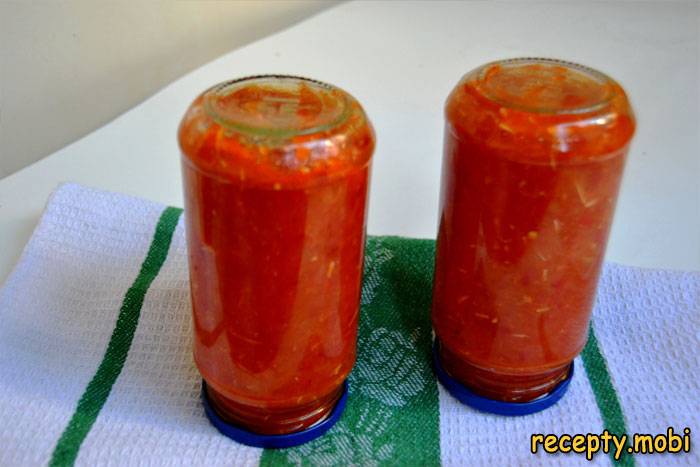
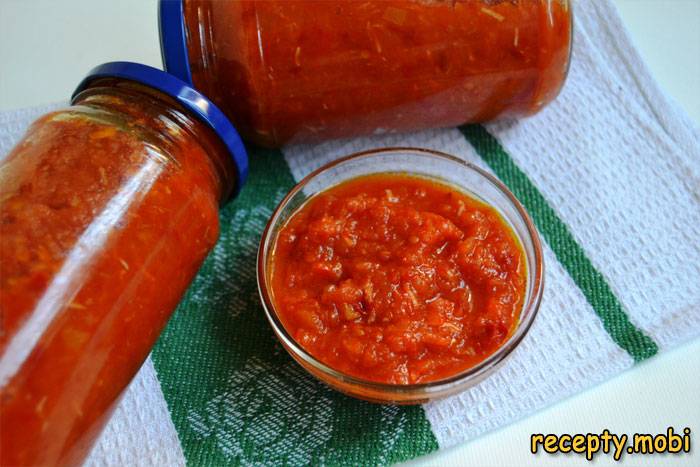
This portion of ingredients makes 2 half-liter jars of ready adjika. Adjika with apples and tomatoes stores perfectly in the apartment.What could be better than homemade hot adjika?! This appetizer is especially delicious on rye bread.


Tips
- 1
Use Slivka or Roma-type tomatoes for the thickest adjika. These plum varieties have less water and more pulp than salad tomatoes, producing concentrated sauce without long reduction times. Standard salad tomatoes work but produce thinner sauce. The right tomato variety dramatically simplifies the cooking process and improves results.
- 2
Sterilize jars and lids properly — this is non-negotiable for safe storage. Wash with hot soapy water, rinse thoroughly, then either oven-sterilize at 120°C for 15 minutes or boil for 10 minutes. The lids need separate boiling. The same sterilization rigor applies to many home preserves including zucchini with tomatoes for winter and similar canned vegetable preparations.
- 3
Add garlic and hot pepper at the end of cooking. Long-cooked garlic loses its bright pungent character; raw or briefly-cooked garlic provides the sharp aromatic punch that defines proper Caucasus-style adjika. The same end-addition principle applies to many spicy sauce preparations across various cuisines and traditions.
- 4
Wait at least 1 month before opening for full flavor development. Fresh-made adjika tastes good but the flavors marry and develop dramatically during storage. Pair the finished preserve with crusty homemade bread, grilled meats, roasted vegetables, or as a sandwich spread for endless meal-enhancing possibilities throughout the cold months.
FAQ
How long does this adjika keep? +
Properly sealed and stored in a cool dark place (under 18°C), adjika keeps for 12 months. Check seals before opening — the lid should be slightly concave and not move when pressed. Any jar with popped lid, bulging cap, or off smell should be discarded immediately, never tasted. Refrigerate after opening and consume within 2-3 weeks for best quality.
How spicy is this adjika? +
Moderately spicy — the apples and carrots significantly soften the heat from the hot pepper. For milder versions use less hot pepper or remove the seeds; for spicier versions add more hot peppers or include the seeds. Adjust to personal heat tolerance. Test the spice level during cooking and adjust the final hot pepper amount based on the test taste.
What other apples work in this preparation? +
Any sweet-tart apple variety works: Granny Smith, Honeycrisp, Braeburn, Cortland, or Pink Lady all suit this preparation. Avoid pure-sweet apples like Red Delicious which throw off the flavor balance significantly. The slightly tart apples complement the heat and tomato beautifully. Mix several varieties for the most complex finished adjika character worth exploring across multiple batches.
Can I skip the apples entirely? +
Yes — traditional Georgian adjika often does not include apples. The apple-free version produces a hotter sharper sauce that suits some palates better. The apples are a softening addition rather than essential ingredient. Adjust the sugar slightly upward in apple-free versions to compensate for missing fruit sweetness, or skip sugar entirely for the most traditional Caucasus character.
- Comment
or post as a guest
Be the first to comment.