avg —
Baba Ganoush from Eggplants

Instructions
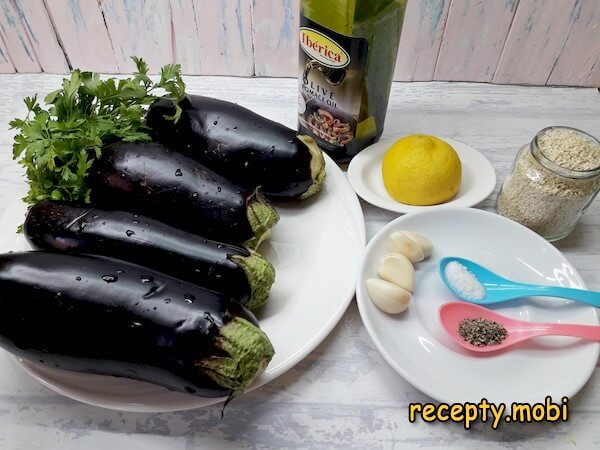
I prepare ingredients for baba ganoush. Turn on oven to 200°C right away.
PRICK washed eggplants in several places with FORK; place on baking sheet lined with parchment. Pricks prevent skin from BURSTING.
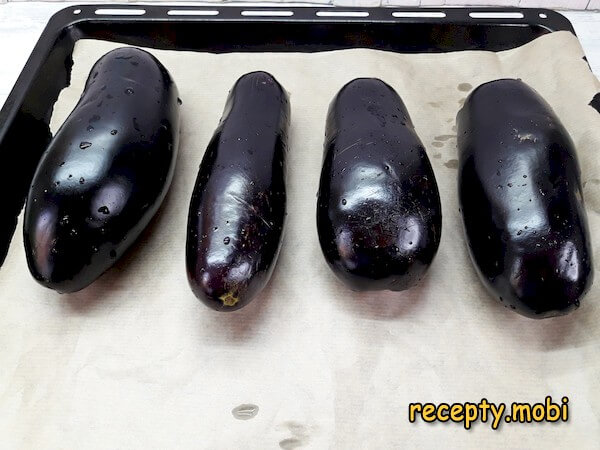
Place baking sheet in HOT oven WITHOUT convection. After 35-40 MINUTES: eggplants soften + completely ready.
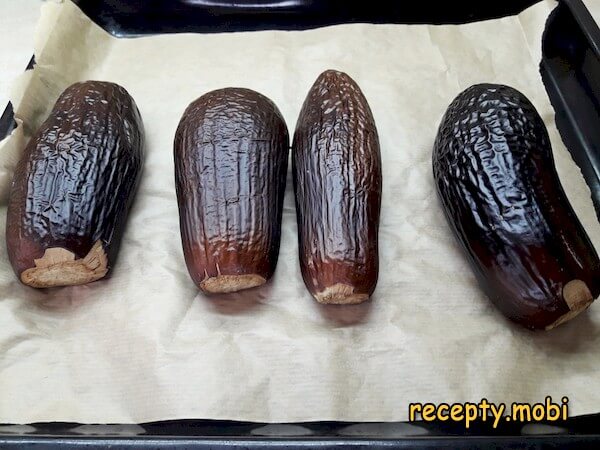
While eggplants STILL HOT: place in BAG; cover with WARM TOWEL — allows easy skin removal.
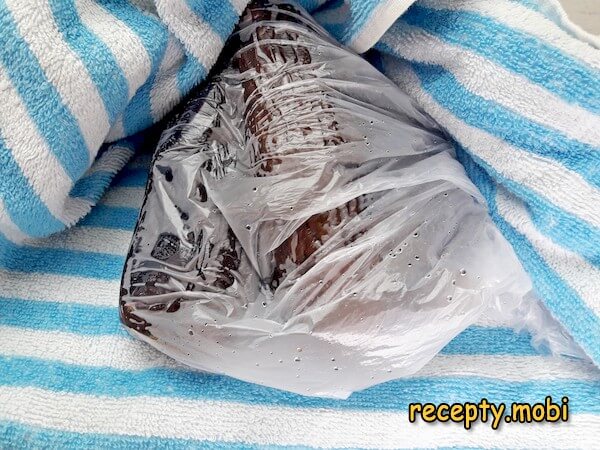
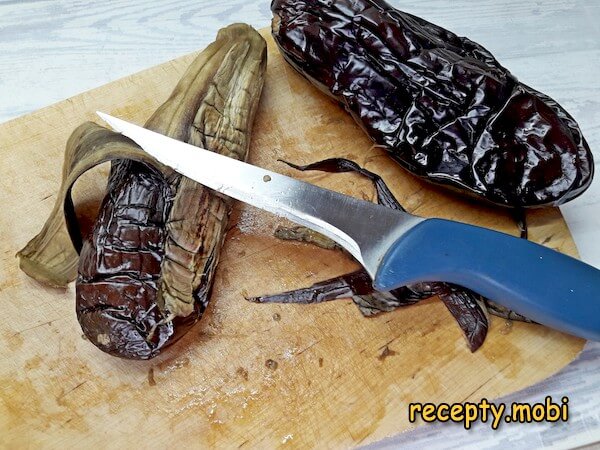
After 5 MINUTES: easily remove thin SKIN with knife.
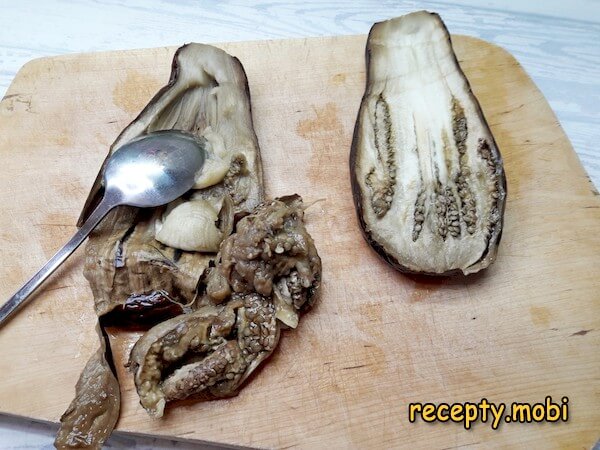
ALTERNATIVE: cut fruit lengthwise; SCOOP OUT insides with spoon.
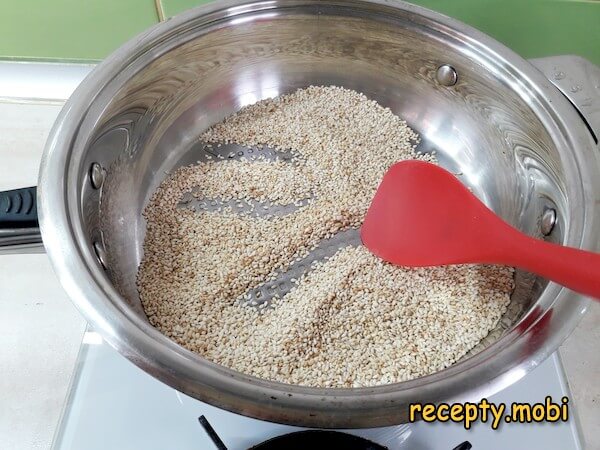
STORE-bought TAHINI works OR make from scratch. To make: TOAST sesame seeds until LIGHT GOLDEN. CHECK SEEDS RAW first — to avoid bitterness (bitter sesame ruins entire dish).
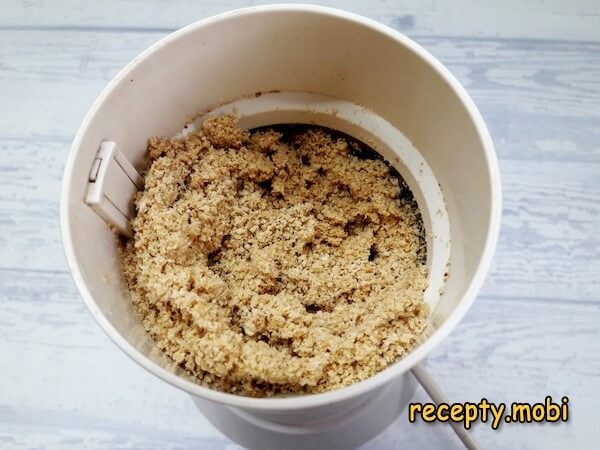
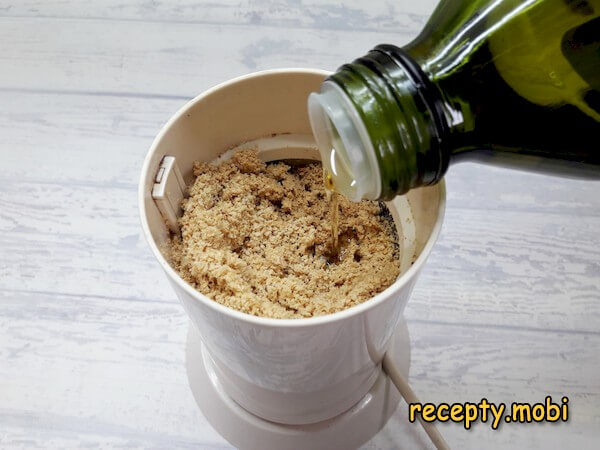
When sesame COOLS: blend into PASTE using stand blender.
Pour OIL in; blend until SMOOTH.
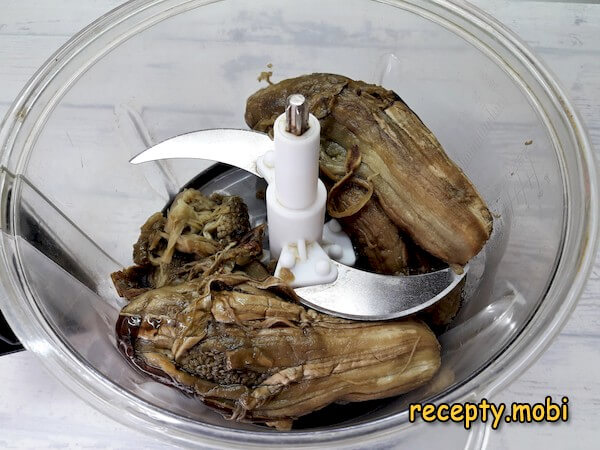
Place eggplant FLESH into food processor.
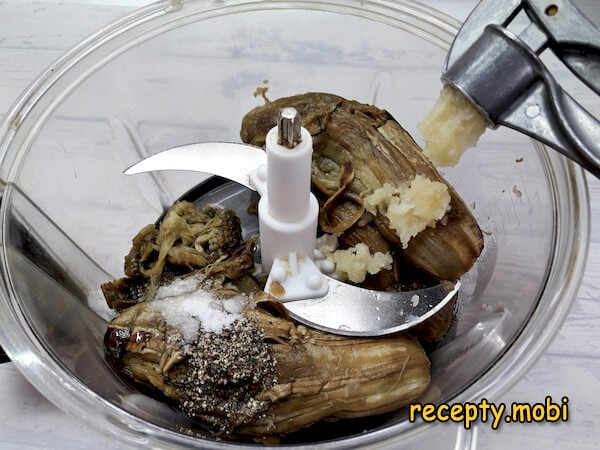
Add PEPPER + SALT + GARLIC for bright flavor.
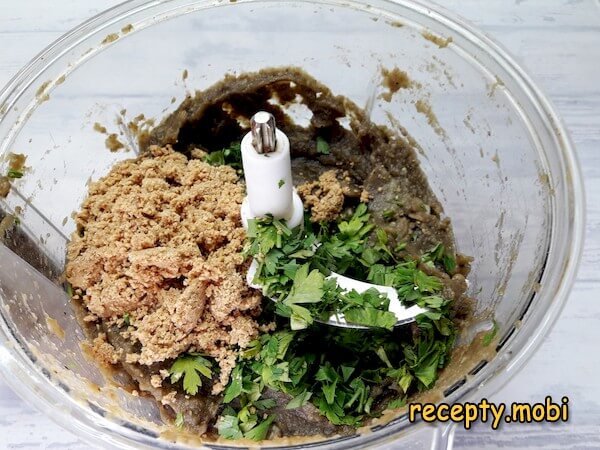
GRIND eggplants into PUREE. Add chopped PARSLEY + TAHINI paste.
SQUEEZE juice from 1/2 small LEMON; pour into mixing bowl.
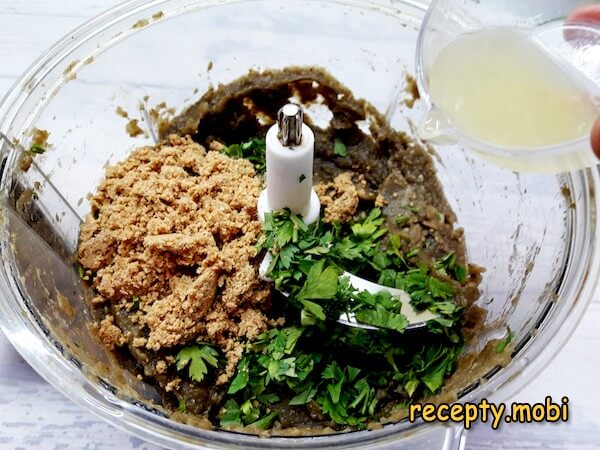
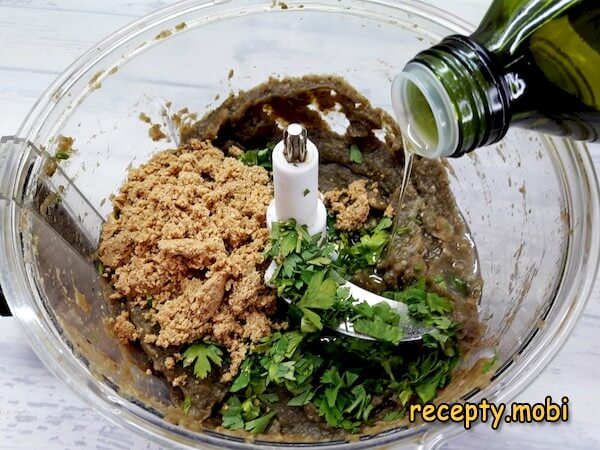
Immediately add OIL. BLEND until SILKY SMOOTH.
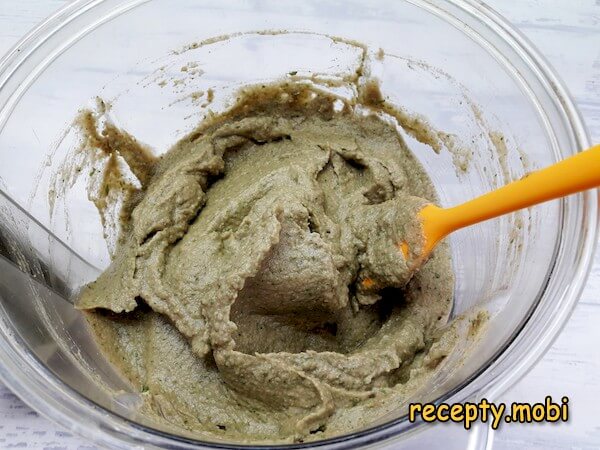
Final consistency: should resemble THICK SOUR CREAM.
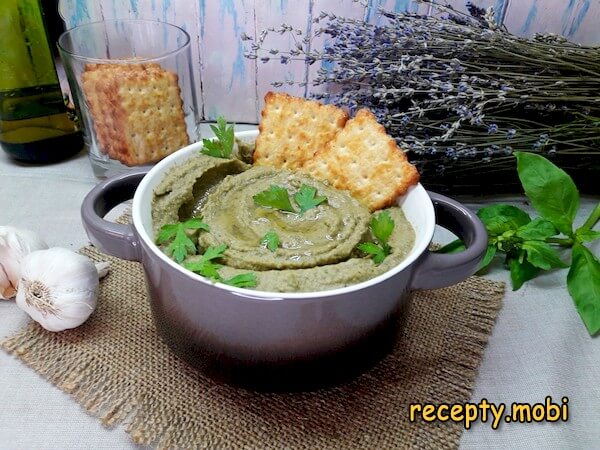
Before serving: drizzle with OLIVE OIL; rest few minutes. Spread serves as: additional dish OR topping for something else. Tender paste traditionally spread on crackers, croutons, or bread flatbreads (pita). Bon appétit!


Tips
- 1
THE PRICK-AND-BAKE TECHNIQUE. Steps 2-3's "prick eggplants + bake whole 35-40 min" is signature method. Sliced + baked eggplant: dries out + loses smoky character. WHOLE-PRICKED + baked: skin holds moisture in, flesh steam-cooks naturally inside skin = TENDER MELT-IN-MOUTH texture + deep smoky-baked aroma. The fork-pricks: prevent skin from bursting under steam pressure. Same whole-baked principle: traditional Lebanese mutabbal, Israeli baba ganoush, Egyptian variations. The 200°C + 35-40 min combination: calibrated for medium-sized eggplants (800 g total = 2-3 medium fruits). Larger eggplants need extra 5-10 min.
- 2
THE BAG-AND-TOWEL STEAM-PEEL TECHNIQUE. Step 4's "place hot eggplants in bag + warm towel" is genius peel-removal. Direct knife-peeling cooled eggplants: skin sticks tightly + tedious work + flesh tears. STEAM-PEEL method: hot eggplants in sealed bag continue steam-cooking for 5 min + skin loosens dramatically + peels off in single motion. Same steam-peel principle: roasted-pepper preparation (Mediterranean), garlic clove peeling. The TIP to scoop-out (Step 6): even faster alternative — cut lengthwise + spoon out flesh = no peeling needed at all. For another classic Middle Eastern eggplant preparation worth comparing, see Eggplant Caviar Classic.
- 3
THE TASTE-RAW-SESAME-FIRST WARNING. Step 7's "check seeds when raw — to avoid bitterness" is recipe-saving precaution. Bitter sesame seeds (rancid old sesame, improperly stored): RUIN entire dish — bitterness gets concentrated in tahini paste, no recovery possible. ALWAYS taste raw seeds first: should be sweet-nutty, not bitter. If bitter: discard, buy fresh. Same quality-check principle: walnut tasting (rancidity ruins recipes), olive oil tasting. The 75 g sesame yield ~80 g tahini = sufficient for full recipe. Pro-tip: buy small quantities, store in refrigerator + use within 2 months for fresh flavor.
- 4
THE OLIVE-OIL-FINISH PRESENTATION. Step 16's "drizzle olive oil + rest few minutes" is finishing technique-essential. Just-blended baba ganoush: still texture-mixing, oil pools randomly. PROPER DRIZZLE FINISH: high-quality EXTRA-VIRGIN olive oil drizzled on top in spiral pattern + 5-min rest = oil settles into surface depressions creating BEAUTIFUL puddles + flavor enhancement + signature Middle Eastern presentation. Use FINEST olive oil here — it's a finishing touch, not cooking medium. Same drizzle-finish principle: hummus presentation, Greek tzatziki, Mediterranean spreads. For another classic Middle Eastern dip worth trying, try Hummus Classic.
FAQ
What's "tahini"? +
Sesame paste — Middle Eastern + Mediterranean cuisine staple ingredient. PREPARATION: lightly toasted sesame seeds + olive oil blended into smooth paste. CHARACTER: nutty + slightly bitter + creamy + thick consistency. AVAILABILITY: most well-stocked groceries, online retailers, Middle Eastern markets. STORE-BOUGHT preference: stir before using (oil separates), refrigerate after opening. HOMEMADE (Steps 7-9): fresher flavor + control over toasting + no preservatives. SUBSTITUTES if unavailable: peanut butter (different flavor entirely, not authentic), almond butter (similar texture, different character), sunflower seed butter. The HOMEMADE version is recipe-canonical for true baba ganoush character.
Can I make it without tahini? +
Yes — though character changes significantly. WITHOUT TAHINI (eggplant-only spread): becomes "eggplant caviar" / "baba ganoush light" — simpler flavor, missing signature nuttiness. SUBSTITUTES (work but change character): GREEK YOGURT (1/4 cup) = creamier + tangier, modern variation. MAYONNAISE (2 tbsp) = richer + Western-fusion. CASHEW BUTTER = nutty alternative. MISO PASTE (1 tsp) = umami-fusion variation. The TAHINI version (recipe-canonical): essential for genuine Levantine baba ganoush identity. Substitutes still produce delicious eggplant spread but should be called by different name.
How long does it keep? +
Refrigerated covered: 4-5 days at peak quality. Day 1: peak smoky-fresh character. Day 2-3: PEAK FLAVOR (flavors integrate, even better next-day). Day 4-5: still excellent, slight color darkening. After 5 days: not recommended (raw garlic + lemon-juice perishability). FREEZER: NOT recommended (texture suffers on thaw — becomes watery + grainy). Pro-tip: Middle Eastern tradition prefers DAY-AFTER baba ganoush — flavors fully integrate. Storage tip: glass container with tight lid, dark place in fridge, drizzle olive oil on top before storing (creates seal layer + prevents oxidation). Stir before serving.
What goes best with it? +
Middle Eastern tradition has classic baba ganoush companions. CLASSIC: pita bread (warmed, recipe-canonical), Lebanese flatbread, Turkish ekmek. RAW VEGETABLES: cucumber sticks, carrot sticks, bell pepper strips, celery sticks (mezze platter). CRACKERS: water crackers, rye crackers, simple options. AS COMPONENT: alongside falafel, in shawarma wraps, mixed with hummus + olives + feta on platter. WARMING: alongside grilled lamb kebabs, chicken souvlaki, falafel. DRINKS: mint tea (traditional), light white wine, beer. The spread is fundamentally MEZZE — pairs with anything Mediterranean + many fusion options.
- Comment
or post as a guest
Be the first to comment.