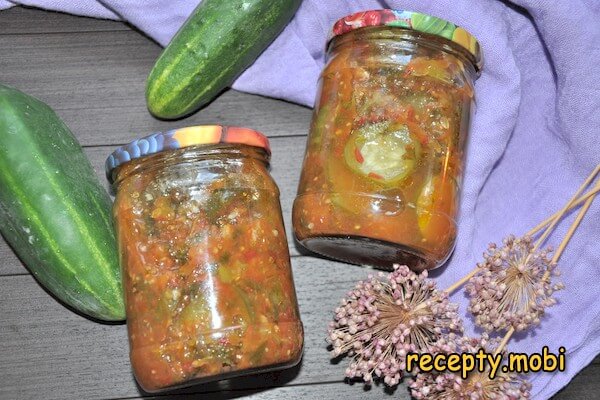
avg —
Beans in Tomato Sauce with Vegetables

Instructions
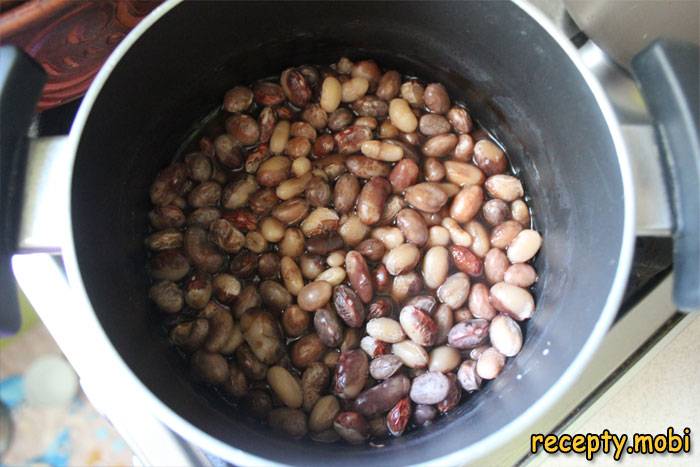
Soak the beans in boiled warm water in advance. Leave the raw material overnight. Then change the water, rinse the beans, and boil the component until semi-cooked. The boiling time of beans varies depending on the variety.
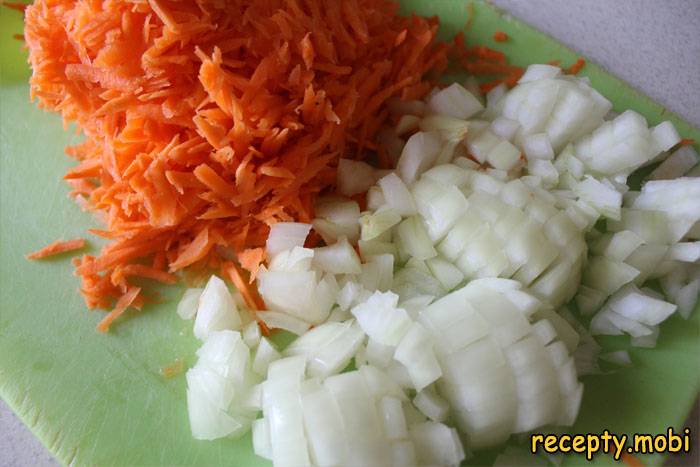
Chop the onion into small cubes. Grate the carrot coarsely. Even chopping ensures uniform cooking and integration.
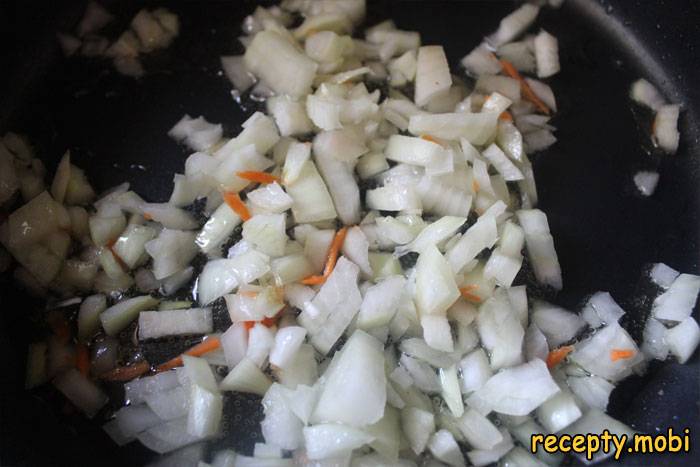
Fry the onion until slightly golden. The Maillard browning develops the foundation flavor for the entire dish.
Add the carrot. Cook the vegetables until semi-cooked. The carrot adds sweetness and color to the saute base.
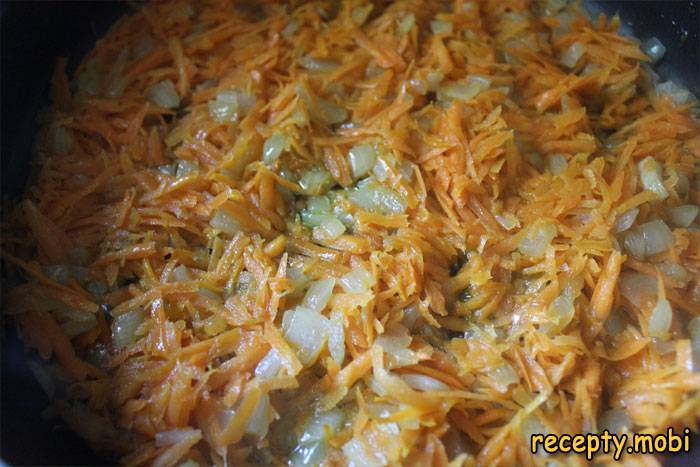
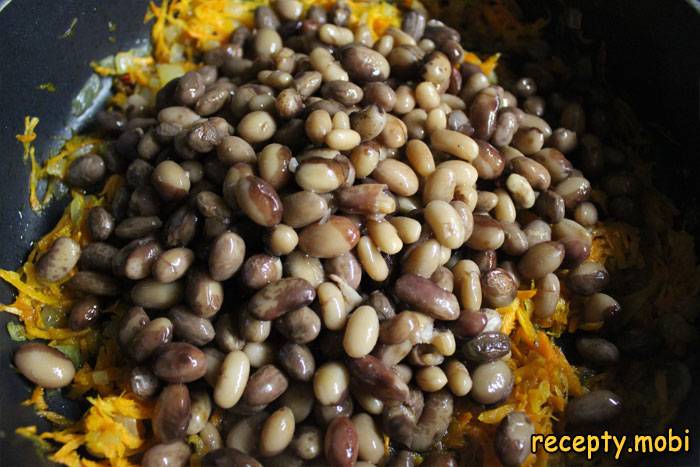
Add the boiled beans. Mix the components thoroughly to integrate the protein with the sauteed vegetables.
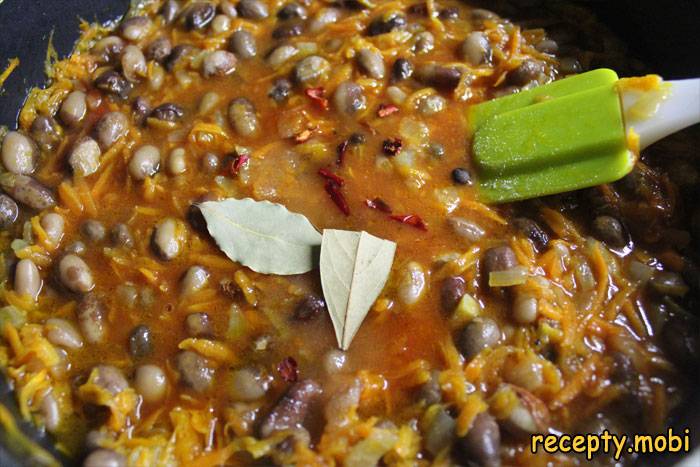
Dilute the tomato paste in water. The ingredients can be replaced with tomato juice or sauce. Add spices and bay leaf to the mixture. Cook the bean appetizer for another 15-20 minutes — until all excess liquid has evaporated and the beans and vegetables are fully cooked.
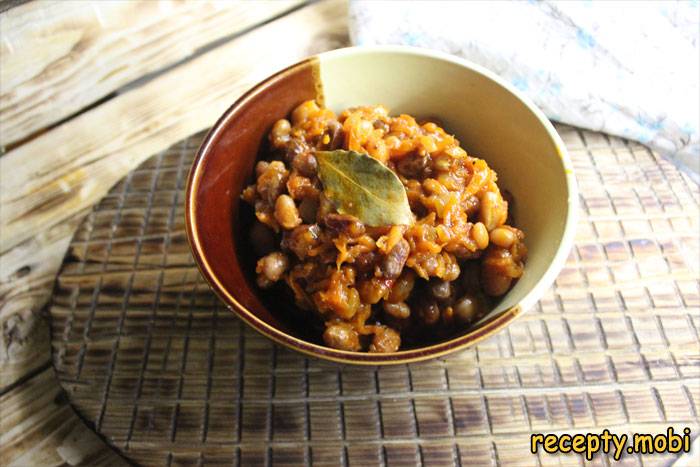
Serve the delicious and aromatic beans in tomato sauce to the table. They go perfectly with fresh vegetable salads, various side dishes, and meat. Enjoy your meal!Beans in tomato sauce with vegetables will appeal to all lovers of hearty and simple legume dishes. The appetizer is appetizing and filling with high protein content. To make beans in tomato sauce, a minimum of budget-friendly ingredients is required. Try making such a dish at home and you will forever give up store-bought bean snacks! The dish can be served either cold or hot.


Tips
- 1
Soak beans overnight for proper cooking. Properly soaked beans cook in 30-45 minutes; un-soaked beans take 1.5-2 hours and produce inconsistent texture. The soaking step is non-negotiable for proper bean preparation. Rinse the soaked beans thoroughly before cooking to remove any oligosaccharides that cause digestive discomfort.
- 2
Use quality tomato paste for best results. Cheap tomato paste can taste bitter or watery; quality concentrated paste produces rich savory sauce that defines this dish. The same quality-tomato principle elevates many tomato-based preparations including eggplant caviar for winter and other vegetable-tomato combinations.
- 3
Cook beans until very tender. Slightly undercooked beans produce hard chewy results that disappoint; properly cooked beans are creamy soft inside while holding shape. Test by squishing one between fingers — properly cooked beans yield easily but do not fall apart. The doneness matters significantly more than home cooks typically realize.
- 4
Serve hot or cold based on the meal occasion. Hot beans suit dinner sides; cold beans work as appetizer or salad component. Pair with crusty homemade bread for the complete simple meal that delivers nutrition without complexity. Add fresh herbs (parsley, dill) at serving time for extra brightness.
FAQ
Can I use canned beans? +
Yes — substitute 1 can (about 400g) of drained rinsed canned beans for the dried-and-soaked beans. Skip the soaking and pre-cooking steps entirely. The canned beans are already cooked, so add them at step 5 with reduced cook time (10 minutes) just to heat through and absorb sauce flavor. The convenience comes with slightly inferior texture but acceptable results for busy weeknights.
What other beans work? +
White beans, kidney beans, pinto beans, black beans, chickpeas, or lima beans all work beautifully in this preparation. Each variety produces distinct character. White beans are creamiest; kidney beans are most substantial; black beans add Mexican-style flair. Mix and match based on personal preference and what is in the pantry. The basic technique stays identical regardless of bean choice.
How long does this dish keep? +
Stored covered in the refrigerator, the beans keep for 4-5 days. The flavor improves overnight as components meld. Reheat gently with a splash of water to restore moisture. The dish freezes well for up to 3 months in portion-sized containers — thaw overnight in the fridge before reheating. Excellent meal-prep option for busy weeks ahead.
How can I make this more substantial? +
Add cooked sausage, ground meat, smoked bacon, or pancetta during the saute stage. Vegetarian protein boosters include extra beans, lentils, or cubed firm tofu. Adding these proteins transforms the dish from side to main course satisfyingly. Adjust seasoning based on the protein addition — meat additions usually need less added salt due to their natural sodium content.
- Comment
or post as a guest
Be the first to comment.