avg —
Beetroot Caviar for Winter

Instructions
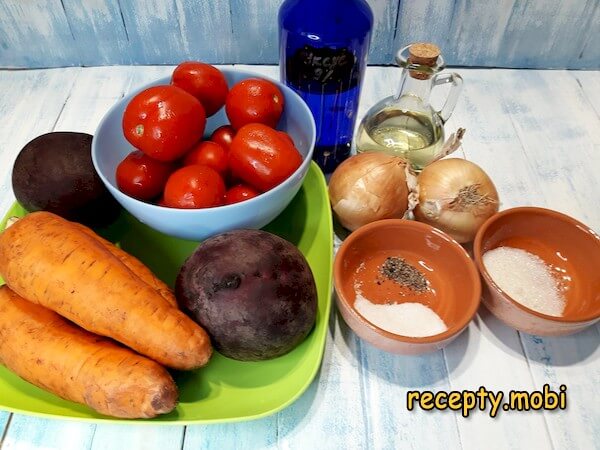
I prepare the ingredients. Vegetables get a brush-scrub to remove dirt. Sweet juicy beetroot and carrot varieties are essential — old fibrous roots produce a tough preserve. Tomatoes can be any ripe variety; meatier varieties (Roma) give thicker preserve, juicier varieties (Beefsteak) give looser texture.
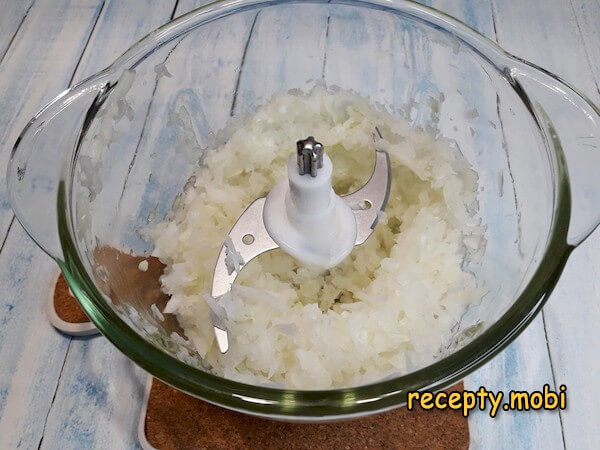
I cut the onion into large chunks and grind through a meat grinder or pulse-blend in a blender to a coarse purée.
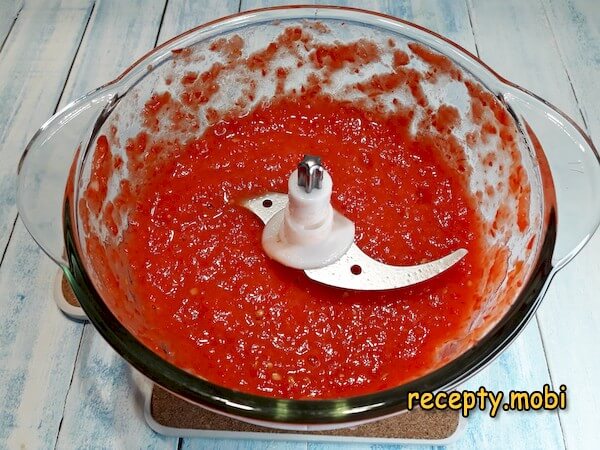
The tomatoes get the same treatment — stems removed first, then ground to a coarse purée.
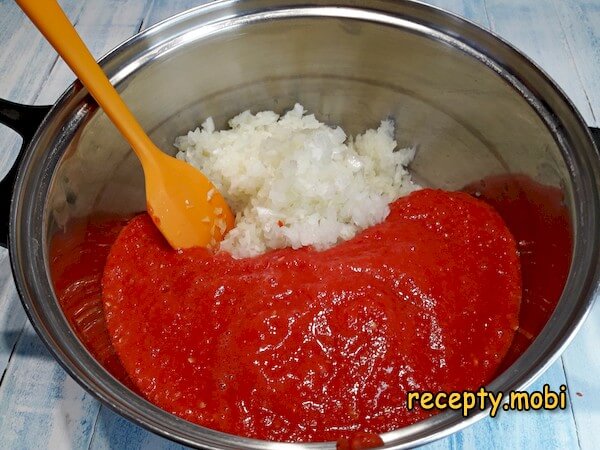
Both purées transfer to a heavy-bottomed pot where the caviar will stew.
I peel the beetroot and carrots. Wear gloves for the beets — they stain skin and clothes dramatically.
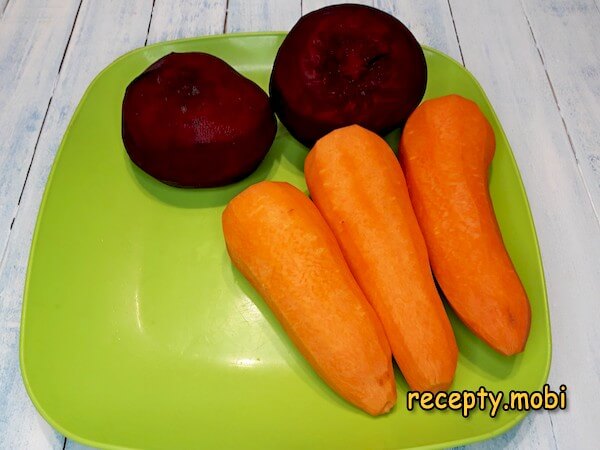
The carrot and beetroot can both go through the meat grinder for a smooth purée-style caviar, OR onto a coarse grater for a more textured caviar with visible vegetable strands. The textured version (graten) gives noticeably better mouthfeel and looks more attractive in the jar — that's the version I make.
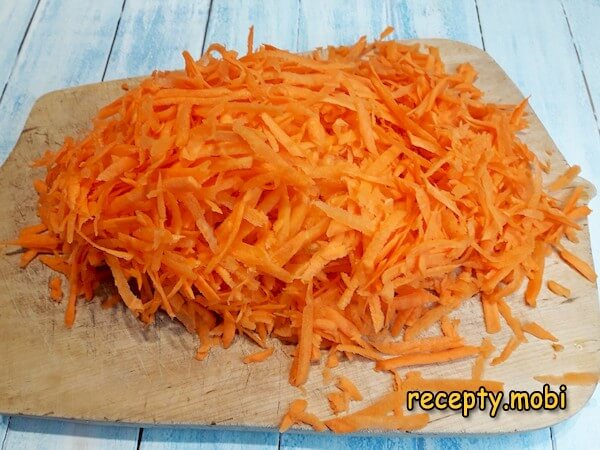
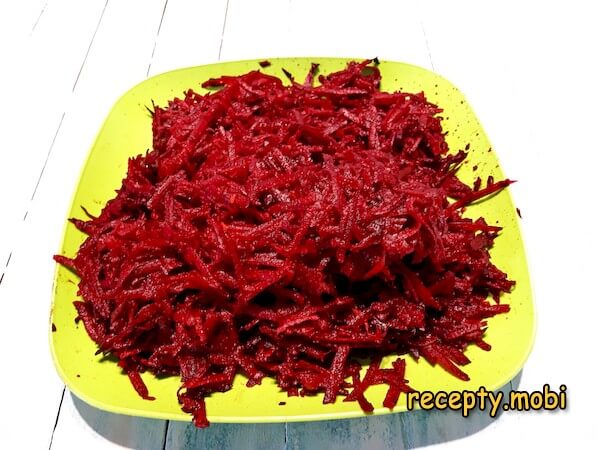
The beetroot grates similarly on the coarse grater.
The grated carrots and beetroot transfer to the common pot with the onion-tomato purée.
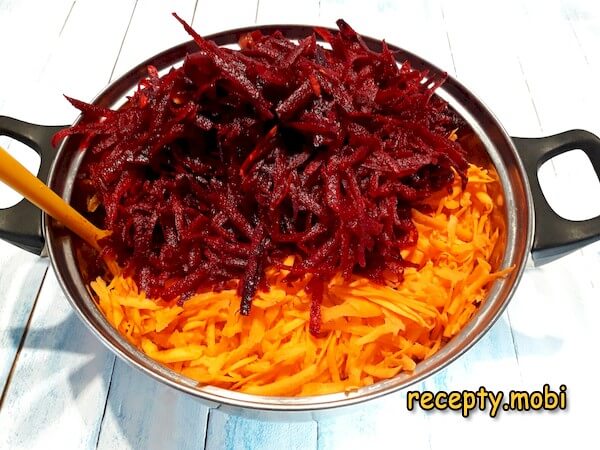
Right away I add the salt, black pepper, and vegetable oil.
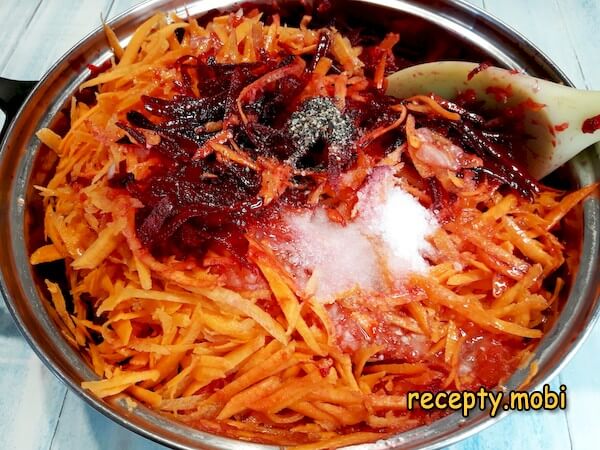
The pot goes onto medium heat with the lid on and I bring to a boil.
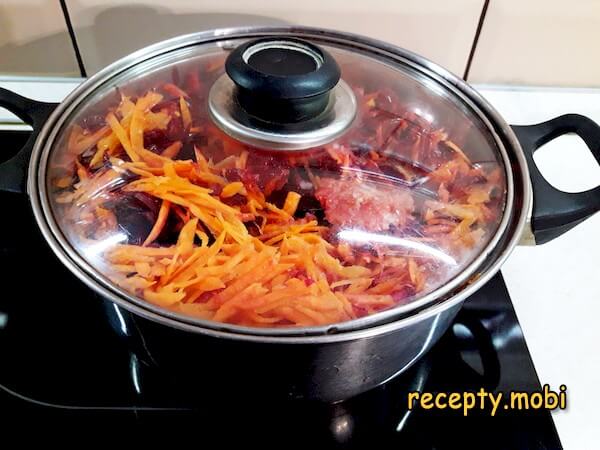
Once boiling, I reduce heat, remove the lid, and stir gently. Timing starts from the boiling point — stew uncovered for 1 hour. The lid-off cook reduces excess moisture and concentrates the flavours.
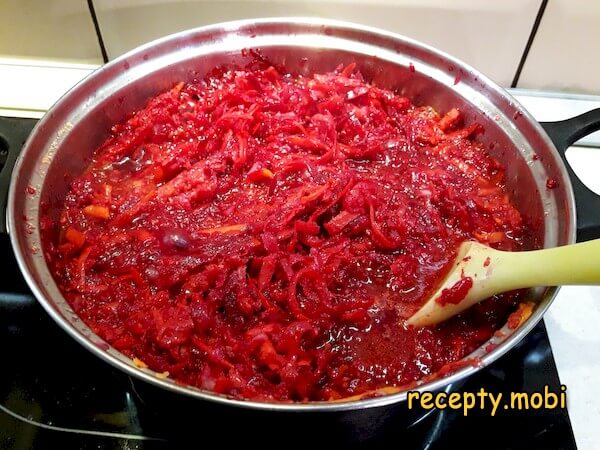
After the hour, I add the sugar.
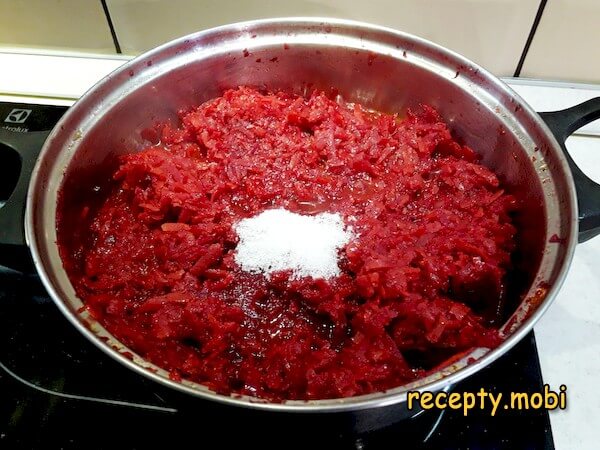
Immediately followed by the vinegar. I stir to integrate and continue stewing another 30 minutes — the late-stage vinegar keeps its acidic punch.
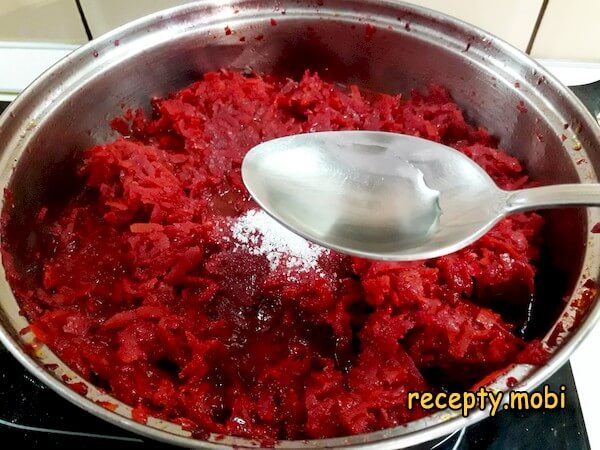
During the final stew, I sterilise the jars and lids. After the time elapses, I ladle the hot caviar into jars filling to the very top, then screw on the sterilised lids.
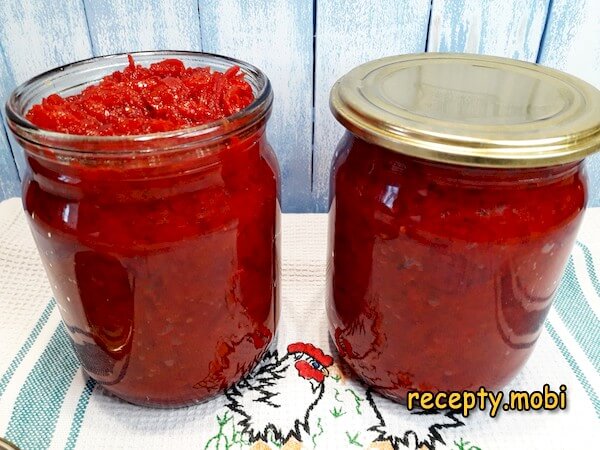
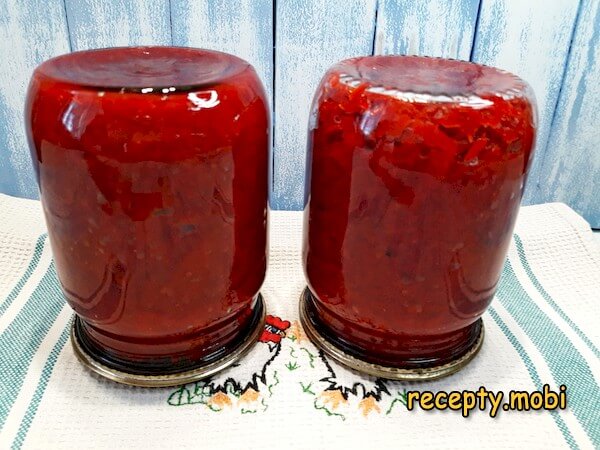
I invert each jar to test the seal — no leaks confirms vacuum formation.
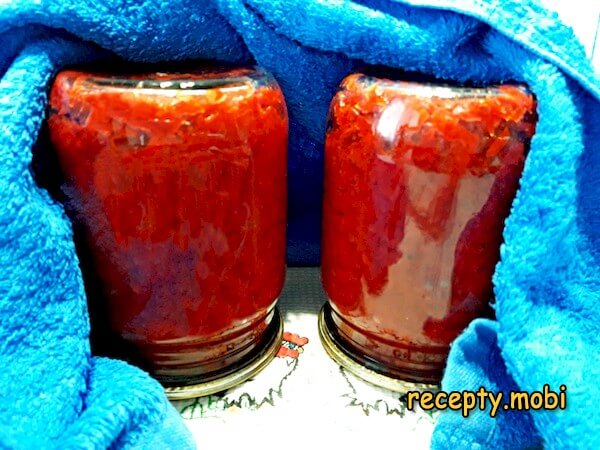
The inverted jars get wrapped in a warm blanket for 8 hours of slow cooling — the slow temperature drop creates a strong vacuum seal.Beetroot caviar for winter stores on regular kitchen shelves until next year's harvest; cool basement storage is even better. The combination of sugar plus carrot's natural sweetness balanced by tomato acidity gives a complex sweet-savoury profile that's deeply satisfying. Pantries with this caviar empty out first — the multi-purpose nature (eat as side, use in borscht, layer in herring salad) means you reach for it constantly.


Tips
- 1
COARSE GRATE BEATS PUREE. Step 6's choice between meat grinder (smooth puree) and coarse grater (textured strands) is the texture-defining decision. The coarse-grate version retains visible bright orange-red strands of carrot and beetroot, which both look beautiful and give a more satisfying mouthfeel. The puree version is smoother but loses identity — looks similar to spaghetti sauce. Always go textured unless you specifically need smooth caviar for a particular use (filling for blini, etc.).
- 2
ADD VINEGAR AT THE END. Step 13's late-stage vinegar addition is the technique that preserves acid character. Vinegar boiled for 60+ minutes loses its sharp bite and the preserve tastes flat. The 30-minute final cook with vinegar is enough for proper pH integration without dulling the acid. The same principle applies to all vinegar-based preserves: vinegar goes in late. For another classic vegetable-tomato winter caviar worth comparing, see Caviar from Green Tomatoes for Winter Without Sterilization.
- 3
NO GARLIC IN THE JAR. The intro mentions this explicitly — garlic raw or cooked alters preservation chemistry and can produce unstable seal pressure over months of storage. Add fresh garlic to the open caviar at serving time if you want garlicky character. The 2-clove-per-1-jar ratio (added at serving) gives a perfect garlic punch without compromising shelf storage.
- 4
DOZENS OF USES BEYOND CAVIAR. The most common application is borscht starter (1-2 tbsp per bowl gives instant beetroot depth). Other uses: spread on rye bread for snack; mixed with sour cream as dip for vegetables; folded into mashed potatoes for pink colour and flavour; layered between potato and herring in classic herring-under-fur-coat salad; mixed with cooked grain (barley, farro) for grain-bowl base; or simply spooned alongside grilled meat as side. For another zucchini-based caviar to try, try Zucchini Caviar with Tomato Paste for Winter No Sterilization.
FAQ
Why is it called "caviar" when there's no fish? +
"Caviar" (ikra in Russian) is used for any finely-textured spreadable preparation in Slavic culinary tradition — the visual texture of the small vegetable particles in a thicker base resembles the appearance of fish caviar. Common Russian "caviars" include eggplant caviar, mushroom caviar, zucchini caviar, and this beetroot version. None contain fish; all share the textural characteristic that gives them the borrowed name. The semantic borrowing dates back centuries in Russian cuisine.
How long does the caviar keep? +
Sealed sterilised jars at room temperature in a dark cupboard keep 12+ months. Cool basement storage extends this to 18-24 months. Once opened, transfer to fridge and use within 2-3 weeks. The colour darkens slightly over months (oxidation through the lid is normal); flavour deepens correspondingly. If you spot mould, fizzing, or the lid is bulging, discard the entire jar — properly preserved caviar doesn't ferment or develop visible mould.
Can I make this without onion? +
The onion contributes sweetness and depth that's hard to replicate; skipping it produces a flatter-tasting preserve. If you really want onion-free version (allergy or dietary preference), substitute: 1 large leek (white and light green parts) for similar mild allium flavour, OR 2 tbsp fresh fennel chopped fine for a different but interesting aromatic, OR simply omit and increase carrot to 600 g for compensating sweetness. The recipe technique stays identical.
Why does my caviar look watery after opening? +
Three possibilities. First, the cook wasn't long enough at step 11 — the 1-hour reduction is essential and shouldn't be shortened. Second, the tomatoes were unusually juicy (some heirloom varieties give 80%+ water by weight) — let the open jar drain in a sieve for 30 minutes before serving. Third, the storage was warm (above 22 °C) and pectin chains broke down — still safe to eat but texture is lost. For a thicker caviar, increase the carrot to 600 g and tomato to 500 g (less water-rich tomatoes per gram).
- Comment
or post as a guest
Be the first to comment.