avg —
Buckwheatotto

Instructions
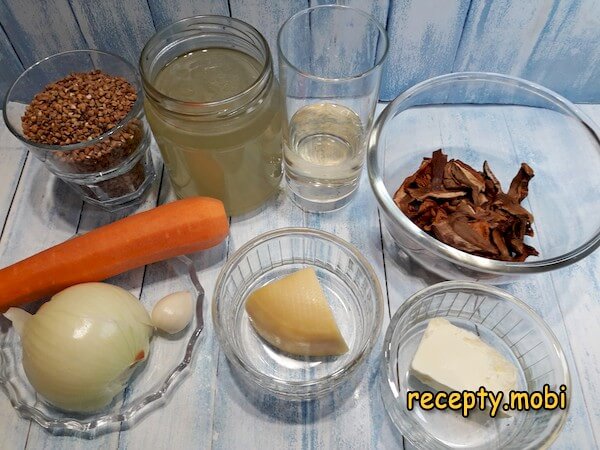
I prepare the ingredients. Any dried mushroom mix works — porcini gives the deepest umami, chanterelles add fruity notes. 150 g of fresh champignons substitutes for the dried mushrooms (skip the soaking step).
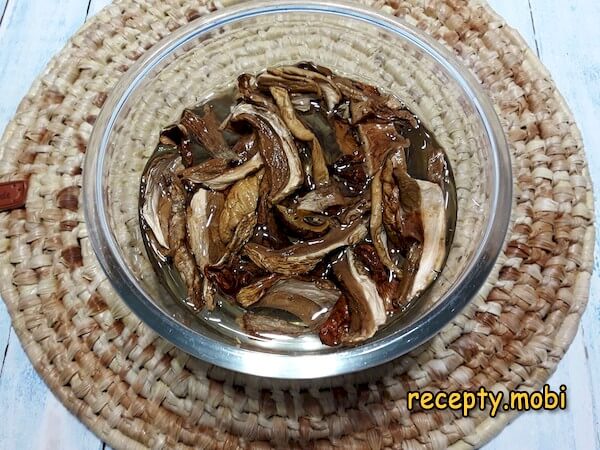
I soak the dried mushrooms in cool water for 30 minutes — they swell and rehydrate, releasing flavour into the soaking liquid (this liquid can replace some of the broth for extra depth, strained through cheesecloth to remove grit).
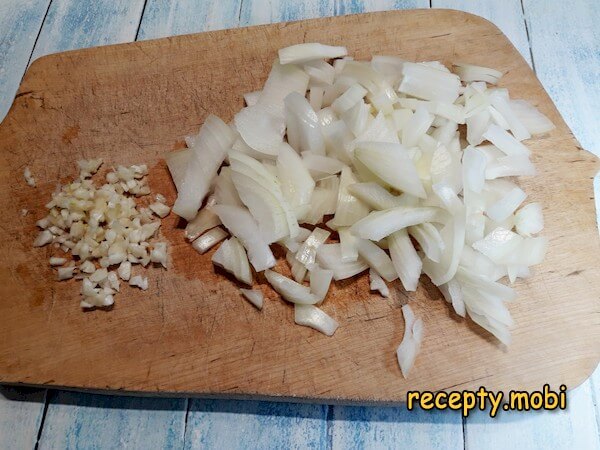
While the mushrooms soak, I finely chop the onion and garlic.
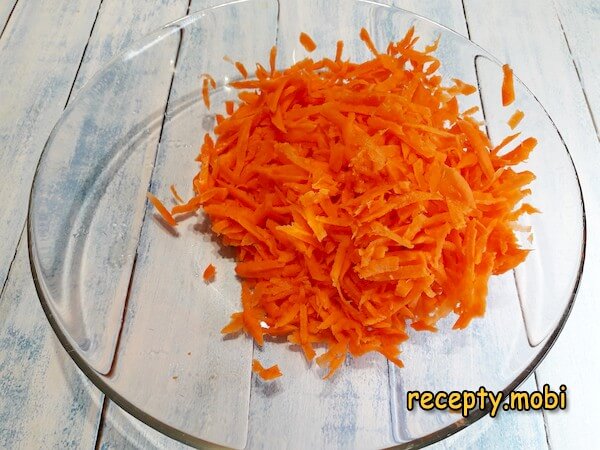
I grate the carrot on a coarse grater.
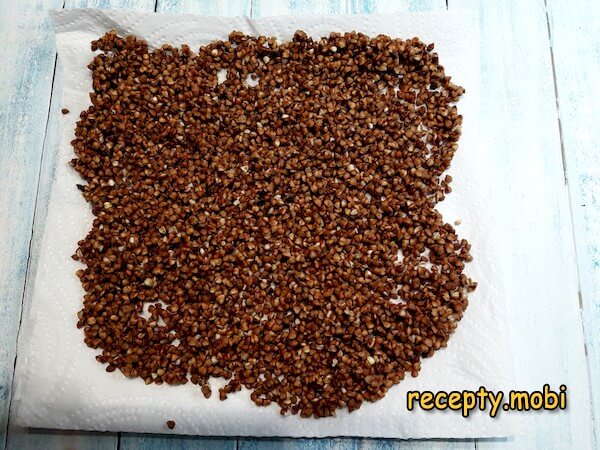
Premium buckwheat groats can go in unwashed; standard supermarket buckwheat benefits from a quick rinse and pat-dry to remove dust and any stones.
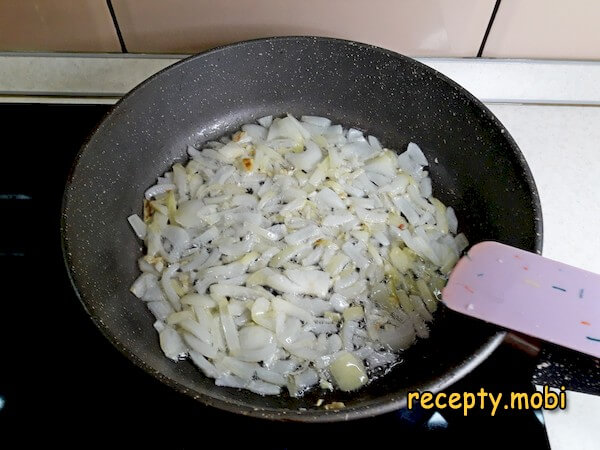
In hot vegetable oil, I sauté the onion and garlic together until aromatic — about 2 minutes.
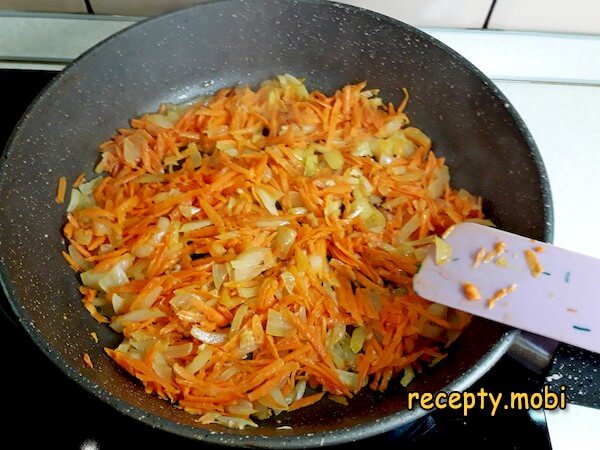
I add the grated carrot and sauté another 2-3 minutes until softened.
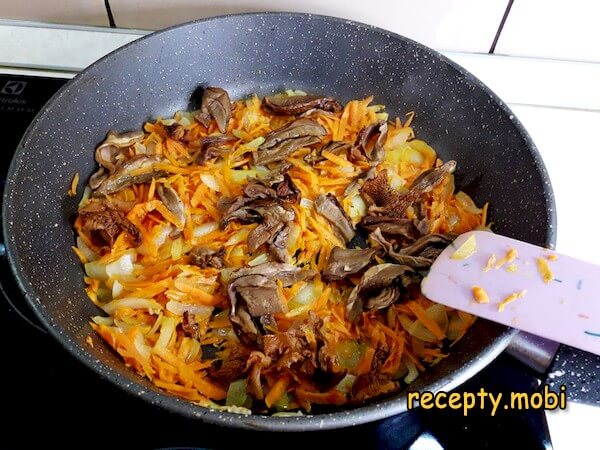
The drained mushrooms join — sauté with the vegetables for 7 minutes. (For fresh champignons, cut into substantial pieces and sauté the same way.)
I add the buckwheat groats to the skillet.
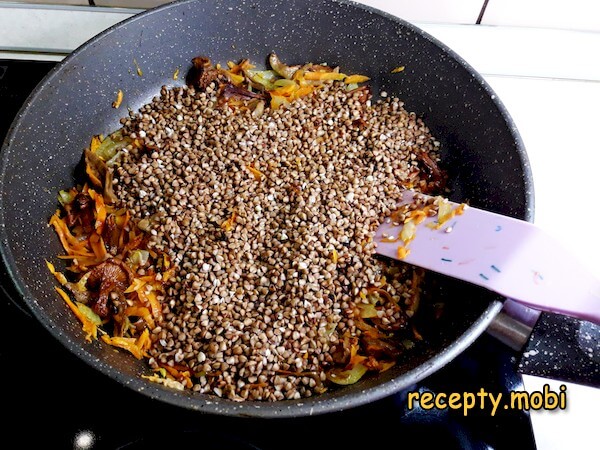
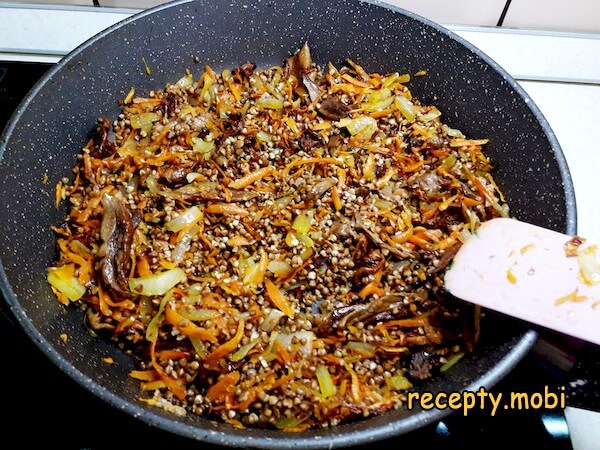
I sauté the groats with the vegetables for 3 minutes — just to warm and lightly toast them. This toasting step is the risotto-technique parallel that develops the grains' flavour.
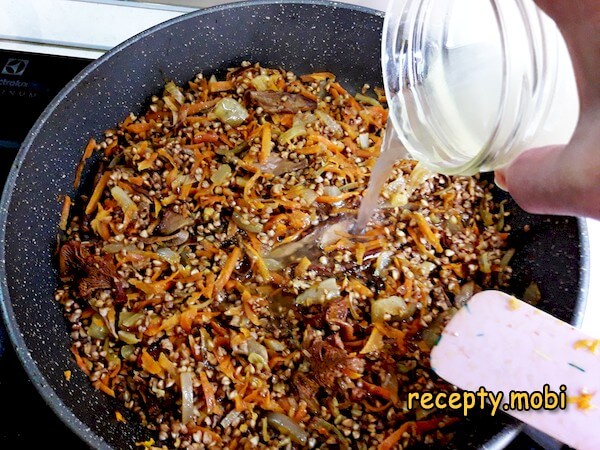
The classic risotto-style stock addition: I divide the broth into 4 portions and add one portion at a time, waiting 5 minutes between additions for the previous broth to be absorbed. I keep the skillet covered between additions and stir occasionally. Total time: 20-25 minutes for the broth to be fully absorbed and the buckwheat to swell.
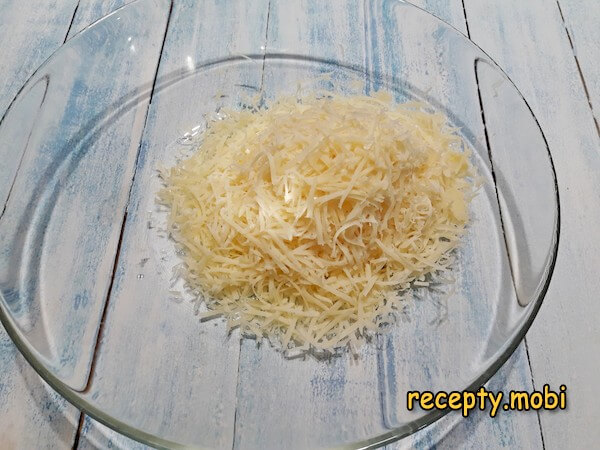
While the buckwheat absorbs the broth, I grate the cheese finely.
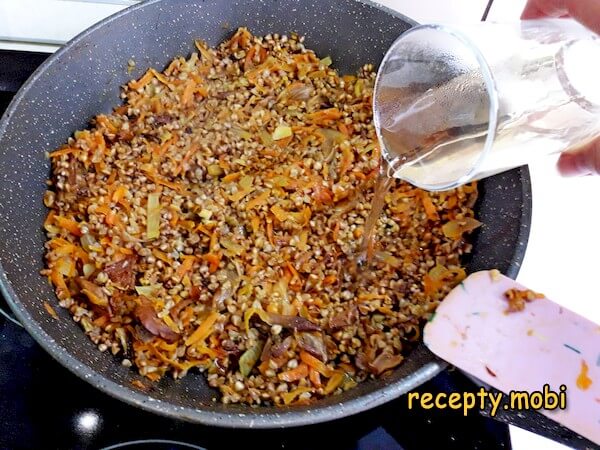
After the broth is fully absorbed, I pour in the white wine and remove the lid. The alcohol evaporates over a couple of minutes, leaving only the wine's tart acid notes. I salt very carefully — chicken broth is already seasoned, so taste before adding salt.
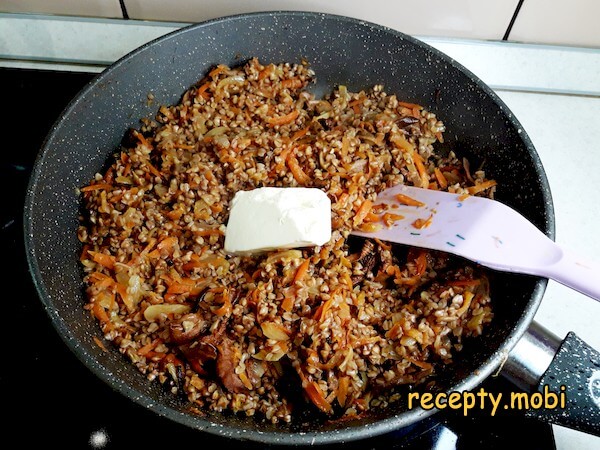
Once the wine has evaporated, I add the butter and stir to integrate. The butter gives the buckwheatotto its risotto-like richness and silky finish.
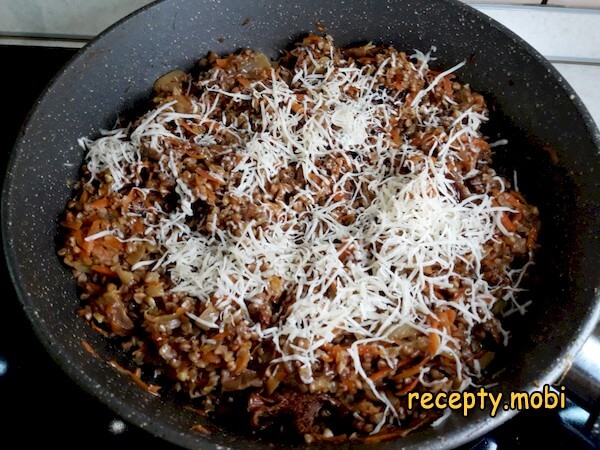
Off the heat, I add half the grated cheese and mix thoroughly. Off-heat addition prevents the cheese from becoming stringy or splitting.The buckwheatotto is ready — creamy, deeply mushroomy, with the buckwheat's earthy backbone enhanced by butter, wine, and cheese. I plate and finish with the remaining cheese on top. The dish transforms ordinary buckwheat groats into something genuinely refined — proof that the risotto technique works with grains beyond rice.Try it, enjoy your meal!


Tips
- 1
SAVE THE MUSHROOM SOAKING LIQUID. The water that dried mushrooms soak in becomes a deeply flavoured mushroom broth — strain it through cheesecloth (removes any grit) and substitute for 100-150 ml of the chicken broth. Free flavour boost. Alternatively, use the soaking liquid as the wine substitute for an alcohol-free version.
- 2
THE 4-PORTION STOCK ADDITION IS RISOTTO TECHNIQUE. Adding all the broth at once cooks the buckwheat through but doesn't develop the creamy texture that distinguishes buckwheatotto from regular buckwheat porridge. The portion-and-wait method allows the grains to gradually release their starch into the cooking liquid, creating the signature creaminess. Don't shortcut this. For another grain dish in similar style worth comparing, see Rice Kutya with Raisins.
- 3
CHEESE QUALITY MATTERS. Real Parmigiano Reggiano or Grana Padano gives the cleanest melt and best flavour. Pre-grated supermarket "parmesan" with anti-caking agents tends to clump. For a budget alternative, aged cheddar works (less authentic but tasty). Avoid soft cheeses (mozzarella, brie) — they don't integrate cleanly with the buckwheat structure.
- 4
ADD-INS FOR VARIETY. Beyond mushrooms, the recipe welcomes additions: 100 g of cooked chicken or smoked bacon (added at step 8); 50 g of frozen peas (added with the wine at step 13); 1 tbsp of fresh chopped herbs (parsley or thyme) at the end; or a squeeze of lemon juice for brightness. The base technique is forgiving. For another Uzbek-style grain preparation worth comparing, try Mashkichiri – Uzbek pilaf with mung beans.
FAQ
Why does the title say "Buckwheatotto"? +
"Buckwheatotto" is a wordplay invented for this dish — combining "buckwheat" (the grain) with "-otto" (Italian risotto suffix). In Russian the dish is called "grechotto" (combining grechka + risotto). It's not a traditional name; it's a chef's whimsy that captured the dish's hybrid nature. Some restaurants list it as "buckwheat risotto" instead, which is descriptive but loses the playful naming. The DB title preserves the original wordplay.
Can I make this without alcohol? +
Yes — replace the wine with: 100 ml additional chicken broth + 1 tsp lemon juice (closest substitute for wine's tart acidity); or 100 ml of mushroom soaking liquid (deeper umami, no acid). Either works without changing the recipe's character significantly. Wine adds an alcohol-derived complexity that's hard to fully replicate, but the alcohol-free version is excellent in its own right and more accessible to a wider range of diners.
Can I use roasted vs. raw buckwheat? +
The recipe assumes traditional roasted (kashi) buckwheat groats — the standard in Russian cooking, sold as toasted brown grains. Raw (green) buckwheat works but tastes more vegetal and earthy; toast it briefly in a dry pan before step 9 if substituting. Buckwheat flour does NOT work — it's ground too fine and turns into porridge mush rather than maintaining grain integrity. Stick to whole groats.
How do I store and reheat? +
Refrigerated in an airtight container, buckwheatotto keeps 4 days. The texture firms up in the fridge but reheats well with a splash of broth or water over low heat — the classic risotto reheating technique. Add a knob of butter and a pinch of fresh cheese on reheating to refresh the creaminess. Frozen storage: 2 months; thaw overnight in fridge before reheating. The dish actually retains creaminess on freezing better than rice risotto does.
- Comment
or post as a guest
Be the first to comment.