avg —
Bukhler Buryat Style

Instructions
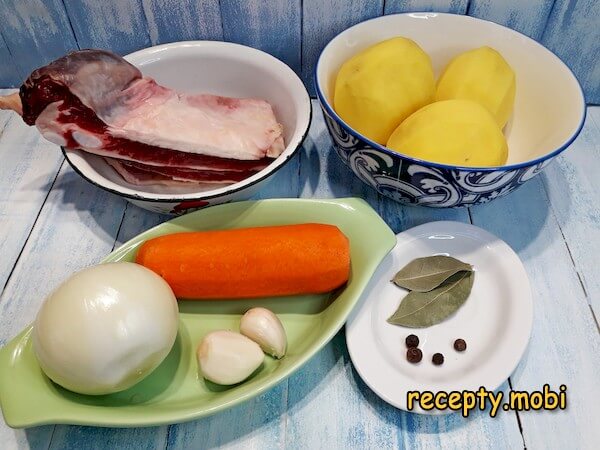
I prepare the ingredients. Any bony mutton cut works except the leg — ribeye, ribs, or shoulder are ideal. The bone is what gives bukhler its rich body.
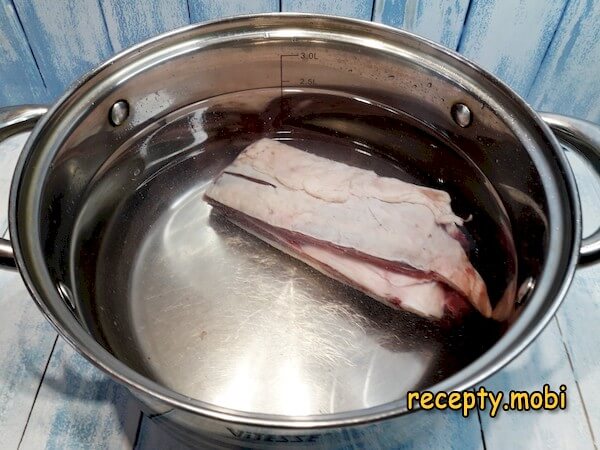
I wash the mutton thoroughly, then cover with cold water in a large pot and place over moderate heat. Cold-water start gives a cleaner broth than dropping meat into already-hot water.
As the pot approaches a boil, grey foam rises to the surface — I skim continuously with a spoon or slotted skimmer. Once boiling, I reduce heat to minimum so the broth stays clear and light. Lid slightly ajar — some evaporation concentrates the broth's flavour.
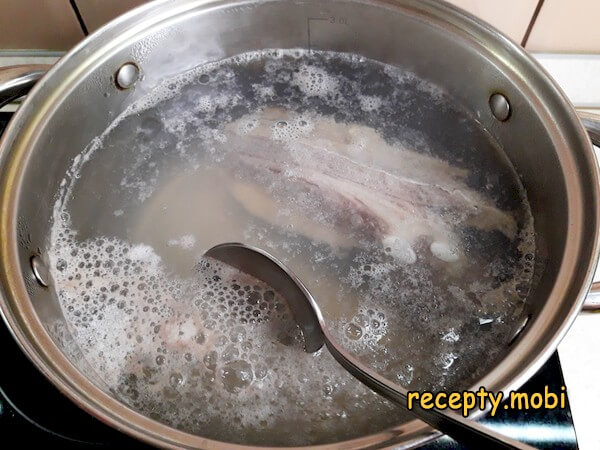
After 50 minutes of gentle simmering, I add the whole onion (peeled) and the whole carrot to the broth.
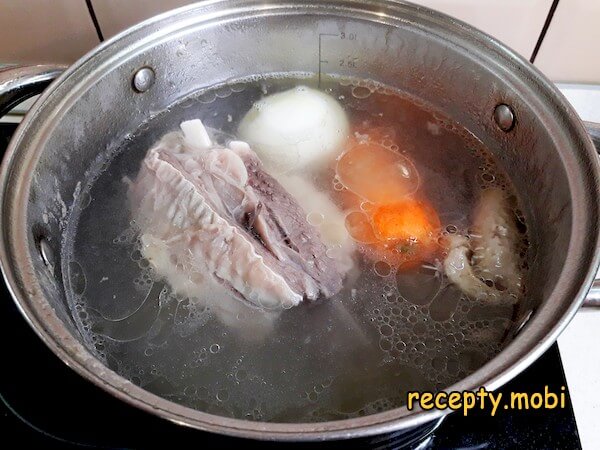
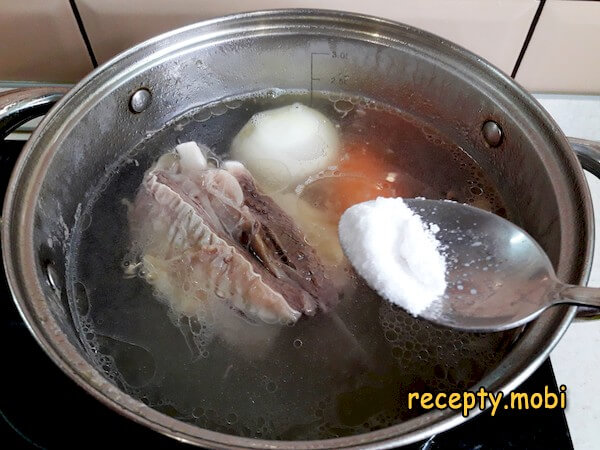
I salt the soup to taste and continue cooking 20 minutes until the carrot is soft.
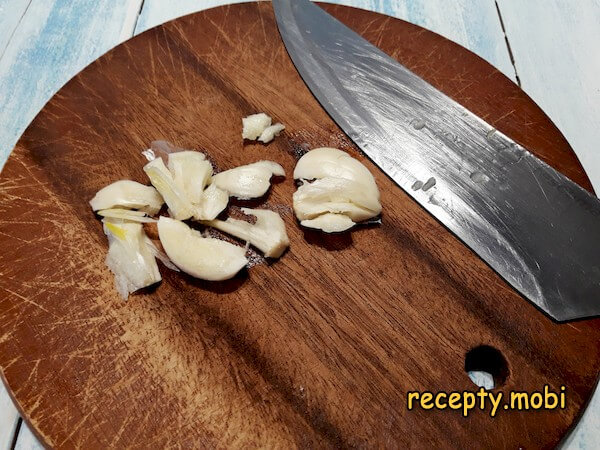
Meanwhile, I crush the garlic with the side of a knife on a cutting board — crushing (rather than chopping) releases more allicin while keeping the cloves intact for easy fishing out later if desired.
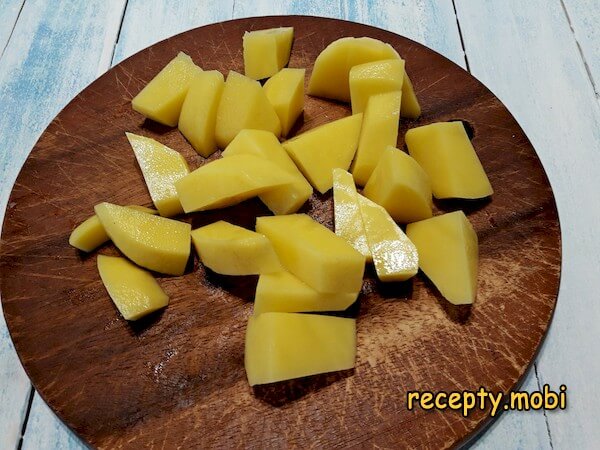
I cube the potatoes into medium pieces.
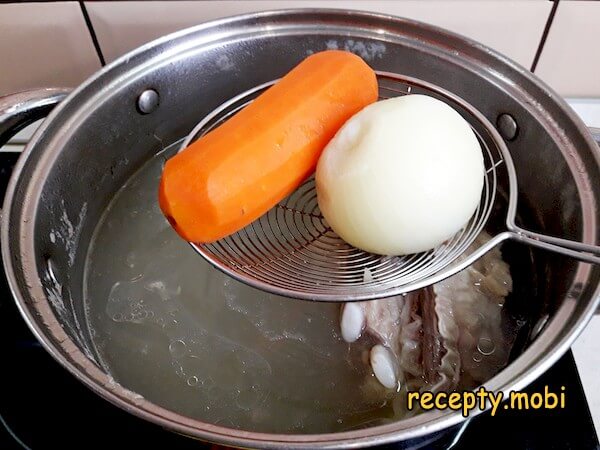
I remove the cooked carrot and onion from the broth. The carrot is sliced and reserved for serving (it's tender and flavourful); the onion gets discarded (it's done its flavouring job).
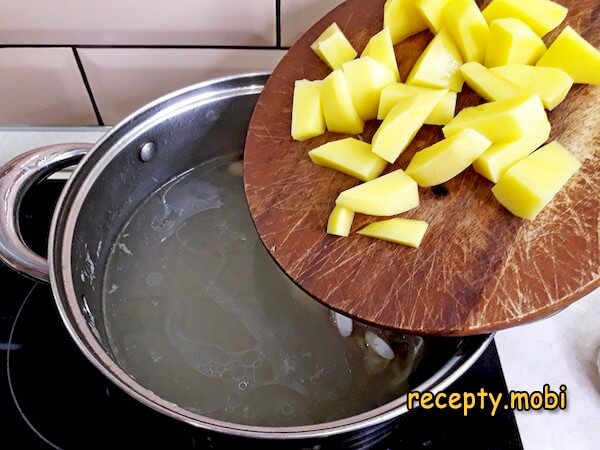
I add the cubed potatoes to the broth.
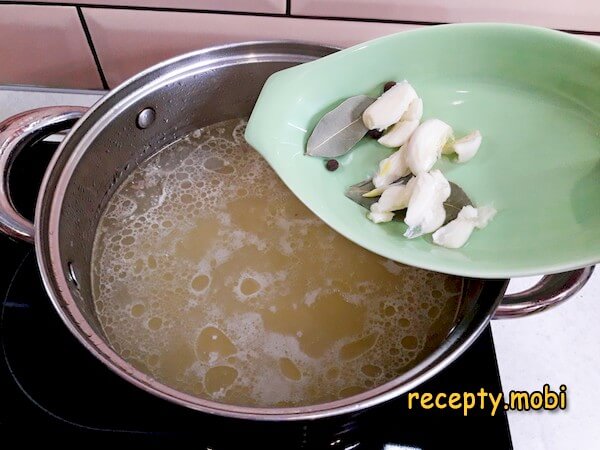
Garlic, bay leaf, and peppercorns go in immediately after the potatoes — late aromatic addition keeps the flavours bright rather than dulled by extended cooking.
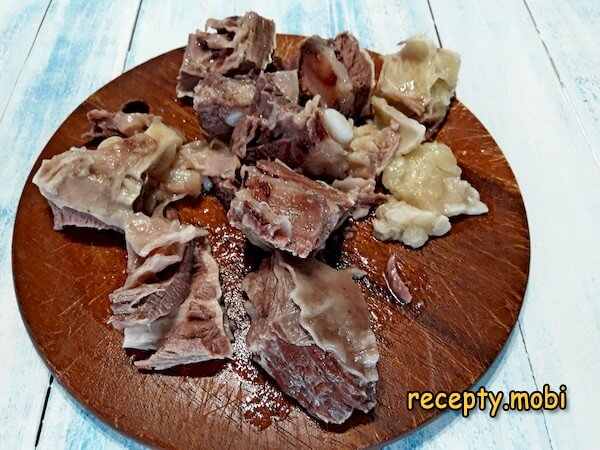
I remove the mutton from the pot, separate the meat from the bones, and cut the meat into medium pieces.
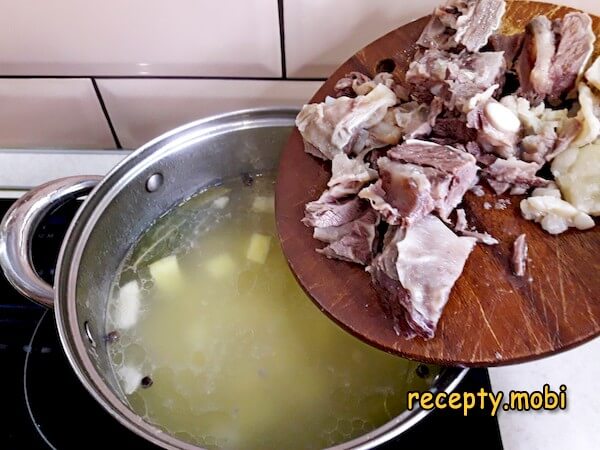
Once the potatoes are soft, I return the cut meat to the pot, simmer 3-4 more minutes, then turn off the heat and let the soup rest covered for 2 minutes — this rest lets the flavours integrate fully.To serve, I ladle bukhler into deep bowls with a few slices of the reserved cooked carrot and a sprinkle of fresh cilantro or parsley. Despite the simple ingredient list, the slow-extracted broth gives a remarkably restorative quality — Buryat tradition isn't wrong about its warming and morning-after virtues. Slightly sweet from the slow extraction, deeply meaty, and clean.


Tips
- 1
SKIM THE FOAM RELIGIOUSLY. The grey foam rising during the first boil contains coagulated proteins and impurities — leaving them in gives a cloudy, less pure broth. Skim every minute during the foam phase (first 10-15 minutes) until no new foam forms. The continuous skimming is the difference between restaurant-quality clear broth and home-cook murky broth.
- 2
THE SLOW SIMMER IS NON-NEGOTIABLE. Bukhler's depth comes from extended low-heat extraction. Boiling at full heat ruins the broth — it goes cloudy, loses flavour, and the meat toughens. Keep heat at the lowest setting that maintains gentle bubbling. The 50-minute initial simmer can extend to 90 minutes for richer broth without harm. For another related Caucasian/Central Asian meat soup, see Dushbara in Azerbaijani Style.
- 3
WHOLE VEGETABLES, NOT CHOPPED. Adding the onion and carrot whole (or in large chunks) gives flavour extraction without making the broth cloudy. Chopped vegetables release too much starch and pulp, dulling the broth's clarity. The onion is removed and discarded after flavouring; the carrot is sliced and used as garnish — both contribute to the final dish in different ways.
- 4
THE TRADITIONAL HANGOVER REMEDY. Buryat tradition specifically prescribes bukhler for hangovers, and there's actual nutritional science behind it: the rich electrolytes from the meat-based broth, the steady carbohydrates from potato, and the fluid replenishment together address the major hangover symptoms. Make a batch ahead for next-morning relief. For another light healing soup tradition worth comparing, try Makhshurda in Uzbek Style.
FAQ
Can I substitute the mutton with beef or chicken? +
The bone-in mutton is the recipe's defining ingredient — its slightly gamey, deeply savoury flavour is what gives bukhler its character. Substitutions work but yield different (less authentic) soups. Beef on the bone (oxtail, short ribs) gives a heartier, more familiar Russian-style soup. Chicken is too mild for the slow-extraction approach. If using beef, extend the initial simmer to 90 minutes; if using chicken, drop to 30 minutes (chicken overcooks at the timing here).
Why is my broth cloudy? +
Two usual causes. First, you didn't skim the foam during the first boil — the proteins stayed in the broth and clouded it. Restart with cold water and skim aggressively next time. Second, the heat was too high during the simmer — boiling water agitates the broth and breaks up suspended particles, clouding the result. Drop heat to lowest setting that maintains gentle bubbles. Cloudy broth is still tasty; just less visually traditional.
Can I make bukhler in a slow cooker? +
Excellent for slow cooker. Combine mutton, water, salt, pepper, bay in the slow cooker and cook on Low for 6-8 hours or High for 3-4 hours. Add potato and garlic for the final 45 minutes. Skip the onion-and-carrot step or add them whole at the start. Skimming foam in a slow cooker is harder — the broth will be slightly cloudier than stovetop but otherwise excellent. The hands-off approach is great for overnight or weekend cooking.
How long does bukhler keep? +
Refrigerated in an airtight container, bukhler keeps 4 days and the flavour deepens overnight. The fat solidifies on top in the fridge — skim before reheating for a leaner version, or leave for richer flavour. Freezer storage: 3 months in airtight containers; thaw overnight in the fridge before reheating gently. The potatoes soften slightly on freezing-thawing, which is fine for soup. Don't refreeze after thawing.
- Comment
or post as a guest
Be the first to comment.