avg —
Cheese Flatbreads from Yeast Dough

Instructions
Begin by melting the butter gently in a small saucepan or microwave; let it cool to lukewarm temperature. In a deep mixing bowl, combine the warm milk and warm water with the crumbled yeast and sugar. Stir everything together until the yeast and sugar dissolve completely. Let the mixture rest undisturbed for several minutes to activate the yeast and produce the foamy starter that lifts the dough.

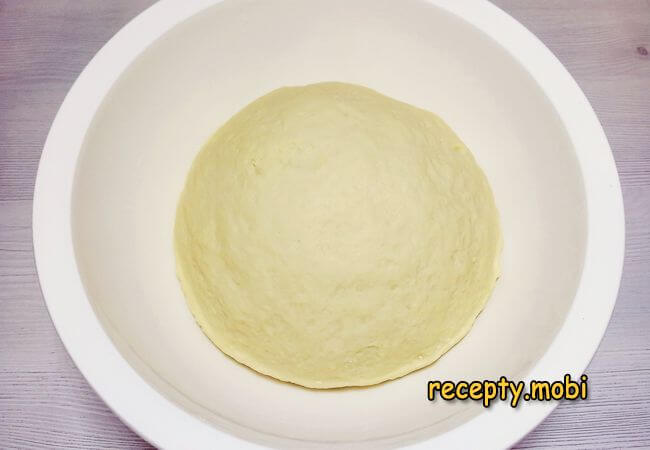
The moment the surface of the starter develops a foamy fluffy "cap", the yeast has woken up properly and the dough is ready to come together. Add the salt, the vegetable oil, and the cooled melted butter to the bowl. Mix everything together, then add the flour in two or three batches. Aim for a light elastic dough that holds its shape well but stays slightly tacky to the touch. Kneading takes about five minutes total. Place the dough in a greased container, cover it loosely, and leave it to rise on the counter for forty to fifty minutes.
While the dough rises, grate the cheese on the medium or fine side of a vegetable grater. Cold cheese straight from the refrigerator grates cleanly into fluffy strands; warm cheese gums up the grater holes and produces sticky paste rather than the proper toppings the recipe needs.
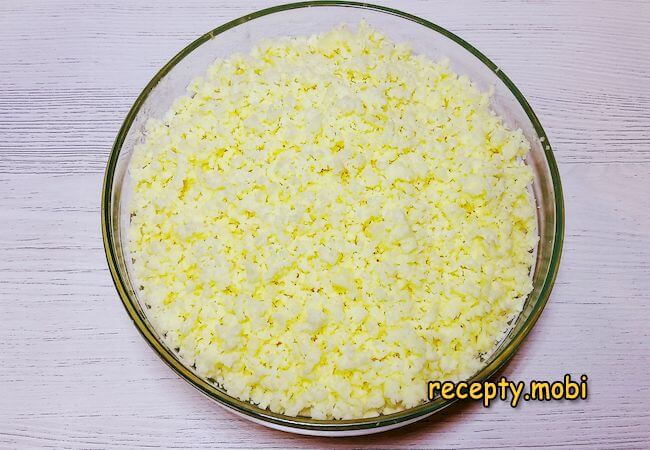
Press the risen dough down gently to release the trapped air and divide it into eight equal portions on a lightly floured work surface. Equal portions ensure all the flatbreads come out the same size and bake at the same rate, producing a uniform batch with consistent texture and color.

Roll each portion between your palms into a smooth round ball. Smooth balls produce neater finished flatbreads than rough lumpy starting shapes; spend a few extra seconds rolling each one for the cleanest result on the baking tray.
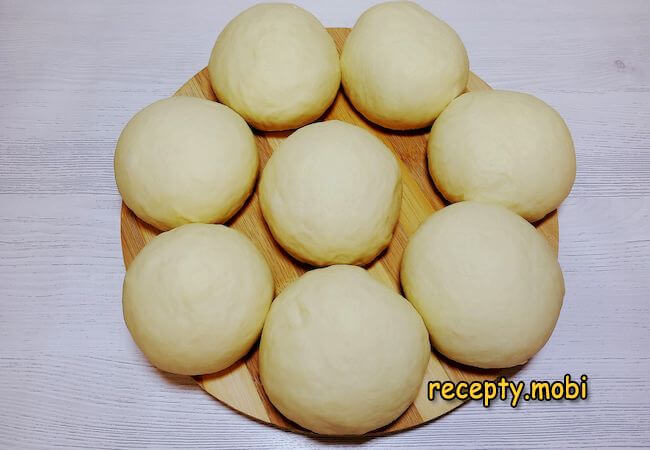
Cover the rolled balls with cling film or a clean kitchen towel and let them rest for ten more minutes to relax the gluten. Line two baking sheets with parchment paper. Use a rolling pin to flatten each rested ball into a thin round flatbread about half a centimetre thick. Move the rolled flatbreads onto the prepared baking sheets, leaving space between for the rise during baking.
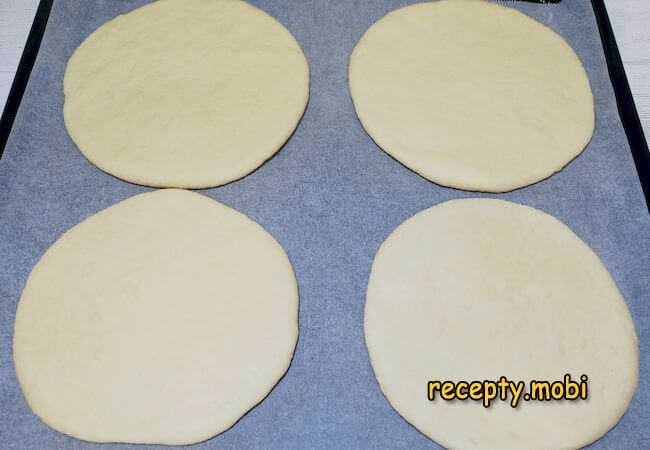
After ten minutes of resting on the trays, brush the surface of each flatbread with the beaten egg using a pastry brush. The egg wash gives the finished surface its golden glossy color and helps the cheese topping adhere securely. Distribute the grated cheese evenly across the top of each flatbread, sprinkling extra sesame seeds if you enjoy them for additional crunch and visual interest.
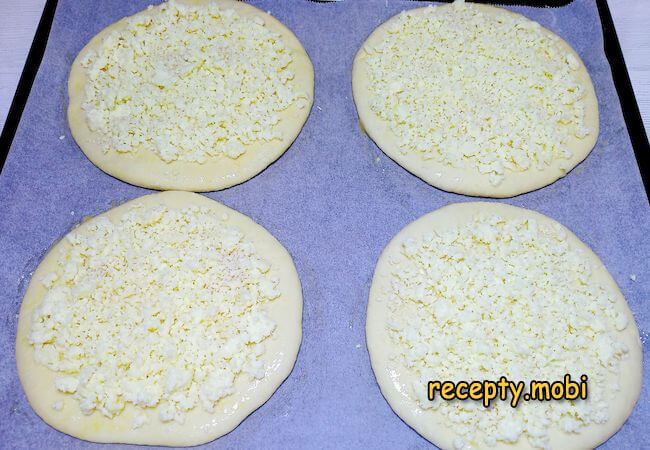
Preheat the oven to two hundred degrees Celsius. Slide both baking trays into the hot oven and bake the cheese flatbreads for no more than twenty-five minutes, watching for the deep golden cheese top and the lightly browned flatbread base. The moment the flatbreads come out of the oven, brush each one generously with the remaining melted butter for the signature glossy finish.

Serve the warm cheese flatbreads from yeast dough as a complete dish for a substantial family breakfast, or use them as a delicious accompaniment to borscht, soups, or vegetable salads. The flatbreads taste best straight from the oven while the cheese is still soft and stretchy and the butter glaze still glistens. Bon appetit alongside good company at the breakfast table.



Tips
- 1
Test the milk and water temperature against your wrist before adding the yeast. The combined liquid should feel comfortably warm (like a baby's bottle), never hot. Too cold and the yeast stays dormant and the dough never rises properly; too hot and the yeast cells die instantly and produce a flat dense flatbread instead of the airy version this recipe promises. The wrist test is more reliable than guessing by sight or touch alone.
- 2
Use the highest-quality butter you can find for the finishing brush. Premium butter with at least eighty-two percent fat content delivers the rich glossy finish that makes these flatbreads truly memorable. Cheap butter often contains excess water that can leave the surface slightly streaky rather than uniformly glossy. Pair the warm flatbreads with the comforting bowl of fish soup from canned sardines for a complete weekday lunch.
- 3
Choose a flavorful cheese that melts well rather than a mild young cheese. Russian cheese, Gouda, Edam, mature cheddar, or a young Gruyère all work beautifully and produce the bubbly golden crust that defines this flatbread. Avoid hard aged Parmesan or pecorino, which barely melt and produce a dry crusty topping rather than the creamy stretchy crown the recipe needs. The cheese is the dominant flavor element, so quality matters more than quantity.
- 4
Bake on the middle rack of the oven for the most even color development. The lower rack risks burning the bottom before the cheese melts properly; the upper rack browns the cheese top before the dough finishes baking through. The middle position balances both extremes and produces the ideal golden-brown bottom and bubbly cheese top in the same twenty-five-minute window. Pair the warm flatbread with the hearty butter-rich classic baking technique for any future bread project.
FAQ
Can I substitute the cheese with another variety? +
Yes, several cheeses work beautifully as substitutes. Mozzarella creates the stretchiest melted topping and produces a pizza-like character. Feta combined with grated mozzarella adds tangy depth to the topping. A blend of two or three cheeses (cheddar plus Gouda plus a little Parmesan) creates the most complex flavor profile. For a smoky version, try smoked Gouda or smoked mozzarella. Vegan cheese works for plant-based diets, though the melt and texture differ slightly from dairy cheese. Whichever cheese you choose, grate it fresh from a cold block for the best texture.
How long do the cheese flatbreads keep after baking? +
The flatbreads taste best straight from the oven while the cheese is still soft and the butter glaze still glistens. Cooled flatbreads keep well for up to two days at room temperature wrapped loosely in a clean kitchen towel; longer storage causes the bread to dry out and lose its tender texture. To refresh leftover flatbreads, warm them briefly in a low oven at one hundred and fifty degrees for five minutes before serving. The flatbreads also freeze successfully for up to one month wrapped tightly in foil; thaw and reheat in the oven for the closest to fresh-baked texture.
Can I make these flatbreads with a different flour? +
Yes, several flour alternatives work well in this recipe. Whole wheat flour produces a heartier nuttier version; replace half the white flour with whole wheat for a balanced result, or all of it for the most rustic flatbread. Spelt flour gives a similar wholesome character with a slightly sweeter note. For a gluten-free version, use a quality gluten-free flour blend that includes xanthan gum; without the gum, the flatbreads crumble apart easily. Adjust the liquid quantity by a tablespoon or two depending on the flour absorption, since different flours hold different amounts of water during kneading.
What can I serve alongside these cheese flatbreads? +
The flatbreads pair beautifully with several classic dishes. Hot soup is the most traditional accompaniment; borscht, mushroom soup, or any clear broth all work wonderfully. Fresh tomato salad with cucumber, basil, and olive oil provides bright contrast to the rich cheese topping. Cured meats and pickled vegetables on a charcuterie board create a more elaborate presentation. For breakfast, serve alongside scrambled eggs, sliced ham, and fresh fruit. For drinks, hot tea or coffee work in the morning; dry white wine or a crisp lager pair beautifully at lunch and dinner gatherings.
- Comment
or post as a guest
Be the first to comment.