avg —
Dough for Chebureki with Vodka

Instructions
I prepare the ingredients. Any 40-degree alcohol can substitute the vodka — the alcohol content is what creates the steam-puff effect, not the flavour. The flour gets sifted twice: once before starting (aerates it) and once during kneading (catches any surviving lumps).
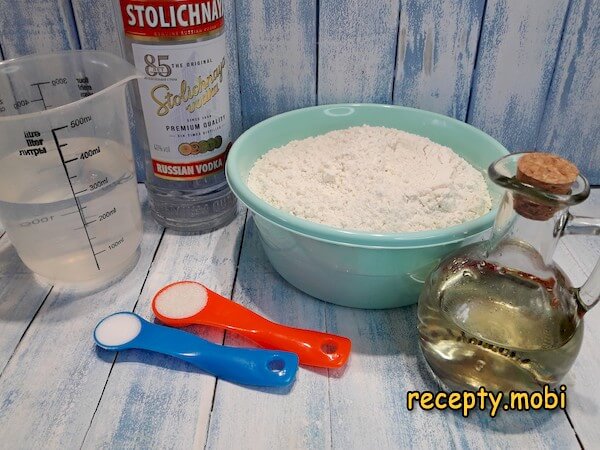
I heat the water to nearly boiling (80-90 °C) and dissolve the salt and sugar in it. Hot-water dough kneads softer and stays more elastic — cold-water dough cracks and tears.
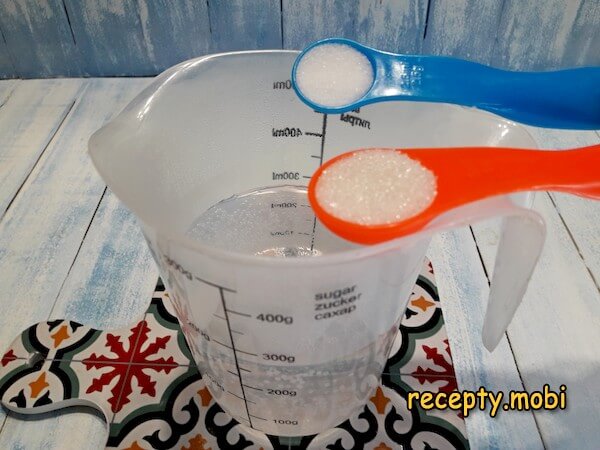
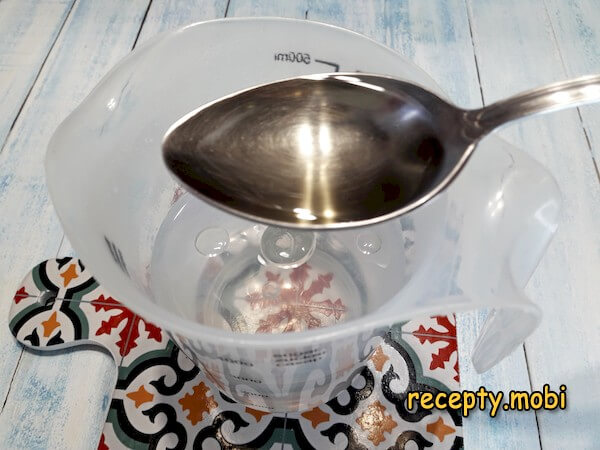
I add the vegetable oil to the hot water-salt-sugar solution. The oil contributes to the dough's tenderness and helps prevent it from drying out during the rest period.
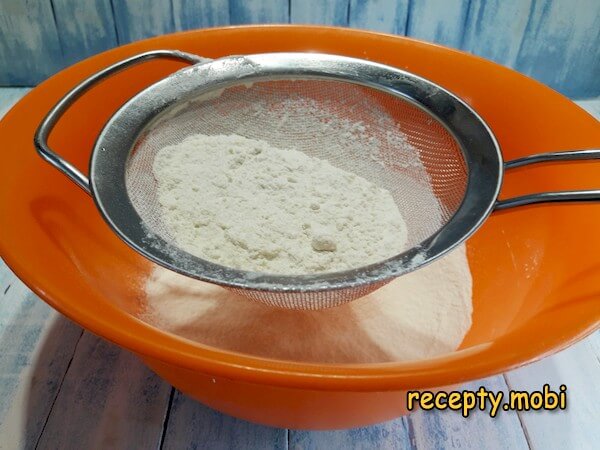
I sift the first 200 g of flour into a deep mixing bowl.
I make a well in the centre of the flour and pour in the hot water solution.
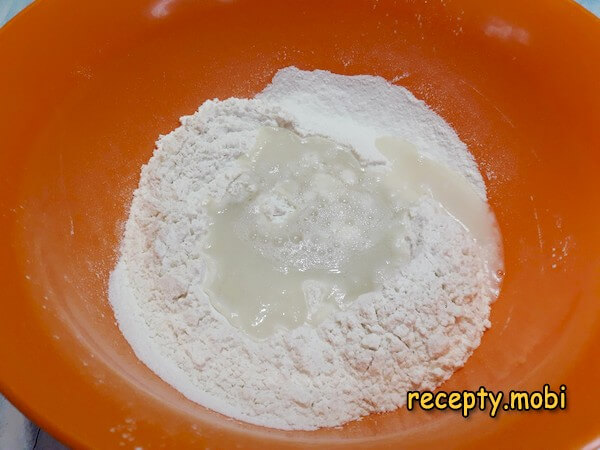
The mixture is too hot to handle, so I stir with a spoon initially. The result will be a thick, lumpy mass — that's correct at this stage; the second flour addition will smooth it out.
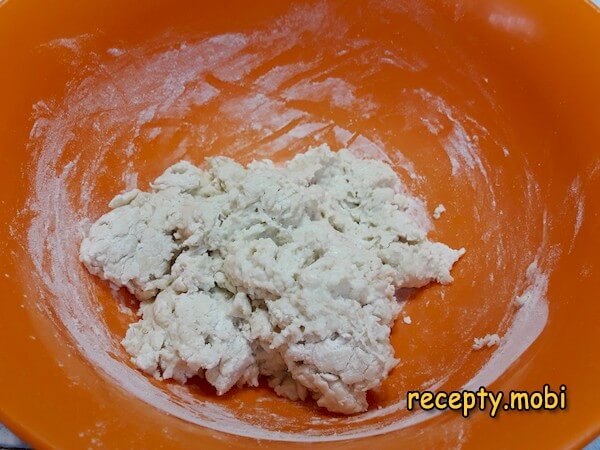
I add the vodka to the lumpy mixture. Adding it now (not at the start) means the alcohol stays in the dough rather than evaporating during the hot-water kneading.
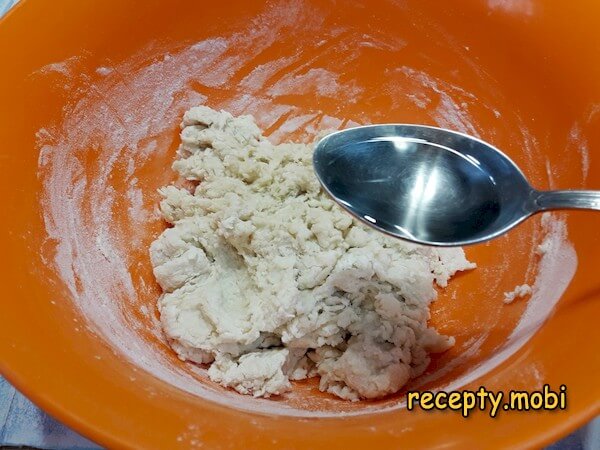
I sift the remaining 300 g of flour into the bowl.
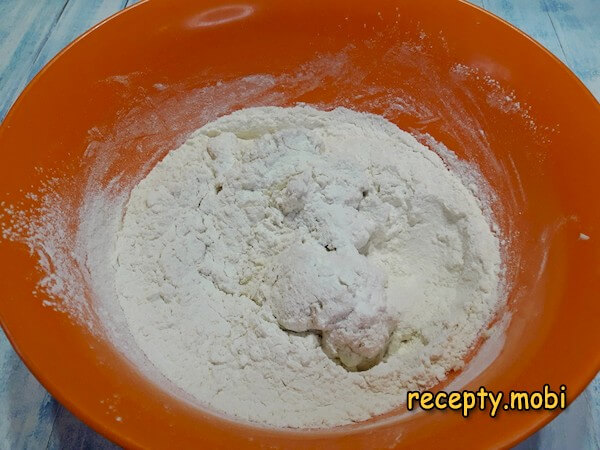
I knead the dough by hand for 3-4 minutes. By now the dough has cooled enough to touch and is wonderfully warm, pliable, and elastic. I form it into a ball.
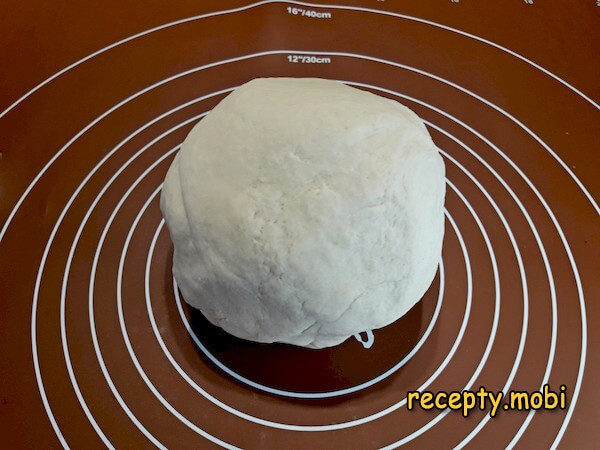
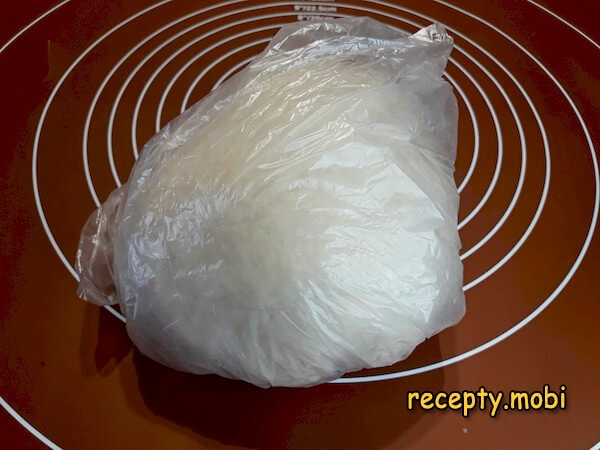
I place the dough ball in a plastic bag (or wrap in cling film) and let it rest on the counter for 30 minutes. The rest is essential — gluten relaxes, vodka distributes, dough becomes maximally workable.
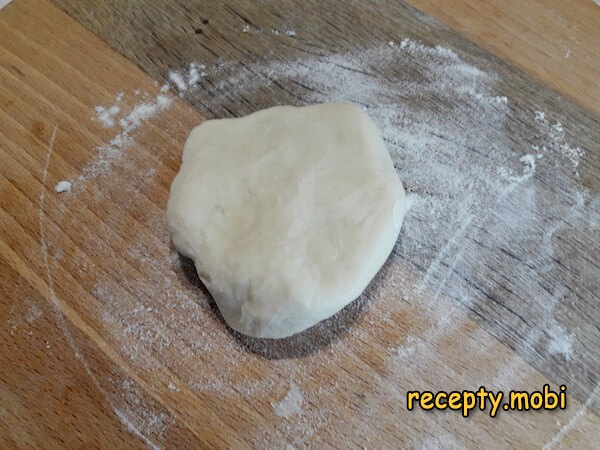
After 30 minutes, I pinch off a walnut-sized piece, flatten it with my hand, and place on a lightly floured surface.
I roll out the dough into a circle about 20 cm in diameter.
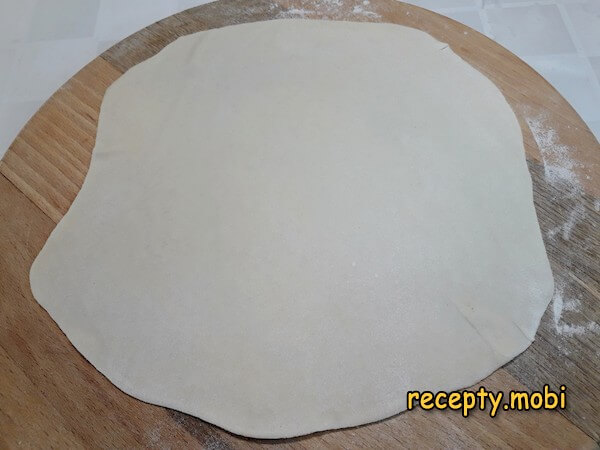
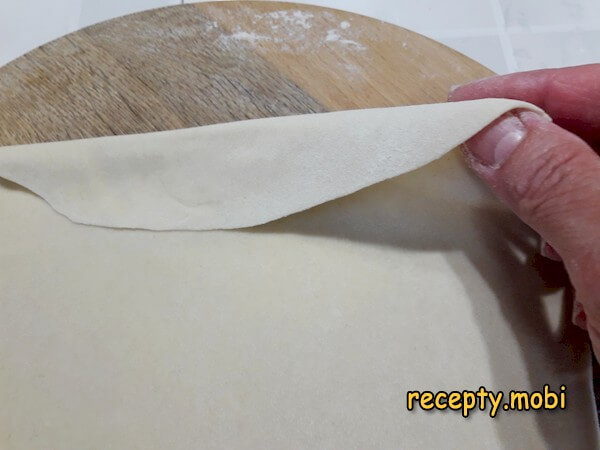
The circle should be very thin — 1-1.5 mm. Thin dough = bubbly chebureki; thick dough = bready ones that won't puff properly.
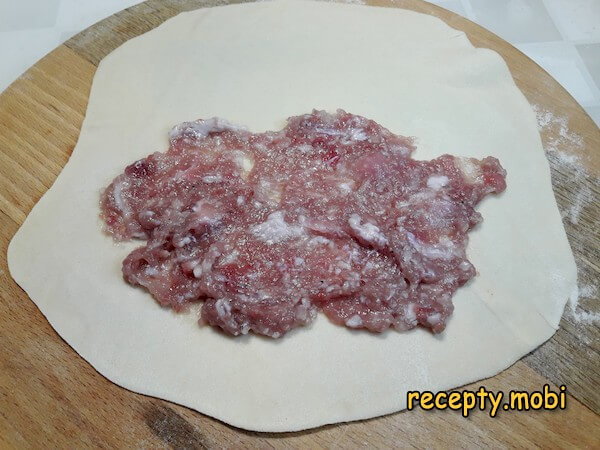
On one half of the circle, I spread a thin layer of meat filling (any minced meat — pork, beef, lamb, or mixed). The filling weight should equal the flour weight; for juicy filling, add ice water (about 20% of the meat weight).
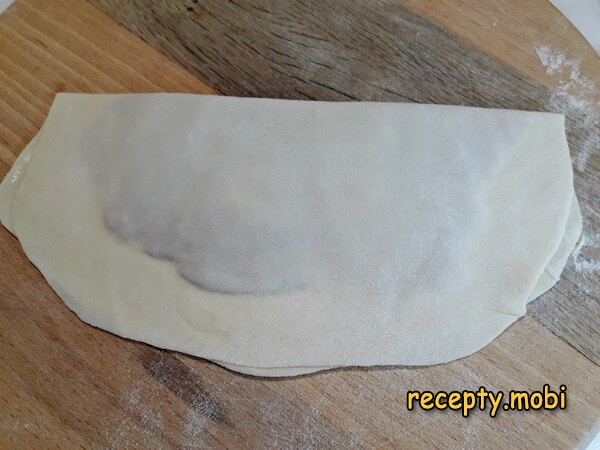
I fold the empty half of the dough over the filling. For extra reliability I lightly moisten the inner edge with water, then press the edges together with my palms, expelling air pockets.
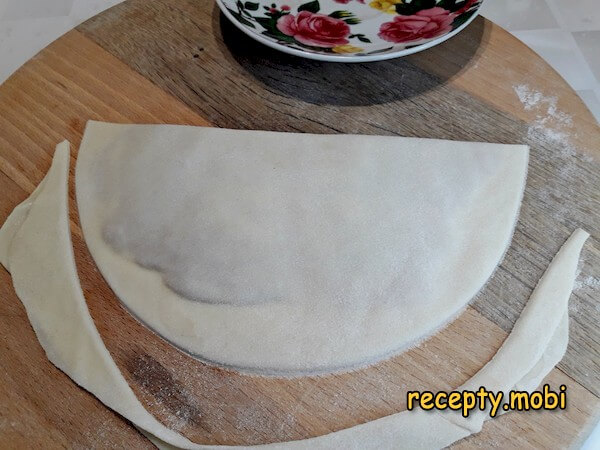
I trim the curved edge of the cheburek with the rim of a saucer or sharp knife — this seals the filling securely and gives a professional shape. The trimmed scraps go back into the dough ball for re-rolling.
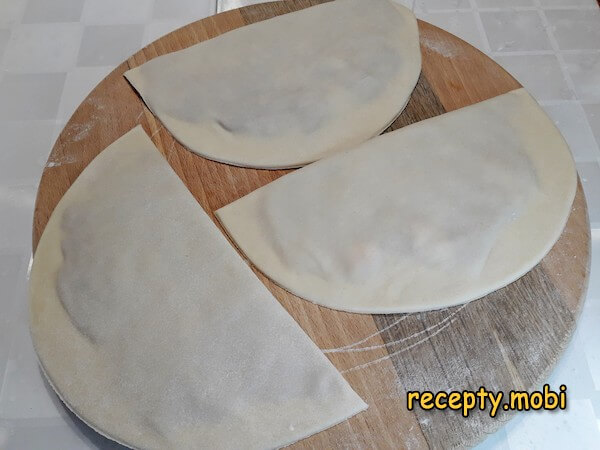
While I shape several chebureki, I heat the frying oil in a small-diameter pot or deep skillet — small diameter means less oil needed (oil should be deep enough that the cheburek floats, about 4-5 cm).
I lower a cheburek into the hot oil (180-190 °C). It floats to the surface immediately if the oil is hot enough; the dough should bubble and puff visibly within seconds. About 2 minutes on the first side at high heat.
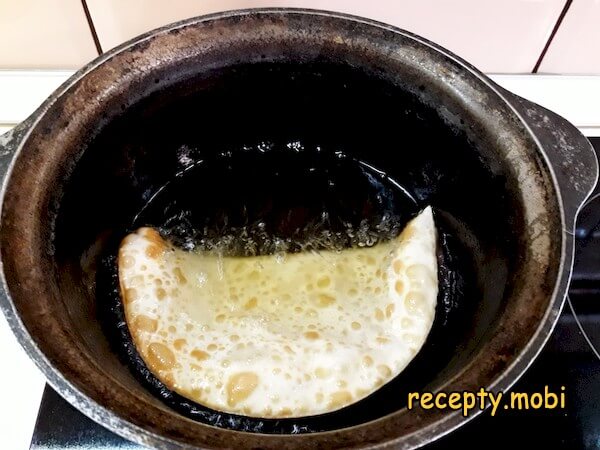
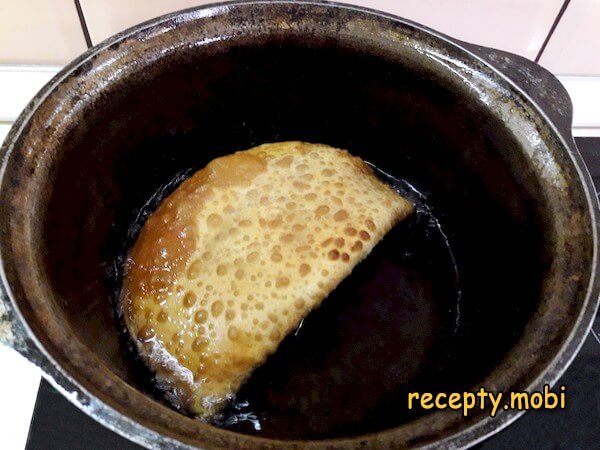
I flip the cheburek to the other side and fry another 1-2 minutes until both sides are deep golden brown.
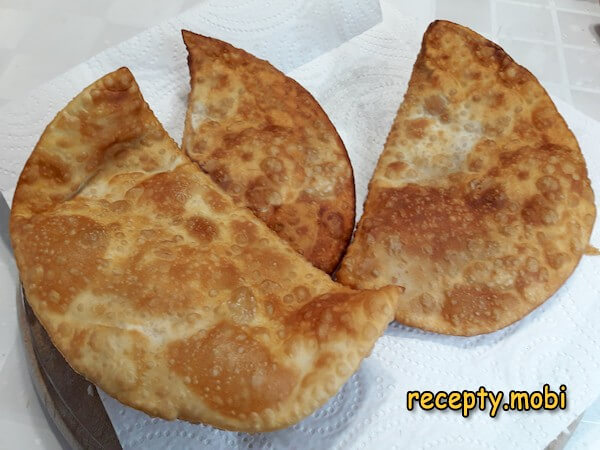
I transfer the finished chebureki to paper towels to absorb excess oil. Serve immediately while the bubbly crust is at peak crispness.The dough recipe makes more chebureki than most households eat in one sitting (about 27 pieces). Unused dough stores beautifully — wrapped in a sealed bag, it keeps in the fridge for 2-3 days. Before re-rolling, knead the dough briefly with a sprinkle of flour (it tends to be slightly damp from the rest). Then juicy, golden, blistered-crust chebureki are minutes away.


Tips
- 1
THE FOUR RULES OF GREAT CHEBUREKI. (1) Vodka added at end of kneading creates the bubbly puff. (2) Hot (80-90 °C) water gives elastic, non-tearing dough. (3) Roll thin (1-1.5 mm) — anything thicker bakes bready. (4) Fry in deep oil so the cheburek floats; sitting on the pan bottom gives soggy spots. Get all four right and you'll match Caucasian-restaurant quality.
- 2
ICE WATER IN THE FILLING IS THE JUICINESS SECRET. The filling needs to be wet enough to release juice during frying — that juice is what fills the air pocket created by the puffing dough and what makes a cheburek dramatic when bitten. Add 1/5 of the meat weight as ice water (e.g., 100 ml of ice water per 500 g mince) and mix in. The cold water also keeps the meat from getting tough as you mix. For another versatile dough recipe to compare techniques, see Lenten yeast dough for pies and pasties.
- 3
OIL TEMPERATURE — TEST WITH A DOUGH SCRAP. The right oil temperature is 180-190 °C. Without a thermometer: drop a small dough scrap into the oil. If it sinks slowly and starts bubbling at the bottom, oil is too cool (around 160 °C). If it sinks then immediately rises with vigorous bubbling, oil is right. If it rises and immediately browns within 5 seconds, oil is too hot — turn down. The first cheburek in a fresh batch is the calibration cheburek.
- 4
FILLING VARIATIONS BEYOND MEAT. Traditional cheburek filling is meat-based, but the same dough handles many fillings beautifully. Cheese-and-herb (suluguni or feta + chopped dill) is a vegetarian Caucasian classic. Potato-and-mushroom is hearty and vegan. For sweet versions, try cottage cheese with raisins (closer to Russian vatrushki than chebureki, but the dough works). For another stretchy dough application worth comparing, try Dough for Manti.
FAQ
Why doesn't my cheburek puff up? +
Three usual causes. First, the dough was rolled too thick — anything over 2 mm doesn't have enough room for the puff to develop visibly. Second, the oil was too cool — the alcohol needs sudden high heat to flash-boil into steam. Test the oil temperature with a dough scrap before committing chebureki. Third, the vodka was added too early in the kneading — most of the alcohol evaporated during mixing rather than going into the dough. The vodka must go in at the end of kneading, not at the start.
Can I make this dough without alcohol? +
Yes, with a small loss of bubbliness. Replace the vodka with 1 tbsp of cold water. The dough will still produce excellent chebureki — crispy, golden, well-shaped — just less dramatically blistered. For an alternative bubble-creating ingredient, try 1 tbsp of cold sparkling mineral water (the CO2 contributes bubbles when heated). Neither matches vodka's puff intensity, but both give acceptable results for those avoiding alcohol entirely.
How long does the dough keep? +
Refrigerated in a sealed bag, the dough keeps 2-3 days without quality loss. The dough firms up in the cold — let it return to room temperature for 30 minutes before rolling, and knead briefly with a sprinkle of flour if it feels damp from the rest. For longer storage: freeze the dough as a flat disc wrapped tightly in cling film, then in a freezer bag — it keeps 2 months frozen. Thaw overnight in the fridge before use. Frozen dough is virtually indistinguishable from fresh.
What's the right meat for cheburek filling? +
Traditional Caucasian and Crimean cheburek filling uses lamb, but pork-and-beef mince (50/50) is the most popular modern choice — pork brings juiciness, beef brings depth. Pure beef works but can be dry. Pure pork works but lacks deep flavour. Lamb is the most authentic — gives a distinctive flavour you'll recognise in restaurant chebureki. Whatever meat, fat content matters: aim for 15-20% fat (lean cuts give dry chebureki). Add finely diced raw onion (about 1/3 the meat weight) and ice water as described in Tip 2.
- Comment
or post as a guest
Be the first to comment.