avg —
Easter Easter Cakes with Cinnamon and Nuts on Dry Yeast

Instructions
Start by sifting the flour (through a sieve). It should be noted that the flour should be sifted at least twice. Now you can prepare the starter. Take 200 grams of sifted flour, pour it into a deep bowl. Now measure out 150 grams of granulated sugar. Take 1 tablespoon of this sugar. Pour this portion of sugar into the bowl that already has 200 grams of flour.
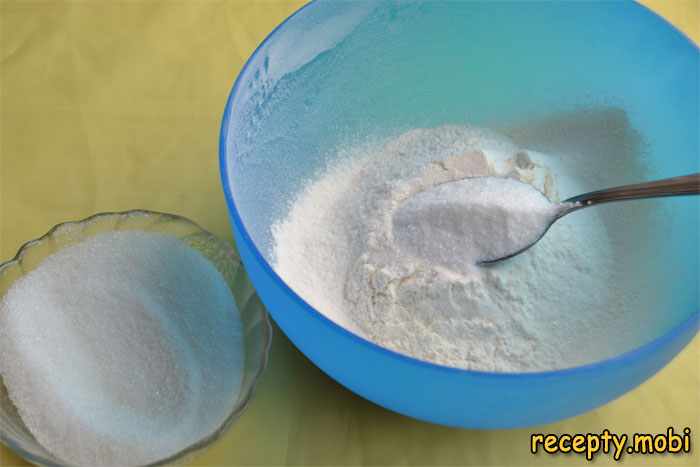
This time we will make Easter kulich with dry yeast. We have instant dry yeast, which we add to the flour. So we weigh 7 grams (this is how much yeast is needed according to the recipe) and send it to the bowl with the flour. Mix the dry ingredients thoroughly in the bowl.
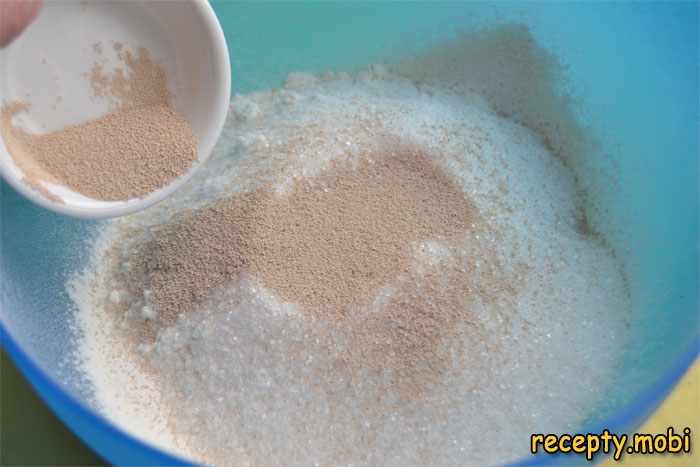
Now we add the milk here. We took condensed milk. You can use regular milk, but using condensed milk makes the kulich especially tasty. It gives them a creamy flavor. Of course, the milk must be warmed up beforehand.
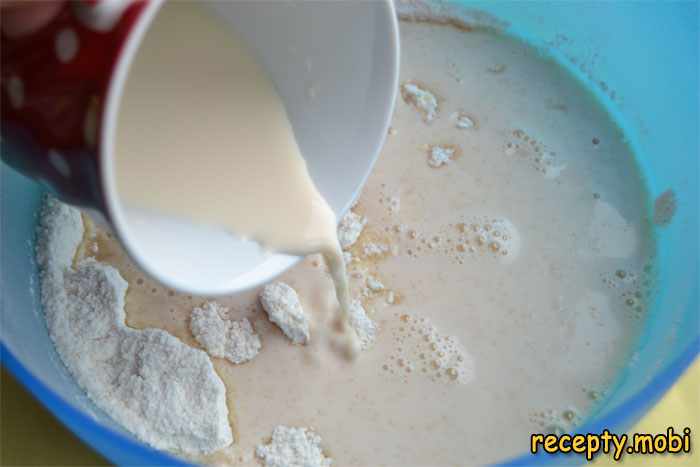
Mix the ingredients of the starter with a mixer.
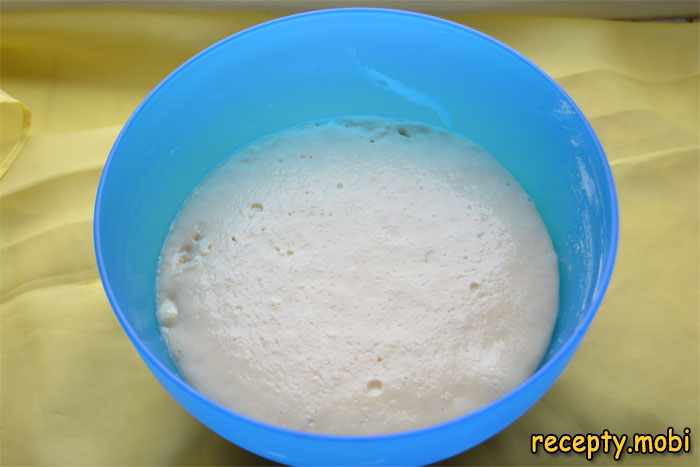
Cover the bowl with the starter with a clean kitchen towel. Find a warm spot without drafts for it. Leave the starter there for about half an hour. The yeast will activate in the warmth, raising the starter in the bowl into a frothy cap. Wash two raw chicken eggs. Break them, separating the yolks and whites into separate bowls.
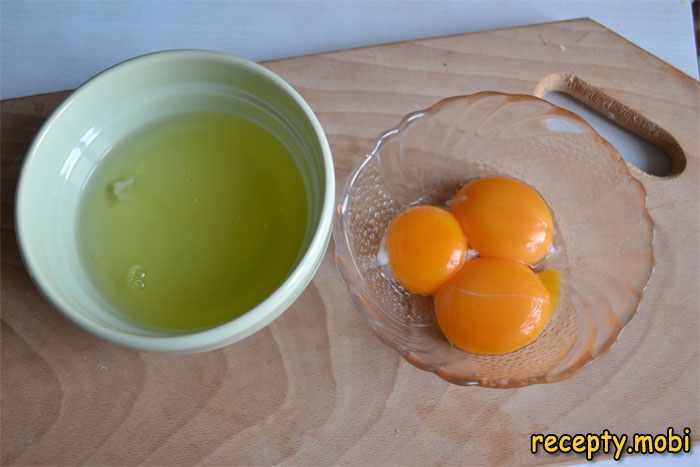
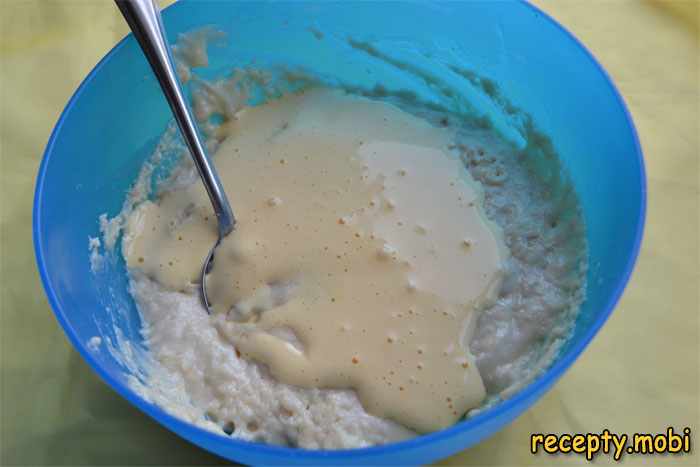
Add the remaining ingredients prepared for the Easter dough into the ready starter. Before adding the chicken eggs to the dough, beat them with a mixer. Beat the egg yolks and whites separately. Pour the remaining sugar into the egg yolks. Then, using a mixer, beat the yolks with sugar until white foam appears. Pour this foam into the starter.
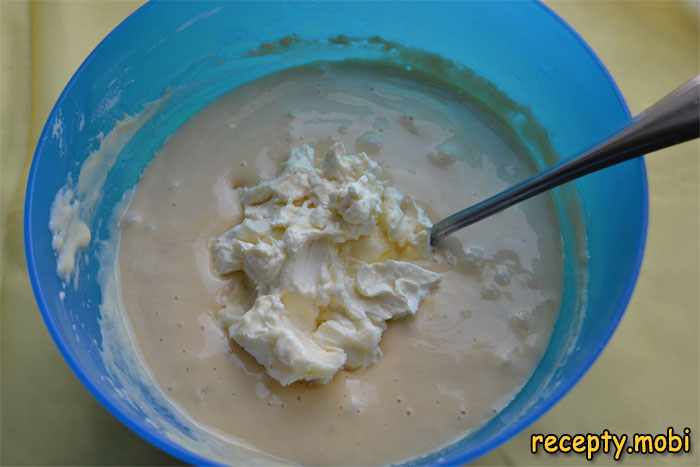
The next ingredients to add to the dough are butter and margarine. Melt them in a water bath, not allowing them to become liquid. Since we are only slightly softening the fats, they are not hot. Add the butter and margarine to the starter. Mix the fats into the starter with a mixer.
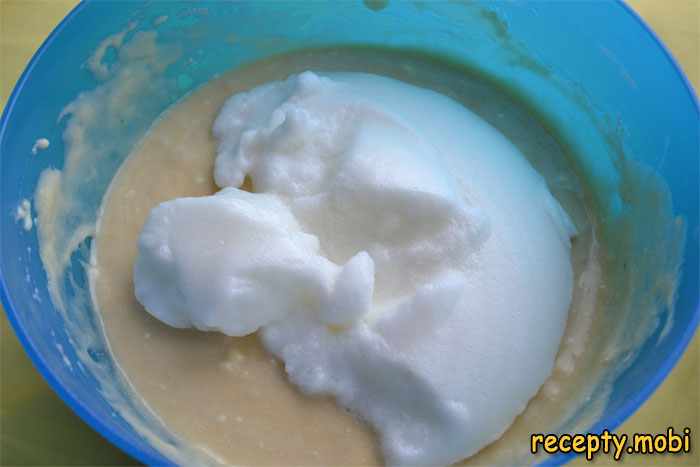
Beat the egg whites with a mixer and a pinch of salt. Add the whipped whites to the starter. Combine them with the starter, mixing with a spatula.
Gradually add the previously sifted flour. First, mix the dough with a spatula, and then start kneading the dough (by hand).
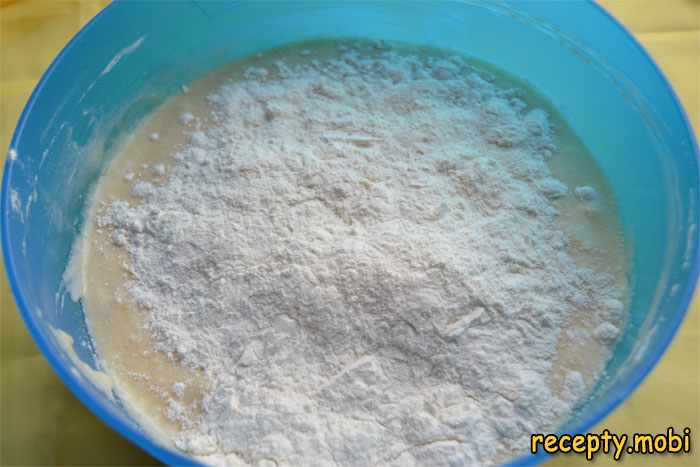
Knead the dough for a long time. At first, the sweet dough sticks to your hands. Therefore, to make it easier to knead the Easter dough, often grease your hands with sunflower oil. For this, simply pour a little oil on the back of your hand. The dough becomes sticky, fluffy, and layered. It already comes away well from the walls of the bowl and from your hands. Transfer the kneaded dough to a pot, cover it with gauze, and place it in a warm place.
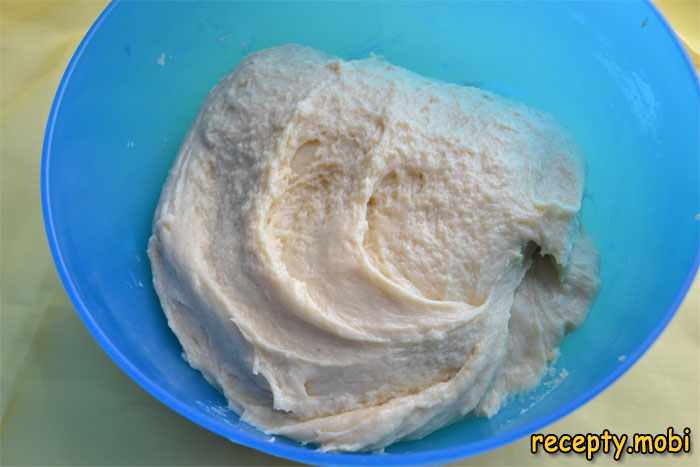
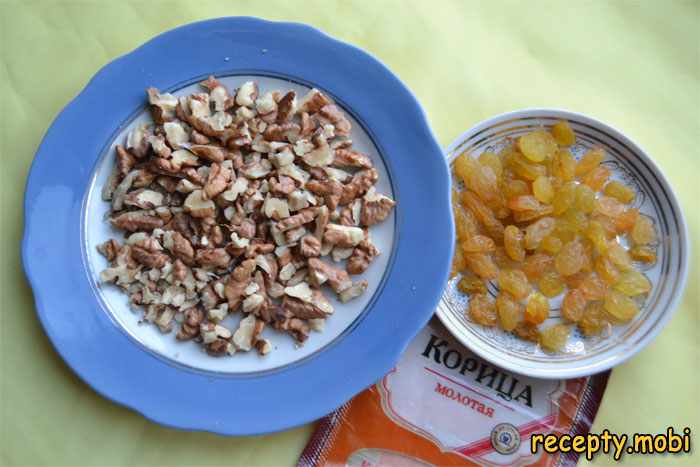
Prepare the additions to the dough. Add cinnamon, raisins, and walnut kernels to the kulich. Our raisins are light. After washing the raisins, place them on a napkin to soak up the excess moisture. Cut walnut kernels into smaller pieces.
When the dough in the pot doubles in size, punch it down. Pour in the raisins and nuts.
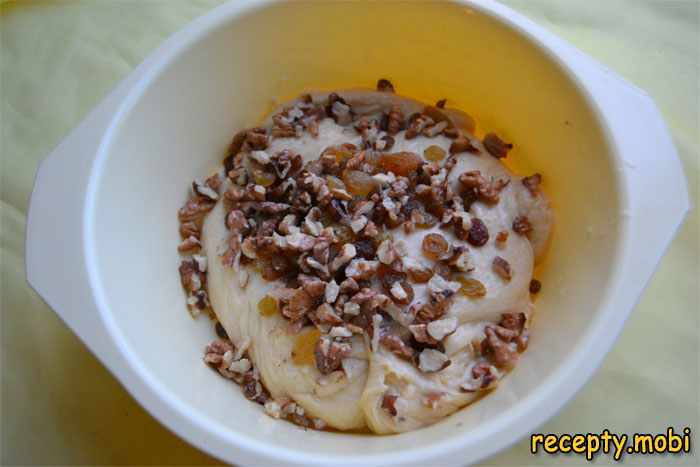
Add 1 tsp. of ground cinnamon, sprinkling it over the entire surface of the dough.
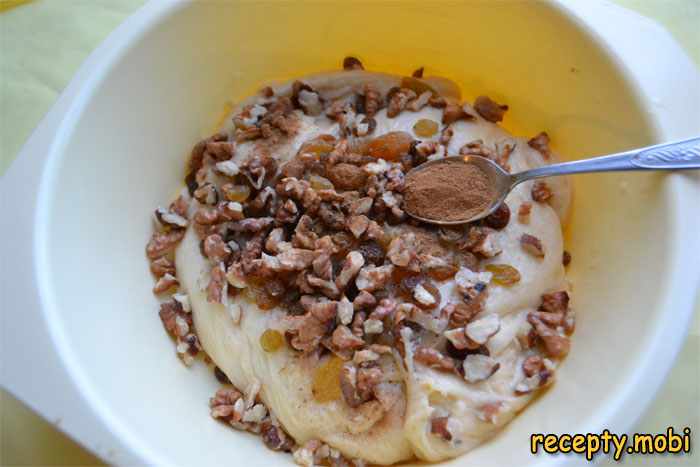
Mix the additions into the dough thoroughly. Place the pot with the dough in a warm place for a second rise. When the dough has risen, it can be distributed into molds.
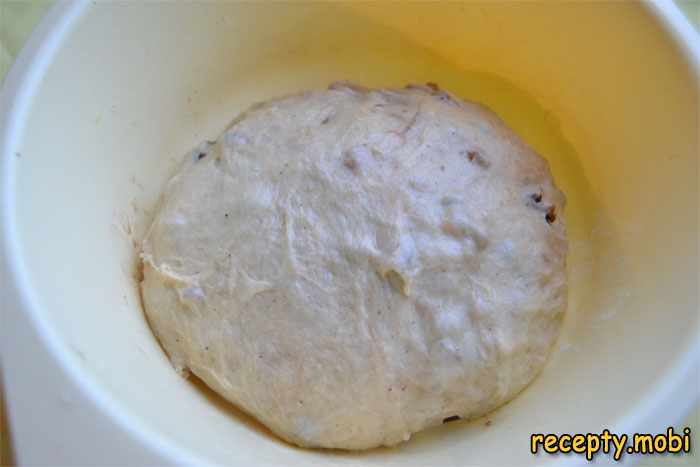
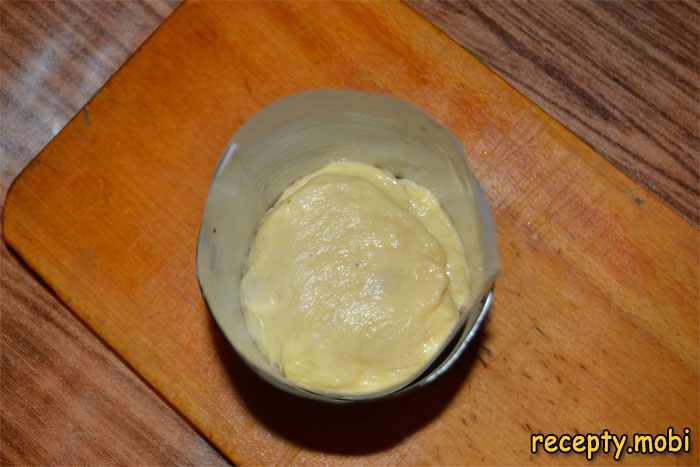
We have metal molds. We line the insides of the molds with oiled paper and fill one third of the mold with Easter dough. We place the molds near the oven for the dough to rise in them. We cover the molds with paper napkins on top. When the dough rises and levels with the edges of the molds, we put the molds in the oven, which by this time has been preheated to +180 degrees C. Small kulichs are baked in the oven for 20-25 minutes. When the tops of the kulichs turn golden, light brown, we cover the tops of the kulichs with foil. When the browned sides of the kulichs start to pull away from the mold, it's time to take them out of the oven. After taking the molds out of the oven, we carefully remove the kulichs from them. After freeing the kulichs from the paper, we place them on their sides on a towel. While the kulichs are hot, their soft and tender sides may get squished. Therefore, we turn the kulichs a few times on the towel from one side to the other.
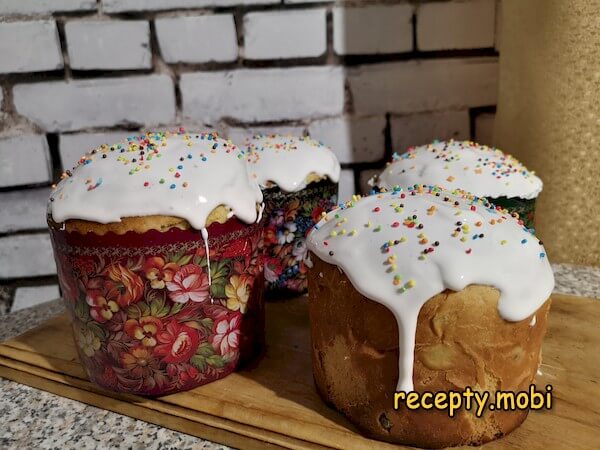
We decorate the cooled kulichs with icing made from gelatin. In our opinion, gelatin icing is the most successful icing for Easter kulichs. Since this icing is tasty, it doesn't crumble when cutting the kulichs.
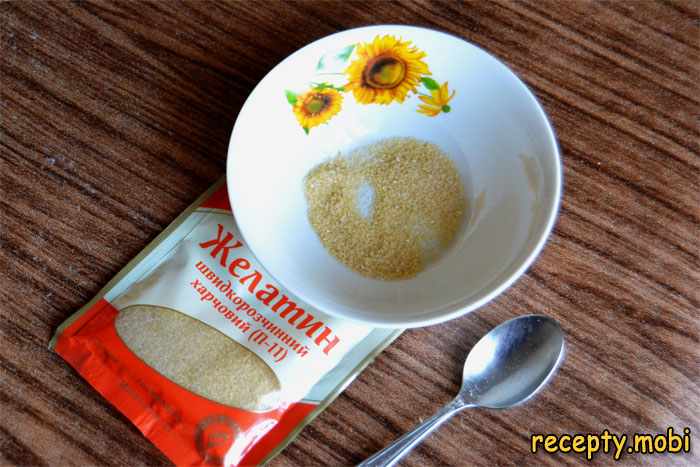
We pour a teaspoon of gelatin with two tablespoons of room temperature water. We stir and let the gelatin swell for 20 minutes.
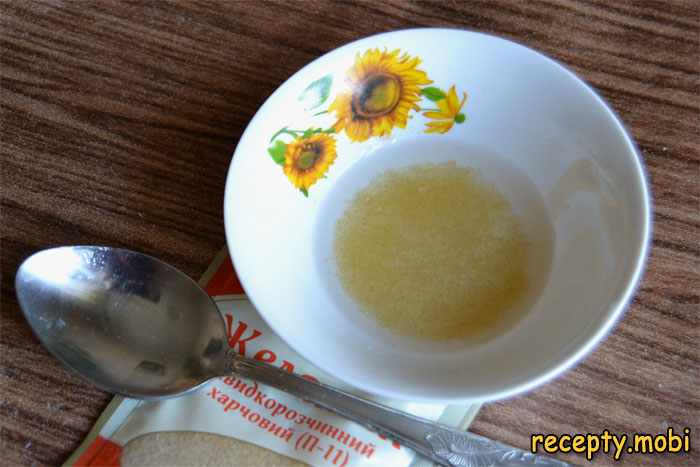
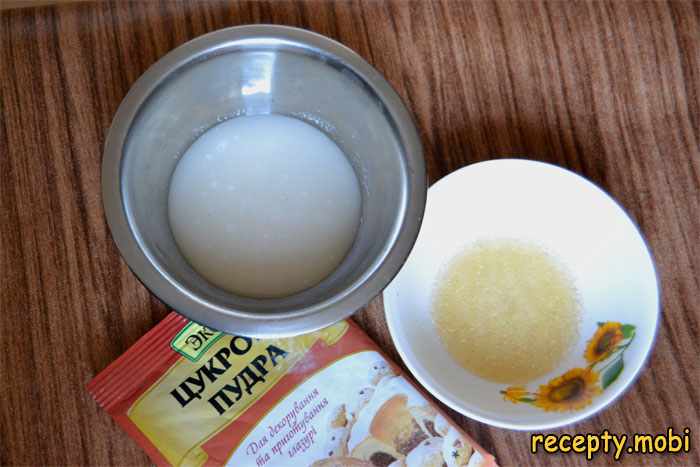
We pour powdered sugar according to the recipe into a metal bowl. We add 2 tbsp. of water to the powdered sugar and stir. Placing the bowl on the stove, we bring the icing to a boil, but do not let it boil. Next, we add the swollen gelatin to the sugar icing and stir. Now we add a pinch of grated lemon zest here.
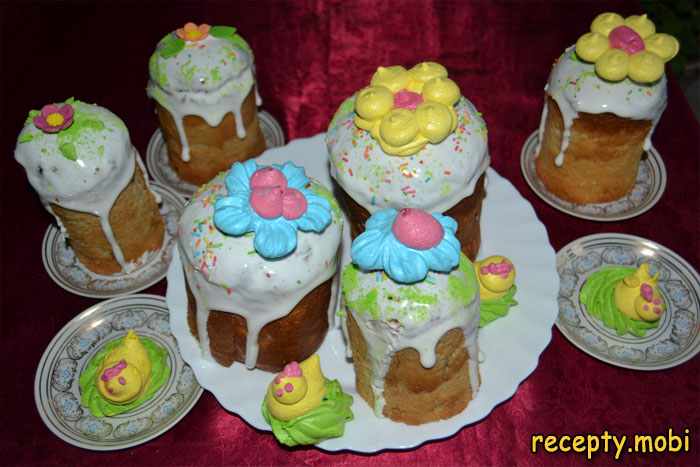
We cover the cold Easter kulichs with cinnamon and nuts made with dry yeast with this gelatin icing. To do this, we dip the top of the kulich in the icing. We gently rotate the kulich in the icing and then place the kulich on a plate. We quickly decorate the Easter kulichs with cinnamon and nuts while the icing is still soft. By the way, another advantage of gelatin icing is that it sets quickly and decorations hold very firmly on it. Wishing you a bright Easter!


Tips
- 1
Sift flour at least twice for best finished kulich texture. Unsifted flour produces dense lumpy dough; properly twice-sifted flour produces the proper signature airy fluffy character authentic to traditional Russian-Orthodox Easter cake preparations. The flour-sifting matters more than home bakers typically realize for finished kulich-quality and overall family-meal success consistently across batches reliably across various Easter occasions throughout the year for proper traditional Russian-Orthodox results consistently.
- 2
Use condensed milk for proper finished creamy character. Plain milk produces standard flavor; properly condensed milk produces the proper signature creamy rich Easter character authentic to traditional Russian-Orthodox kulich preparations. The same condensed-milk principle elevates many enriched-bread preparations including butter-enriched festive baking applications across various traditional international culinary occasions throughout the year reliably.
- 3
Use gelatin icing for proper finished decoration character. Sugar icing crumbles when sliced; properly gelatin-based icing produces the proper signature smooth non-crumbling character authentic to traditional Russian-Orthodox kulich preparations. The patient gelatin-icing principle pays back significantly in finished kulich-quality consistently across batches and various Easter celebration preparations throughout the year for proper traditional results worth showcasing reliably across various Easter occasions for proper home-baking results.
- 4
Pair the finished Easter kulich with traditional accompaniments for proper presentation. Serve cooled with hot tea, alongside cottage cheese paskha, painted eggs for substantial Easter celebration spreads, or as gift to family for elegant Russian-Orthodox presentations worth showcasing across various Easter occasions reliably. Pair with crusty homemade bread tea-time accompaniments for substantial Easter spreads throughout the year for proper traditional results worth showcasing reliably across various family-meal occasions throughout the year.
FAQ
Can I use fresh yeast? +
Yes, fresh pressed yeast works beautifully as substitute producing equally delicious results. Each option produces distinct character: instant dry yeast provides modern convenience with predictable rise, fresh pressed yeast produces traditional authentic Russian-Orthodox character with deeper flavor. Use 21g (3x amount) fresh yeast as 7g dry yeast substitute. Activate fresh yeast in warm milk first. Mix and match yeast types for endless variations across various Russian-Orthodox Easter cake traditions throughout the year for proper personalized finished results consistently across various Easter occasions reliably.
How long do these kulichs keep? +
Stored covered at room temperature, the kulichs keep for 5-7 days at peak quality. The flavors meld and improve over the first 24 hours as components marry beautifully. The gelatin icing protects the surface from drying. Wrap in clean cloth or store in airtight container for best preservation. The kulichs freeze adequately for up to 2 months — thaw at room temperature for 2-3 hours. Best consumed within 5 days for the brightest most appealing finished results across multiple Easter applications throughout the year reliably across various festive occasions.
Can I use other dried fruits? +
Yes, dried apricots, dried cranberries, candied fruits, dried figs, or dates all work beautifully as substitutes or additions to raisins. Each option produces distinct character: light raisins provide classic Russian-Orthodox Easter character, dried apricots add golden sweetness, dried cranberries add tart pops, candied fruits add festive color, dried figs add Mediterranean depth, dates add caramel richness. Mix and match dried fruits for endless variations across various Russian-Orthodox Easter cake traditions throughout the year for proper personalized finished results consistently.
Why don't my kulichs rise? +
Three usual causes: yeast not properly activated (milk too hot or cold), insufficient kneading, or not enough warm spot for rising. Address proper warm milk temperature (35-40 degrees), thorough kneading until smooth and elastic, and warm draft-free location for both rises for consistently risen results. The combination of proper temperature, patient kneading, and adequate warmth produces dramatic rise-quality reliably across various Russian-Orthodox Easter cake preparation sessions throughout the year for proper traditional results consistently.
- Comment
or post as a guest
Be the first to comment.