avg —
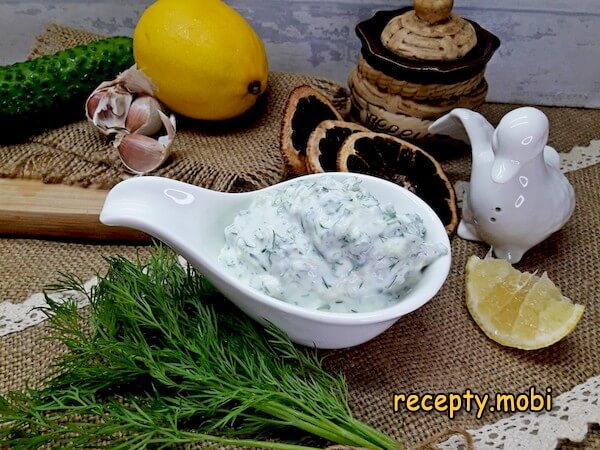
Greek Sauce Tzatziki

Instructions
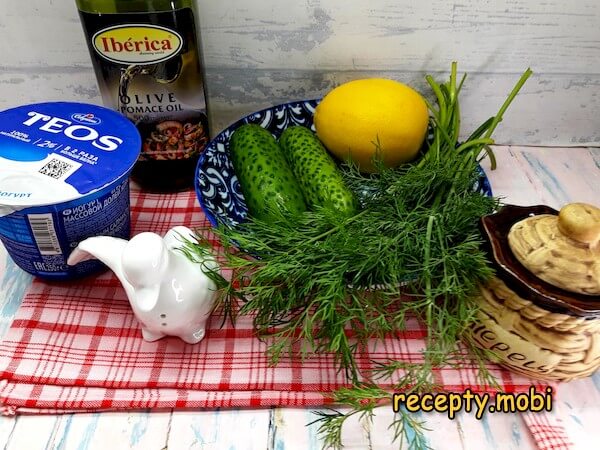
I prepare all the ingredients. Yogurt MUST be thick + free of additives — natural Greek yogurt is best fit (contains fewer additives, higher protein content, thicker consistency).
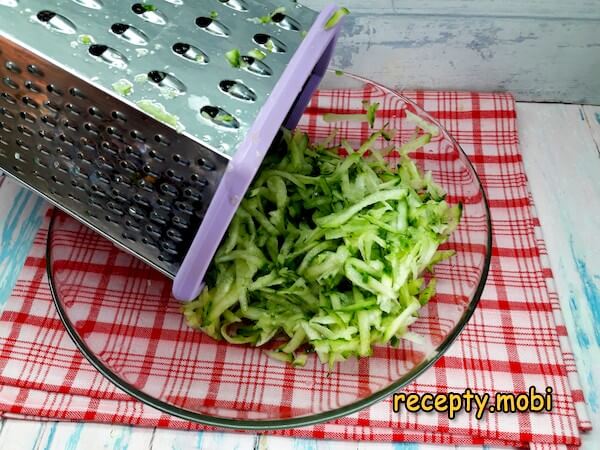
Start with cucumbers — they release excess moisture into sauce (NOT desired). PREVENT this in advance: grate cucumbers WITH SKIN ON COARSE grater.
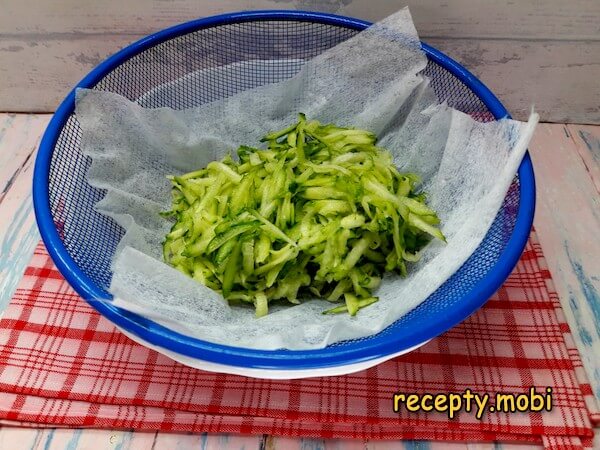
Line colander or sieve with NON-WOVEN culinary napkin. Place grated cucumber inside; ADD SALT (helps release moisture faster via osmosis).
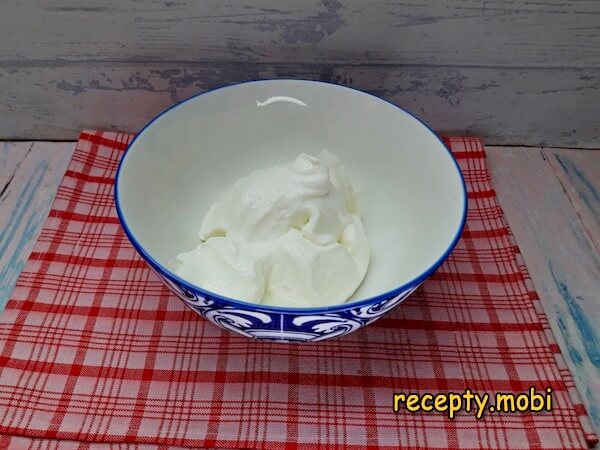
Meanwhile, work with other ingredients. Place yogurt in mixing bowl.
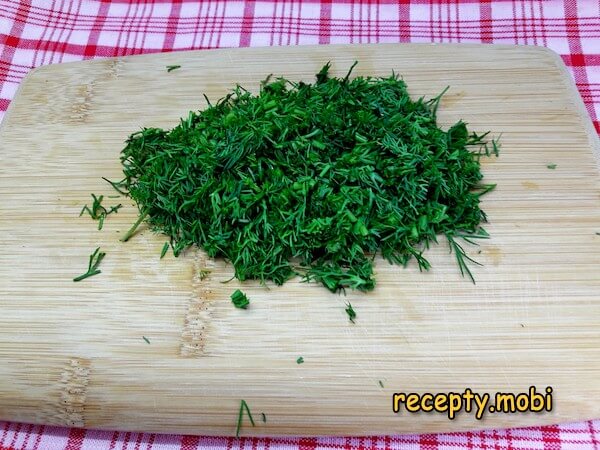
Finely chop dill (clean, dry sprigs).
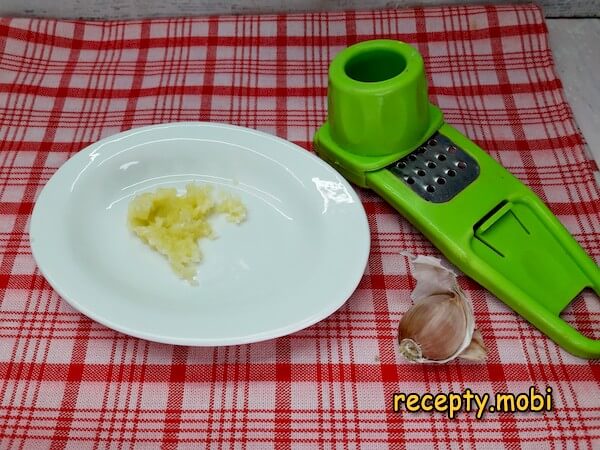
Grate garlic on FINE grater (creates uniform garlic distribution, avoids large pieces).
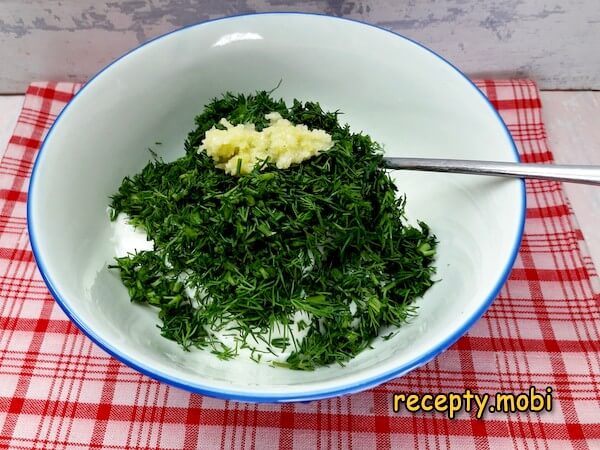
Add chopped dill + grated garlic to the yogurt.
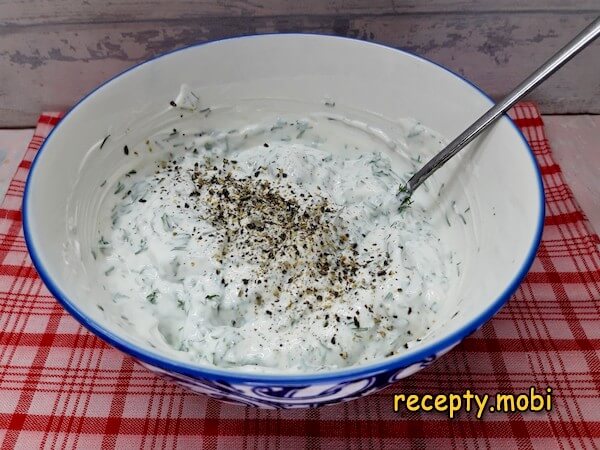
Mix everything; season with FRESHLY GROUND pepper.
Wrap napkin with grated cucumber into BUNDLE; SQUEEZE OUT all moisture (extracted cucumber-water can go to compost or used elsewhere).
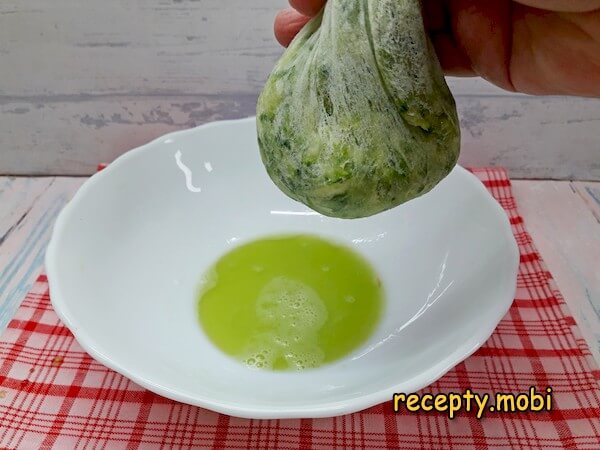
Transfer the SEMI-DRY cucumbers to the common bowl with yogurt-garlic-dill mixture; mix gently.
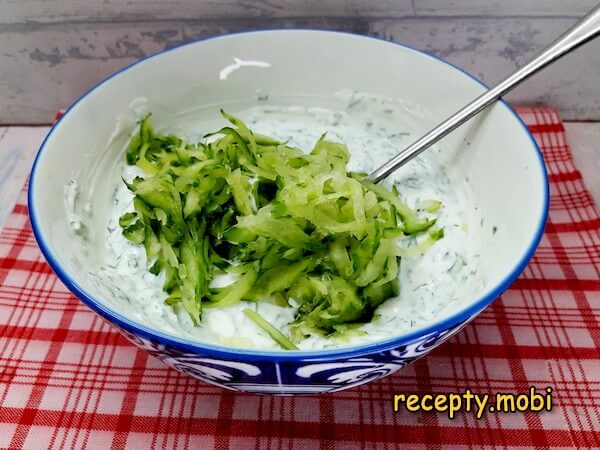
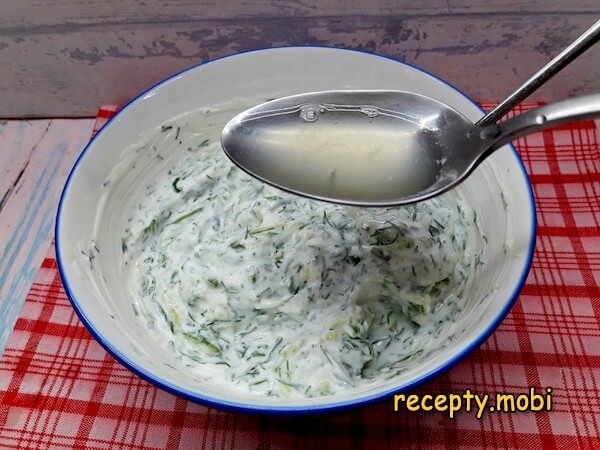
Add lemon juice. Check sauce for salt — DON'T add immediately (salt was already added to cucumbers, may be sufficient). Taste first.
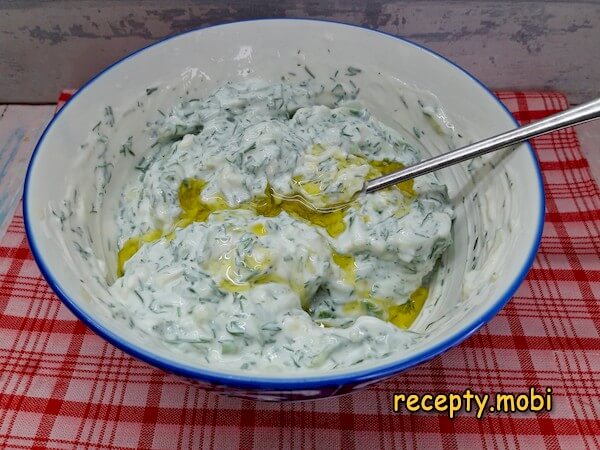
Pour in olive oil; mix everything (oil emulsifies into sauce, creates final texture).
The fragrant + thick Greek Tzatziki sauce is ready. Light citrus tang + cucumber freshness + spicy garlic hint. Perfect for: light snacks, meat dishes, fish dishes, vegetable platters, gyro/souvlaki accompaniment. Bon appétit!


Tips
- 1
THE CUCUMBER-DRAINING IS NON-NEGOTIABLE. Step 3-9's "drain cucumber moisture" sequence is THE technique that separates good Tzatziki from amateur attempts. Without draining: sauce becomes watery within 30 minutes (cucumber juice continues releasing into yogurt), texture ruined, flavor diluted. With proper draining: sauce stays THICK + RICH for 2-3 days. The salt-then-squeeze method extracts ~30% of cucumber's water content — that water IS the difference between watery vs proper sauce. Same technique used for: cucumber salads, gyro filling, raita (Indian cucumber sauce). Don't shortcut.
- 2
THE GREEK-YOGURT QUALITY MATTERS. Step 1's "thick + free of additives" specification is critical. INDUSTRIAL ADDITIVES yogurt (gelatin, modified starches, gums): produces gummy unnatural Tzatziki. PURE Greek yogurt (just milk + cultures): proper protein + texture, ferments naturally + thickens via straining. Best brands: Fage Total (Greek), Wallaby (Australian), Mountain High (American). Substitute: STRAIN regular yogurt through cheesecloth 4-6 hours (homemade Greek-style). DON'T USE: Russian-style "kefir" (too liquid), buttermilk (too liquid). The yogurt is 75% of the sauce — quality determines result. For another classic Mediterranean sauce worth comparing, see Hummus Classic.
- 3
THE GARLIC-QUANTITY DECISION. The recipe specifies 1-2 cloves — calibrate to taste. 1 CLOVE: subtle garlic background, family-friendly mild. 2 CLOVES: pronounced garlic kick, traditional Greek-tavern style. 3+ CLOVES: aggressive garlic-forward, may not appeal to garlic-shy diners. Greek tradition leans toward MORE garlic (2-3 cloves). Modern restaurant Tzatziki often uses LESS (1 clove) for broader appeal. The grated-not-pressed method matters — finely grated garlic distributes more evenly, less "concentrated bites" of strong garlic. For mellower flavor: rest sauce 1 hour before serving (raw-garlic edge softens during integration with yogurt).
- 4
THE PAIRING VERSATILITY. Tzatziki is genuinely one of the world's most versatile sauces. CLASSIC GREEK PAIRINGS: gyros (lamb wraps), souvlaki (meat skewers), grilled fish, fried zucchini, dolma (stuffed grape leaves). MODERN APPLICATIONS: BLT sandwiches (replaces mayo), grilled chicken, baked potatoes, vegetable platters, baked cauliflower steaks. SUMMER USES: refreshing dip with raw vegetables, sandwich spreads, salad dressings (thinned with lemon). PARTY APPLICATIONS: meze platters, tapas-style serving, condiment for grilling. The recipe's 330 g batch lasts 4-5 days of varied use. For another classic Mediterranean meze worth trying, try Baba Ganoush Eggplant Dip.
FAQ
Can I use sour cream instead of yogurt? +
Yes — but produces different sauce. SOUR CREAM (15-20% fat): richer, more decadent, less tangy, traditional Russian "Tsatsiki" variant. GREEK YOGURT (recipe-canonical): traditional Greek, tangier, lower-calorie, lighter character. Mix 50/50 sour cream + yogurt: middle ground, popular variation. CRÈME FRAÎCHE: French-style, even richer, sophisticated. LABNEH (Middle Eastern strained yogurt): closest to Greek yogurt, even thicker, premium choice. Each substitution shifts sauce identity. The Greek-yogurt version is recipe-traditional; substitutions create national variants.
Can I make it ahead? +
Yes — Tzatziki actually IMPROVES with brief rest. Make 1-2 hours before serving for best flavor (garlic mellows, dill flavor integrates, ingredients meld). 24-hour-ahead version: even better, peak quality. Beyond 48 hours: sauce slightly separates (water from cucumber gradually releases despite draining), still tasty but textural change. STORAGE: refrigerated covered, 3-4 days at peak quality. RE-MIX before serving (any separation re-emulsifies). Don't freeze (yogurt + cucumber freeze-thaw poorly). The make-ahead nature makes Tzatziki ideal for entertaining.
Can I add other herbs? +
Yes — though dill is recipe-canonical, variations exist. MINT: traditional Mediterranean alternative, especially with lamb. CILANTRO: more Middle Eastern character. BASIL: unusual but refreshing summer variation. PARSLEY: milder, less distinctive flavor. CHIVES: subtle oniony depth. GREEN ONION: pronounced oniony character. The dill is GREEK-tradition (or GREEK-RUSSIAN-fusion); mint is the more "mediterranean" choice. Don't combine 3+ herbs (becomes muddled). Stick with 1-2 herb choices for clean flavor profile. Fresh herbs only — dried herbs don't work for cold sauces.
How do I serve it on hot dishes without breaking? +
Tzatziki is COLD sauce — adding to hot food causes separation/curdling. Best practices: SERVE ALONGSIDE hot dishes (not on top). DRIZZLE just before serving (minimal hot contact). DOLLOP on cooked-but-cooling food (most warm Mediterranean uses). For hot saucing: substitute with traditional white sauce (béchamel-base + garlic + dill) instead of Tzatziki. The cold-sauce nature is recipe-essential — embrace it. Greek-tradition: Tzatziki is always served cool, often refrigerated 30 min before serving for ideal temperature contrast against hot grilled meats.
- Comment
or post as a guest
Be the first to comment.