avg —
How to Boil Potatoes in a Multicooker

Instructions
I prepare the ingredients. Water is also needed — 900 ml for this potato quantity in standard multicooker bowl.
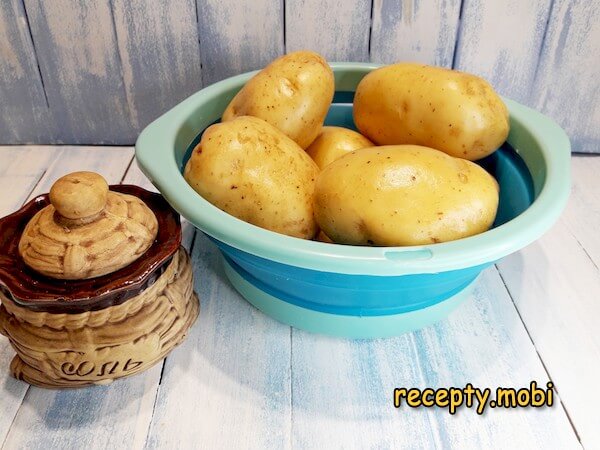
Potatoes wash, peel (digging out eyes and indentations), rinse again post-peel.
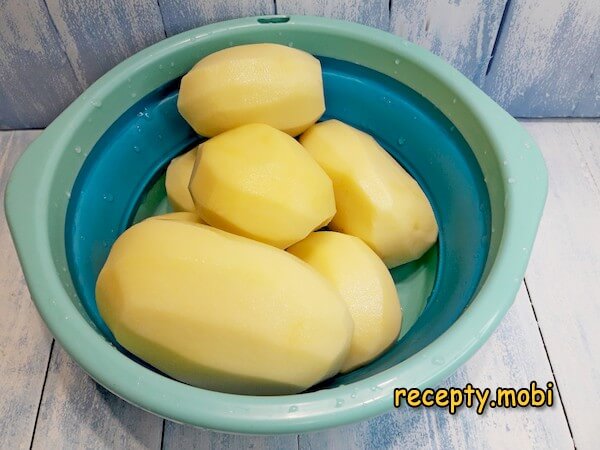
Since potatoes vary in size, they need to be roughly uniform for even cooking. Large potatoes cut into 2-4 pieces. Small ones stay whole.
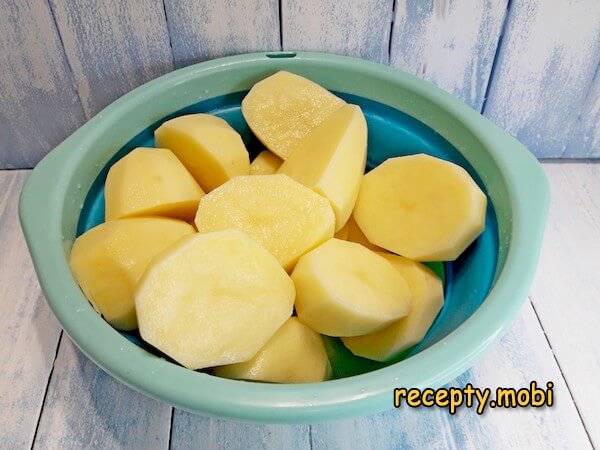
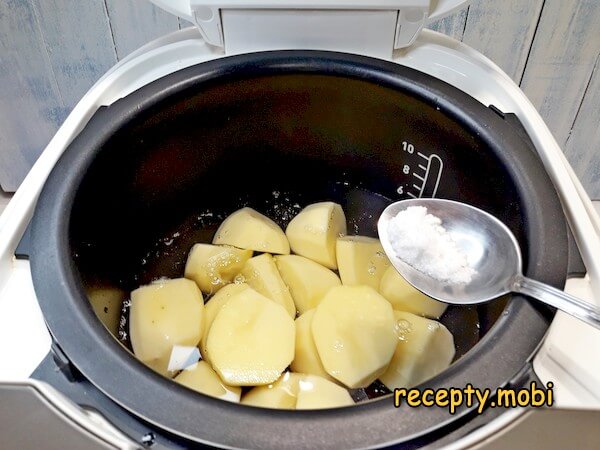
Potato pieces load into the multicooker bowl.
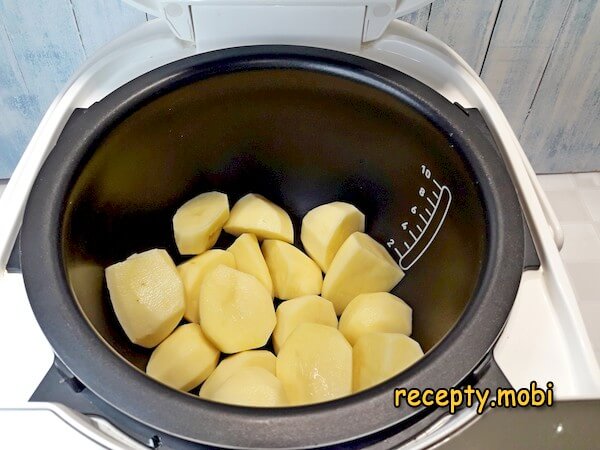
900 ml water pours over the potatoes. Salt adds in directly.
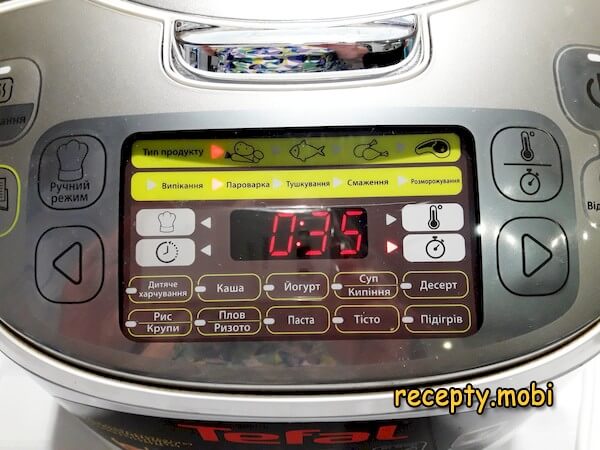
Lid closes (click confirms seal). Program selection varies by multicooker brand. Suitable programs include: "steaming", "porridge", "soup", "boiling", or "pasta." Set time to 35 minutes (standard boil time for medium-ripened mid-size potatoes). For young/new potatoes, set 30 minutes.
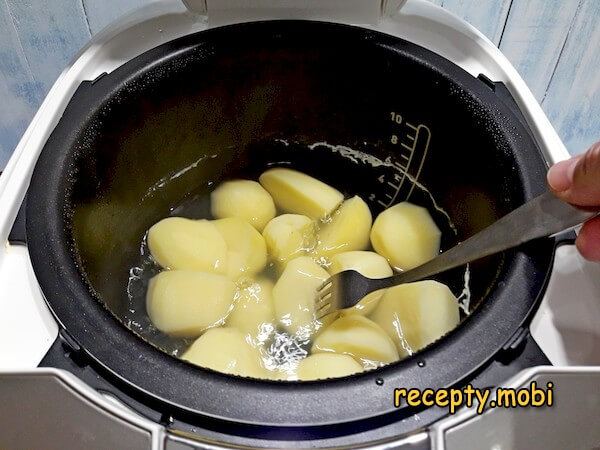
The multicooker handles everything autonomously. End-signal beeps when done. Open lid carefully (steam-burn risk). Fork-test the largest piece — easy pierce confirms doneness. Remove cooked potatoes with plastic or wooden slotted spoon (metal scratches the bowl coating).Now you know how to boil potatoes in a multicooker. Modern kitchen tech does the work; your time goes to other tasks. Hot boiled potatoes serve with butter, fresh herbs (dill is the classic Russian choice), and any protein side — meat, fish, mushrooms. Or have rustic Russian dinner: boiled potatoes + raw onion + pickled herring + black bread. Enjoy your meal!


Tips
- 1
THE 1:1 POTATO-WATER RATIO. The 900 g potatoes : 900 ml water ratio is calibrated — water just covers the potatoes for proper boiling. Less water leaves top potatoes uncooked; more water dilutes the salt seasoning. Most multicookers require water level above the potatoes for steam-circulation safety, so 1:1 is the practical minimum. The salt-water concentration (0.5 tbsp per 900 ml) gives properly seasoned potato flesh through the cell walls.
- 2
SAME-SIZE PIECES ARE STRUCTURAL. Step 3's uniform-size requirement isn't optional — different sizes mean some are mushy while others are still firm. Sort potatoes by size, halve the medium ones, quarter the large ones, leave small ones whole. The 35-minute timing is for fairly uniform 5-7 cm pieces. Larger pieces need 40-45 minutes; smaller pieces 25-30 minutes. Use the timer to match piece size. For another multicooker meal worth comparing, see Chicken Mince Meatballs with Rice in Tomato Sauce in a Multicooker.
- 3
WHICH PROGRAM TO USE. The multicooker's program label varies but the underlying functionality is what matters: any program that maintains liquid at boiling temperature for the set duration works. "Steaming" gives most reliable results in most brands. "Porridge" or "Soup" both work but may use slightly different temperature profiles. "Pasta" works in some brands. Avoid: "Stewing" (lower temperature, doesn't boil potatoes properly), "Pressure" (changes cooking dynamics significantly — adjust time down to 8-10 minutes for pressure boil).
- 4
SERVE TRADITIONALLY RUSSIAN. The classic Russian-Soviet hot-boiled-potato accompaniments: butter (knob added to each portion melts beautifully), fresh dill (chopped fine, generous), sour cream (substantial dollop), pickled cucumbers, raw onion (sharp counterpoint), pickled herring (the most traditional pairing — "selyodka pod shubu" lite version). For more substantial: alongside meat cutlets (kotlety), with stew or goulash, or as base for breakfast hash with leftover protein. The humble boiled potato is one of the great Russian comfort foods. For another multicooker pilaf preparation worth trying, try Pilaf with Beef in a Multicooker.
FAQ
Multicooker vs stovetop boiling? +
Multicooker advantages: zero monitoring, consistent results, no boil-over risk, automatic shut-off prevents over-cooking, no stovetop watching. Stovetop advantages: faster (water boils in 5-7 minutes vs multicooker's 10-12 to reach temperature), more control (can taste-test along the way), easier to drain (pour pot over sink). For batch cooking or while doing other kitchen work, multicooker wins. For traditional cooks who like watching their food, stovetop is fine. The end-product quality is identical between methods.
What potato variety is best? +
For boiling specifically, waxy or all-purpose potatoes work best — they hold shape during the boil. Best: Yukon Gold (creamy texture), Charlotte (waxy, holds shape perfectly), red potatoes (waxy, sweet flavour). Avoid purely floury (Russet, King Edward) varieties for boiling — they tend to disintegrate. Use floury varieties for mashing instead. Most modern supermarket "general purpose" potatoes work fine. For fingerling boiled potatoes (festive presentation), small Charlotte or French fingerlings are ideal.
How do I store leftover boiled potatoes? +
Cooled boiled potatoes keep 3-4 days in the fridge in airtight container. Best uses for leftovers: home fries (slice and pan-fry in butter), potato salad (chop and dress with mayo + mustard + dill), shepherd's pie topping (mash leftovers fresh), addition to soups (chunk and add to leftover broths). Don't freeze — texture goes mealy on thaw. Fresh-boiled is always best; leftover boiled is a stepping stone to other dishes rather than a direct re-eat.
Can I cook potatoes in their skins (jacket potatoes) this way? +
Yes — the technique works identically. Wash potatoes thoroughly (jacket potatoes' skin is part of the eating), pierce each with a fork (prevents pressure buildup), load with same water-salt ratio. Set the same 35-40 minute timing. The result: tender flesh inside crispy skin (slightly less crispy than oven-roasted but acceptable). For deluxe jacket potatoes, finish briefly in 200 °C oven for 10 minutes after multicooker boiling — gives crisp skin while maintaining tender interior. The jacket-potato approach also retains more nutrients than peeled-then-boiled (peel is the most nutrient-dense part).
- Comment
or post as a guest
Be the first to comment.