avg —
How to Sprout Mung Beans (the Easiest Way)

Instructions
Rinse the beans several times under running water. Drain the liquid each time to remove dust and dirt. For this, we can use a deep bowl or a fine sieve. Place the prepared beans in a glass and cover them with water. Wait for 10-12 hours.
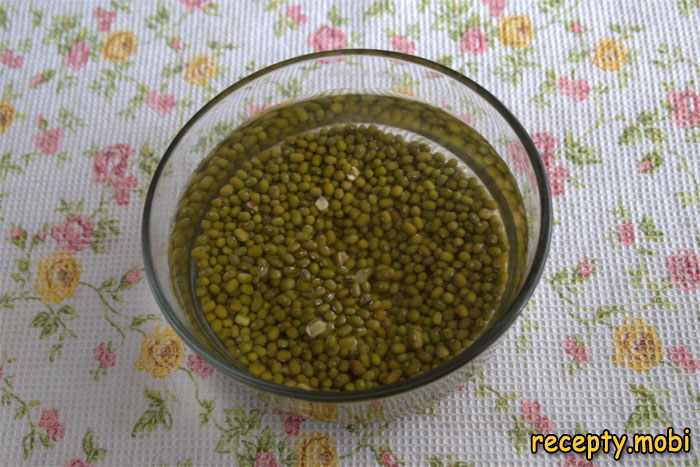
During this period, the mung beans will soften and increase in volume. Rinse the seeds under water.
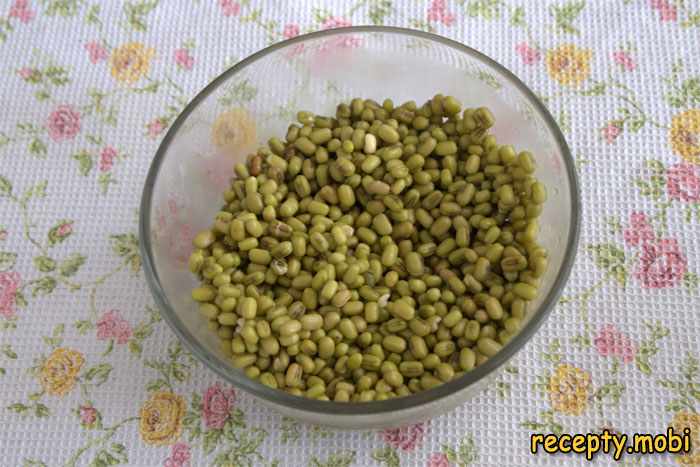
Spread the beans on a plate or in a container. Try to distribute the seeds evenly (around the entire perimeter of the dish).
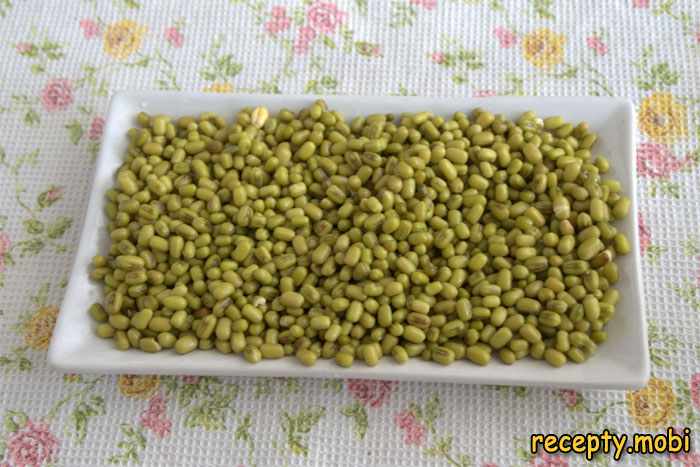
Cover the container with a wet cotton cloth and place it in a dark place (for 15-20 hours).
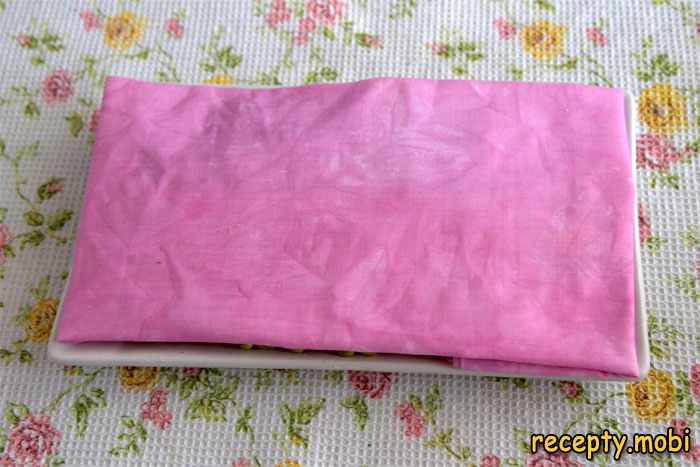
Try to moisten the cotton cloth every 2-3 hours so that the mung beans have enough moisture for sprouting.
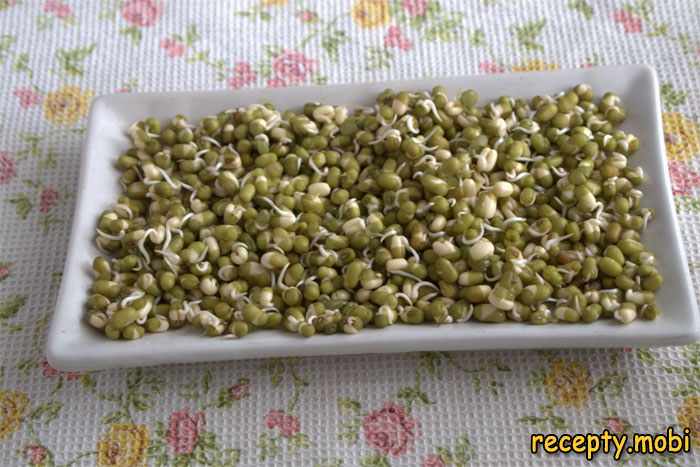
After the seeds develop thick white sprouts, rinse them under water, and use as intended. Store the mung beans (with sprouts) in an airtight container (in a cool place) for no more than 3 days.


Tips
- 1
Choose quality beans for best finished sprouting results. Old or damaged beans produce poor sprout development; properly fresh undamaged organic mung beans produce the proper signature vibrant healthy sprouts authentic to traditional Asian-vegetarian sprouting preparations. The bean quality matters more than home cooks typically realize for finished sprout-quality and overall family-meal success consistently across batches reliably across various raw-food preparation occasions throughout the year for proper traditional Asian-vegetarian results.
- 2
Maintain proper moisture levels for finished optimal sprouting. Too-dry conditions stop sprouting; too-wet conditions cause rotting. Properly moistened cotton cloth (re-moistened every 2-3 hours) produces the proper signature healthy white sprouts authentic to traditional sprouting preparations. The same moisture-balance principle elevates many sprouting preparations including a salad of sprouted mung beans-style raw food applications across various traditional Asian-vegetarian culinary occasions throughout the year reliably.
- 3
Maintain dark warm environment for proper finished sprout development. Light exposure produces green photosynthesis preventing proper sprouting; properly dark warm location (room temperature) produces the proper signature white tender sprout character authentic to traditional Asian-vegetarian sprouting preparations. The patient dark-environment principle pays back significantly in finished sprout-quality consistently across batches and various sprouting-based preparations throughout the year for proper traditional results worth showcasing reliably across various raw-food meal occasions for proper home-sprouting results.
- 4
Pair the finished sprouted mung beans with traditional accompaniments for proper presentation. Use in fresh raw salads, banana-berry smoothies, alongside fresh vegetables for substantial raw-food spreads, or with fresh herbs for elegant Asian-vegetarian presentations worth showcasing across various entertaining occasions reliably. Pair with crusty homemade bread for substantial brunch healthy spreads throughout the year for proper traditional results worth showcasing reliably across various family-meal occasions throughout the year.
FAQ
Can I sprout other beans the same way? +
Yes, lentils, chickpeas, alfalfa seeds, or fenugreek all work beautifully using identical sprouting technique. Each option produces distinct character: mung beans provide mild sweet flavor, lentils add earthy depth, chickpeas provide nutty character, alfalfa adds delicate fresh notes, fenugreek adds aromatic spice. Adjust soaking time slightly — smaller seeds need shorter soaking. Mix and match seeds for endless variations across various Asian-vegetarian sprouting traditions throughout the year for proper personalized finished results consistently across various raw-food occasions reliably.
How long do sprouted beans keep? +
Stored in airtight container in cool refrigerator, the sprouted beans keep for 3-5 days at peak quality. Rinse sprouts daily to maintain freshness and prevent slime development. The freshness diminishes after day 3 — sprouts become slightly tough and less aromatic. Best consumed within 2-3 days for the brightest most appealing finished results across multiple raw-food applications throughout the year reliably across various Asian-vegetarian meal occasions throughout the year for proper traditional sprouting character preserved properly.
Can I sprout in mason jar instead? +
Yes, mason jar sprouting is popular convenient method producing equally delicious results. Each option produces distinct character: plate-and-cloth method provides traditional simple approach with even sprout distribution, mason jar method allows easy rinsing and inverted draining. Use cheesecloth or sprouting lid screwed on top, rinse 2-3 times daily, drain at angle for consistent moisture. Choose based on equipment availability and convenience preferences for proper finished sprouting variations consistently throughout the year reliably across various raw-food occasions.
Why aren't my beans sprouting? +
Three usual causes: beans too old or pre-treated with anti-sprouting chemicals, insufficient soaking time, or environment too cold. Address proper organic untreated bean selection (purchased from sprouting-specific source), full 10-12 hour soaking, and warm room-temperature environment (20-25 degrees) for consistently successful results. The combination of fresh beans, patient soaking, and proper temperature produces dramatic sprout-quality reliably across various sprouting preparation sessions throughout the year for proper traditional Asian-vegetarian results consistently across various raw-food occasions reliably.
- Comment
or post as a guest
Be the first to comment.