avg —
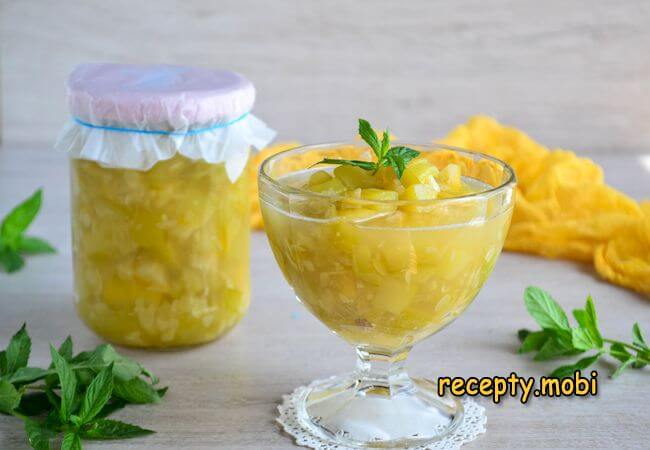
Korean Green Tomatoes for Winter

Instructions
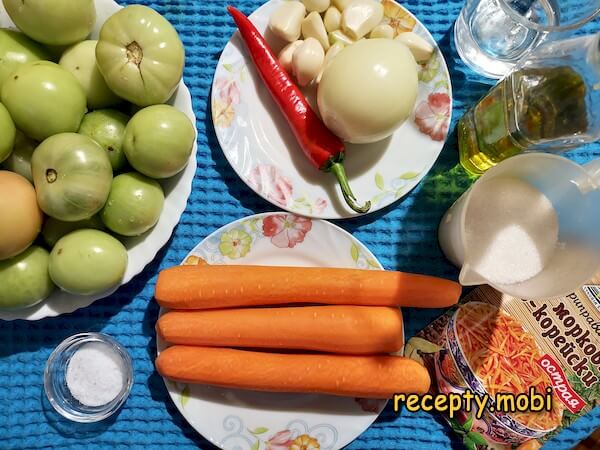
I prepare the necessary ingredients for Korean-style green tomatoes. Peel garlic + onion; peel carrot. Wash + dry green tomatoes + chili pepper. Spice for Korean carrots: choose SPICY OR REGULAR per heat preference. Pre-sterilize the jars + lids.
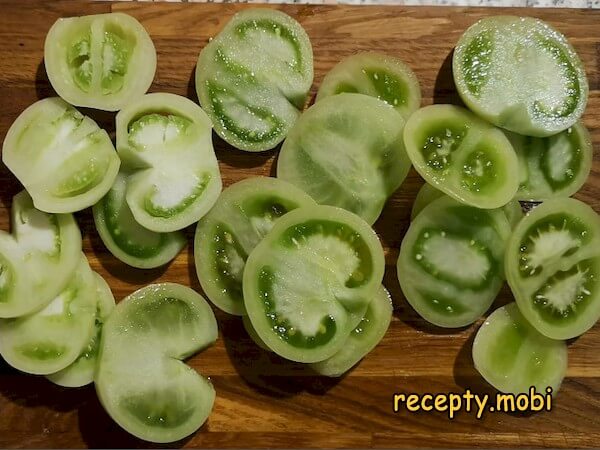
Cut green tomatoes into ~4 mm slices; remove stems. Transfer to deep dish.
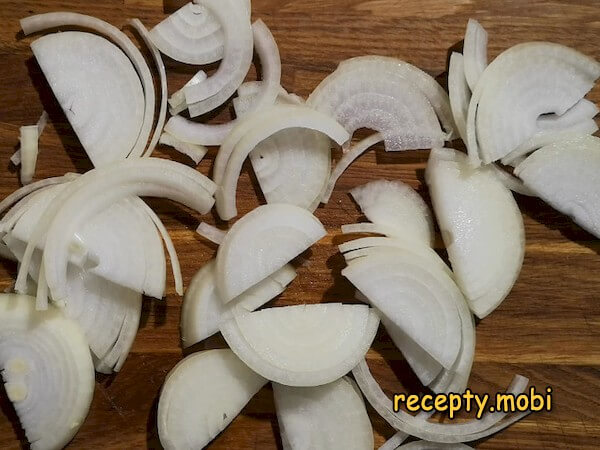
Cut onion into small half-rings; add to tomatoes.
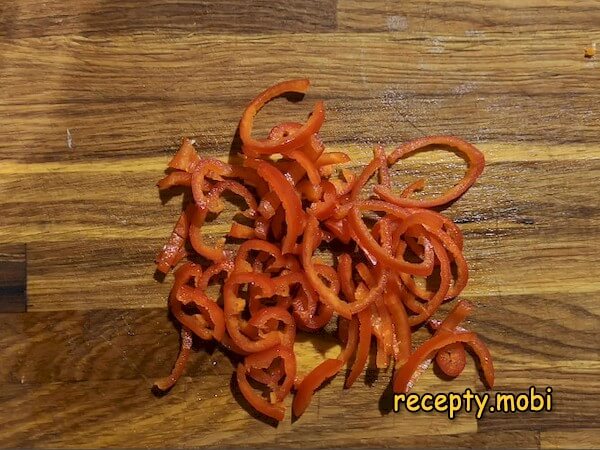
Cut chili pepper into rings — REMOVE seeds first (controls heat level). Add to vegetables.
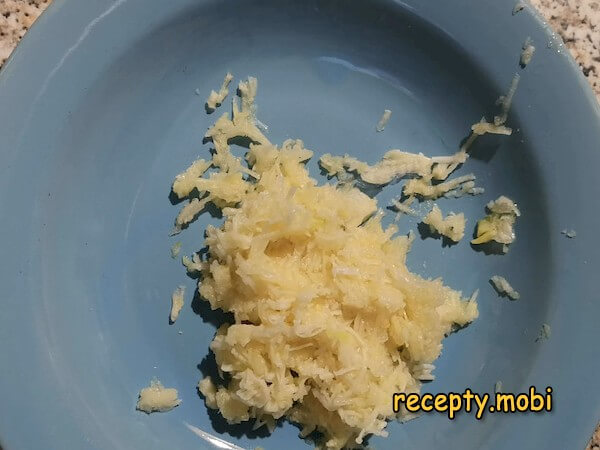
Grate 12 cloves of garlic on FINE grater OR cut into small cubes. Add to tomatoes.
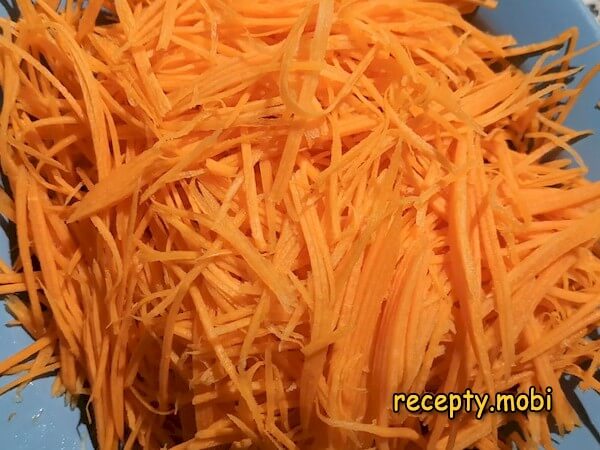
Grate 3 carrots using KOREAN GRATER or special vegetable peeler (creates the characteristic long thin sticks). Add prepared carrot to tomato-garlic-onion-pepper mixture.
Add to vegetable mixture: sugar + salt + vegetable oil + vinegar 9% + Korean-carrot spice.
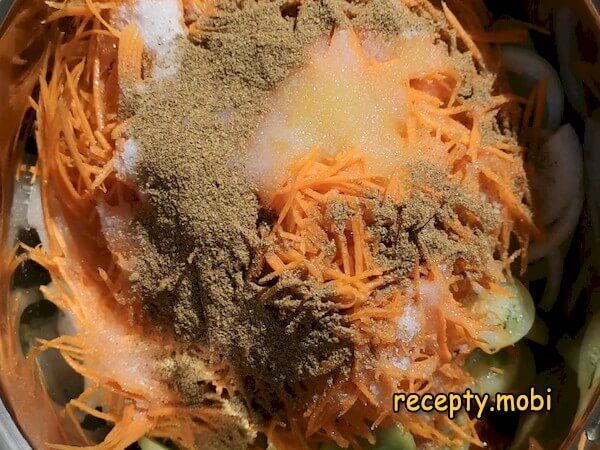
Gently mix everything; let MARINATE 40 minutes. Stir several times during marination (ensures even penetration).
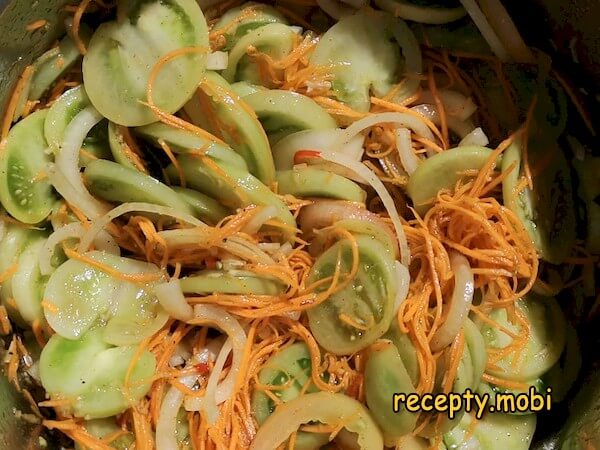
Fill sterilized jars with the salad; cover with sterilized lids (don't seal yet).
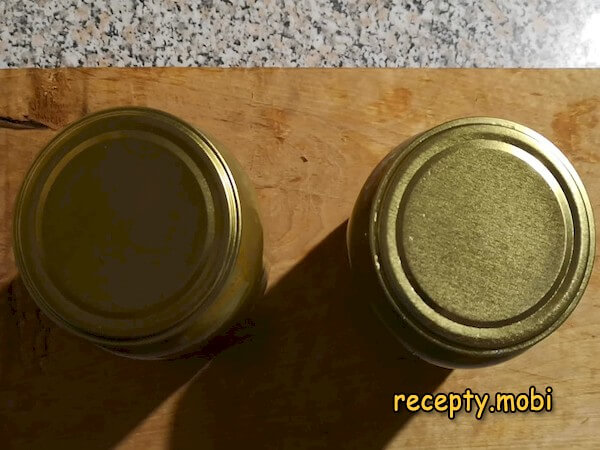
Place CLOTH at bottom of large pot (prevents jar-cracking from direct heat). Place jars on cloth. Fill pot with COLD water up to jar shoulders. Place pot on heat.
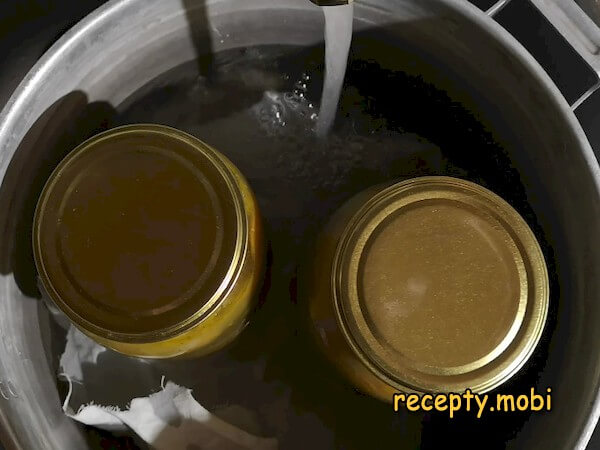
After water boils: STERILIZE 1-liter jars 20 minutes; 0.5-liter jars 15 minutes (calibrated for proper preservation).
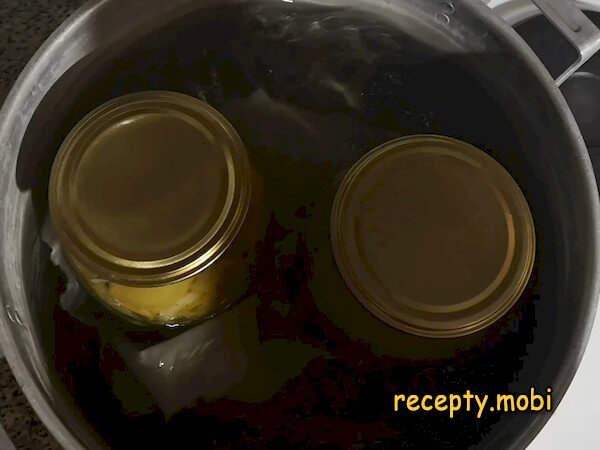
Use special tongs to carefully take jars out of water; SEAL them tightly.

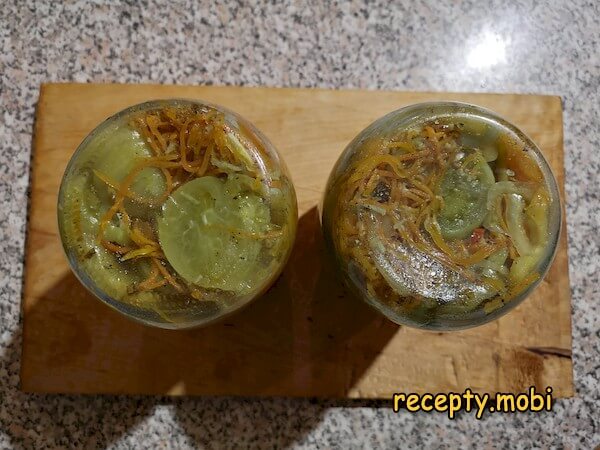
Turn jars UPSIDE DOWN; leave at room temperature until COMPLETELY cool (creates vacuum seal). Properly canned Korean green tomatoes for winter are ready — try according to our recipe; you'll surely like them. Serve as appetizer, with potatoes, with grilled meats, with bread.


Tips
- 1
THE WATER-BATH STERILIZATION TIMING. Steps 10-11's "20 min for 1 L, 15 min for 0.5 L" calibration is preservation science. Water-bath sterilization KILLS bacteria/mold spores that would otherwise spoil the canned goods. Smaller jars need less time (heat penetrates faster); larger jars need more (heat slower to reach center). Under-sterilization: spoilage risk within months. Over-sterilization: vegetables become mushy. The recipe's calibration is industry-standard. Critical: use water at JAR-SHOULDER level (not above), keep CLOTH at bottom (prevents thermal shock cracking).
- 2
THE CHILI-SEEDS-REMOVAL FOR HEAT CONTROL. Step 4's "remove seeds" specification is heat-management technique. Chili HEAT lives primarily in: SEEDS (~50% of heat), INNER WHITE MEMBRANES (~40%), OUTER FLESH (~10%). Removing seeds: reduces heat dramatically while preserving chili flavor character. For MILDER version: remove BOTH seeds + white membranes (only flesh remains, ~10% original heat). For HOTTER version: keep seeds + membranes intact, double the chili quantity. The recipe's 1 chili (seeded) is moderately spicy by Russian standards. Korean cuisine purists prefer keeping seeds for full intensity. For another spicy preserved-tomato recipe worth comparing, see Spicy Pickled Tomatoes.
- 3
THE 40-MINUTE PRE-MARINATION. Step 8's "marinate 40 min" before jarring is critical for proper flavor penetration. WITHOUT pre-marination: vegetables enter jars in raw state; marinade slowly penetrates over weeks of storage. WITH 40-min marination: spices penetrate vegetable cells significantly during this active phase, salt-sugar-vinegar interaction starts breaking down vegetable cell walls, flavors integrate before jarring. Result: jarred salad has DEEPER flavor immediately + during winter storage. Same pre-marination principle: kimchi (Korean fermentation), sauerkraut, all quick-pickle preparations. The 40-minute window is the sweet spot — longer doesn't add benefit; shorter means uneven flavor distribution.
- 4
THE GREEN-TOMATO ECONOMY. The recipe addresses end-of-season problem: green tomatoes that won't ripen. Throwing out: waste. Letting ripen indoors: works partially (uneven results). Korean-style preservation: GUARANTEED USE for whole batch, transforms unwanted into prized winter delicacy. Same approach for: green tomato chutney, green tomato pickles, fried green tomatoes. The Korean style adds the spicy-sweet-tangy dimension that distinguishes from typical pickle/preserve. For another winter-preserve worth trying, try Marinated Tomatoes with Honey.
FAQ
How long does it keep? +
Properly water-bath processed: 1+ YEAR at room temperature unopened. The combination of high-acid (vinegar) + high-sugar + high-salt + sterilization creates shelf-stable preserve. After opening: refrigerate; consume within 2-3 weeks. Visual signs of spoilage: bulging lid (fermentation — discard), mold growth (discard), off-smell (discard). Safe storage: dark cool place (cellar, pantry away from direct sunlight). Avoid temperature fluctuations (causes seal stress + premature spoilage). The 1+ year shelf life makes this perfect for autumn-harvest preservation for winter consumption.
Can I make it without sterilization? +
Yes — but with much shorter shelf life. SKIP STERILIZATION (skip steps 10-11): pour marinade-mixed vegetables into clean jars, refrigerate immediately. Storage: 2-3 weeks refrigerated (not shelf-stable). Suitable for: making smaller batches, eating within a month, refrigerator space available. Water-bath processing transforms 2-week refrigerator life into 1+ year shelf life. The TIME INVESTMENT (15-20 min sterilization) is worthwhile for long-term preservation. For impatient eaters: refrigerator-only version is faster + acceptable for short-term enjoyment.
What spice mix should I use? +
"Spice for Korean-style carrots" is sold pre-mixed at Russian/Korean groceries. CONTAINS typically: ground coriander, ground red pepper, paprika, fenugreek, ground sesame, garlic powder, onion powder, salt. Multiple brands available — some spicier than others (check label). HOMEMADE alternative: 2 tsp coriander + 1 tsp red pepper + 1 tsp paprika + 1/2 tsp fenugreek + 1/2 tsp garlic powder + 1/4 tsp ground sesame = approximation. Korean grocery brands are convenient + reliable; homemade gives full ingredient control. Quantity-wise: 10 g per recipe = ~1 packed tablespoon.
Can I use other vegetables in this base? +
Yes — this base recipe adapts to many vegetables. CABBAGE: traditional Korean kimchi base, replace tomatoes with white cabbage (different but equally authentic). CUCUMBER: thin slices, follows same procedure. ZUCCHINI: similar to cucumber, adds variety. EGGPLANT: salt-pretreated cubes, pre-fried briefly, then marinated. MUSHROOMS: pre-fried briefly. RADISH: traditional Korean "kkakdugi" base. Each vegetable produces different "Korean-style" winter preparation. The Korean-spice-mix + vinegar + salt + sugar marinade is the unifying technique; vegetable choice determines specific dish identity. Mix-vegetable versions (50/50 tomato + cucumber, etc.) also work.
- Comment
or post as a guest
Be the first to comment.