avg —
Kurze with Meat

Instructions
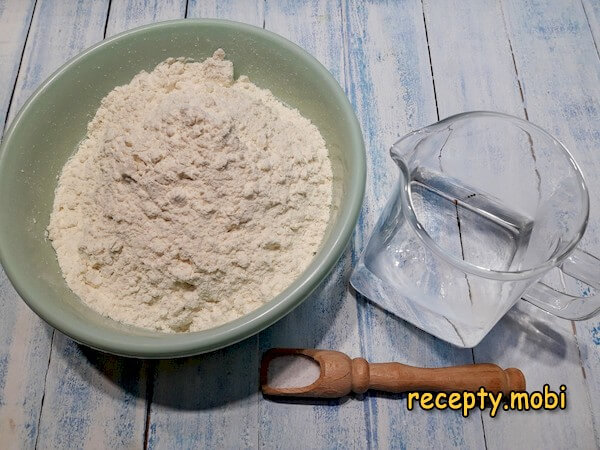
I gather the dough ingredients. Critically: the water must be very cold, almost ice-cold — cold water gives the dough its required elasticity and prevents the gluten from over-developing.
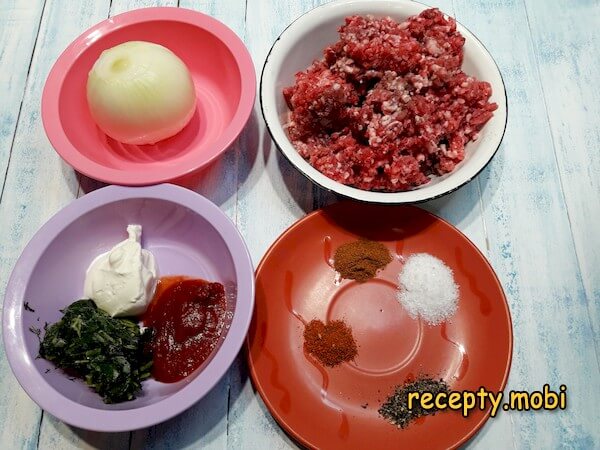
I gather the filling ingredients. Lower-fat sour cream is preferable — high-fat sour cream makes the filling too rich and slightly leaks during cooking.
I start with the dough. Sift the flour into a deep bowl, mix with salt, make a well in the centre, and pour in the cold water.
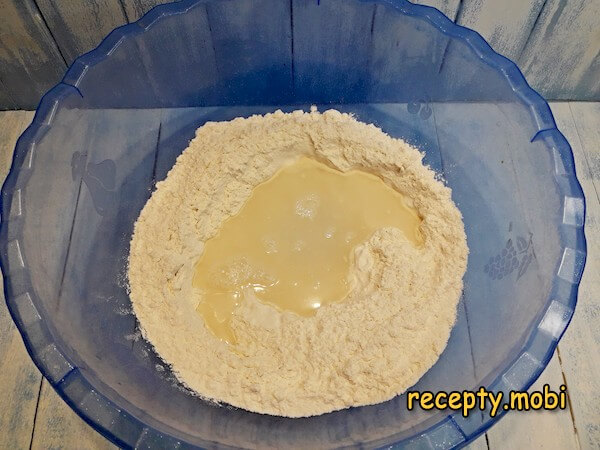
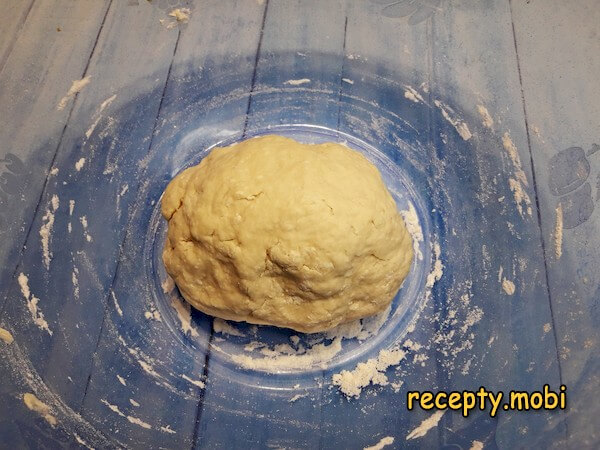
I knead by hand for at least 10 minutes — the dough is intentionally stiff and tight; it requires real effort. Form into a ball; texture won't look ideal yet but improves with the rest period.
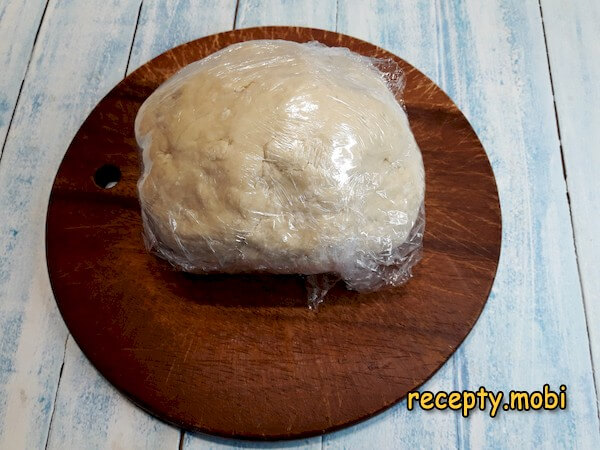
I wrap the dough ball in cling film and let it rest at room temperature for at least 40 minutes — the rest is essential for the dough to become workable.
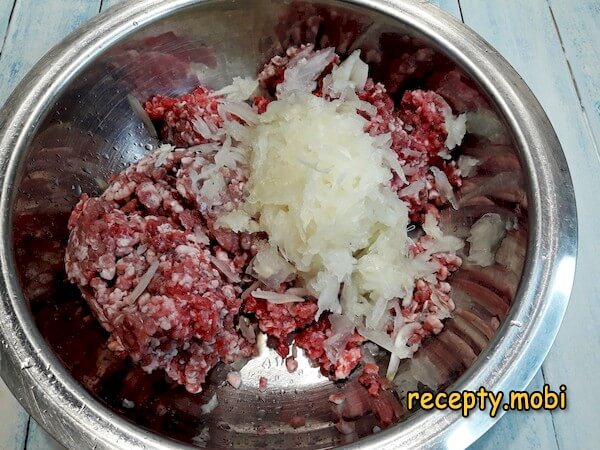
While the dough rests, I prepare the meat filling. Grate or blender-process the onion to a puree (chopped onion gives a chunkier texture; pureed gives moister filling). Combine with the mince.
I add all the spices and salt to the mince-and-onion.
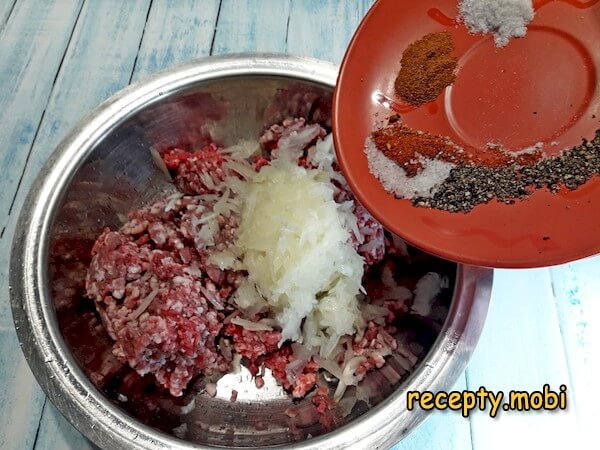
The signature Dagestani additions: sour cream, crushed tomatoes, and herbs.
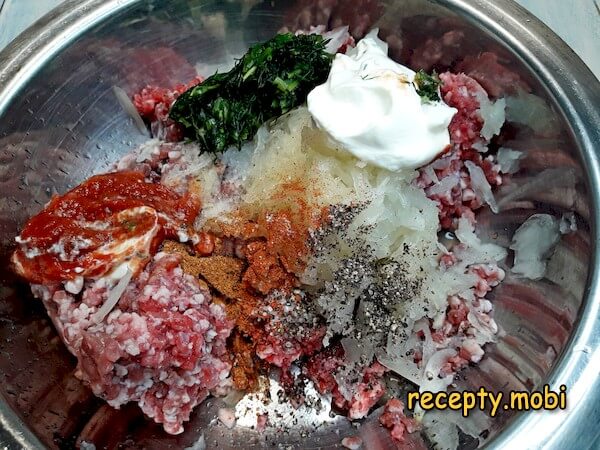
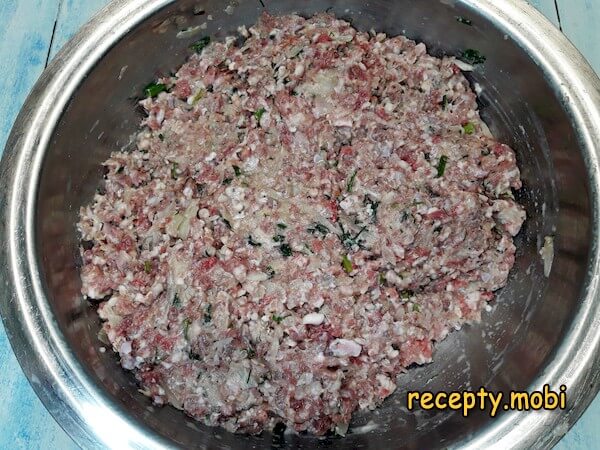
I mix thoroughly and refrigerate the filling for 15-20 minutes — the rest lets the spices fully integrate.
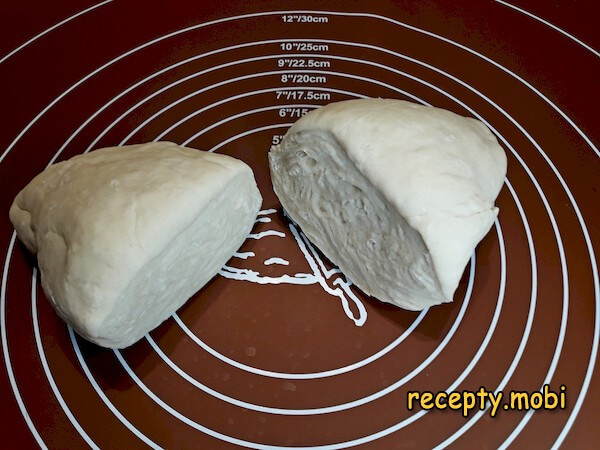
After the dough rest, I knead briefly again — it's now noticeably more elastic and pliable. I divide into two halves for easier rolling.
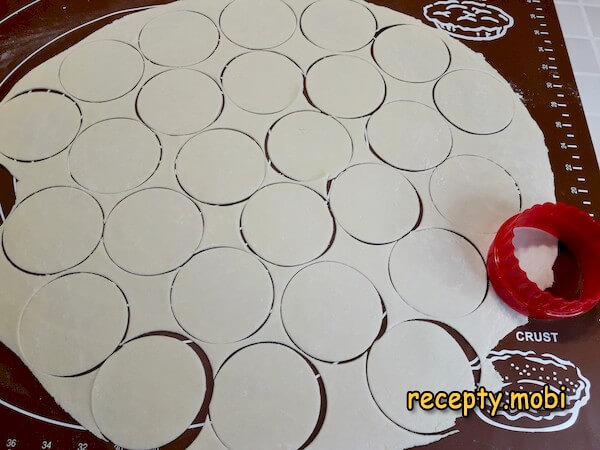
I keep half in a plastic bag (prevents drying), roll the other half to about 1 mm thickness, and cut 6 cm circles using a glass or cookie cutter. Scraps go back into a bag for re-rolling.
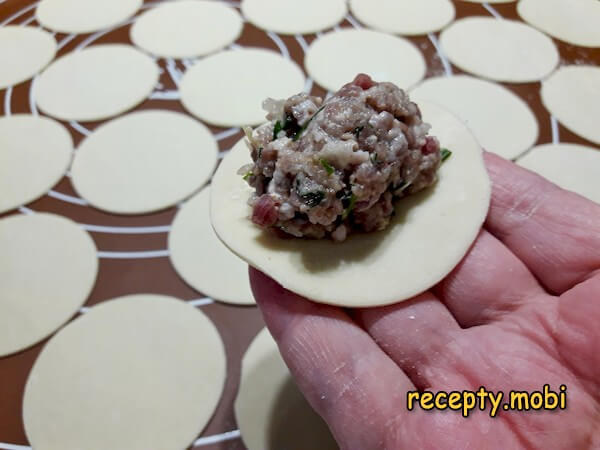
I place about 1.5 tsp of filling on each circle. Don't overload — the filling shrinks during cooking, but too much filling causes the dough to split during the pleating.
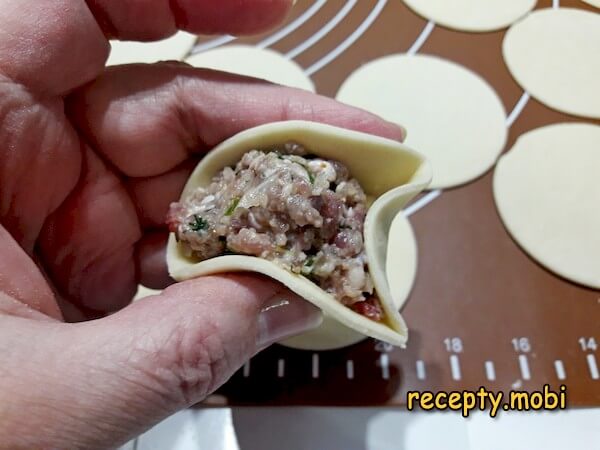
I fold the circle in half to form a semicircle. The first edge of this semicircle gets tucked inward toward the filling — this is the start of the signature zigzag pleat.
Holding the dumpling in one hand, I make alternating pleats with the other — small fold on one side, then a small fold on the other, continuing along the curved edge. Even pleating gives the cleanest viper-zigzag look.
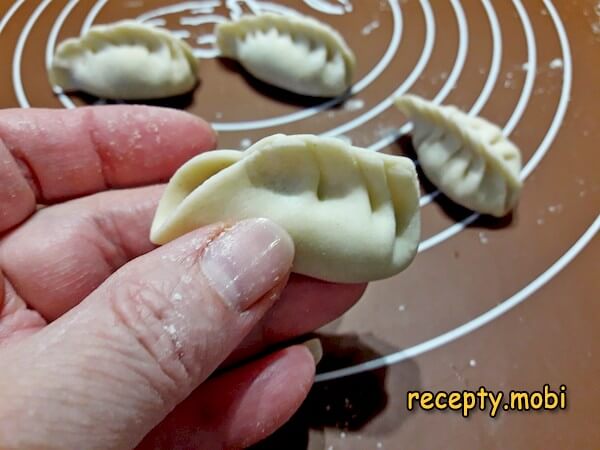
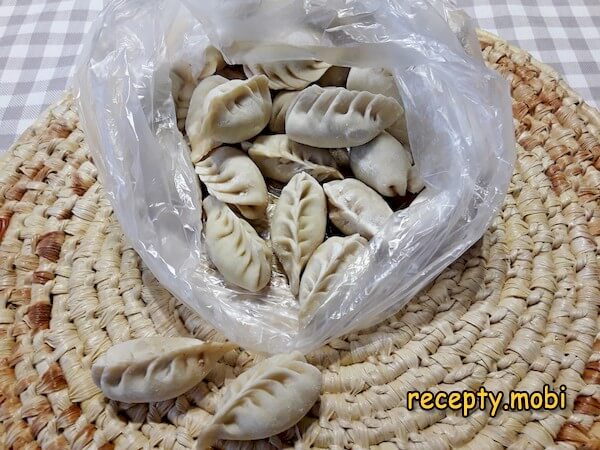
At the very end, I shape a sharp point — the final dumpling looks like a leaf or droplet with a zigzag spine.
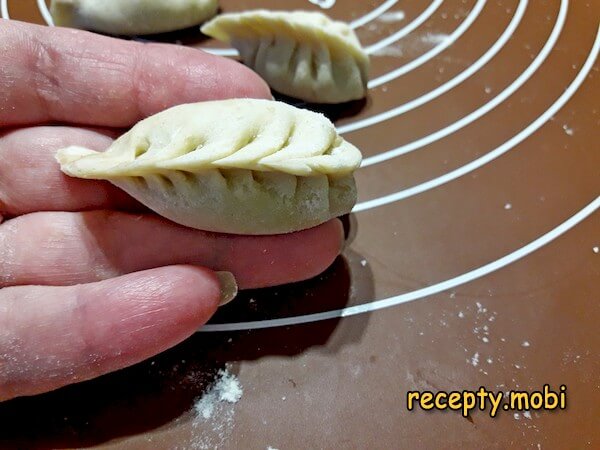
Finished kurze go on a flour-dusted board or tray.
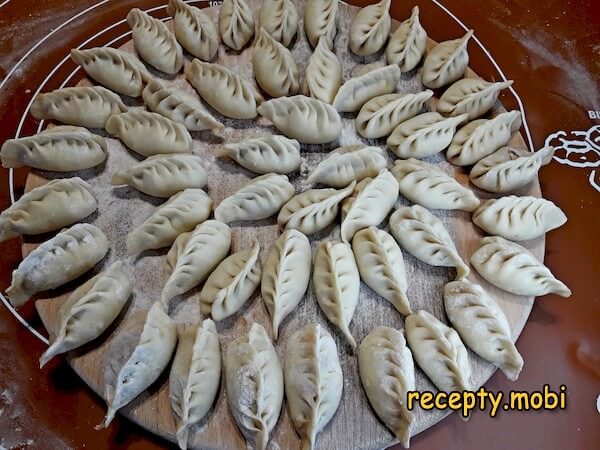
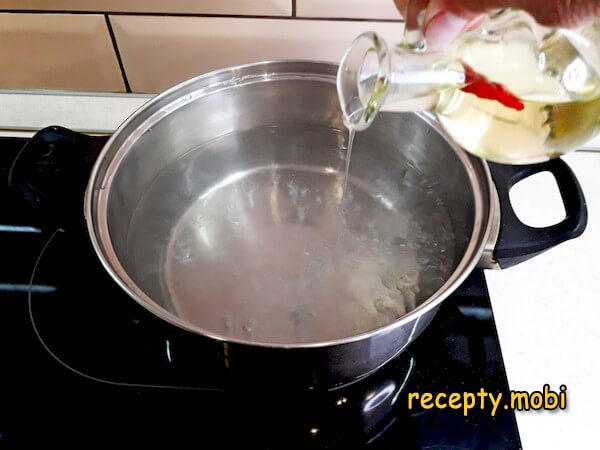
I bring a large pot of water to boil — pot size matters: kurze need room to float without sticking. After boiling, I salt the water and add a tablespoon of vegetable oil — extra anti-sticking insurance.
I lower kurze into the boiling water in batches, gently stirring the water in a circular motion to prevent sticking. Don't overload — a single layer at most; bottom-stuck kurze will tear.
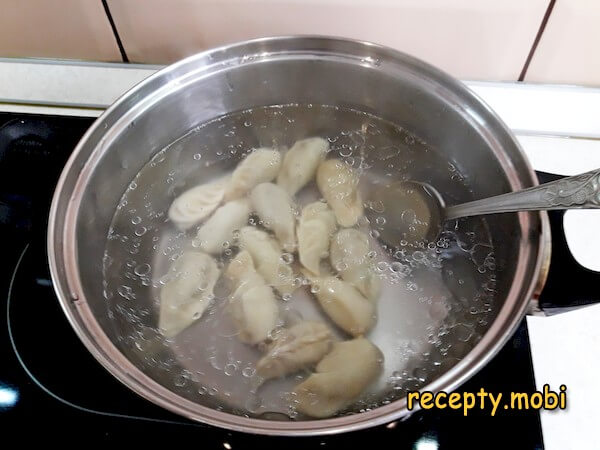
I cover the pot with a lid leaving a small gap for steam release. Stir the kurze occasionally.
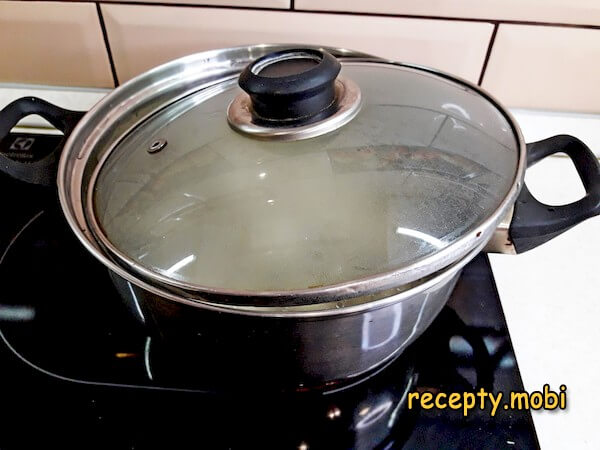
As soon as the water returns to a boil with kurze inside, I remove the lid completely and time 5 minutes of boiling.
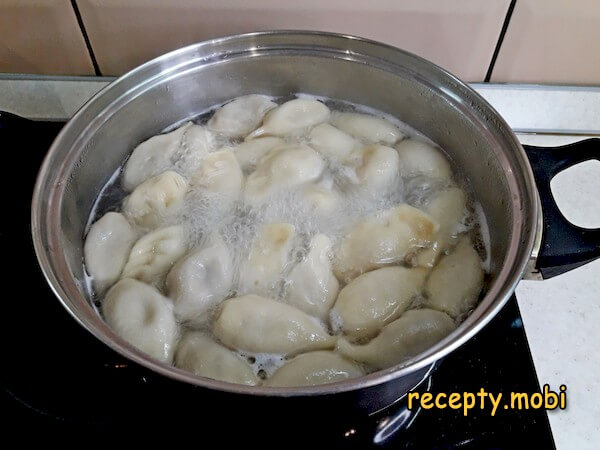
The finished kurze swell visibly and float — I lift them out with a slotted spoon.
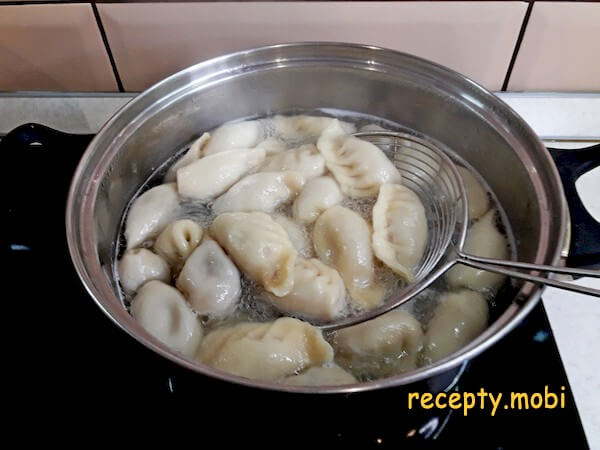
Although the cooking oil coats them in the water, I add a few small pieces of butter to the serving plate — the butter melts and gives the kurze their characteristic glossy finish.

Excess raw kurze freeze beautifully — single layer on a tray first (about 2 hours), then transfer to a freezer bag. Cook directly from frozen; no thawing needed, just add 2 minutes to the cooking time.In Dagestan, kurze with meat are always served hot, straight from the pot, accompanied by sauce — garlic-sour-cream or tomato are the classic pairings. A sprinkle of fresh herbs (cilantro, dill, parsley) at serving brightens the bowl. Thin tender dough wrapping juicy seasoned filling — Dagestani comfort food at its finest.


Tips
- 1
ICE-COLD WATER FOR THE DOUGH. Cold water (2-5 °C) is the recipe's most overlooked critical detail. It gives the dough elasticity that survives both rolling thin (1 mm) and the pleating process. Room-temperature water gives a tougher, more brittle dough that splits during pleating. Keep your water in the fridge or add an ice cube while measuring.
- 2
THE PLEATING TAKES PRACTICE. The zigzag viper-spine pleat is the dish's visual signature and takes 5-10 dumplings to feel natural. The first ones look rough; by dumpling 15 the technique clicks. Don't worry about perfection — even messy pleating tastes the same. Watching a video tutorial helps the spatial concept lock in. For another minced-meat dumpling-style dish to compare, see Zucchini Roll with Minced Meat.
- 3
THE FILLING IS THE FLAVOUR DIFFERENTIATOR. Sour cream and crushed tomatoes in the filling distinguish kurze from generic meat dumplings. Don't skip these additions — they're what make kurze juicy and complex rather than dry and one-dimensional. The sour cream is the key; it makes the filling self-bastes during cooking.
- 4
SAUCE IS NOT OPTIONAL. Dagestani tradition serves kurze with garlic-sour-cream sauce (sour cream + crushed garlic + chopped dill + salt) or tomato sauce (canned tomatoes + onion + garlic, briefly simmered). The sauce isn't garnish — it's a co-star. Plain kurze are fine; sauced kurze are exceptional. For another Dagestani-style dough preparation worth comparing, try Potato nests with minced meat in the oven.
FAQ
How does kurze differ from Russian pelmeni? +
Three main differences. First, shape: kurze are leaf or droplet-shaped with a distinctive zigzag pleated spine; pelmeni are round-edged half-moons. Second, filling: kurze contain sour cream and crushed tomatoes alongside the meat; pelmeni use plain seasoned meat-and-onion. Third, traditional accompaniments: kurze are served with sauce always; pelmeni are eaten with sour cream or vinegar. Both are delicious dumplings, but they're distinctly different dishes.
Can I use beef or chicken instead of veal? +
Yes. Beef gives a heartier, more savoury filling — choose a fattier cut (chuck) for moisture. Lamb is the most traditional Dagestani choice and gives the most authentic flavour. Chicken thigh works for a lighter version but lacks the rich character of red meat. Mixed minces (50/50 lamb-and-beef) give layered flavour. Whatever protein, ensure 15-20% fat content — lean meat gives dry kurze.
Can I make kurze ahead of time? +
The dough can be made and refrigerated up to 2 days ahead, well-wrapped. The filling can be made up to 24 hours ahead. Shaped raw kurze are best frozen rather than refrigerated — refrigerated raw kurze become soggy on the bottom from filling juices. Frozen raw kurze keep 2 months and cook directly from frozen with 2 extra minutes added. Cooked kurze are best eaten fresh; reheating tends to toughen the dough.
What's the best sauce for kurze? +
Two classic Dagestani choices. Garlic-sour-cream: 200 g sour cream + 3 crushed garlic cloves + 2 tbsp chopped dill + salt to taste; mix and chill 30 minutes. Tomato: sauté half a chopped onion in oil, add 1 can chopped tomatoes + 2 crushed garlic cloves + salt + pepper, simmer 15 minutes; blend smooth. Both are excellent; offer both at the table for guests to choose. A third option: spicy Caucasian adjika thinned with sour cream — bolder, spicier, equally traditional.
- Comment
or post as a guest
Be the first to comment.