avg —
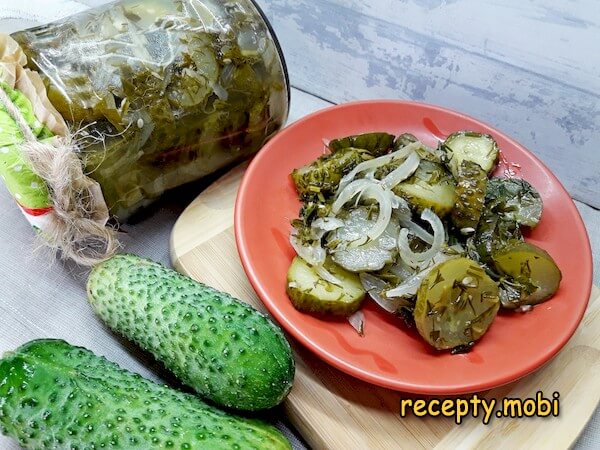
Nizhin Cucumber Salad for Winter

Instructions
I prepare ingredients for Nizhin cucumber salad for winter.
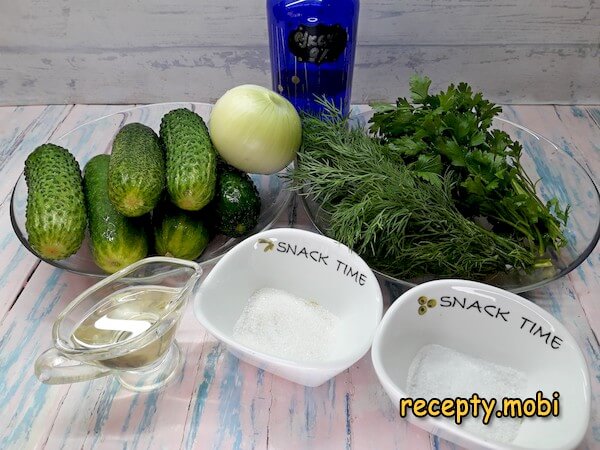
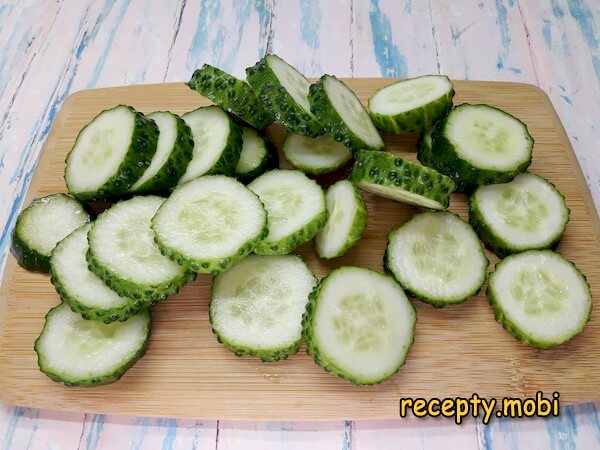
Usually cucumbers soaked couple hours before canning. THIS recipe: skip that procedure; start cooking immediately. Cut cucumbers into SLICES 5 mm.
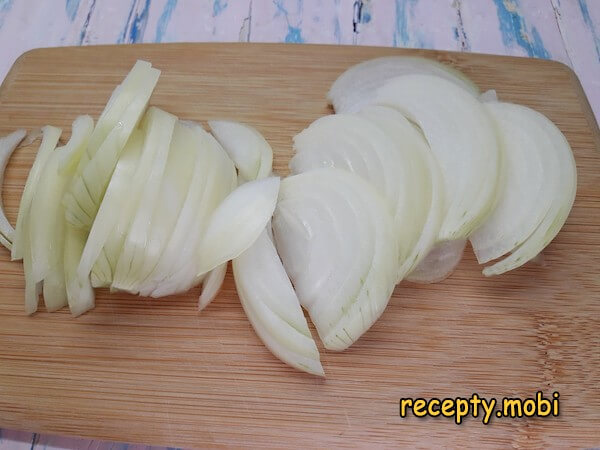
Cut onion into LONG THIN feathers.
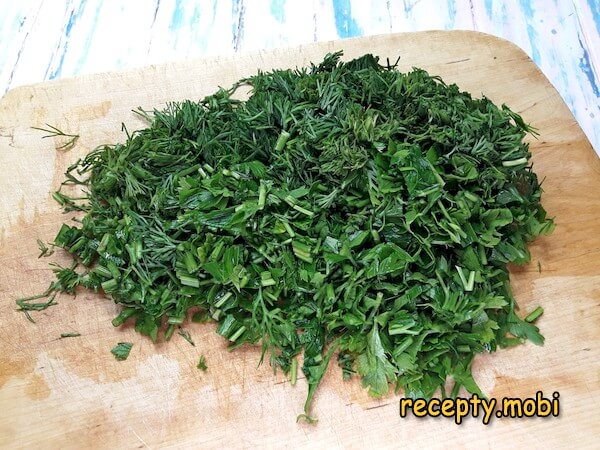
Chop herbs.
Transfer prepared chopped ingredients to pot.
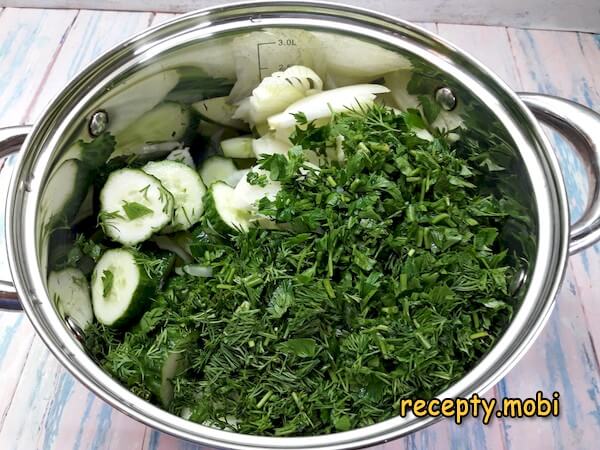
Season with SALT + SUGAR.
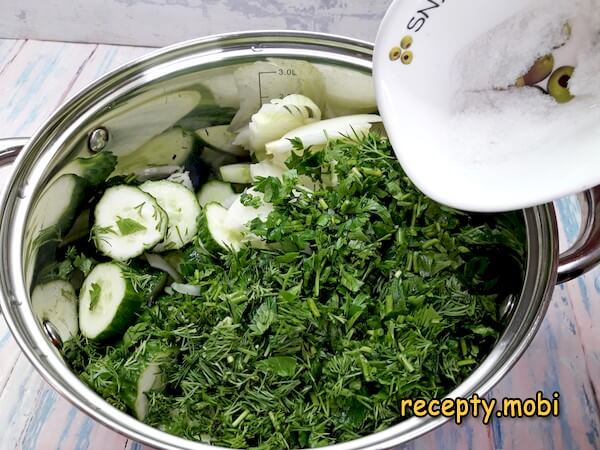
Pour OIL.
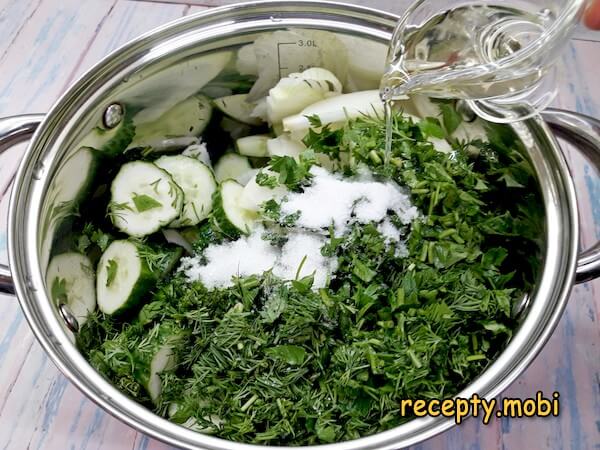
Stir cucumber mixture thoroughly 2-3 minutes — volume slightly decreases. Cover with lid; leave 4 HOURS.
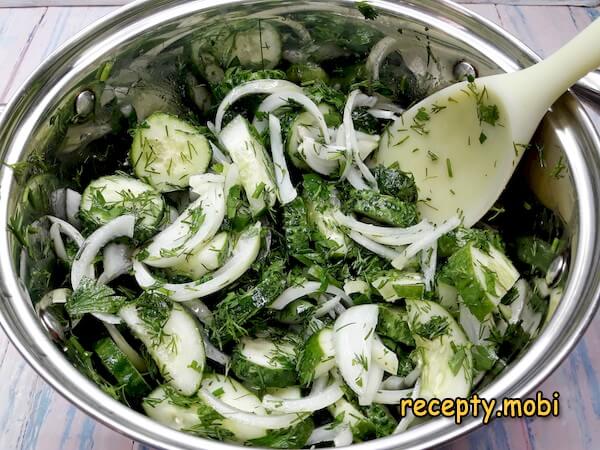
After 4 hours: cucumbers release LOT of juice; shrink even more. Sterilize canning jars.
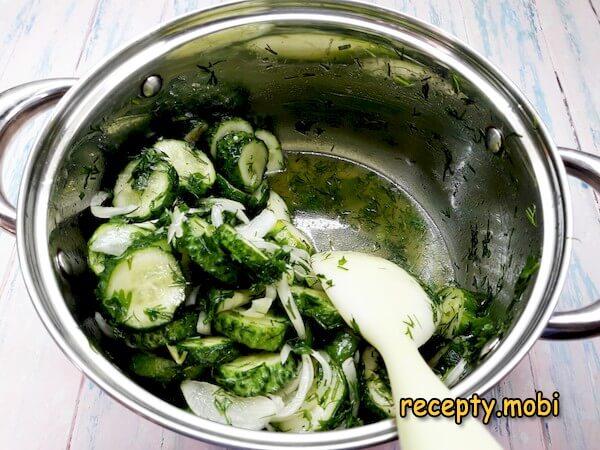
Place pot over heat. At moment of boiling: pour spoonful of VINEGAR; stir.
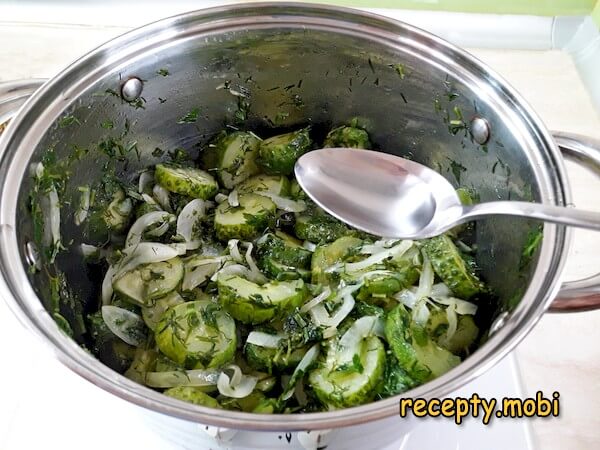
Cook 5 minutes — constantly swap bottom + top layers. Turn off stove; fill jars with salad to TOP.
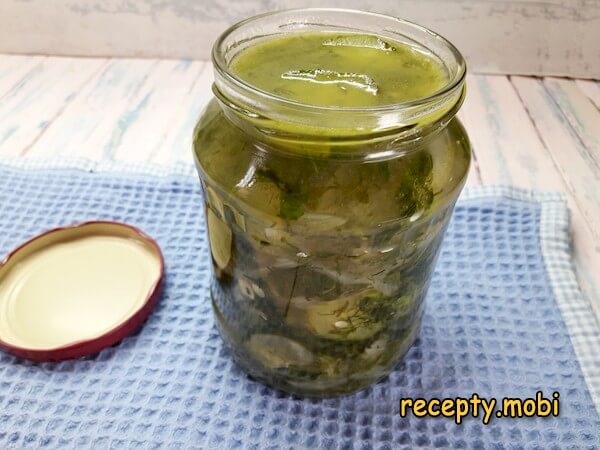
Seal with screw caps OR canning machine. Turn UPSIDE DOWN; wrap in thick towel. To prevent cucumbers becoming too soft (almost boiled): keep in thermal bath ONLY 2 HOURS.
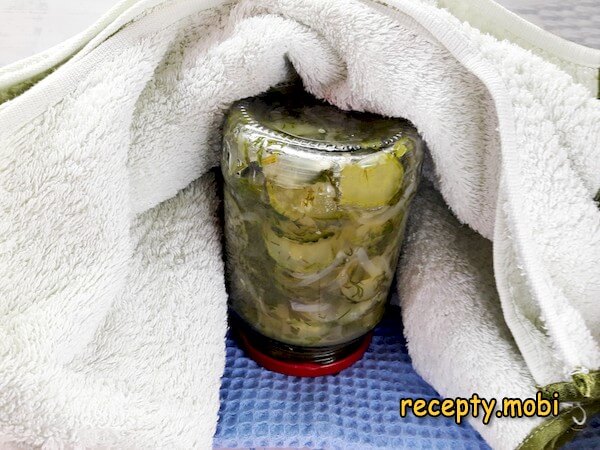
Nizhin cucumber salad for winter: store in heated room (not next to heat source). Lasts until next harvest. Cool basement = better, but storing sealed jars more than 1 year not recommended. Crunchy snack diversifies even most mundane side dish. Bon appétit!


Tips
- 1
THE ANY-CUCUMBER VERSATILITY. Recipe's "any shape + ripeness" specification is genuine recipe value. Standard winter-pickling: requires PERFECT small + firm + young cucumbers (5-9 cm length, no defects). Nizhin salad: accepts CROOKED + TWISTED + OVERRIPE cucumbers — ANY garden imperfections work. Why: slicing into 5-mm rounds + brief cooking eliminates structural concerns of imperfect fruit, lightly-salted style doesn't require firm-pickle texture. This is genuine garden-thrift tradition: never waste imperfect cucumbers. Same versatility principle: Russian "neudobnye" (imperfect) preparations, traditional kitchen-garden cooking. The recipe was specifically developed for late-season cucumbers that don't fit standard pickling.
- 2
THE 4-HOUR JUICE-RELEASE STAGE. Step 8's "4-hour rest after salt + sugar + oil" is critical preservation step. Salt draws out cucumber moisture via osmosis (similar to eggplant treatment): brown brine emerges, cucumber pieces firm up + concentrate flavor. Without 4-hour rest: too-fresh-watery final result, won't preserve properly. WITH 4-hour rest: cucumbers reach proper SALTED state + significantly reduce volume, allowing dense jar packing. The 4-hour duration is calibrated — shorter doesn't fully extract, longer over-salts. Same osmotic-draining principle: Korean kimchi initial-salt stage, German sauerkraut salting. For another classic Slavic-Eastern-European winter preserve worth comparing, see Marinated Cucumbers Classic.
- 3
THE 2-HOUR-ONLY THERMAL BATH. Step 12's "thermal bath ONLY 2 hours" is genuine recipe specifyity. Standard canning thermal-bath: 8-12 hours under towel for slow cooling + complete preservation. Nizhin salad thermal bath: ONLY 2 HOURS — longer cooking-by-residual-heat would turn cucumbers to mushy almost-boiled state. The truncated thermal bath: just enough for proper jar seal + retained crunch. Set timer; check at 2 hours; turn jars upright + move to storage. Same brief-thermal-bath principle: traditional Russian "malosolnye" (lightly-salted) preserves, Korean fast-pickles. Don't extend — quality drops dramatically.
- 4
THE OIL-BEFORE-VINEGAR ADDITION ORDER. Steps 7-10's "oil at start + vinegar at boiling moment" is technique-essential. Reverse order (vinegar first, oil last): vinegar + cucumber juice make excessively-acidic brine + oil floats on top + uneven flavor distribution. RECIPE order (oil first, vinegar at boil): oil mixes with cucumber juices during 4-hour rest, creating emulsion-like character + vinegar at boiling moment provides preservation activation without prolonged-cook acid degradation. Same flavor-layering principle: French vinaigrettes, Italian agrodolce preparations. For another classic Slavic light-pickle preparation worth trying, try Cabbage Salad with Cucumber.
FAQ
What's "Nizhin" style? +
Named after city of Nizhyn (Northern Ukraine, Chernihiv region) — historically famous for distinctive cucumber-pickling traditions since 19th century. NIZHYN CUCUMBERS: small, firm, crisp, ideally suited for traditional pickling (recipe specifies their use loosely — recipe accepts any cucumbers but honors Nizhyn tradition by name). The "Nizhin style" connotes: lightly-salted character (not heavily-vinegared), accessible-everyday tradition, slightly-sweet note. Compared to other Slavic pickled-cucumber traditions: less sour than Polish ogórki, less salty than Russian malosolniye, less spicy than Caucasian pickles. The name carries genuine Ukrainian-Slavic culinary heritage value.
Can I add other ingredients? +
Yes — variations exist. CARROT (1 medium, sliced thin): adds sweetness + color, traditional. BELL PEPPER (1 small, sliced): provides crunch + visual diversity. GARLIC (2-3 cloves, sliced): adds piquancy. HOT CHILI (small piece): for spicy version. CELERY STALK (1, sliced): aromatic addition. The recipe's pure cucumber-onion-herbs version is recipe-canonical Nizhyn tradition. Modern Russian/Ukrainian variations liberally add other vegetables — all work, but change identity from "Nizhyn" to "vegetable salad". Don't add tomatoes (different recipe entirely — see Globe salad). Acid balance: ensure total acidity stays high.
How long does it really keep? +
Properly sealed in heated room: UP TO 1 YEAR (until next harvest). Months 1-3: peak crunch + flavor. Months 4-8: still excellent, slight cucumber-softening. Months 9-12: still safe + tasty, more brine-soaked character. Past 12 months: not recommended (gradual quality decline). COOL BASEMENT: extends to 18 months, but recipe-canonical maximum is 1 year. Once OPENED: refrigerate, consume within 1-2 weeks. Storage tips: clean dry fork between uses (no double-dipping), tight lid, cool dark place. Spoilage signs: bulging lid, fermentation bubbles, cloudy brine — discard.
What goes best with it? +
Russian/Ukrainian tradition has specific Nizhyn salad companions. CLASSIC: alongside boiled potatoes (with butter or sour cream), grilled meats, fish dishes. ZAKUSKA: served as cold appetizer with vodka, beer (traditional drinking-snack pairing). HEARTY: with grilled sausages, pelmeni dumplings, varenyky. BREAD: dark rye bread alongside, sourdough, simple white bread. WARM DISHES: serve cold alongside hot stews, soups, roasts (acidic refresh balances richness). The salad is fundamentally a side/zakuska — pairs with everything except other strongly-acidic dishes.
- Comment
or post as a guest
Be the first to comment.