avg —
Pasta Sauce

Instructions
I prepare the ingredients. Pasta shape doesn't affect the taste — spaghetti, fettuccine, penne, fusilli all work. Cream fat content matters: 20% is the minimum; higher (30-33%) gives a richer, glossier sauce that's less likely to split.
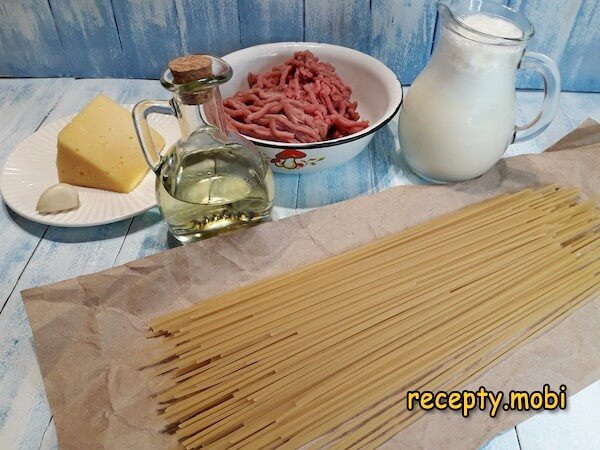
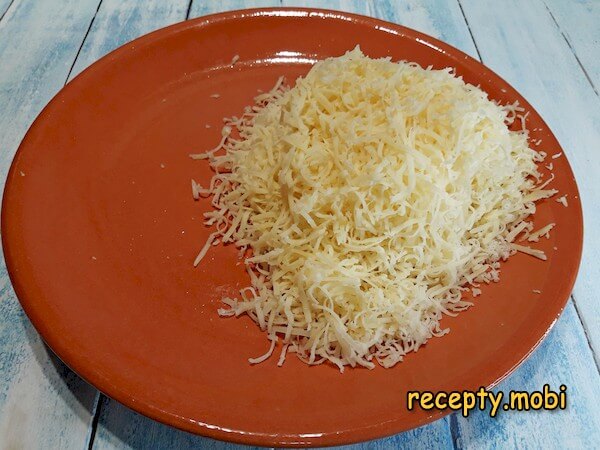
I grate the cheese on the fine side of the grater — fine grating dissolves into the cream sauce smoothly without lumping.
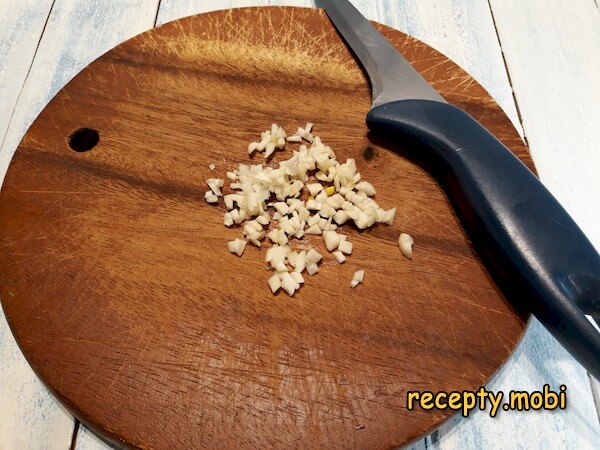
I finely chop the garlic with a knife. Pressed garlic gives more pungency; chopped is gentler — both work.
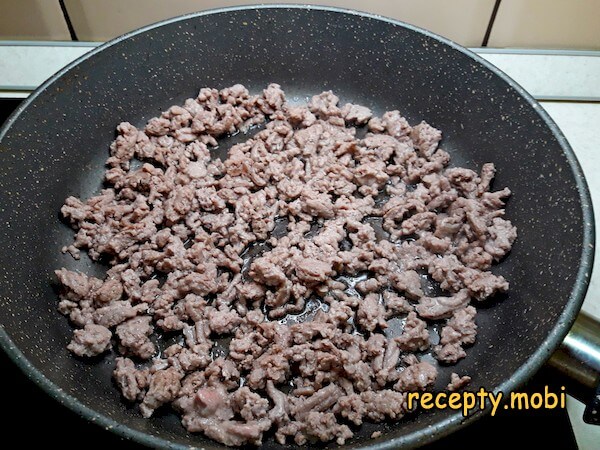
I heat the oil in a wide pan and add the minced meat. With a spatula, I break up clumps and fry over medium heat for 3-4 minutes — until the meat is no longer pink and starting to brown.
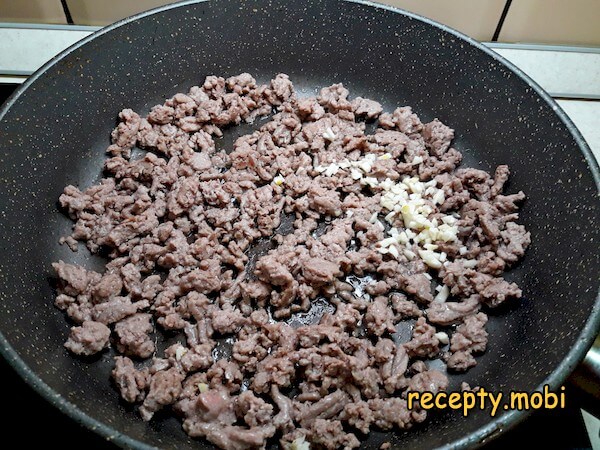
I add the chopped garlic at the end of the meat-frying — late addition keeps the garlic aromatic without scorching it.
I pour in the cream and bring to a boil, stirring continuously. The constant stirring keeps the cream from scorching at the bottom while the sauce comes up to temperature.
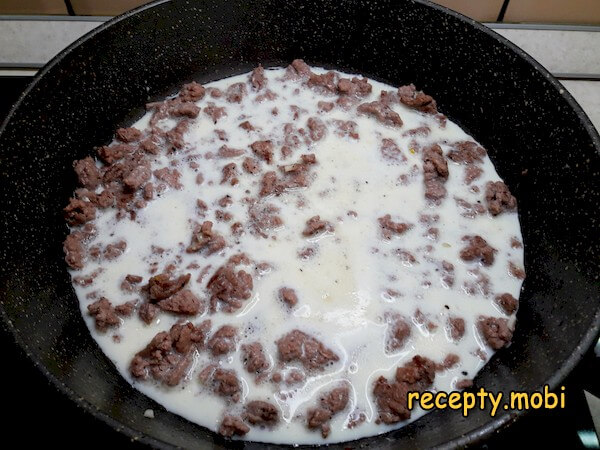
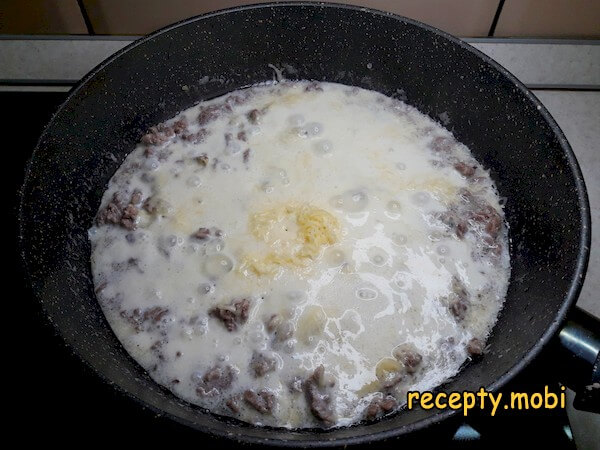
As soon as the first bubbles appear, I add the grated cheese in 2-3 portions, stirring quickly between additions. Once the cheese melts, I take the pan off the heat — overheating makes cream-and-cheese sauces split.
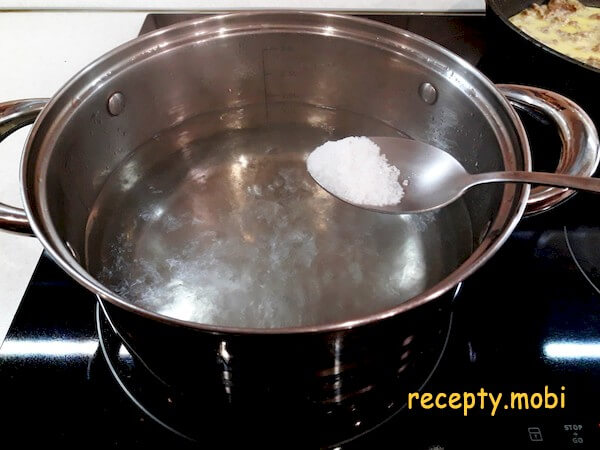
Meanwhile (this can run parallel to the sauce), I bring a pot of water to boil and salt it generously — pasta water should taste like the sea.
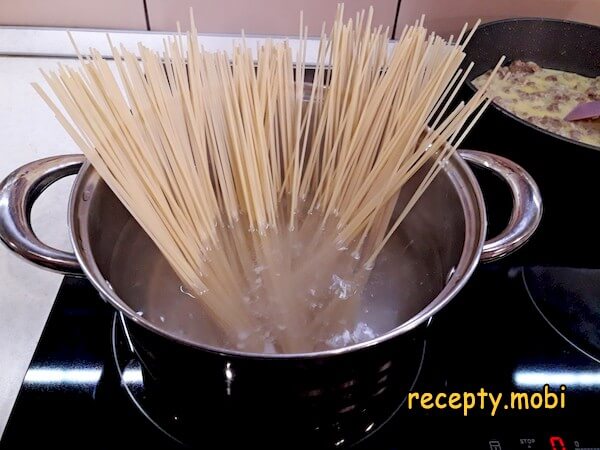
I drop the spaghetti into the boiling water and cook to package timing minus 1 minute (it'll finish in the sauce). About 5 minutes for thin spaghetti; longer for thicker shapes.
I drain the pasta through a colander, reserving a small cup of the cooking water in case the sauce needs loosening.
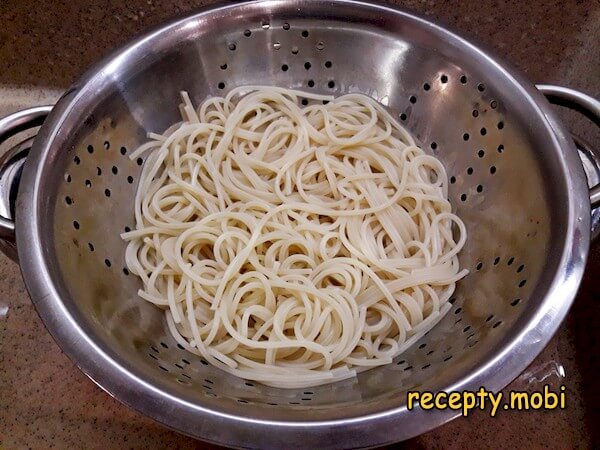
The drained pasta goes directly into the pan with the meat-and-cream sauce.
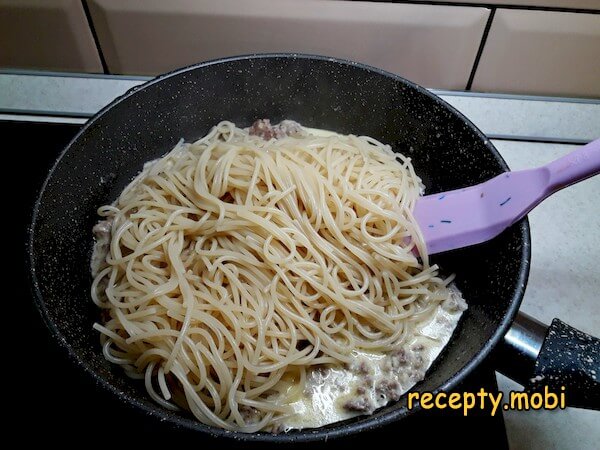
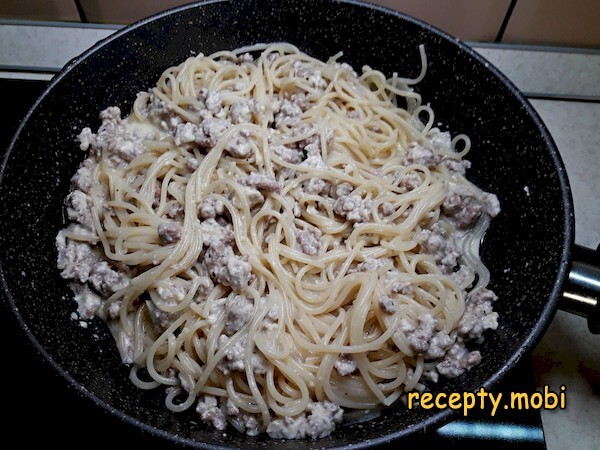
I toss the pasta and sauce together gently. The pasta absorbs the creamy flavour and the meat distributes throughout. If the sauce looks too thick, a splash of reserved pasta water restores silkiness.To serve, plate hot and finish with extra grated cheese and freshly ground pepper. The dish is at its peak in the first 5 minutes after assembly — cream-pasta dishes don't reheat brilliantly, so eat fresh.


Tips
- 1
CHOOSE THE RIGHT MINCE. Pork-and-beef mix (50/50) is the most common choice and gives balanced richness. Pure beef gives a heartier, more savoury result. Pure pork gives a sweeter, juicier sauce. Chicken or turkey mince work for lighter versions but lack the depth of red meat. Whatever protein, choose mince with 15-20% fat — lean mince gives dry sauce.
- 2
THE CHEESE MELT IS THE TRICKY PART. Adding cheese to nearly-boiling cream sauce risks splitting if you go too hot or stir too aggressively. The technique: take the pan off direct heat the moment cheese goes in, sprinkle in 2-3 portions while stirring with a wooden spoon (not whisk — too aggressive), and trust the residual heat to melt the cheese. Real cheese (parmesan, pecorino, aged cheddar) melts cleanly; pre-grated supermarket cheese sometimes doesn't due to anti-caking agents. For another cream-pasta variation worth comparing, see Bolognese Sauce with Minced Meat at Home for Lasagna, Pasta, Side Dish.
- 3
RESERVE PASTA WATER ALWAYS. The starchy cooking water is the pasta-cook's secret weapon — a tablespoon at a time loosens an over-thickened sauce while helping it cling to the pasta. Always reserve a small cup before draining; you'll find a use for it. This single habit elevates home pasta cooking dramatically.
- 4
ADD-INS FOR VARIETY. The basic recipe is great; small additions transform it. Try: 100 g of sliced mushrooms sautéed with the meat (earthy depth); 50 g of frozen peas added at step 6 (sweet pop); 1 tsp of dried oregano or Italian herbs (Mediterranean lean); 30 g of bacon or pancetta diced and rendered before the mince (smoky richness); 1 tbsp of tomato paste added with the cream (closer to Bolognese). For another sauce-based dish to round out your repertoire, try Greek Sauce Tzatziki.
FAQ
Why did my cream sauce split? +
Two usual causes. First, the cream was too low fat (under 20%) — low-fat cream contains too much water and not enough emulsifying fat, so it splits when heated with cheese. Use 20%+ fat cream. Second, you boiled the sauce too long after adding cream — extended boiling breaks the emulsion. Bring to just under a boil for cheese-melting, then immediately off heat. If the sauce splits, whisking in 1-2 tbsp cold cream off-heat sometimes rescues it; otherwise you have a "broken" sauce that's still tasty.
Can I make this dish vegetarian? +
Yes, with substitutions. Replace the minced meat with: 300 g sautéed mushrooms (cremini or wild blend, finely chopped) for a deeply umami version; or 300 g of plant-based mince (Beyond Meat, Quorn) for a closer texture match; or 200 g of cooked lentils for a Mediterranean lean. The vegetable versions are excellent in their own right but represent different dishes — the recipe is fundamentally a meat-and-cream-and-cheese pasta. Adjust seasoning upward; vegetables need more salt than meat to deliver similar savoury intensity.
How long does the dish keep? +
Best fresh — cream-pasta dishes degrade quickly. Refrigerated leftovers keep 1-2 days but the sauce thickens and the pasta absorbs the cream, becoming dry and clumpy. Reheat with a splash of milk or cream over very low heat, stirring continuously. Microwave reheating works in 60-90 second bursts at half power but tends to over-cook the pasta. The dish doesn't freeze well — cream sauce splits irreversibly on thaw. Make smaller batches as needed rather than meal-prepping ahead.
Can I substitute the cream with milk? +
Yes, but the sauce changes character. Whole milk gives a thinner, less rich sauce — pleasant but missing the indulgent quality of cream. To compensate: add 30 g of butter at step 6 alongside the milk for richness, and reduce the milk to 200 ml + thicken with 2 tsp of flour mixed with 30 ml cold milk added at the end. The result approximates a béchamel-based pasta sauce — different but tasty. For a lighter alternative entirely, use Greek yogurt instead of cream — adds tang plus creaminess without the heaviness.
- Comment
or post as a guest
Be the first to comment.