avg —
Pike Perch Fish Soup at Home

Instructions
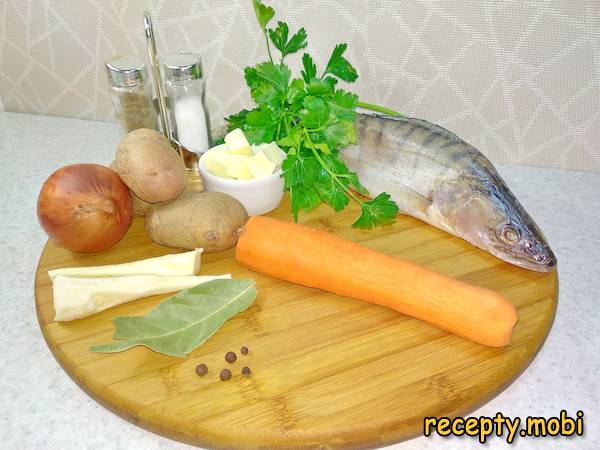
Gather all the ingredients on a clean work surface according to the recipe list for making pike perch fish soup at home. Having everything prepared and within reach before you start the cooking makes the multi-step process much easier to manage and ensures nothing important gets forgotten in the rush of putting together the finished dish.
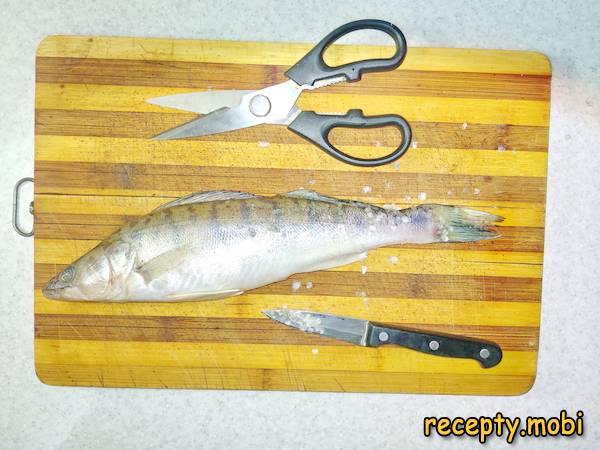
The pike perch needs to be cleaned of all its scales. A small sharp knife works conveniently for this task, though a dedicated fish scaler is even better if you happen to own one. Use kitchen scissors to cut off all the fins, since the fins contain sharp spikes that can hurt fingers during the gutting process that follows.
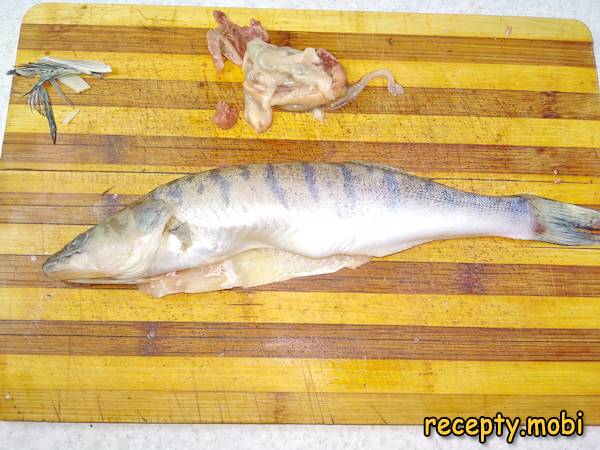
Gut the cleaned fish by cutting open the belly and removing all the internal organs. Remove the gills carefully from inside the head, since they can taste bitter when boiled. Cut open the belly cavity and clean out the dark film that lines the inside, using either a knife edge or a folded paper towel. Rinse the gutted fish thoroughly under cold running water.
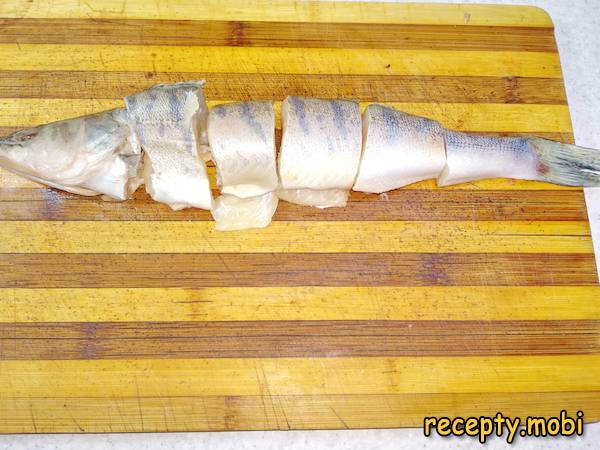
Cut off the head and the tail of the fish, since these parts will go into making the broth. Divide the rest of the fish carcass into portion-sized pieces with a sharp knife or kitchen cleaver, working through the spine cleanly with firm even pressure to avoid tearing the delicate flesh.
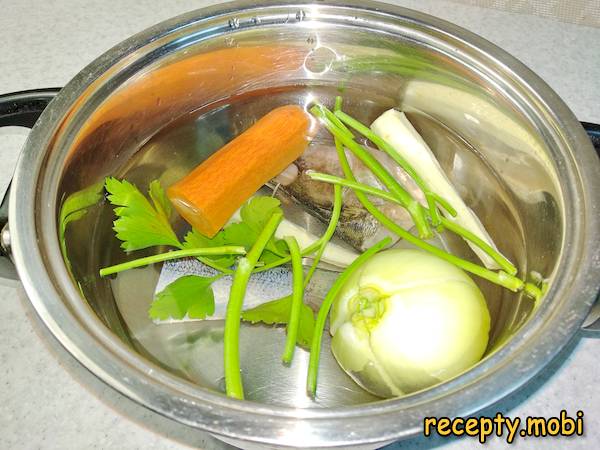
Pour one litre of cold water into a heavy-bottomed cooking pot. Add the fish head and tail, half of the carrot, the parsley root and the parsley stems to the pot. Cut the onion into quarters and add to the pot as well. Place the pot on the stove over medium heat to begin the broth-making process.
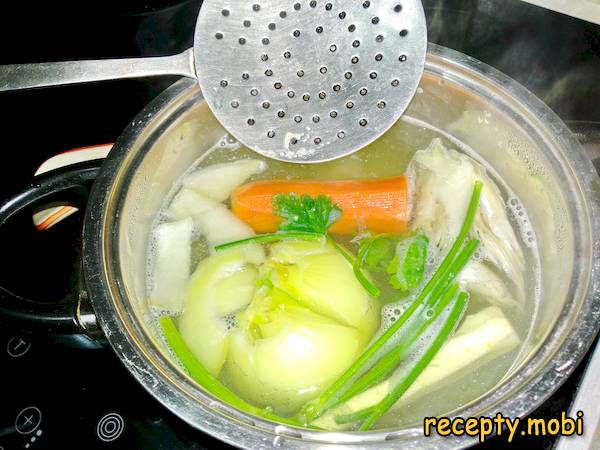
Bring the contents up to a gentle boil over medium heat. Cook with the lid off the pot, constantly skimming off any foam that forms on the surface using a slotted spoon or a fine mesh skimmer. The broth should cook for thirty to thirty-five minutes total, which extracts maximum flavour from the fish bones and aromatics.
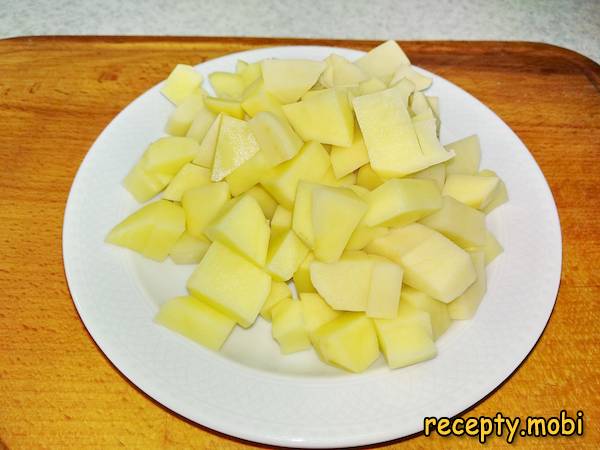
While the broth simmers gently, cut the peeled potatoes into small even cubes. The smaller the cube, the faster the potato will cook through to the centre, and the more cohesive the finished soup will appear when ladled into the serving bowls at the table.
Cut the remaining half of the carrot into thin sticks or small batons. The cut shape matters less than the size, since you want the carrot to cook through within the relatively short total cooking time of the soup once everything is added to the strained broth in the pot.

After half an hour of simmering, remove the boiled vegetables and the fish head and tail from the broth. Strain the broth carefully through a fine-mesh sieve into a clean cooking pot. Discard the spent vegetables and fish parts, since they have given up all their flavour to the broth at this stage.
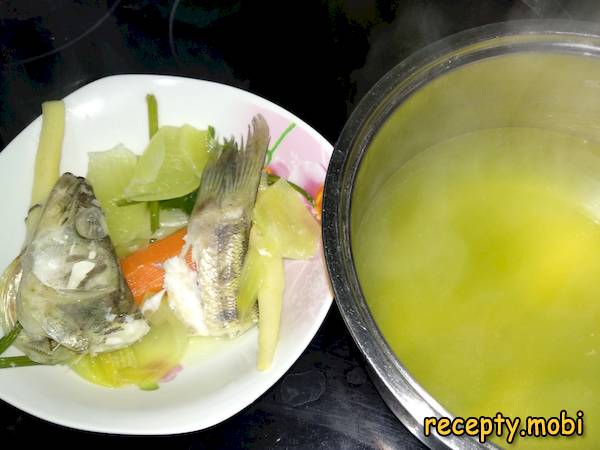
Bring the strained broth back up to a gentle boil and add the prepared diced potatoes to the pot. Salt the broth to taste at this stage, since salt added to a boiling broth dissolves and distributes more evenly than salt added to cool liquid. Continue cooking over medium heat.
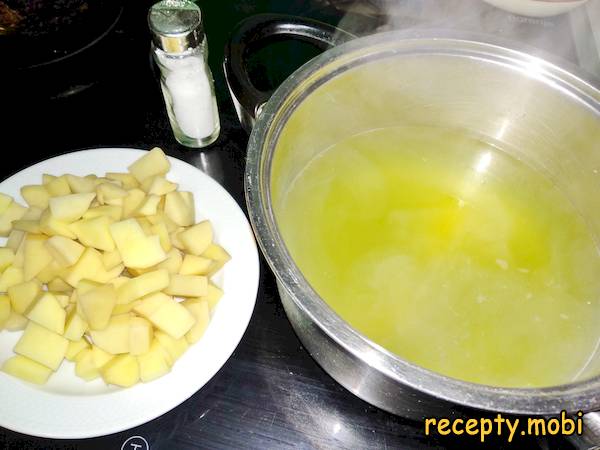
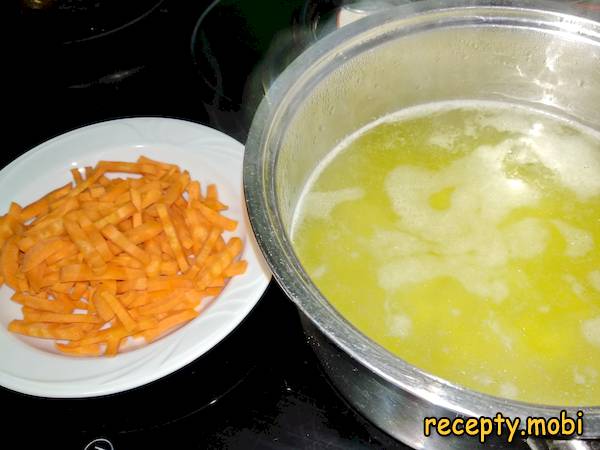
As soon as the broth with potatoes returns to a rolling boil, add the prepared carrot sticks to the pot. Bring the soup back to a gentle boil over medium heat and continue cooking until the potato is just tender when pierced with the tip of a sharp knife.
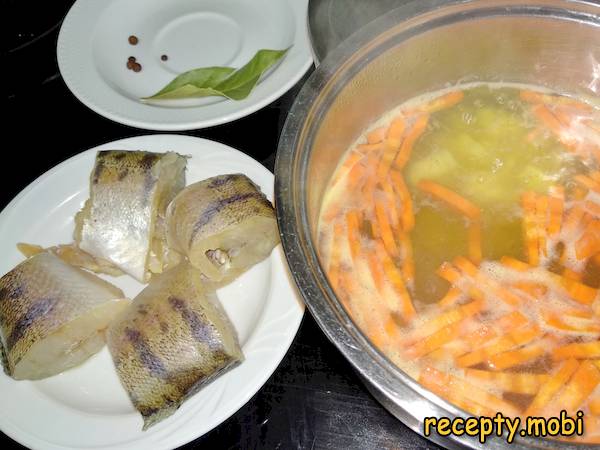
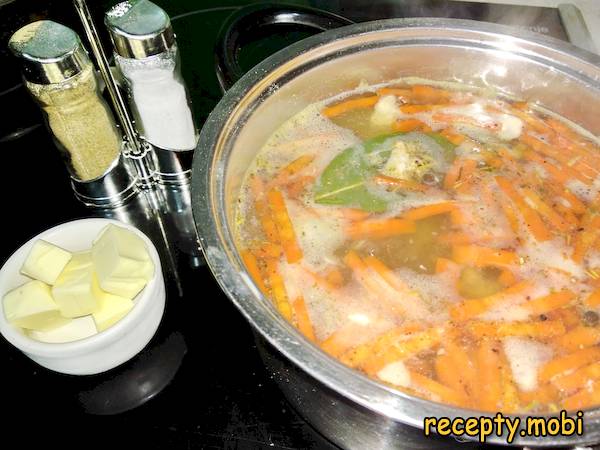
Once the soup with potatoes and carrots has come to a boil, gently lower the pieces of fish into the simmering broth. Immediately add the bay leaf and the allspice berries, then bring the soup back up to a gentle boil. Handle the fish pieces carefully to avoid breaking them up.
As soon as the soup boils with the fish in it, you can add a few small pieces of butter for extra richness if you wish. Add salt and freshly ground black pepper to taste. From the moment of boiling, cook the soup gently for about fifteen to twenty minutes more. Do not stir the ingredients in the pot during this final cooking step, since stirring will break up the delicate fish pieces.
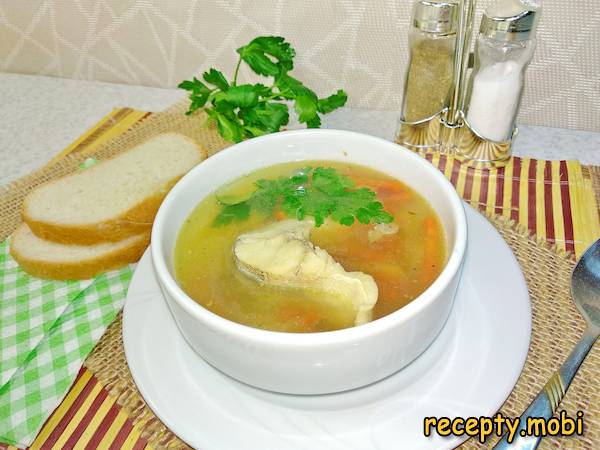
The pike perch fish soup is now ready. Let the soup steep gently with the lid on for fifteen minutes off the heat to allow the flavours to settle and merge fully. Then ladle the steeped soup into deep serving bowls and bring it proudly to the table. We recommend adding a generous handful of fresh chopped parsley to each serving bowl. Bon appetit!


Tips
- 1
The pike perch should be as fresh as possible for the cleanest tastiest broth. Look for clear bright eyes, firm springy flesh and a clean fresh smell rather than any hint of fishy ammonia at the fishmonger's counter. Frozen pike perch can substitute in a pinch, but should be thawed slowly overnight in the refrigerator rather than rushed in cold water for the best texture in the finished soup.
- 2
Skim the foam off the surface of the broth carefully throughout the simmering time, since the foam contains impurities that would otherwise cloud the finished broth. To pair this elegant fish soup with another classic Russian fish dish for a properly authentic dinner menu, try our colourful canned salmon fish soup with potatoes and rice as a quicker weeknight alternative.
- 3
Never stir the soup vigorously once the fish pieces are added to the broth, since stirring will break up the delicate flesh into shreds and produce an unattractive cloudy mess instead of clean visible chunks of fish. Move the pot gently to redistribute the ingredients if necessary, but otherwise let the soup simmer undisturbed for the cleanest most appetizing presentation in the bowl.
- 4
A small splash of vodka added to the finished soup just before serving is a traditional Russian touch that brings out the delicate flavour of the fish without adding any noticeable alcoholic taste. For another simple Russian-inspired soup recipe, try our refreshing green sorrel soup with egg and chicken for a bright springtime alternative on the family menu.
FAQ
Can I use other fish instead of pike perch? +
Absolutely. Cod, perch, pollock, halibut, sea bass and even rainbow trout all work beautifully in this style of clean fish soup and produce broadly similar results. Choose any firm white-fleshed fish with a delicate flavour for the most authentic experience. Stronger oily fish such as mackerel, herring or salmon would change the character of the soup significantly, so save those for richer fattier preparations rather than this elegant clear broth.
How can I tell when the fish is properly cooked? +
Properly cooked fish flakes easily when gently prodded with the tip of a fork at the thickest part of the piece. The flesh should be uniformly white and opaque all the way through, with no translucent pink centres remaining visible. About fifteen to twenty minutes of gentle simmering after the fish is added to the boiling broth is plenty for typical pike perch pieces. Overcooked fish toughens noticeably and loses its delicate texture, so watch the timing carefully.
Can I make this soup ahead of time? +
The broth itself can be made up to two days in advance and stored covered in the refrigerator until needed, which actually deepens the flavour beautifully. The fish, however, should always be added fresh on the day of serving and only briefly cooked, since reheated fish quickly turns rubbery and loses its delicate character. Add the prepared vegetables and the fresh fish pieces to the warm broth just before serving for the very best texture in the finished soup.
What can I serve alongside this soup? +
Pike perch fish soup pairs beautifully with thick slices of crusty rye bread, traditional Russian black bread or simple white sourdough toasted lightly and rubbed with a clove of garlic. A small bowl of soured cream on the side allows guests to add their own swirl, while a few cornichon pickles or pickled mushrooms provide bright contrasting flavours that complement the gentle warmth of the soup at the dinner table.
- Comment
or post as a guest
Be the first to comment.