avg —
Pollock Fish Cakes in the Oven

Instructions
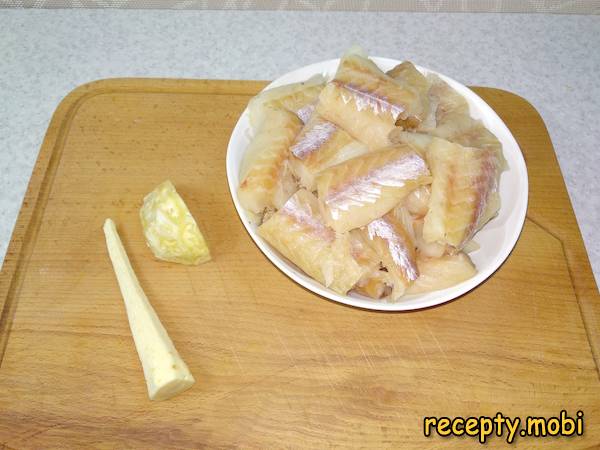
Buy whole pollock carcasses for the best flavour and freshness. Wash the fish thoroughly under cool running water, cut off all the fins with kitchen scissors, and gut the bellies. Pollock fillet from the freezer aisle also works as a more convenient alternative if you prefer to skip the cleaning step entirely.
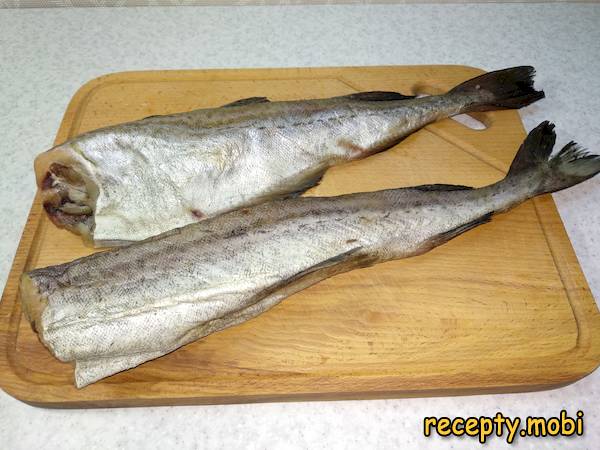
Separate the meat from the bones to obtain boneless fish fillet. Use a sharp filleting knife and work carefully to remove every small bone, since stray bones in fish cakes are unpleasant to encounter and potentially dangerous to swallow.
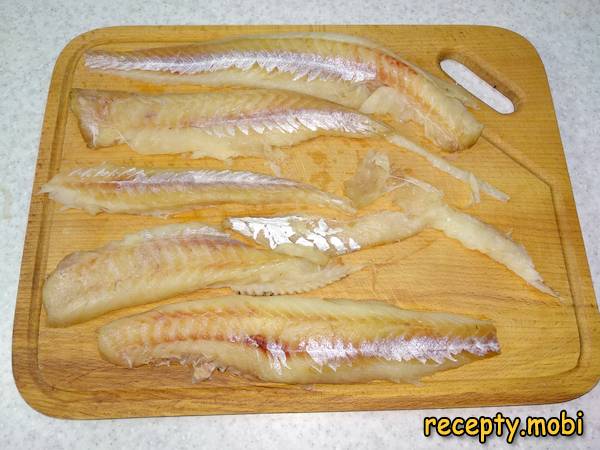
Cut the prepared fish fillet into smaller pieces ready for the meat grinder or food processor. Smaller pieces process more evenly and produce a more uniform texture in the finished filling than larger chunks of fish.
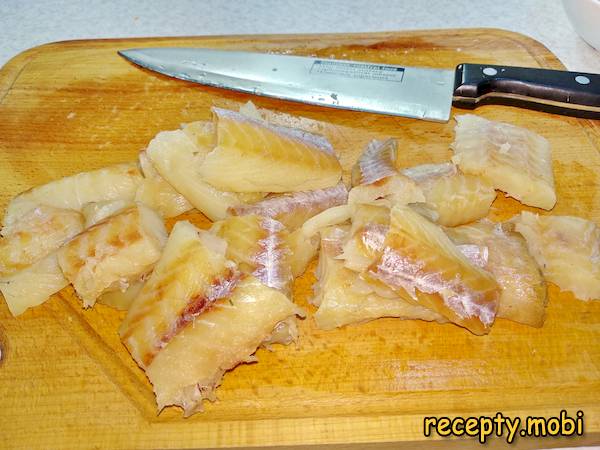
The fish is now ready. Prepare the other ingredients for making the filling: peel the onion, the celery root and the parsnip root, and have the bread, milk, egg and spices ready on the work surface within easy reach.
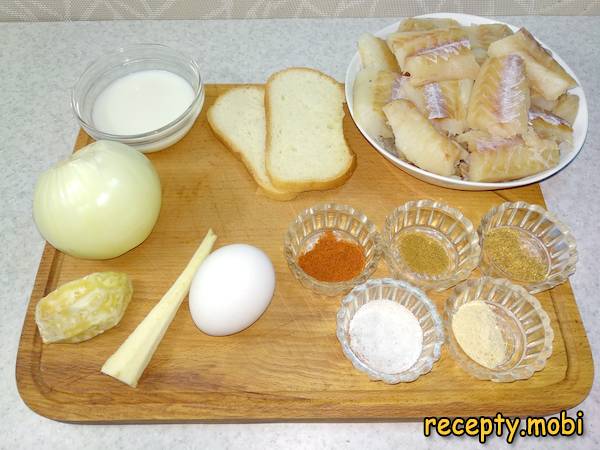
Soak the slices of white bread in the milk in a small bowl. Set the soaked bread aside for about five minutes to soften completely before adding to the fish filling. The soaked bread acts as a binder and produces a tender moist texture in the finished cakes.
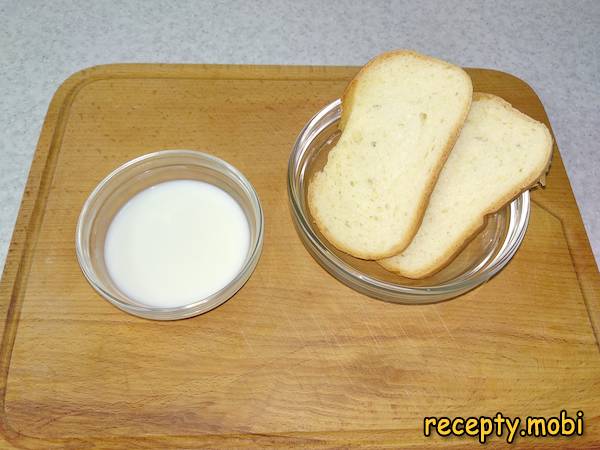
Pass the fish fillet, the celery root and the parsnip root through a meat grinder or process them together briefly in a food processor. Add the soaked bread (squeeze out excess milk first) and half of the peeled onion along with the fish during the grinding step.
Prepare the spice mixture according to the recipe list, or adjust the quantities to your personal taste. The combination of fish spices, paprika, dried garlic and ground pepper produces a beautifully aromatic finished cake without overwhelming the gentle flavour of the pollock itself.

Finely chop the remaining half of the onion and sauté it in a small frying pan with the paprika until soft and translucent. The brief sautéing step brings out the natural sweetness of the onion and develops a deeper richer flavour than raw onion would contribute to the cakes.

Add the prepared spices, salt to taste, the sautéed onion with paprika, and the egg to the fish filling in the bowl. Mix everything together thoroughly with clean hands or a sturdy wooden spoon until the mixture is completely uniform and smooth throughout.

Divide the prepared fish filling into equal portions (eight pieces makes nicely sized individual cakes) and shape each portion into an oval or round patty using cupped hands. Press gently to compact the cakes without squeezing out the moisture from the filling.

Roll each shaped cake in dried bread crumbs to coat the surface evenly. Grease a baking sheet with sunflower oil and arrange the breadcrumb-coated cakes on the prepared sheet, spacing them slightly apart to allow even browning during baking in the oven.

Meanwhile, preheat the oven to 190 degrees Celsius using both top and bottom heating elements. The dual heating produces evenly browned crusts on both surfaces of the cakes without the need to flip them halfway through the cooking time.
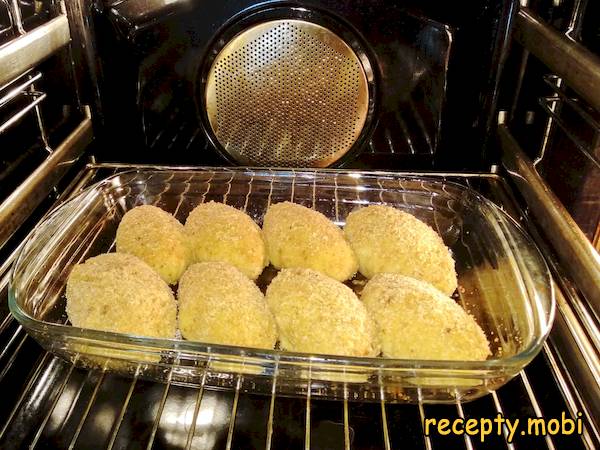
Cook the cakes in the preheated oven for forty-five minutes, until they are properly cooked through and a beautiful golden brown all over. Check periodically toward the end of the cooking time to make sure the tops do not burn before the centres are fully done.

Place the cooked cakes on a serving plate while still hot and bring them straight to the table. They go perfectly with rustic country-style potatoes, fluffy rice or a simple selection of steamed seasonal vegetables. Pollock fish cakes baked in the oven are also excellent for dietary nutrition. Cook this dish for your family and bon appetit!



Tips
- 1
Squeeze the soaked bread thoroughly to remove excess milk before adding it to the fish filling, since wet bread would make the cakes too soft to hold their shape during baking. The bread should still feel moist and tender to the touch but not be dripping wet. Properly squeezed bread blends invisibly into the fish mixture and acts as the perfect binder for tender juicy cakes that hold their shape on the baking sheet.
- 2
Sauté the onion briefly with paprika before adding to the fish, since raw onion can taste sharp and overpowering in finished cakes. To pair these healthy oven-baked fish cakes with another simple fish recipe for variety in your weekly menu, try our beautifully clean pike perch fish soup at home for an elegant celebration meal.
- 3
Roll the shaped cakes in dried bread crumbs for a beautifully crispy crust during baking. The breadcrumb coating absorbs any oil from the baking sheet and forms a properly golden brown crust that contrasts wonderfully with the tender moist interior of each cake. Use coarsely ground homemade crumbs from stale bread for the best texture, or fine commercial panko crumbs for an even crispier finish.
- 4
Serve the finished cakes with a small bowl of homemade tartar sauce or fresh lemon wedges for guests to squeeze over the top at the table. For another easy oven-baked main course recipe to add variety to your weekly meal rotation, try our beautifully tender chicken with potatoes and zucchini in the oven as a comforting alternative.
FAQ
Can I substitute another fish for pollock? +
Absolutely. Cod, hake, haddock, halibut and even basa or pangasius all work brilliantly in this style of fish cake and produce broadly similar results. Choose any firm white-fleshed fish with a relatively mild flavour for the most authentic experience. Stronger oily fish such as salmon, tuna or mackerel would change the character of the cakes significantly, so save those for richer recipes rather than using them in this gentle classic preparation.
Why are my fish cakes falling apart? +
Fish cakes that fall apart during baking usually mean either the filling lacked sufficient binder (egg or soaked bread) or the patties were not pressed firmly enough during shaping. Add an extra egg or a few more tablespoons of soaked bread to the filling next time, and press each cake firmly between cupped hands during shaping to compact the filling properly. Chilling the shaped cakes briefly in the refrigerator before baking also helps them hold their shape during cooking.
Can I freeze these fish cakes? +
Yes, both raw and cooked fish cakes freeze well for up to three months in airtight containers. For raw cakes, freeze them flat on a tray first then transfer to a sealed bag, which prevents them sticking together. Cook from frozen by adding ten extra minutes to the baking time. For cooked cakes, cool completely first, then wrap individually in foil and freeze. Reheat from frozen in a moderate oven for about fifteen to twenty minutes until hot through to the centre.
What can I serve alongside these fish cakes? +
Country-style roasted potatoes, fluffy boiled rice, mashed potatoes with butter, a fresh green salad, or simple steamed seasonal vegetables all pair beautifully with these healthy fish cakes. A small bowl of homemade tartar sauce, a wedge of fresh lemon to squeeze over the top, or even a simple yoghurt-and-dill dip on the side adds a complementary fresh note to the meal. The cakes also work well in soft white bread rolls as a more casual lunchtime fish burger.
- Comment
or post as a guest
Be the first to comment.