avg —
Pumpkin Pancakes

Instructions
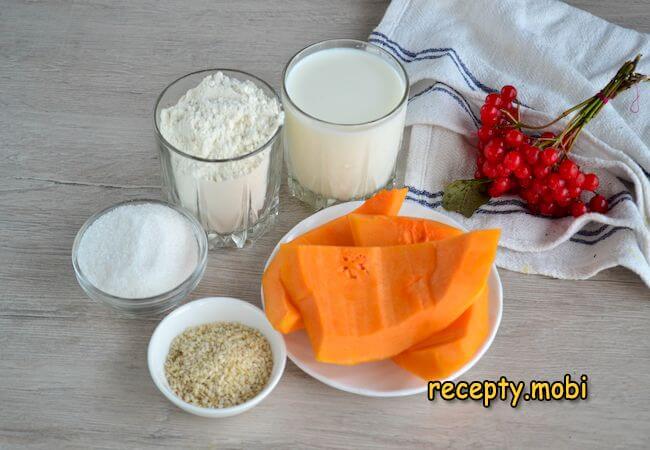
Lay out every ingredient on the counter before starting the batter. Choose muscat pumpkin if at all possible; the variety has a deep orange color with a slight pink tint and naturally higher sugar content than other pumpkin types, making it the ideal choice for sweet baked goods like these pancakes.
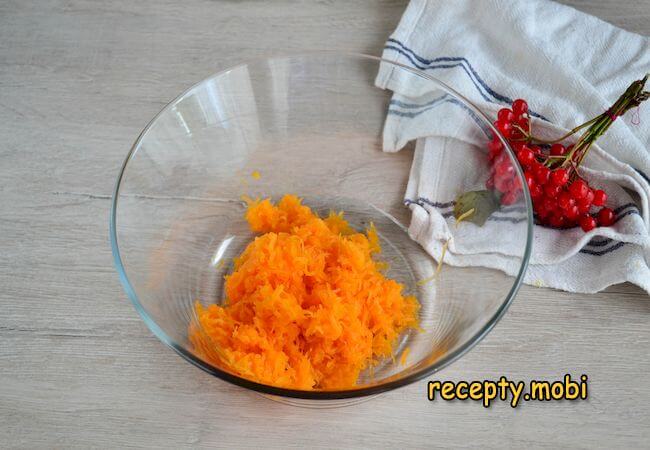
Grate the peeled pumpkin on the fine side of a vegetable grater. Pumpkin is naturally juicy and releases a fair amount of liquid as it grates; do not drain or discard this juice, since it carries the concentrated pumpkin flavor that gives the pancakes their character.
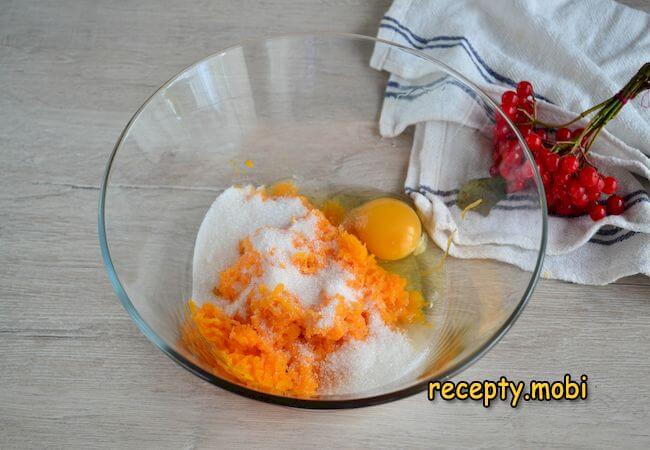
Add the sugar and the egg to the grated pumpkin in a roomy mixing bowl. Whisk the three components together with a fork or balloon whisk until the mixture turns smooth and the sugar starts to dissolve into the released pumpkin juice and beaten egg.
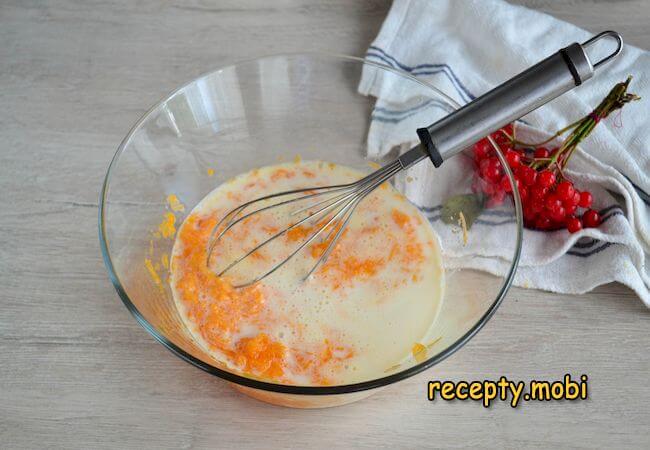
Pour in about half of the measured milk and whisk thoroughly to combine. Adding the milk in stages prevents the batter from forming stubborn lumps that resist breaking up later; a thicker initial mixture catches lumps before they have a chance to set.
Add all the flour at once and whisk vigorously to remove every lump from the batter. Lumps dissolve much more easily in a thicker batter than in a runny one, which is the reason for the staged liquid additions. The batter should be quite thick at this stage, almost like a soft dough, before the rest of the milk goes in to thin it.
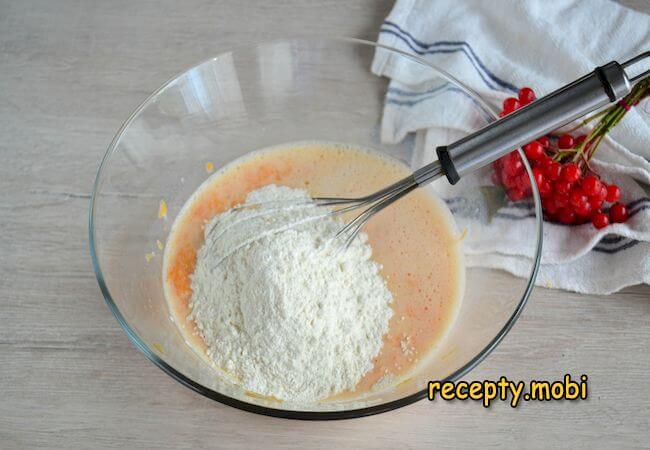
Add the sesame seeds and stir them through the thick batter. Now begin adding the rest of the milk in small splashes, whisking after each addition, until the batter reaches the perfect pouring consistency: thin enough to flow but thick enough to coat the back of a wooden spoon. The right viscosity produces thin even pancakes that swirl beautifully across a hot skillet.
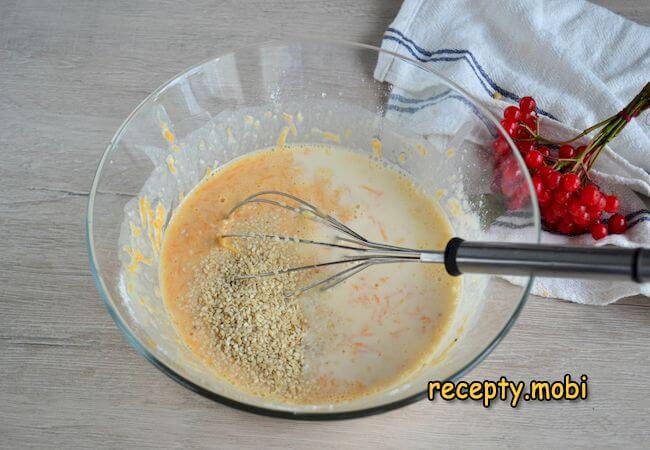
Stir in the two tablespoons of sunflower oil last, mixing until the oil disappears completely into the batter. Let the finished batter rest at room temperature for fifteen minutes before frying. This rest hydrates the flour fully and produces noticeably more tender, flexible pancakes than batter cooked immediately after mixing.
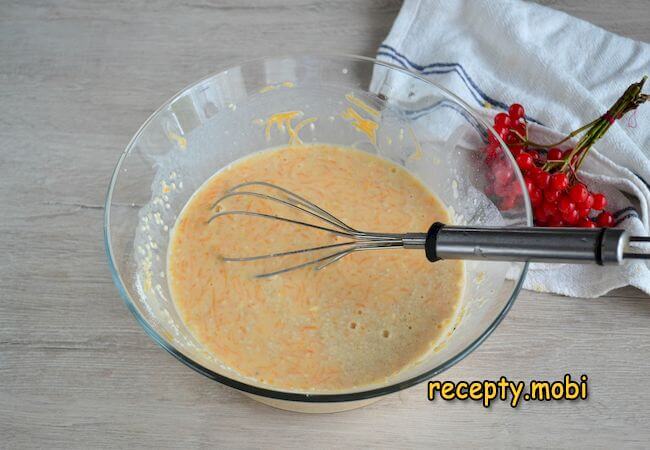
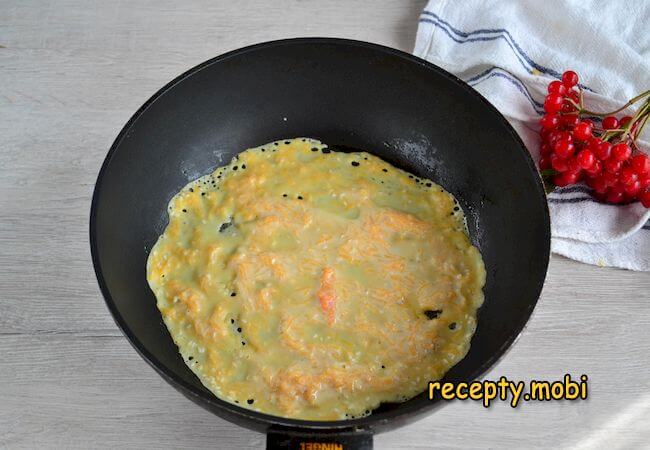
Heat a wide skillet or dedicated pancake pan over medium heat. Brush a film of vegetable oil across the surface with a paper towel before pouring the first pancake; subsequent pancakes need no extra oil because of the oil already in the batter. Pour about two-thirds of a ladle of batter into the centre and tilt the pan in a circular motion to spread it across the entire surface. Cook these pumpkin pancakes slightly longer than plain ones to make sure the grated pumpkin cooks through fully.
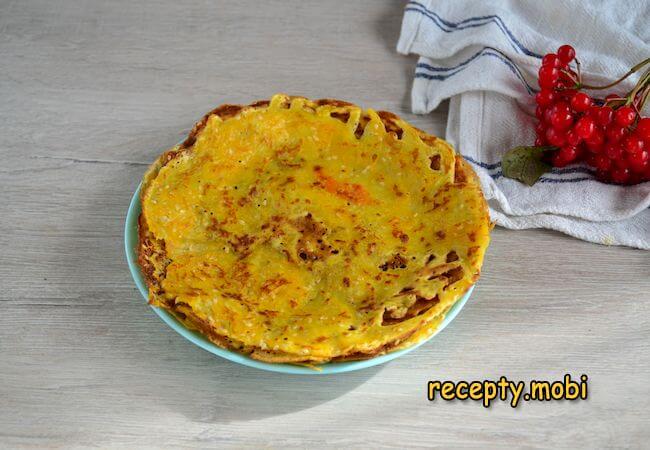
The pumpkin pancakes are ready to serve. The classic accompaniment is a generous dollop of sour cream, which balances the natural sweetness of the pumpkin with cooling tang. Stack the warm pancakes on a serving plate and bring them to the table while the edges are still slightly crisp from the pan. Enjoy your meal.


Tips
- 1
Toast the sesame seeds in a dry pan for two minutes before stirring them into the batter. Untoasted sesame tastes flat and bland; toasting awakens the natural oils and produces the deep nutty flavor that complements the pumpkin so beautifully. Watch the seeds carefully because they move from golden to burnt in seconds; shake the pan continuously and pull them off the heat the moment they turn the color of clear honey for the perfect aromatic addition.
- 2
Use butter rather than oil for greasing the skillet between pancakes for the most flavorful crust. A small piece of butter melted on a paper towel and rubbed across the hot pan adds a subtle nutty richness that vegetable oil cannot match. Pair these pumpkin pancakes with a smaller dessert like the holiday-favorite honey-ginger cookies for a complete brunch table.
- 3
Resist the temptation to skip the fifteen-minute batter rest at the end of mixing. The rest hydrates the flour fully and develops the gluten just enough to give the pancakes their characteristic tender flexibility without making them tough. Pancakes cooked immediately after mixing turn out brittle and crack when folded; pancakes from rested batter fold and roll beautifully without tearing, which matters especially when serving with fillings or rolling them around fruit for dessert.
- 4
Choose ripe muscat pumpkin with a deep orange flesh and sweet aroma when uncut. Mature pumpkins concentrate their natural sugars and produce the sweetest, most flavorful pancakes; underripe pumpkins taste flat and watery and need extra sugar to compensate. The skin should resist gentle pressure from a fingernail, and the stem should be firm and dry rather than green and soft. For another comforting pumpkin treat with similar warm spice notes, try the pumpkin muffins with chocolate glaze.
FAQ
Can I make these pancakes with another type of pumpkin or squash? +
Yes, several alternatives work well in this versatile recipe. Butternut squash is the closest substitute for muscat pumpkin and produces nearly identical results with the same sweet, slightly nutty flavor. Hubbard squash works beautifully for an even sweeter version with deeper orange color. Sugar pumpkin (also called pie pumpkin) is the most widely available option in many countries and gives perfectly satisfying pancakes. Avoid the large carving pumpkins sold for Halloween, which are bred for size rather than flavor and produce watery, bland pancakes. Whichever variety you choose, taste a small piece raw to confirm it is sweet enough.
Can I freeze leftover pumpkin pancakes? +
Yes, pumpkin pancakes freeze beautifully for up to two months and reheat with very little loss of texture. Cool the cooked pancakes completely on a wire rack, then stack them with squares of parchment paper between each layer to prevent sticking. Place the stack inside a freezer bag with as much air pressed out as possible. To reheat, microwave a single pancake for thirty seconds or warm a stack in a low oven for ten minutes wrapped in foil. The texture stays surprisingly close to fresh; the make-ahead freezer batch is a smart strategy for busy weekday breakfasts.
What sweet toppings pair best with pumpkin pancakes? +
Several toppings complement the natural pumpkin flavor beautifully. Maple syrup is the classic North American choice and pairs perfectly with the warm autumnal notes. Honey adds floral sweetness that works particularly well with the toasted sesame seeds. A spoonful of cream cheese mixed with vanilla and a touch of sugar creates an indulgent spread that turns the pancakes into a dessert. Caramelized apples or pears spooned warm over the top echo the autumnal theme. For a Russian-style serving, a generous dollop of sour cream alongside a small bowl of strawberry or apricot jam offers the most traditional combination.
Why are my pumpkin pancakes soggy in the middle? +
Soggy centres usually point to three issues. The most common is using too much pumpkin or too coarse a grate, which leaves large pieces that release moisture as they cook. Stick to the measured quantity and use the fine grater. The second cause is too low a pan temperature; pumpkin pancakes need slightly higher heat to evaporate the extra moisture. The third is flipping too early; let each pancake set fully on the first side until bubbles form across the entire surface and pop, then flip confidently for the second side.
- Comment
or post as a guest
Be the first to comment.