avg —
Rich Yeast Dough for Pies and Turnovers

Instructions
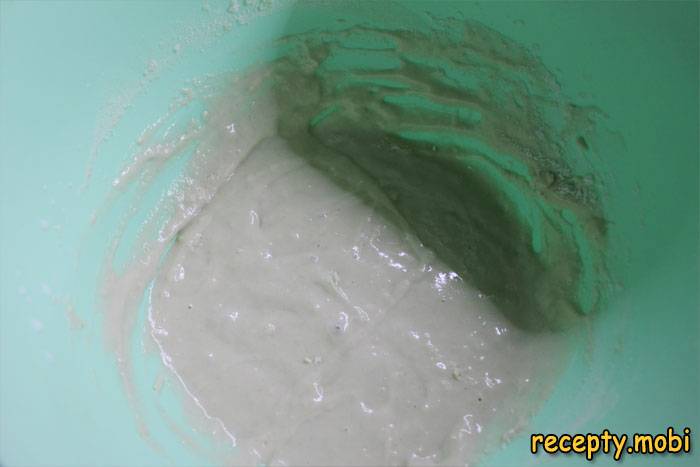
Dissolve fresh live yeast in milk. The liquid should not be more than 40 degrees in temperature. Add a spoonful and a little flour. Mix all the ingredients. The consistency of the leaven should be similar to thick sour cream. Cover the container with the prepared leaven with cling film and immediately place it in a warm place for fifteen minutes for proper activation.
Combine eggs with soft butter, salt, vanilla, and sugar. The fully softened butter incorporates seamlessly without lumps that prevent proper dough development.
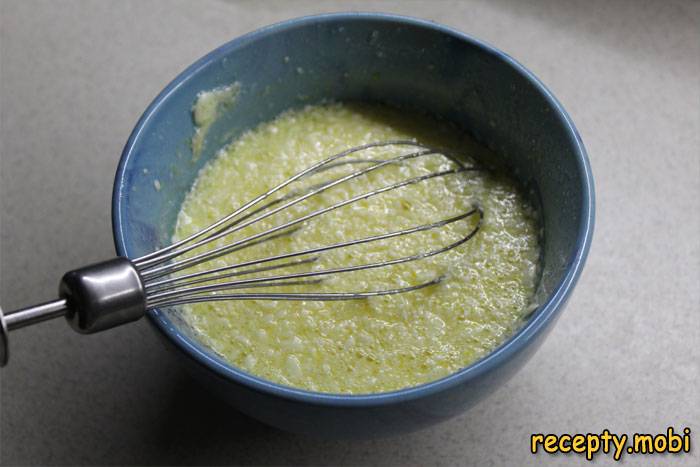
Pour the butter mixture into the leaven liquid. Mix the ingredients together for proper integration before flour addition.
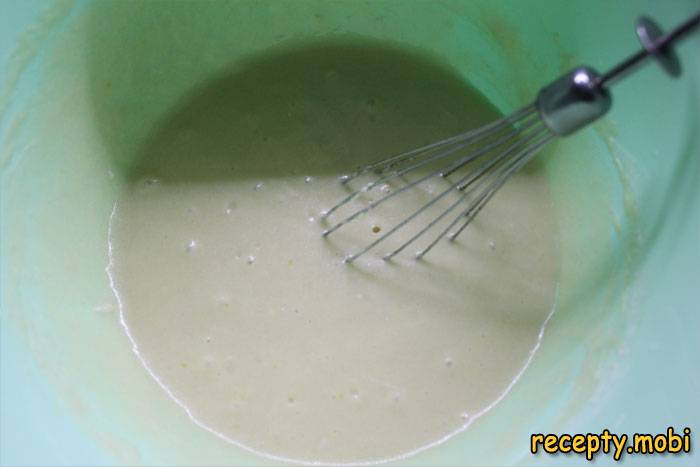
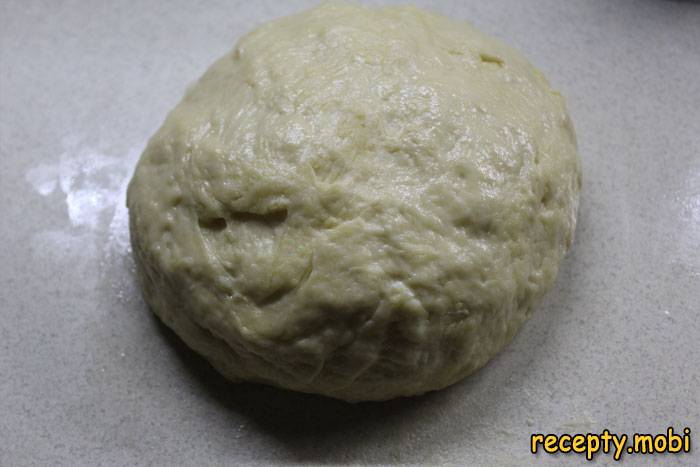
Sift the flour into the mixture of leaven and butter. Knead elastic dough. Grease the dough ball with oil and let it rise. For this, thirty minutes in a warm place is sufficient for proper first-rise development.
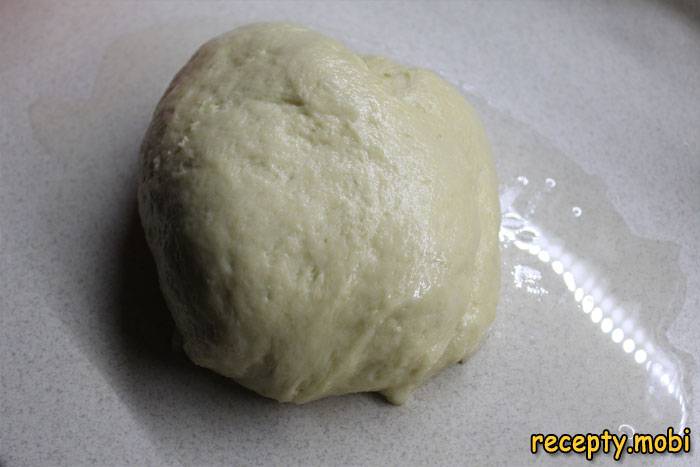
Punch down the risen dough on the oiled surface. Let it rise again for another fifteen minutes. Repeat the kneading and rising once more for proper gluten development and tender finished texture.
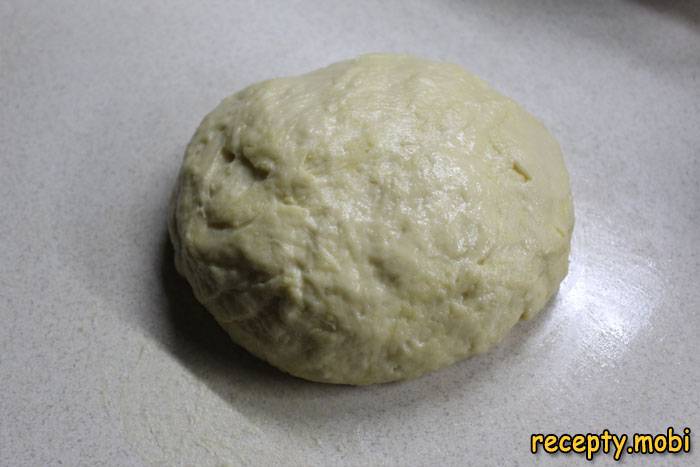
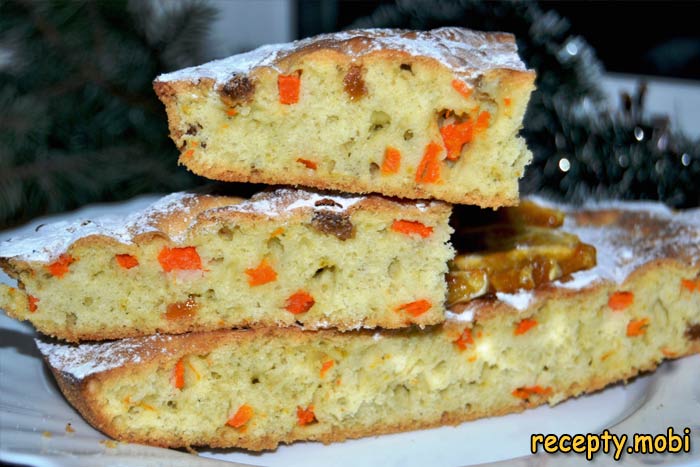
Finally, punch down the dough. The sweet yeast dough for pies and patties is ready to use!This sweet yeast dough is perfect for making fragrant pies with filling and patties. The dough is very easy to prepare. It rises easily and turns golden brown, very airy, and fluffy during baking. The dough will yield twenty patties, with 50 grams of dough for each.


Tips
- 1
Use fresh active yeast for the best rise and flavor development. Old or expired yeast produces flat dense dough; fresh active yeast produces the signature airy fluffy texture authentic to traditional Russian-style pies. Test yeast freshness by adding to warm milk with sugar — active yeast bubbles vigorously within 5-10 minutes. The yeast quality matters significantly for finished dough quality consistently across batches and various pie preparations throughout the year.
- 2
Keep all ingredients at room temperature for proper dough development. Cold ingredients shock the yeast and slow rise times significantly; room-temperature ingredients allow yeast to work optimally throughout the rising process. The same temperature-management principle elevates all yeast doughs including homemade burger buns and similar enriched-dough preparations across various baking applications throughout the year.
- 3
Allow proper double-rise development for the lightest finished texture. Single-rise doughs produce dense pastries; double-rise doughs show the signature airy character expected from traditional Russian-style pies and patties. The patience pays back significantly in finished pastry quality consistently across batches and improves the depth of finished aromatics produced through the proper resting periods. Cover the dough with damp towel during rising to prevent surface drying.
- 4
Pair the finished dough with traditional Russian fillings for proper pastry presentations. Sweet fillings like jam, fresh fruit, sweet cottage cheese pair beautifully with the enriched dough character. Pair the finished pies with crusty homemade bread alternatives for elegant breakfast spreads, hot tea for traditional Russian afternoon tea-time accompaniment, or savory soup as substantial main-course breads worth showcasing at family gatherings throughout the year.
FAQ
Can I use dry yeast instead of fresh? +
Yes, substitute 7-8g of active dry yeast or instant yeast for the 20g of fresh yeast in this recipe. Dissolve the dry yeast in the warm milk with a pinch of sugar, wait 10 minutes for activation bubbles to confirm freshness, then proceed with the recipe as written. Both yeast types produce equally excellent finished results across various baking applications. The fresh yeast is most traditional Russian-style; the dry option is most convenient for modern kitchens.
How long does the prepared dough keep? +
Refrigerated in a covered container, the dough keeps for 3 days at peak quality. After 3 days the yeast activity declines noticeably and rise quality suffers significantly during baking. The dough freezes well wrapped tightly for up to 3 months — thaw overnight in the refrigerator before bringing to room temperature for baking. Always punch down refrigerated or thawed dough before final shaping for proper texture across multiple baking sessions throughout the month.
Why is my dough not rising properly? +
Three usual causes: dead or expired yeast (always test fresh activity first), cold environment (yeast prefers 24-28 degrees Celsius for optimal activity), or too much salt (excessive salt kills yeast activity completely). Address all three factors for consistently fluffy results. The combination of fresh active yeast, warm rising environment, and proper salt amount produces dramatic rise reliably across baking sessions and various recipe variations consistently throughout the year.
What fillings work best for pies and patties? +
Sweet options: jam, fresh fruit, sweet cottage cheese, poppy seeds, apple-cinnamon, cherry preserves all work beautifully. Savory options: ground meat with onions, cabbage, potato-mushroom, fish-rice, hard-boiled eggs with green onions all pair excellently with the enriched dough. Each filling produces distinct character; mix and match based on personal preference and seasonal availability for endless variations across various meal occasions throughout the year.
- Comment
or post as a guest
Be the first to comment.