avg —
Rose Petal Jam

Instructions
Place the necessary products for making the rose petal jam on the work surface ready for the cooking step.
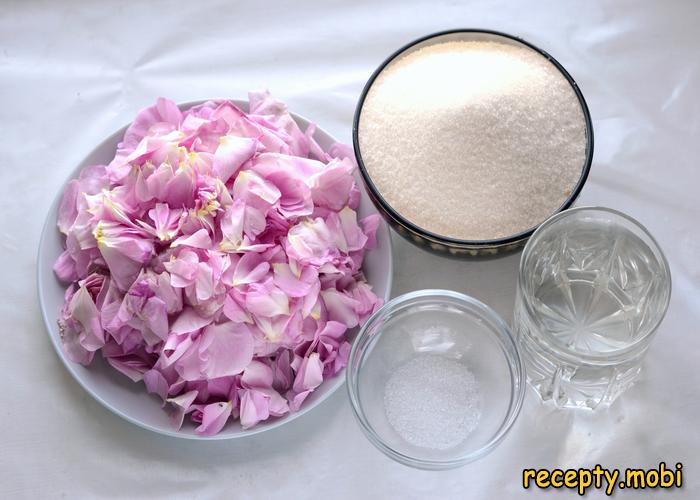
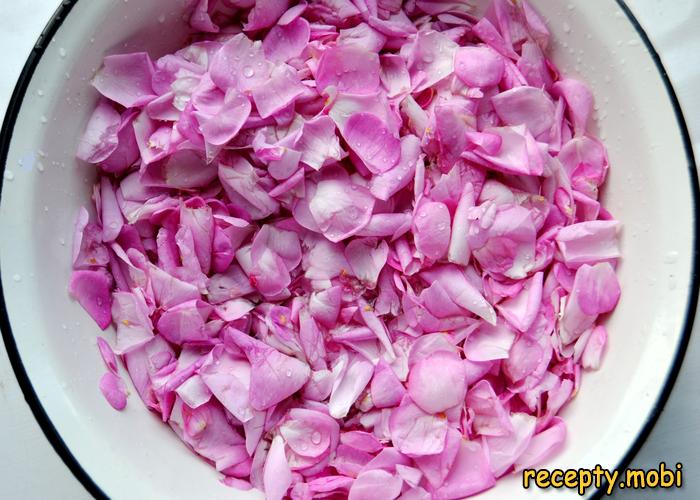
Cut off the freshly blossomed buds of the tea rose early in the morning when the dew is still on them. After bringing the flowers home, immediately start preparing them. First, carefully remove the petals from the rose buds. Cut the petals so that their hard white tips remain on the receptacle, which we throw away. Spread the prepared petals on a flat surface for a while to get rid of any insects that may be hiding in the flowers. Then rinse the rose petals briefly with clean cool water, leave them in a colander (to drain excess moisture), and shake them several times.
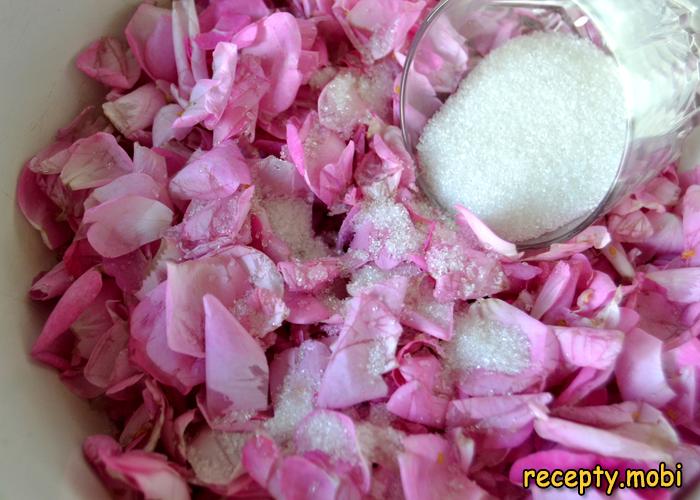
Pour 100 grams of sugar into the bowl with the cleaned rose petals, and mash everything together with a wooden pestle or your clean hands. Leave the mashed mixture in the bowl while we prepare the cooking syrup.
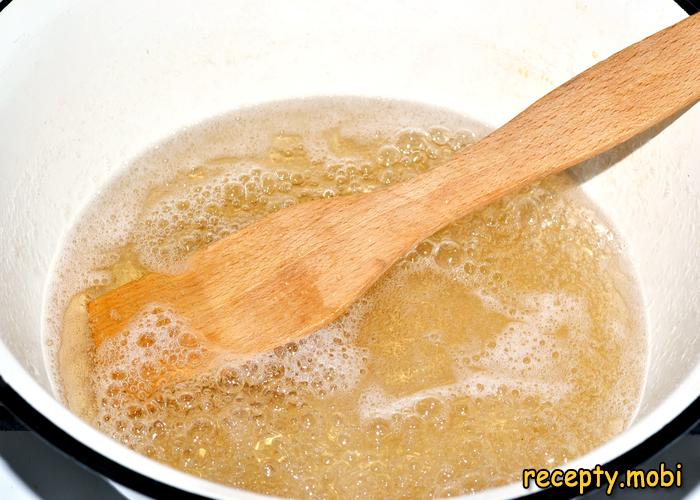
Mix the remaining sugar with the water and put in a small cooking pot over the heat, letting it boil for a couple of minutes total. Remove any foam that forms on the syrup with a spoon.
Add the prepared sugar-petal mixture to the boiling syrup and stir gently. Boil the jam, stirring continuously, for 10 minutes total over medium heat.
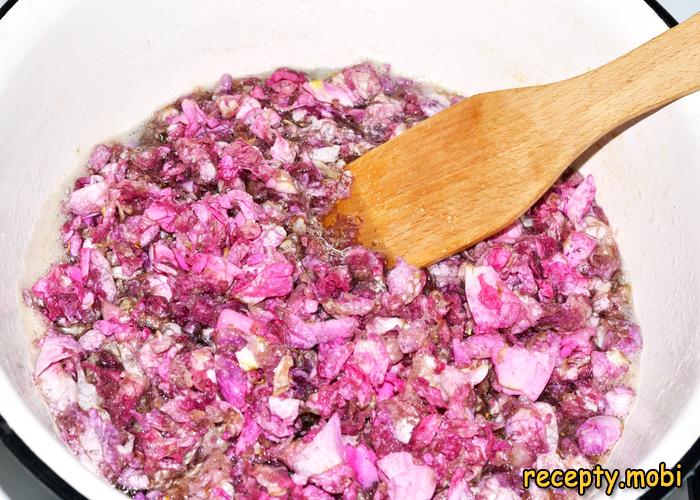
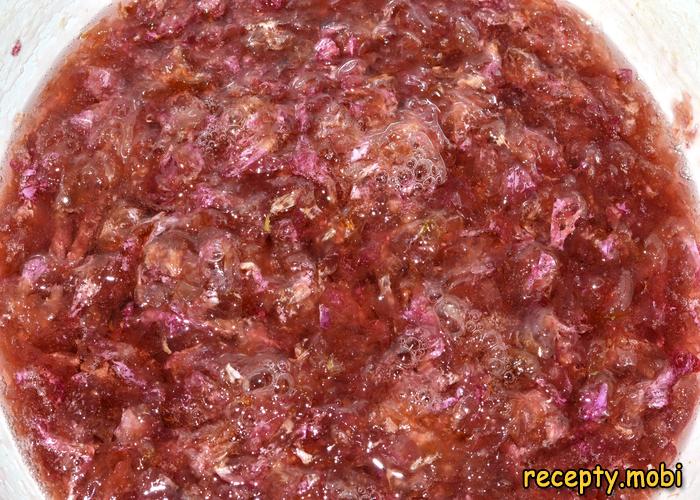
Add the citric acid, then boil for another 5 minutes total. The freshly made pink jam may seem disappointingly liquid at this point, but during long-term storage, it will properly thicken further, and the syrup in it will become noticeably thicker and more viscous in the spoon.
Sterilize the glass jar and lid for the jam properly. Fill the jar with the still-hot jam and seal it tightly. Place the sealed jar upside down on a clean towel, leaving it in this position for 30 minutes total. Then return the jar to its normal position and store it in a dark cool location.
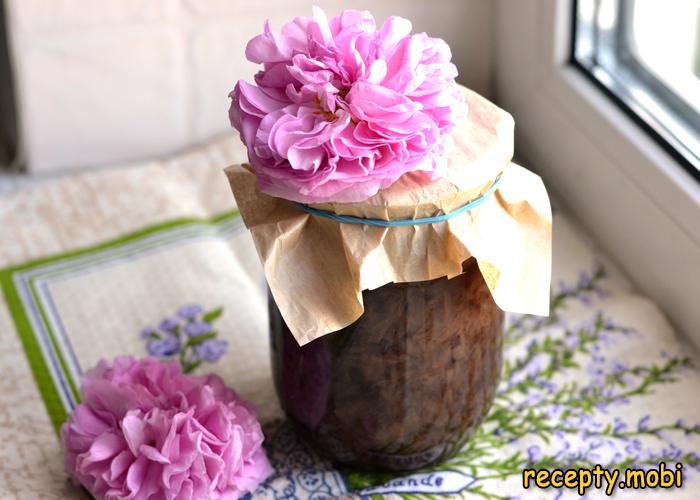
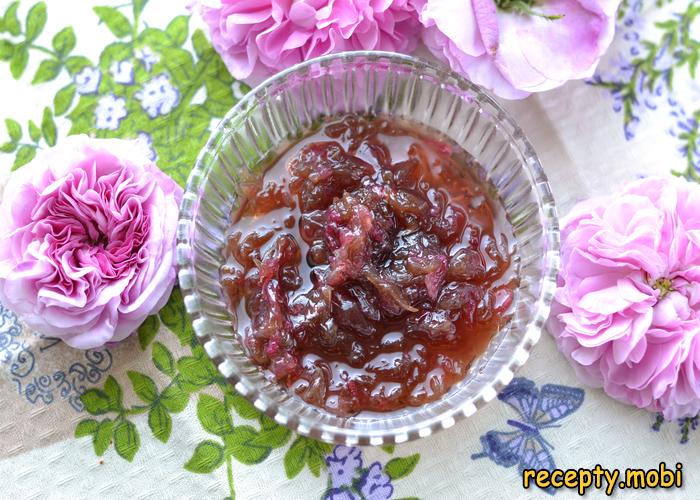
Cook with pleasure and enjoy the beautifully fragrant and naturally healthy pink jam made from fresh rose petals.


Tips
- 1
Use only food-grade pesticide-free roses (preferably the heavily fragrant tea rose variety) for the safest and most beautifully aromatic finished jam, since pesticide-treated roses from the florist would contaminate the food product. The brief search for organic garden-grown roses or food-safe rose petals at a herbal supplier genuinely matters for safe and properly delicious finished results every single time at home.
- 2
Pick the rose petals early in the morning when their natural fragrance is at the absolute peak, since the volatile aromatic compounds dissipate quickly during the heat of the day. To pair this beautifully fragrant rose petal jam with another properly classic homemade preserved-fruit preparation for variety in your pantry shelves, try our beautifully tart cherry jam with pits for winter as a contrasting deep-red alternative.
- 3
Mash the petals with sugar before adding to the syrup, since the brief mashing step properly bruises the petals and releases their fragrant essential oils into the surrounding sugar before cooking. The brief patience for proper mashing genuinely matters for the most beautifully aromatic finished jam every single time. Use a wooden pestle or simply your clean hands for the gentlest effective mashing.
- 4
Serve the rose petal jam stirred into hot black tea, drizzled over plain Greek yoghurt, spread on toasted brioche, or even paired with soft creamy cheeses for a properly elegant finishing touch. For another properly classic homemade preserved-fruit recipe to add variety to your pantry shelves, try our beautifully sweet strawberry and pitted cherry jam as a contrasting summer-berry alternative for varied tea-time treats.
FAQ
What kind of roses should I use? +
Use only fragrant tea roses, damask roses, or rosa rugosa (beach rose) varieties for the most beautifully aromatic finished jam, since these specific traditional varieties have the strongest natural rose perfume. Modern hybrid tea roses bred for visual beauty rather than fragrance often lack the proper aromatic intensity needed for jam. Avoid using florist roses, which are typically treated with pesticides unsuitable for food use. Garden-grown organic roses or specifically food-grade rose petals from herbal suppliers are the safest choices.
Can I use dried rose petals? +
Yes, dried food-grade rose petals can be substituted for fresh petals, although the finished flavour profile will be noticeably milder. Use about half the weight of dried petals as the fresh quantity in the recipe, since dried petals concentrate the flavour somewhat. Soak the dried petals briefly in warm water for 10 minutes before mashing with sugar to rehydrate them properly. The dried-petal version still produces beautifully aromatic finished jam, especially for cooks without access to fresh garden roses.
How long does this jam keep? +
Properly sealed and stored in a cool dark location like a cellar or pantry, the homemade rose petal jam will keep beautifully for up to 12 full months for the best finished flavour and aroma. After opening, store the jar in the refrigerator and consume the contents within four weeks for the best quality. The unique floral aroma actually intensifies slightly during the first month of storage as the rose oils properly infuse the surrounding syrup in the closed jar.
What can I serve this jam with? +
Rose petal jam pairs absolutely brilliantly with hot black tea (stir a small spoonful directly into the cup), spread on warm toast or fresh scones, drizzled over plain ice cream, swirled through plain Greek yoghurt, paired with soft creamy cheeses like brie or mascarpone, used as a filling for layer cakes or thumbprint cookies, or even mixed into homemade vinaigrette for a properly unexpected floral note in fresh summer salads at the table.
- Comment
or post as a guest
Be the first to comment.