avg —
Salad with Chicken, Pineapples, and Beijing Cabbage

Instructions
I prepare the necessary ingredients for the chicken salad with pineapples and Beijing cabbage. Boil chicken thighs 20-25 min in boiling salted water; remove skin after cooking. Hard-boil eggs; remove shells. Drain liquid from canned pineapple AND canned corn.
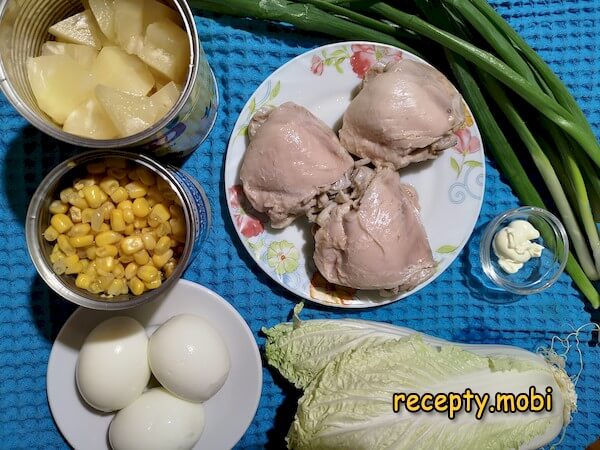
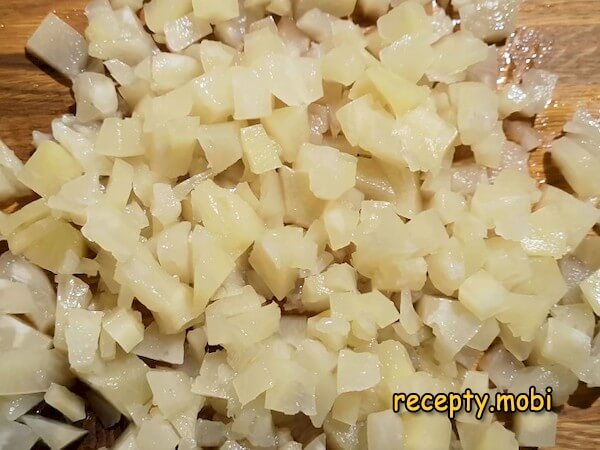
Cut canned pineapples into small pieces (~1 cm cubes). Save pineapple juice for cocktails or marinade.
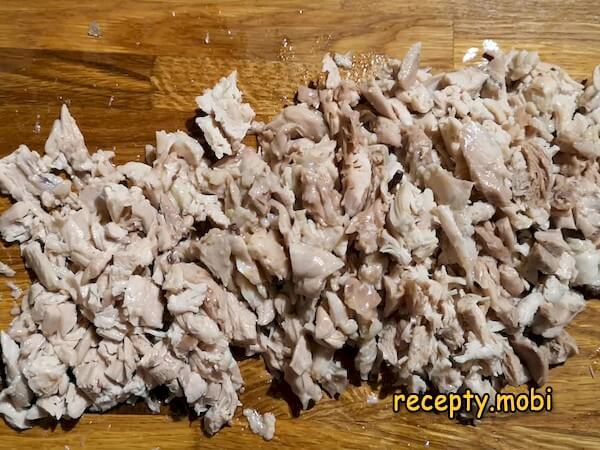
Separate meat from bones of boiled thighs; chop finely (~5 mm cubes).
Chop green onions finely (use both white and green parts).
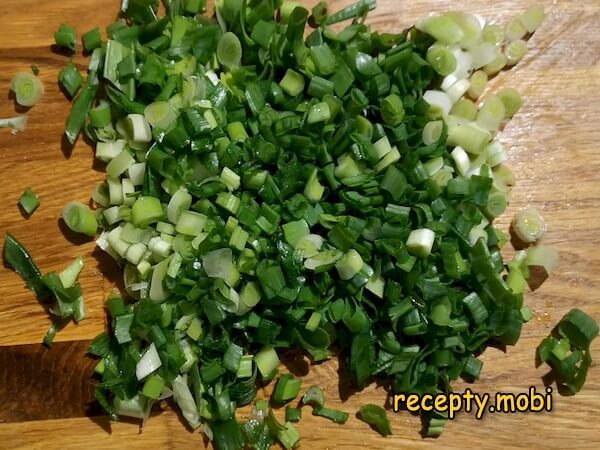
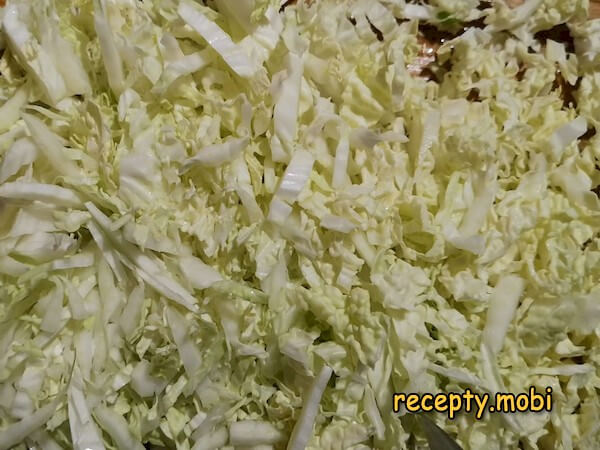
Shred Beijing cabbage (thin strips, 5 mm wide; remove tough white stem ends if present).
Grate peeled chicken eggs through vegetable grater (medium hole size).

In a deep mixing bowl, combine: chopped chicken meat + grated eggs + green onions + shredded Beijing cabbage + diced pineapples + drained corn. Toss gently.

Add 200 g mayonnaise; mix everything. Pour in lemon juice to taste (start with 1 tbsp; adjust); mix thoroughly. Taste and adjust salt if needed.

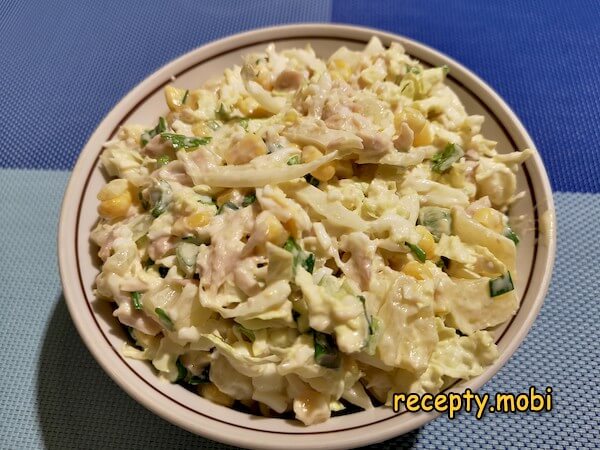
The chicken salad with pineapples and Beijing cabbage is ready. Garnish with fresh herbs (parsley sprig, dill) if desired; serve immediately.


Tips
- 1
THE BEIJING CABBAGE IS NON-NEGOTIABLE. The recipe specifically calls for Beijing cabbage (Napa cabbage) for textural reasons. BEIJING/NAPA cabbage: tender, juicy, mild flavour, doesn't dominate. REGULAR GREEN CABBAGE: too tough, dominant flavour, would compete with chicken. SAVOY CABBAGE: too dense and curly, wrong texture. ICEBERG LETTUCE: too watery, releases moisture into salad. ROMAINE LETTUCE: works as a substitute (similar tenderness), slightly bitter character. The Beijing cabbage's signature is the JUICY-CRUNCHY balance — it adds moisture without becoming watery. Stick with Beijing/Napa cabbage for canonical recipe.
- 2
THE LEMON JUICE IS BALANCE-SCIENCE. Step 8's "lemon juice to taste" is the recipe's secret weapon. Without lemon: salad is heavy, mayo-dominant, monotonous. With lemon: brightness cuts through richness, pineapple's sweetness is highlighted, all flavours pop. Start with 1 tbsp; taste; add more if salad feels heavy. Don't skip — even people who don't enjoy lemon flavour benefit from the underlying balance the acid provides. For another sweet-savoury chicken-pineapple combination worth comparing, see Chicken Salad with Pineapples and Corn.
- 3
THE PINEAPPLE-LIQUID DRAIN IS CRITICAL. Step 1's "drain liquid" instruction for pineapples is essential — and easily overlooked. Liquid-included pineapples: salad becomes wet within 30 minutes (mayo dilutes, salad becomes runny). Properly drained: salad maintains structure for 4-5 hours. Pro-tip: drain pineapples and place on paper towel for 5 minutes (absorbs surface moisture). Save the drained juice for cocktails (piña colada base), marinades, or simple drinking. Same drain-thoroughly principle applies to canned corn, canned olives, canned beans — never include canning liquid in salads.
- 4
THE THIGH MEAT VS BREAST CHOICE. Step 1's "chicken thighs" specification is recipe-canonical because thigh meat works better here. THIGH meat: more flavourful, juicier, more forgiving of slight over-cooking, holds shape when chopped. BREAST meat: leaner, drier, less flavourful (especially after chopping), can become stringy. The recipe's salad benefits from thigh's juiciness + flavour. For dietary preferences: chicken breast is acceptable but pre-marinate in lemon juice + olive oil for 1 hour before boiling (compensates for missing fat). The boil time stays the same. For another Beijing-cabbage chicken salad worth trying, try Chicken salad with Beijing cabbage and corn.
FAQ
Can I use fresh pineapple instead of canned? +
Yes — fresh pineapple produces brighter, more authentic flavour. Use about 250-300 g fresh pineapple (slightly more than the 340 g can drained). Choose ripe pineapple (golden colour, sweet aroma at base, slight give when pressed). Cut into 1 cm cubes; for less pucker-tartness, soak briefly in 1 tbsp sugar 5 min before use (canned pineapple is sweeter due to syrup). The fresh version: more aromatic, slightly more acidic, slightly less sweet. Both versions are excellent — fresh is premium choice for special occasions; canned is everyday-convenient.
What about the lemon juice quantity? +
"To taste" = start small, build up. Beginning quantity: 1 tbsp lemon juice (about half a lemon). Mix; taste; if salad feels heavy or rich, add another 1 tsp; mix; taste again. Most palates find 2 tbsp ideal. Acid-loving palates may go to 3 tbsp. Lemon-averse palates can substitute with: white wine vinegar (1 tsp = 1 tbsp lemon), apple cider vinegar (1 tsp), or skip entirely (salad will be heavier but still good). Lime juice substitution: same quantity, different aromatic profile (adds Caribbean character).
How long does it keep? +
Refrigerated covered: 1-2 days at peak quality. Day 1 (same-day): freshly assembled, crispy cabbage, bright lemon flavour. Day 2: cabbage releases moisture (salad is wetter), pineapple character intensifies, mayo softens. Day 3+: not recommended (cabbage wilts noticeably, salad becomes watery, lemon brightness fades). For meal-prep: assemble in morning, eat for lunch + dinner same day. Don't freeze (mayo breaks, cabbage becomes mush, eggs rubbery). The salad is best within 4-6 hours of assembly when chilled but textures are intact.
Can I make it lower-calorie? +
Yes, with mayo modifications. Halve mayonnaise to 100 g; supplement with 100 g Greek yogurt (cuts calories by 30-40%, maintains creaminess, adds tangy character). Or use 50 g mayo + 150 g Greek yogurt (more aggressive calorie reduction, more tangy result). For ultra-low-cal: replace mayo entirely with: olive oil + lemon (vinaigrette style, completely different character), or avocado-based dressing (creamy, healthy fats). The traditional 200 g mayo gives the salad its signature richness; reductions noticeably change flavour but keep structural integrity.
- Comment
or post as a guest
Be the first to comment.