avg —
Serbian Pljeskavica

Instructions
I prepare the ingredients. The traditional pljeskavica mince ratio is 1:1 pork-to-beef. The pork brings juiciness and richness; the beef brings savoury depth. Carbonated water is the recipe's secret — sparkling mineral water (any brand) works.
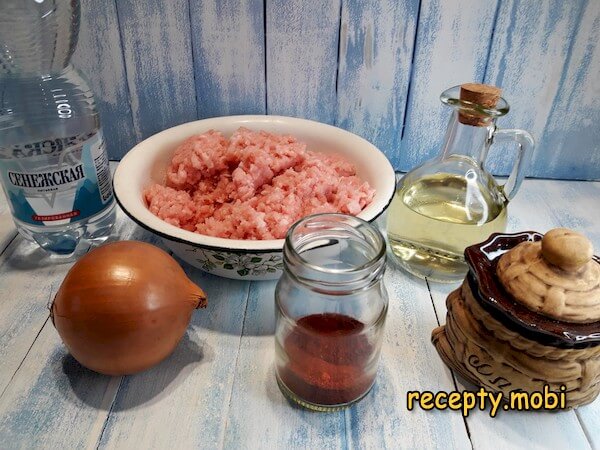
I transfer the mince to a large mixing bowl and add salt and freshly ground pepper.
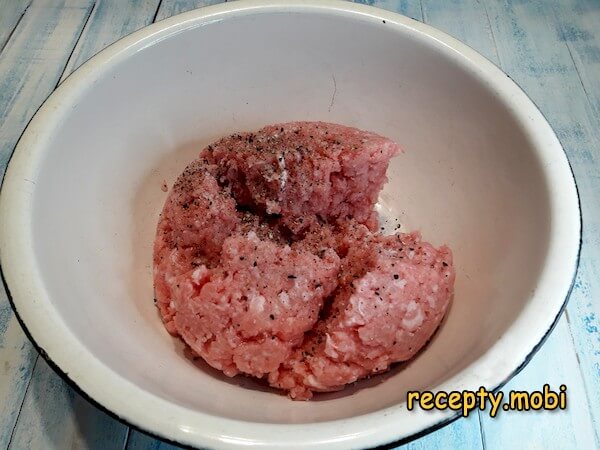
I knead the mince thoroughly with my hands for 5 minutes, then add the carbonated water.
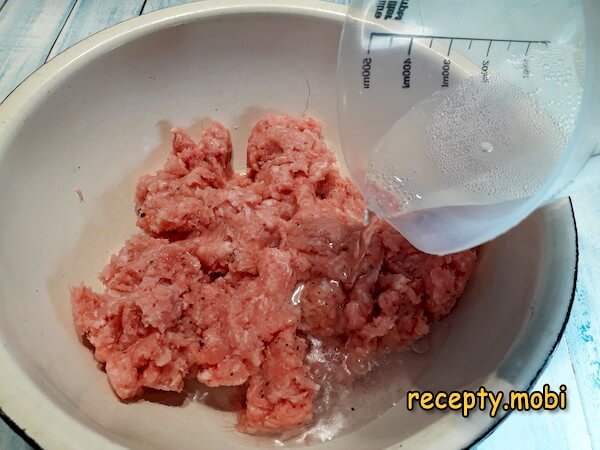
I knead until all the water is absorbed. Then comes the "splashing" — lift the mince mass and throw it forcefully back into the bowl. Repeat 10-15 times. The throwing develops the protein structure and is reportedly the source of the dish's name (the splash sound).
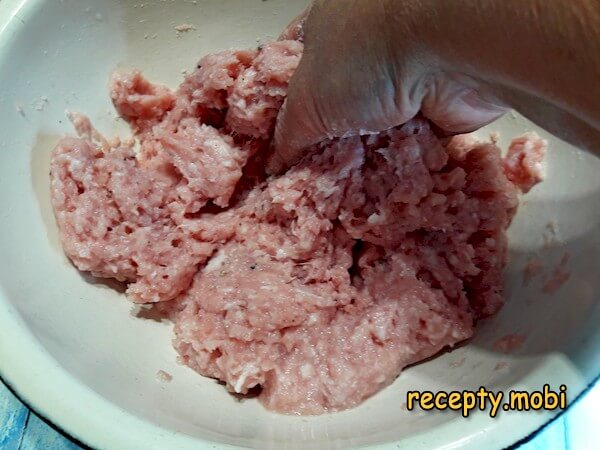
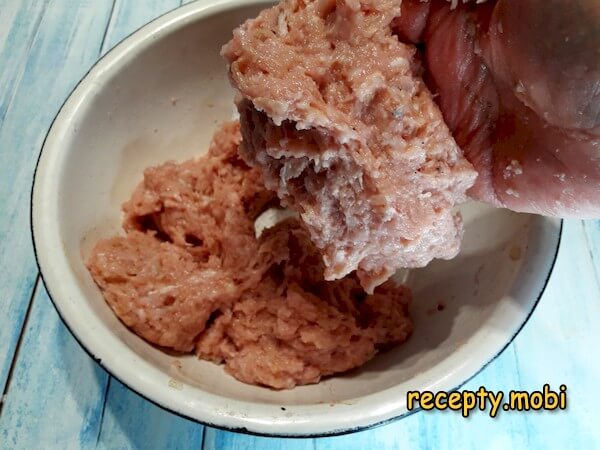
After the throwing, the mince texture is completely smooth and homogeneous — a kind of pliable, almost paste-like consistency that holds shape when pressed.
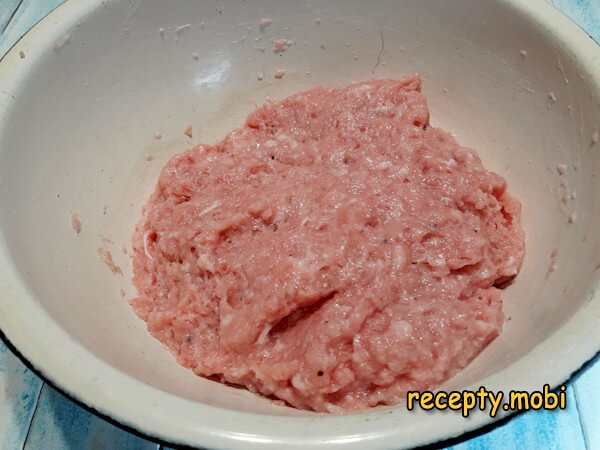
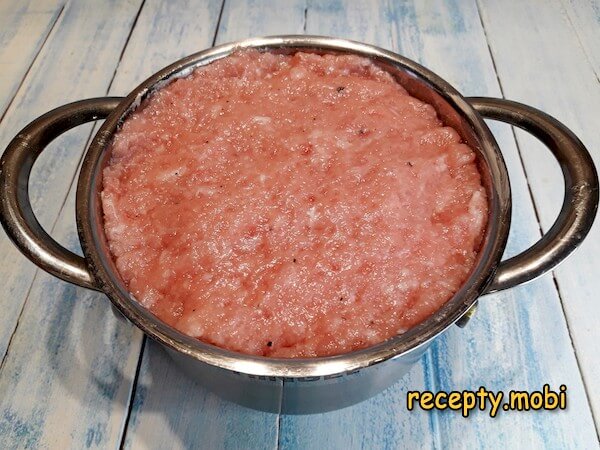
I transfer the mince to a smaller container, packing tightly to eliminate air pockets — air pockets cause oxidation and grey patches.
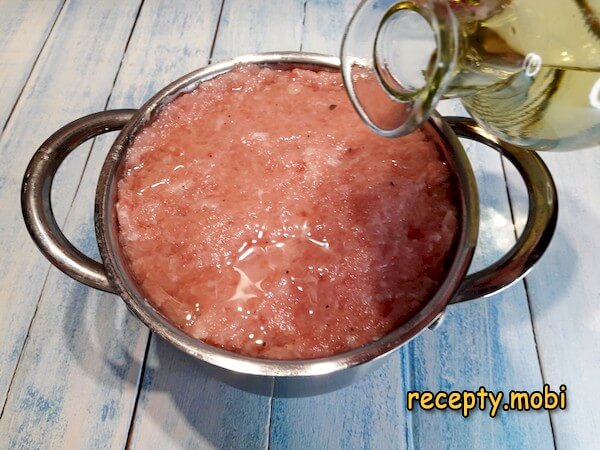
I pour a little vegetable oil over the surface — the oil film acts as an oxygen barrier, keeping the meat fresh-coloured during the long rest.
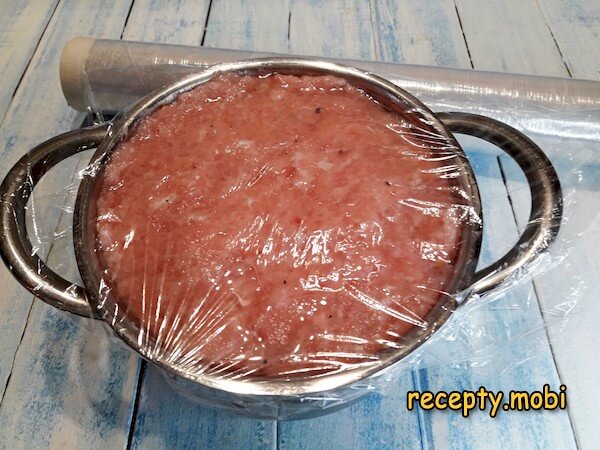
I cover with cling film and refrigerate for 24 hours. The long cold rest is when the texture transformation happens — the proteins relax and reorganise, the salt fully penetrates, and the carbonated water's effect develops.
After 24 hours, I grate (or very finely chop) the onion. Grating gives the smoothest texture; chopping gives more visible onion bites.
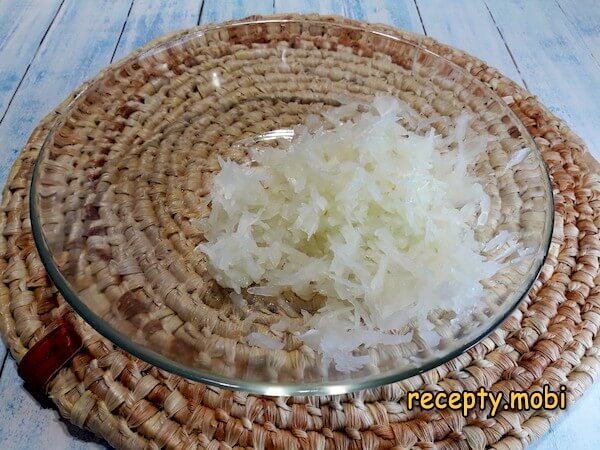
I transfer the rested mince to a wide bowl and add the onion plus the paprika.
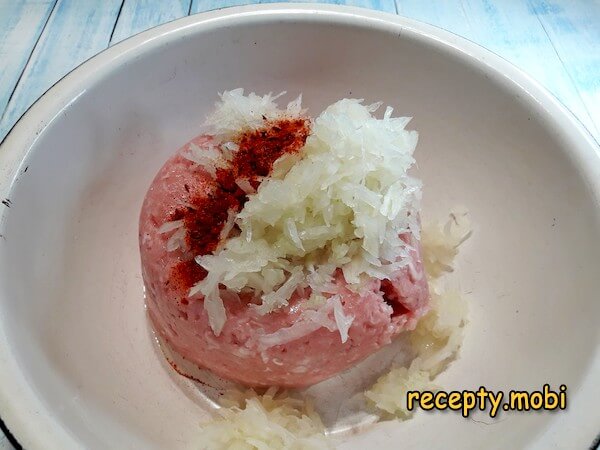
I mix everything thoroughly until the onion and paprika are evenly distributed.
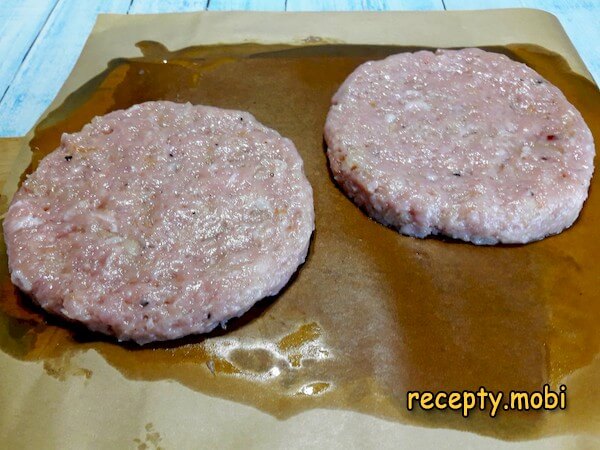
I shape the pljeskavicas: divide mince into 5 equal portions, roll each into a ball, place on oiled parchment paper or cutting board, flatten to 1.5-2 cm thickness with the heel of my hand. Trim ragged edges with a knife for a clean disc shape.
I heat oil in a skillet over medium heat. With a wide knife or spatula, I lift one meat disc carefully — they're fragile until cooked.
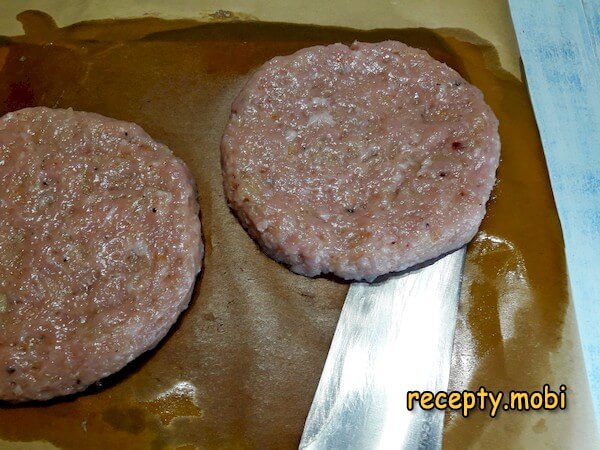
I catch the disc with my other hand and place it gently in the skillet. Fry first side for about 4 minutes — don't move or flip during this time, let the crust form.
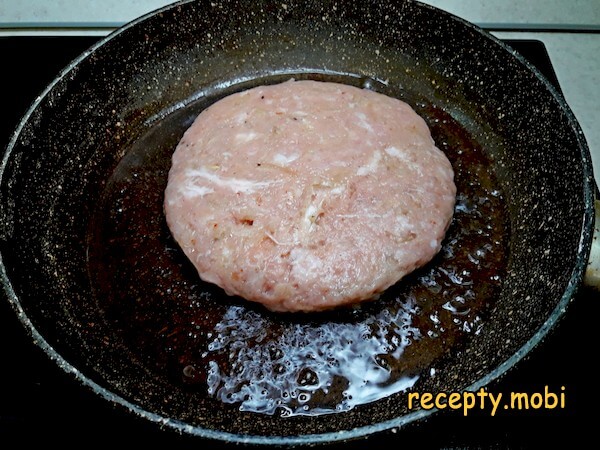
I flip with a wide spatula (one confident motion) and fry the second side another 4 minutes.
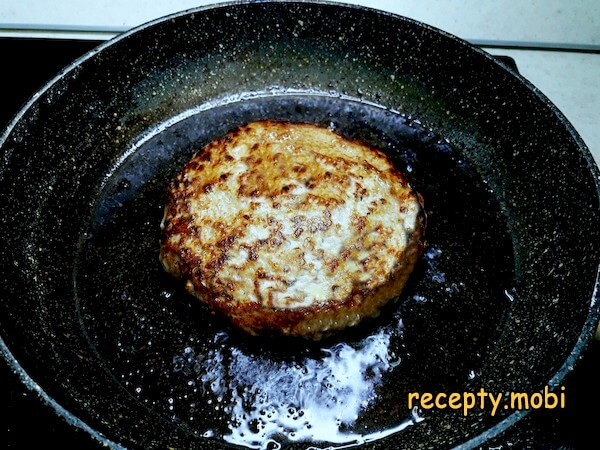
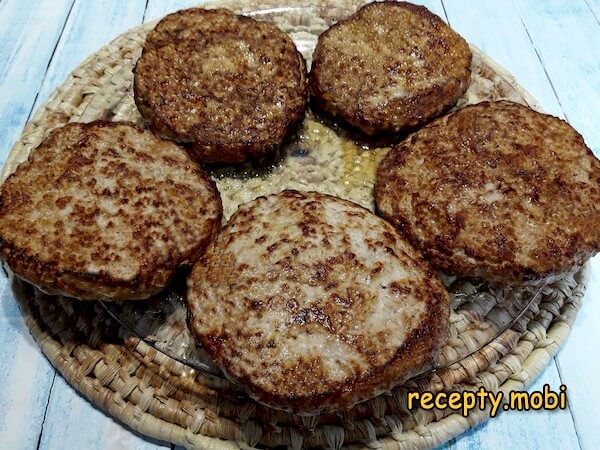
The pljeskavica needs no covered steaming (cover only when cooking for children, for guaranteed thorough cooking). Doneness check: press the centre with a spatula — if no liquid runs out, it's done. Transfer to a serving plate. Repeat for remaining patties.Thanks to the carbonated water and the 24-hour rest, Serbian pljeskavica is dramatically juicy and fluffy compared to typical patties — soft, almost meatball-tender despite the disc shape. Equally good for festive tables and family dinners. Serve hot with any starchy side and fresh vegetables — the Balkan tradition is to serve with kajmak (fermented cream) and ajvar (red pepper relish).


Tips
- 1
THE 24-HOUR REST IS NON-NEGOTIABLE. Trying to cook the pljeskavica immediately after kneading gives a denser, drier patty — proteins haven't had time to relax and the carbonated water's bubbles haven't fully aerated the mince. The full 24-hour rest is what makes pljeskavica different from regular burger patties. If pressed for time, 12 hours is the absolute minimum; longer (up to 36 hours) doesn't hurt.
- 2
THE THROWING TECHNIQUE MATTERS. Step 4 — lifting and forcefully throwing the mince back into the bowl — develops the meat's protein network and is what creates the smooth, almost sausage-like texture of authentic pljeskavica. Don't skip this step. 10-15 throws is enough; the texture transformation is visible. For another deeply braised beef preparation worth comparing, see Beef Stroganoff with Mushrooms.
- 3
SERVE WITH BALKAN ACCOMPANIMENTS. The proper Balkan pljeskavica plate includes: somun bread (Serbian-style flatbread, similar to pita), kajmak (fermented cream cheese, salty and rich), ajvar (red pepper-and-eggplant relish, sweet-spicy), pickled chilies, and chopped raw onion. The patty + bread + condiments format makes it almost burger-like. Without these accompaniments, the dish is still excellent as a meaty main course with potatoes or grain.
- 4
SCALE UP FOR ENTERTAINING. Pljeskavica is excellent party food — make a triple batch (1.8 kg mince) the day before, shape and refrigerate the discs separated by parchment. They cook to order in 8 minutes per disc — fast enough to feed a crowd as guests arrive. The make-ahead character + the impressive size make pljeskavica ideal for grilling parties (grill instead of pan-fry for the most authentic Balkan flavour). For another related Uzbek braised meat dish, try Dumlyama in Uzbek Style.
FAQ
Can I grill instead of pan-fry? +
Yes — grilling is actually the most authentic Serbian method, traditionally over wood charcoal. The cooking time is similar (4 minutes per side over hot direct heat), but the charcoal smoke adds a defining flavour element that's hard to replicate in a pan. If grilling, oil the grates well to prevent sticking. The patty needs to firm up on each side before flipping; resist the urge to move it during the first 3 minutes. Pan-fried pljeskavica is delicious; grilled pljeskavica is iconic.
Why is the carbonated water important? +
Two effects. First, the CO2 bubbles get distributed through the mince during kneading, creating microscopic air pockets that lighten the texture. Second, the slight acidity of carbonated water (carbonic acid) tenderises the meat proteins gently. Plain water doesn't replicate either effect. The combination of carbonated water + 24-hour rest + the throwing technique gives pljeskavica its signature pliable texture. Don't substitute with plain water.
Can I make pljeskavica without pork? +
Yes, with a flavour shift. Pure beef pljeskavica is leaner and slightly drier — choose beef with at least 20% fat content. Pure lamb pljeskavica is more authentic to other Balkan-region variations and gives a distinctively gamey flavour — increase paprika to compensate for lamb's stronger character. Mixed beef-and-lamb (50/50) is excellent. The recipe doesn't work as well with chicken or turkey — the texture lacks the density needed for the disc shape.
How do I store and reheat? +
Cooked pljeskavica keeps 2-3 days in the fridge. Reheating: 2 minutes per side in a dry pan over medium heat (best texture), or 4 minutes in a 180 °C oven (drier but acceptable). Avoid microwaving — softens the crust and overcooks the centre. Raw shaped pljeskavica freeze well: separate with parchment, freeze on a tray first, then transfer to bag — keeps 2 months. Cook directly from frozen, adding 2 minutes per side to the pan time.
- Comment
or post as a guest
Be the first to comment.