avg —
Soft Pizza Dough Like in the Pizzeria

Instructions
First, you need to prepare the yeast starter for the dough so that it rises well, is moderately fluffy and elastic. To do this, you need to grind the fresh yeast with sugar, add water (definitely warm) and a few spoons of flour. Mix the ingredients and set it aside in a warm place for a quarter of an hour. It is important to remember that the liquid temperature should be between 30-37 degrees, otherwise the yeast will die.
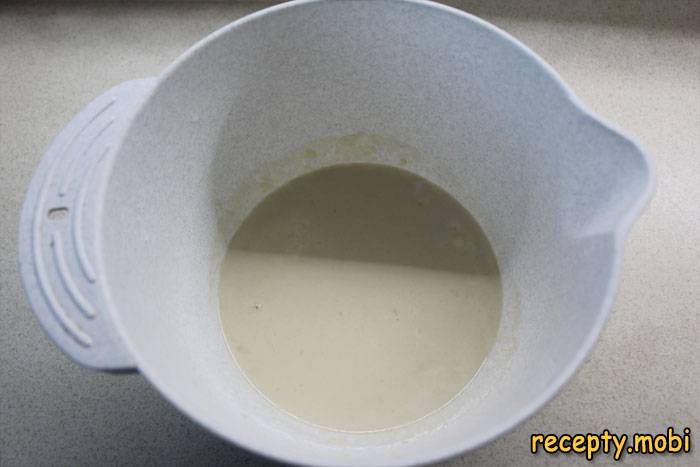
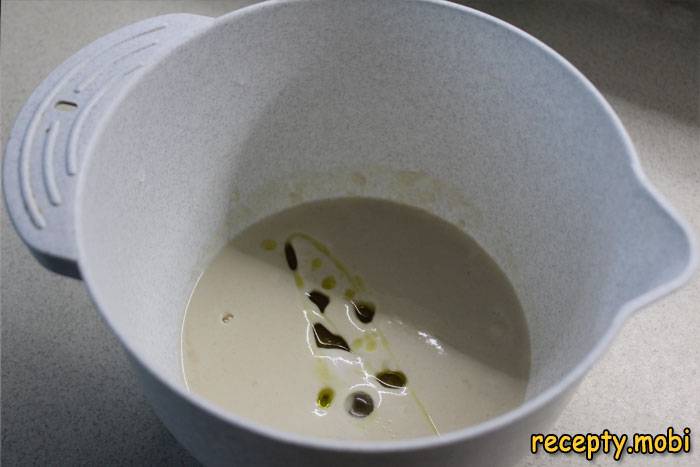
Pour olive oil into the yeast liquid, add salt. Mix the mixture thoroughly for proper integration before flour addition.
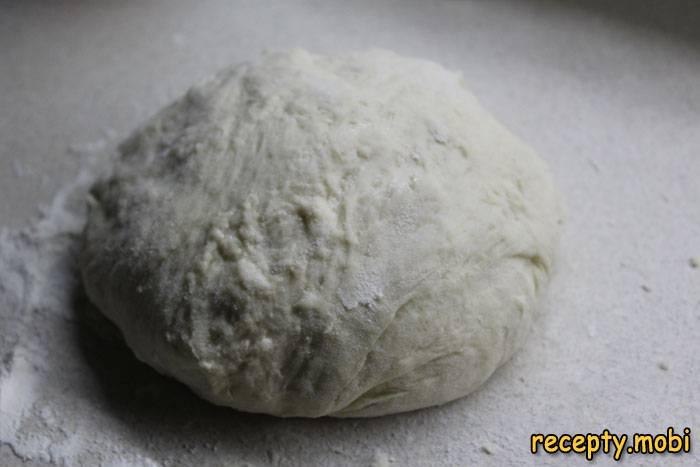
Add the flour. Do not add all the mass at once, you may need more or less product. The dough should ultimately be elastic, not stick to your hands, but not be too dense. Send the mixture to a warm place for 40 minutes for proper first-rise development.
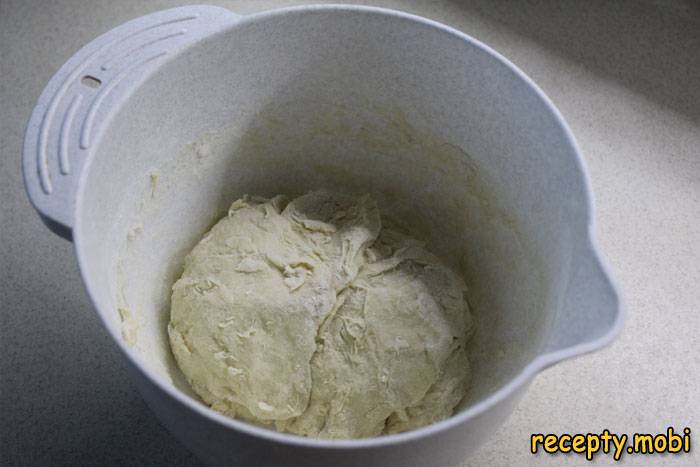
The fluffy pizza dough with fresh yeast at home is ready! Now it can easily be used for pizza, belyashi, or fried pies.The pizza dough with fresh yeast like in a pizzeria is the perfect option for making pizza. It turns out soft, the edges of the pastry become golden when baked, but remain just as soft and appetizing. With this dough, you won't want to leave a single crust from the pizza! Before spreading sauce on the pizza base, it should be pricked with a fork to prevent uneven rising of the dough.


Tips
- 1
Use fresh active yeast (not expired) for the best rise and flavor development. Old or expired yeast produces flat dense dough; fresh active yeast produces the signature airy chewy texture authentic to traditional Italian pizzeria preparations. Test yeast freshness by adding to warm water with sugar — active yeast bubbles vigorously within 5-10 minutes. The yeast quality matters significantly for finished dough quality consistently across batches and various baking applications throughout the year.
- 2
Use proper Italian "00" or bread flour for the best gluten development. All-purpose flour produces acceptable but inferior results compared to high-gluten flours; "00" or bread flour produces the signature chewy elastic texture authentic to authentic pizzeria preparations. The same flour-quality principle elevates many dough preparations including rich yeast dough for pies and turnovers and similar enriched-dough preparations across various baking applications.
- 3
Store the dough properly to maintain quality across multiple uses. Use plastic containers or bags with tight lids to exclude air and keep the dough fresh; avoid metal or glass containers which can interact with oxygen causing oxidation. Refrigerate at 0-4 degrees Celsius for up to 3 days; freeze for up to 3 months wrapped tightly. Thaw frozen dough overnight in refrigerator before bringing to room temperature for proper handling and rise behavior.
- 4
Pair the finished dough with traditional Italian-style applications for proper finished pizza presentations. Stretch by hand rather than rolling for the most authentic finished texture; rolling produces denser results compared to hand-stretched. Pair finished pizzas with crusty homemade bread for substantial Italian-style meal spreads, alongside fresh garden salads for balanced family meals, or with cold beer for casual entertaining occasions worth showcasing.
FAQ
Can I use dry yeast instead of fresh? +
Yes, substitute 7g (1 packet) of active dry yeast or instant yeast for the 20g of fresh yeast in this recipe. Dissolve the dry yeast in the warm water with sugar, wait 10 minutes for activation bubbles to confirm freshness, then proceed with the recipe as written. Both yeast types produce equally excellent finished results across various pizza applications. The fresh yeast is most traditional Italian-style; the dry option is most convenient for modern home kitchens.
How long does the prepared dough keep? +
Refrigerated in a covered container, the dough keeps for 3 days at peak quality. After 3 days the yeast activity declines noticeably and rise quality suffers significantly during baking. The dough freezes well wrapped tightly for up to 3 months — thaw overnight in the refrigerator before bringing to room temperature for proper handling. Always punch down refrigerated or thawed dough before final shaping for proper texture across multiple baking sessions throughout the month.
Why is my dough not rising properly? +
Three usual causes: dead or expired yeast (always test fresh activity first), water too hot (above 40 degrees kills yeast; aim for 30-37 degrees), or too much salt (excessive salt kills yeast activity completely). Address all three factors for consistently fluffy results. The combination of fresh active yeast, proper water temperature, and balanced salt amount produces dramatic rise reliably across baking sessions and various recipe variations consistently throughout the year.
Can I make this dough by hand without a stand mixer? +
Yes, traditional Italian pizzaiolos make pizza dough entirely by hand. Knead by hand for 8-10 minutes after combining all ingredients, working the dough until smooth and elastic. The hand-kneaded version actually produces superior texture compared to over-mixed mechanical preparations. Use the windowpane test to check proper gluten development — stretch a small piece of dough until thin and translucent without tearing for proper finished pizza-dough quality across various preparations.
- Comment
or post as a guest
Be the first to comment.