Write a comment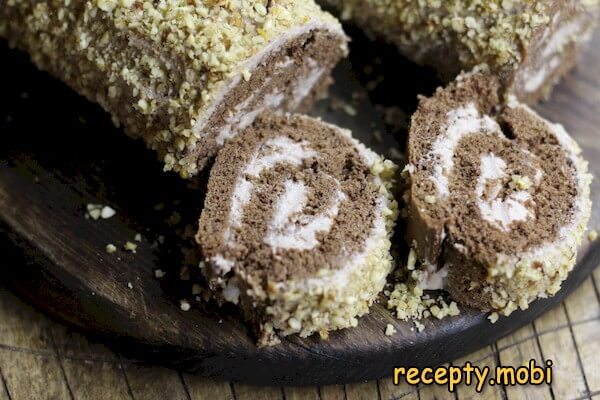
Sponge Roll with Custard
Sponge Roll with Custard is the elegant, simple, dramatically presentable dessert that home bakers can master with one practice attempt. The thin chocolate sponge bakes in just 6-10 minutes; the custard cream cooks in 5 minutes; assembly takes another 10 minutes. Total: under 50 minutes for restaurant-quality dessert. The key technique: roll the HOT sponge while still flexible, let cool in rolled shape, then unroll, fill, and re-roll. The dramatic spiral cross-section makes this a celebration centerpiece worthy of any festive table.
Ingredients
Show ingredients
- For the sponge base: sugar — 90 g;
- For the sponge base: cocoa — 15 g;
- For the sponge base: eggs — 3 pcs;
- For the sponge base: salt — a pinch;
- For the sponge base: flour — 75 g;
- For the sponge base: vanilla — a pinch;
- For the cream: milk — 150 g;
- For the cream: butter — 100 g;
- For the cream: cocoa — 5 g;
- For the cream: corn starch — 15 g;
- For the cream: sugar — 60 g;
- For the cream: vanilla — optional;
- Addition: raspberry liqueur — optional;
- Addition: chopped nuts — 50 g.
Preparation
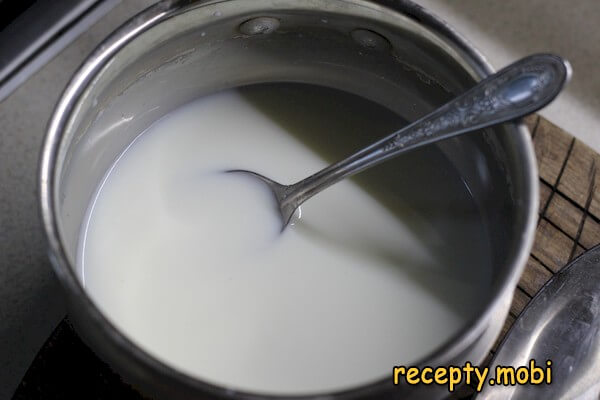
- Begin with the custard base for the cream. Mix sugar + starch + vanilla; add milk; cook over heat while stirring constantly until thick. Cover with plastic wrap IN CONTACT with surface (prevents skin formation). Cool to room temperature.
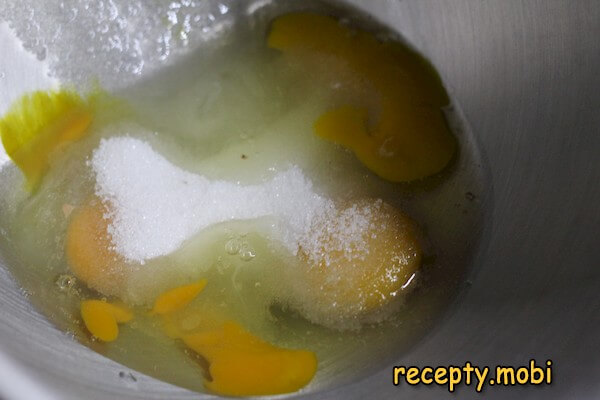
- Begin sponge base. Beat eggs + vanilla + sugar + salt to thick fluffy mass. PROPER consistency: whisk pattern visibly trails on the surface (ribbon stage).
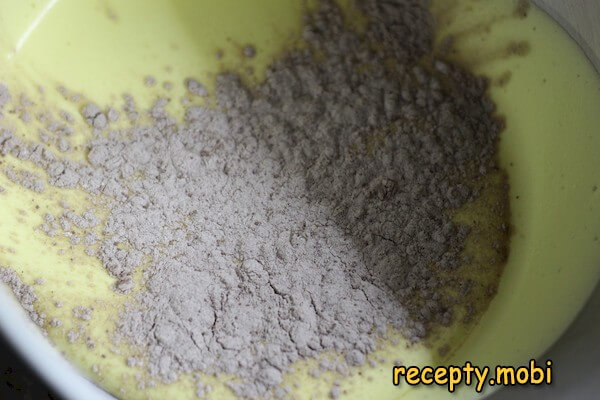
- Sift cocoa + flour mixture into the egg foam. Gently fold with spatula (preserves the air structure).
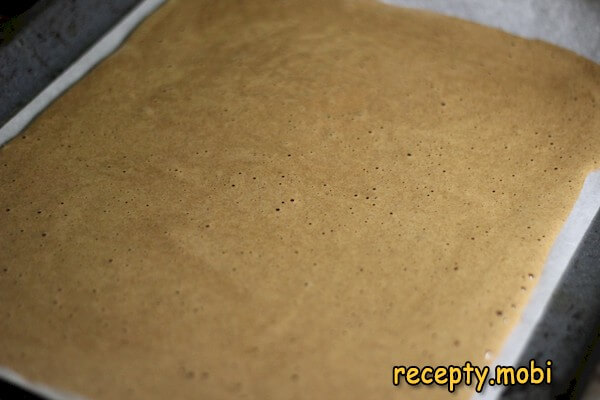
- Pour batter onto parchment-lined flat baking sheet; spread thin rectangle. Bake at 180 °C: electric oven (top+bottom mode) 6-7 minutes; gas oven 10 minutes. Test doneness with skewer after 5 minutes (don't over-bake — short bake produces flexible sponge for rolling).
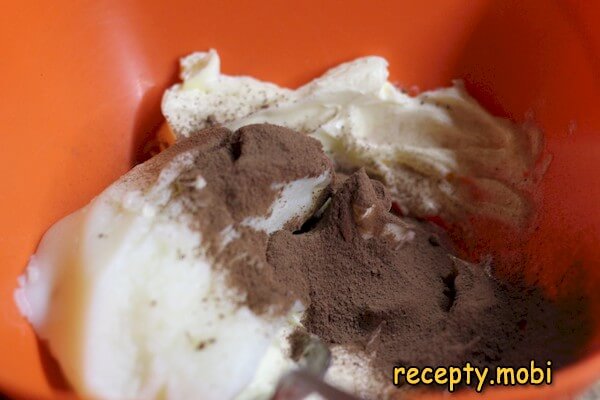
- To the cooled custard base: add soft butter + cocoa; mix to smooth uniform cream.
- CRITICAL TIMING: while sponge is HOT, roll it (with parchment still attached) into a tight cylinder. Wrap the rolled cylinder in a clean towel; let cool completely in rolled position. This pre-roll trains the sponge to hold the shape later.
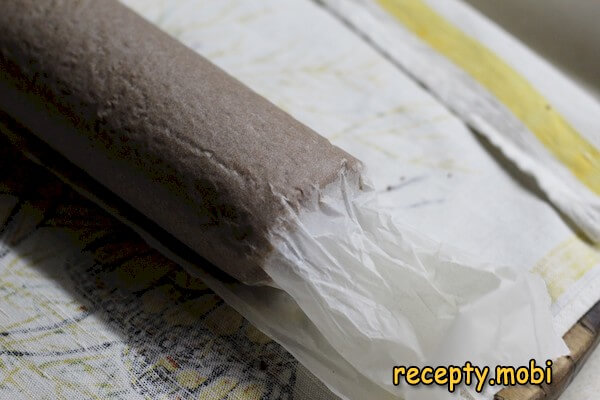
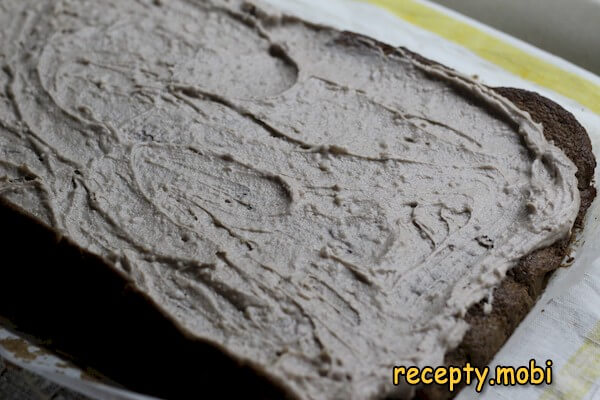
- Once fully cooled, carefully unroll; remove parchment. Brush sponge with raspberry liqueur (or other alcohol/syrup for sweet flavour). Spread cream uniformly over the sponge; re-roll tightly.
- Decorate the top with reserved cream + chopped nuts. For easier serving, cut the roll into two smaller halves.
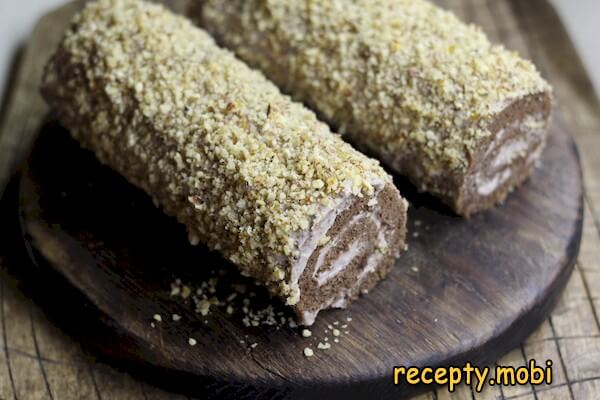
- The chocolate roll with cream is ready. Enjoy your meal!
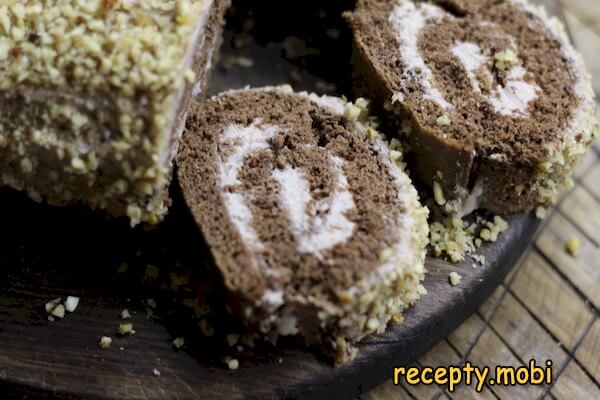
This sweet dessert combines simplicity of preparation with exquisite taste. Budget-friendly, appetising, dramatically beautiful when sliced — perfect for home tea parties or festive celebrations.
Tips and Tricks
Tip 1. THE HOT-ROLL TRAINING IS THE TECHNIQUE'S SECRET. Step 6's "roll while HOT, let cool in rolled position" is what enables successful final roll-up. Hot sponge is flexible (gluten relaxes); cooled-flat sponge becomes stiff and CRACKS when rolled. The hot-pre-roll trains the sponge fibres to bend in roll-shape, so it accepts the final fill-and-roll without cracking. Universal technique for all rolled-cake desserts (Swiss roll, jelly roll, yule log). Don't skip this step — cracking ruins the presentation.
Tip 2. THE PLASTIC-WRAP-IN-CONTACT FOR CUSTARD. Step 1's "plastic wrap in CONTACT with custard surface" prevents skin formation during cooling. Custard cools while in contact with air → starch + protein form a thick skin on top. Plastic wrap touching the surface eliminates the air contact → no skin, smooth uniform cream. Same technique applies to all custard-based fillings (pastry cream, lemon curd, chocolate ganache). For another cherry-cream roll variation worth comparing, see Cherry Roll with Custard.
Tip 3. THE THIN-SPONGE BAKE TIMING. Step 4's 6-7 minute bake (electric) / 10 minute bake (gas) is precision timing. Shorter bake: undercooked centre, gummy texture, won't hold shape. Longer bake: overdone dry sponge, cracks during rolling. The 6-10 minute range is the sweet spot for a thin (5 mm) sponge layer. Test doneness: skewer comes out CLEAN (not wet) but the sponge SHOULD STILL BE FLEXIBLE when fresh from the oven. If it's stiff: overdone. If wet: under. Practice produces consistent results.
Tip 4. THE LIQUEUR-SOAK ADDS DEPTH. Step 7's optional liqueur soaking transforms the dessert. Raspberry liqueur (Chambord, Crème de Framboise) adds fruity berry character. Other excellent options: orange liqueur (Cointreau, Grand Marnier), coffee liqueur (Kahlua), almond liqueur (Amaretto). For non-alcoholic version: strong coffee, fruit syrup, or vanilla-flavoured simple syrup. The 2-3 tbsp liquid soaks into the sponge, adding moisture + flavour notes. Skip for kids' versions; include for adult dinner parties. For another lavash-rolled meat preparation worth trying, try Lavash Roll with Minced Meat in the Oven.
Frequently Asked Questions
Why does my sponge crack when I roll it?
Most common cause: trying to roll a COOLED sponge (you didn't pre-roll while hot). Solution: always roll while hot, even if you're not filling immediately. Second common cause: over-baked sponge (too dry, lost flexibility). Solution: shorter bake time, test with skewer at 5 minutes. Third cause: sponge layer too thick (rigidity beyond rolling tolerance). Solution: spread thinner during step 4. Fourth cause: insufficient egg foam (sponge structure too dense). Solution: beat eggs longer to ribbon stage in step 2. The hot-pre-roll is forgiving of minor issues; cold-rolling is unforgiving.
Can I use other fillings besides custard?
Yes — many fillings work in rolled sponges. Best alternatives: whipped cream + fresh berries (strawberry-cream roll), Nutella + banana (chocolate-fruit roll), cream cheese + jam (cheesecake-style roll), buttercream + caramel (caramel-cream roll), mascarpone + lemon curd (lemon-mascarpone roll). Each shifts the dessert character. The cream consistency matters: too liquid filling leaks during rolling; too thick prevents tight rolling. Aim for "frosting-like" consistency. The custard-cream version (this recipe) is the classic Russian/Eastern European preparation.
Why use cocoa in both sponge and cream?
Double-cocoa creates layered flavour profile. Sponge cocoa: provides chocolate base flavour + dark colour for visual contrast against pale cream. Cream cocoa: adds chocolate richness to the otherwise vanilla-custard cream + ensures the cream visibly contrasts the sponge texture. Single-cocoa versions: chocolate-sponge-only with vanilla cream looks plain; vanilla-sponge-with-chocolate-cream is unusual but works. Double-cocoa is the most balanced — chocolate-on-chocolate creates harmonious flavour rather than flavour competition.
How long does it keep?
Refrigerated, 2-3 days at peak quality. The cream is dairy-based — natural shelf-life limit. The roll's structure stays intact, but the sponge gradually absorbs cream moisture (becomes denser/more cake-like over time) — slight texture shift but still delicious. Storage: cover loosely with plastic wrap or place in covered container. Don't freeze — the cream texture suffers significantly on freeze-thaw (becomes grainy). For events: prepare 6-8 hours before serving for best texture (some integration time without softening too much). The sponge alone (unfilled) keeps 5 days refrigerated; combine with fresh cream at serving time for maximum quality.