avg —
Tahini

Instructions
I prepare the ingredients — minimal: just sesame seeds, olive oil, and a pinch of salt for finishing.
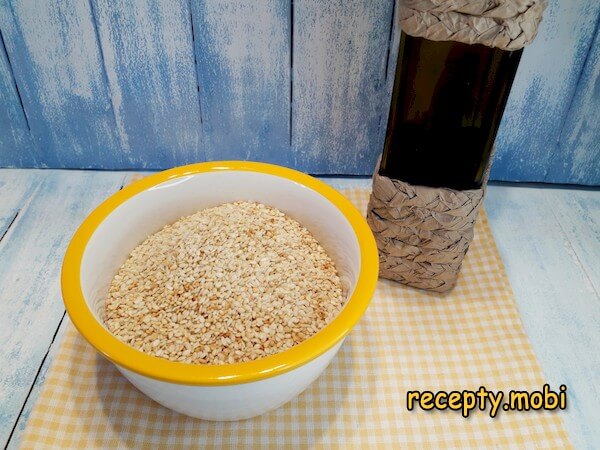
The sesame seeds need toasting first. I use a dry skillet over medium heat or the oven at 160 °C. The exact temperature matters less than vigilance — sesame seeds go from raw to perfectly toasted to scorched in seconds, and burnt seeds give bitter tahini.
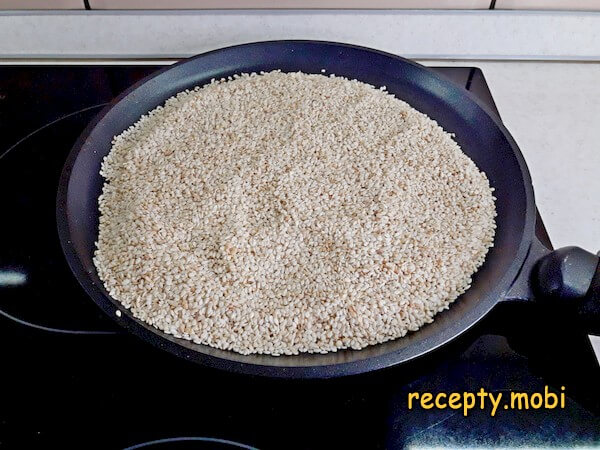
I stay at the stove and stir constantly, watching the seed colour. The moment they shift from pale beige to a slightly darker golden tone, I take the pan off the heat. Don't trust your nose alone — by the time you smell strong sesame, you're at the edge of burning.
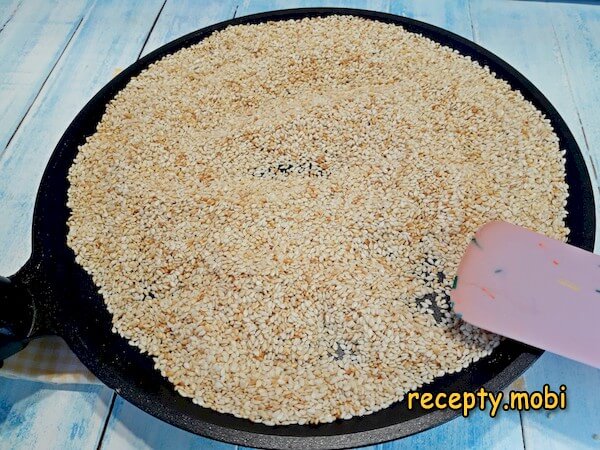
I transfer the toasted seeds to another container immediately so they cool quickly. Continued contact with the hot pan will keep cooking them past the right stage.
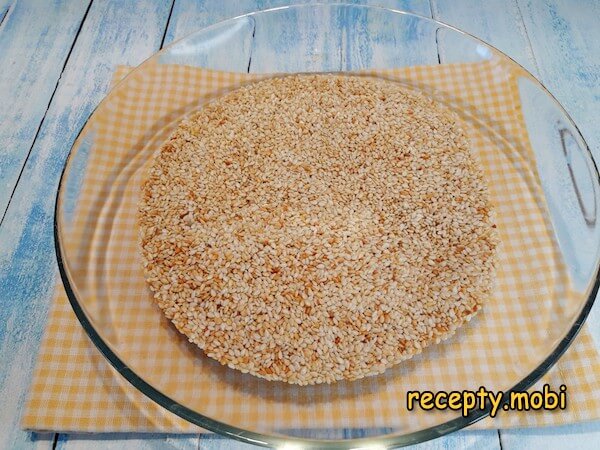
Once cooled, I transfer the sesame seeds to a chopper, food processor, or high-speed blender and start the grinding process.
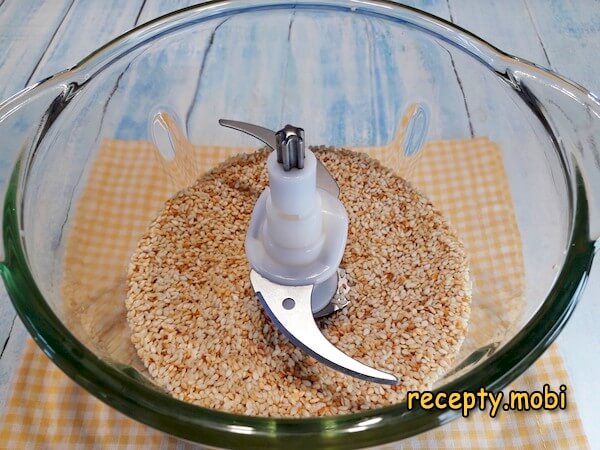
I stop the chopper periodically to scrape down the seeds clinging to the sides — these are the partly-broken seeds that haven't been ground yet. The whole grinding takes at least 20 minutes depending on the chopper's power, with breaks every 2-3 minutes to let the motor cool. Overheating ruins both the motor and the tahini.
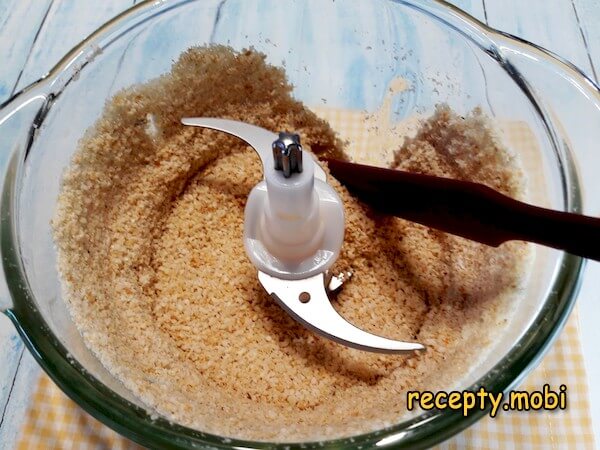
About halfway through the grinding, I add the olive oil to ease the blender's work. The oil helps the paste move smoothly and prevents the partially-ground sesame from forming a dry crumbly mass.
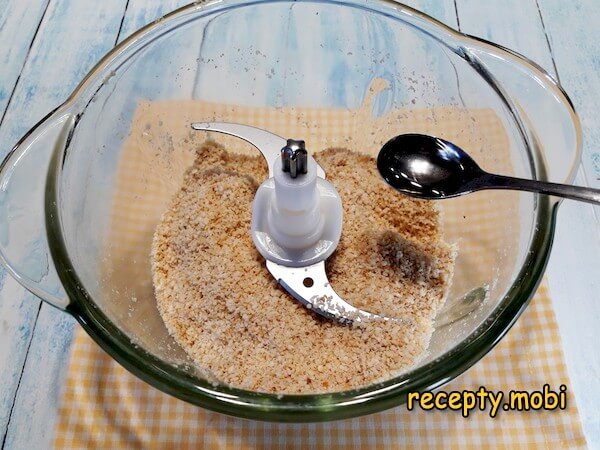
The paste eventually becomes pliable enough to form into a ball — but this is not the finishing point yet. Keep grinding past this stage to reach true tahini consistency.
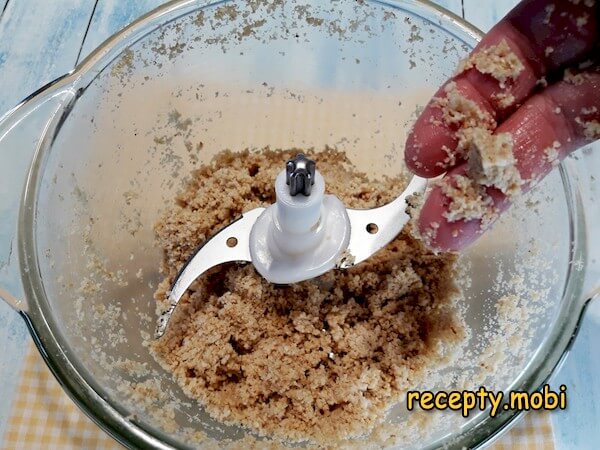
The grinding continues until the paste reaches the consistency of thick sour cream — pourable but with body, not crumbly or dry.
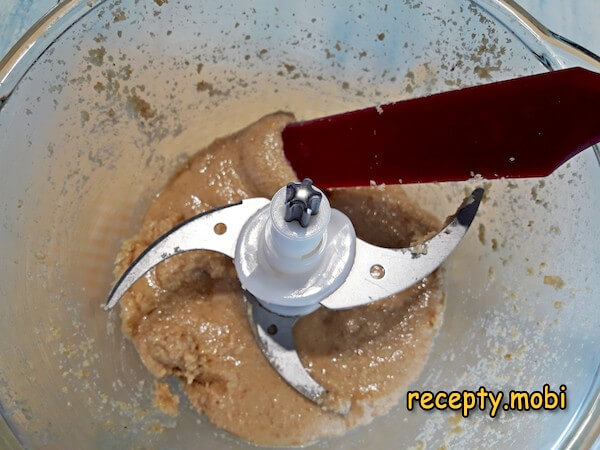
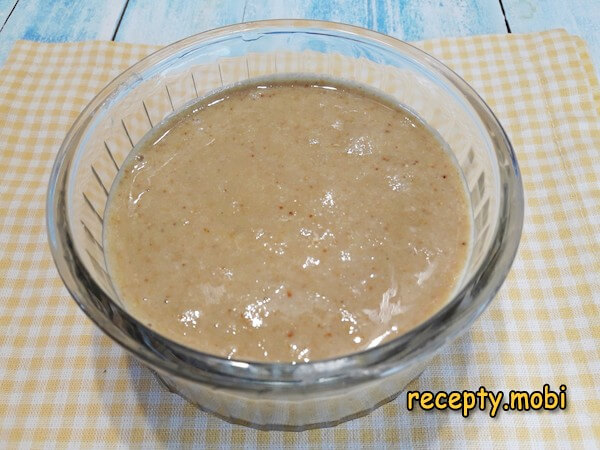
This is real tahini. I transfer it to a clean container — it can be used immediately or refrigerated up to 2 months in a sealed jar. Pure tahini has a rich, slightly bitter flavour and is rarely eaten on its own; it's the base for everything else.
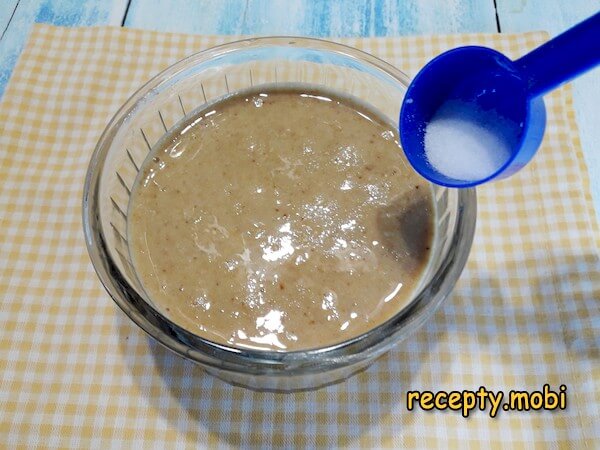
To turn the pure tahini into a sauce, I salt it to taste.
I add lemon juice (start with 1 tablespoon and adjust to taste — some prefer it brighter, some milder).
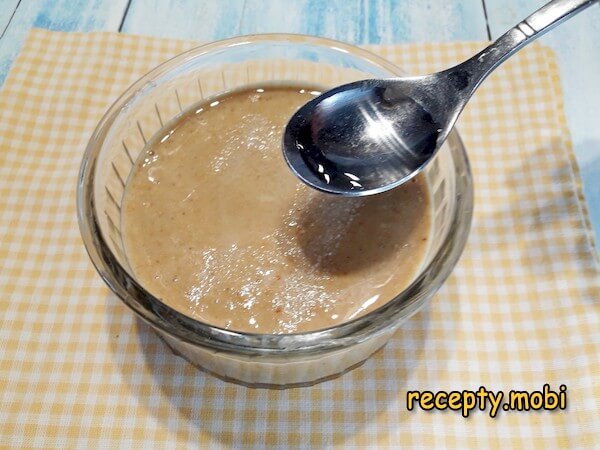
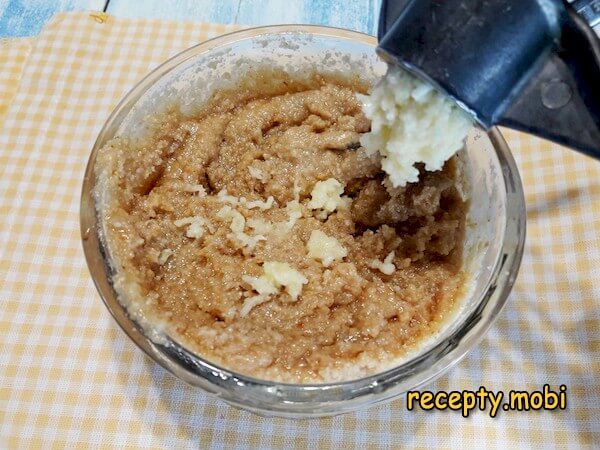
I press in a clove of garlic and stir well. If a thinner consistency is needed for drizzling, I gradually add cold water (not hot — hot water can split the emulsion) until I reach the desired flow. Taste and adjust salt, lemon, garlic to preference.Tahini is served alongside dishes like hummus, kebabs, and grilled meat or fish. It's used as a sauce for shawarma, drizzled over baked vegetables, spread on crackers or toast, or even dipped into with dried dates and apricots — a Middle Eastern teatime tradition. The traditional pairing is a glass of green tea or strong black coffee.


Tips
- 1
START WITH UNHULLED OR HULLED SEEDS — YOUR CHOICE. Both work. Hulled (white) sesame seeds give a milder, less bitter tahini that's the standard in commercial brands. Unhulled (brown/whole) seeds give a more intensely flavoured, slightly bitter, and more nutritious paste — closer to traditional Levantine versions. The grinding time is similar; the flavour and colour difference is significant. Try both and choose your preferred profile.
- 2
A HIGH-SPEED BLENDER BEATS A FOOD PROCESSOR. The 20-minute grinding estimate assumes a basic chopper or food processor. A high-speed blender (Vitamix, Blendtec, or similar) can produce smooth tahini in 5-7 minutes — its powerful motor and tight blade clearance grind much faster. Whatever device you use, generous breaks between grinding cycles prevent overheating. For another paste-based condiment with similar Eastern flavour profile, see Greek Sauce Tzatziki.
- 3
STORAGE AND OIL SEPARATION. Stored in an airtight jar in the fridge, homemade tahini keeps 2-3 months. Like natural peanut butter, it tends to separate — oil rises to the top, paste settles below. Just stir thoroughly with a fork before each use. If the paste seems too thick after refrigeration, let it come to room temperature for 30 minutes or stir in a teaspoon of warm water until smooth.
- 4
USE TAHINI BEYOND HUMMUS. Beyond the obvious hummus base, tahini transforms many dishes. Whisk with lemon, garlic, and water for a universal Middle Eastern sauce. Combine with date syrup or honey for a sweet sandwich spread. Drizzle over roasted cauliflower or sweet potatoes. Stir into yogurt for a savoury dip. Add a tablespoon to chocolate brownie batter for unexpected nutty depth. For another versatile condiment with broad uses, try Salsa Sauce – Classic Recipe.
FAQ
Why is my homemade tahini bitter? +
The most common cause is over-toasting the sesame seeds in step 2-3. Burnt sesame seeds carry a sharp, persistent bitterness that no amount of olive oil or lemon can fully mask. Watch the toasting carefully — pull off the heat at the first hint of colour change. Another cause is using older seeds — sesame seeds are oily and go rancid relatively quickly (4-6 months in a pantry, longer if refrigerated). Buy from a busy bulk-foods store with high turnover, or choose seeds with a recent harvest date if possible.
Can I skip toasting the sesame seeds? +
Yes, raw tahini exists and is often used in Middle Eastern dessert preparations like halva. The flavour is much milder and lacks the deep nutty character that toasting brings out. Raw tahini is also lighter in colour — almost ivory rather than golden brown. For most savoury applications (hummus, dressings, dips), toasted is preferred. For sweet uses (halva, energy bars, sweet sauces), raw or lightly toasted is the better choice. The grinding process is identical for both versions.
How much tahini does this recipe make? +
From 150 g of sesame seeds, you get approximately 150 g of finished tahini paste — sesame seeds are mostly oil and protein, so the weight stays similar through grinding. A standard hummus recipe uses 50-60 g of tahini, so this batch makes enough for 2-3 batches of hummus, or 5-6 servings of dressing. Double or triple the recipe if you use tahini regularly — the storage life supports larger batches, and the grinding time per gram is roughly the same.
What's the difference between tahini and sesame paste? +
The terms are used somewhat interchangeably but with regional preference. "Tahini" specifically refers to the Middle Eastern (especially Levantine and Israeli) preparation made from hulled sesame seeds, often blended with a little oil. "Sesame paste" is more generic and may refer to Asian-style versions made from black sesame seeds (often unhulled, gives a darker, stronger paste used in Japanese and Chinese cuisine). The two are not directly substitutable — Asian sesame paste tastes too intense in hummus, while tahini is too mild for traditional Asian noodle sauces.
- Comment
or post as a guest
Be the first to comment.