avg —
Thai-style Rice with Chicken

Instructions
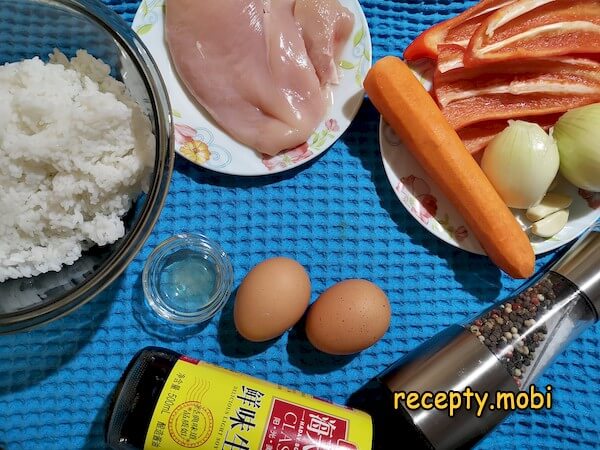
I prepare the ingredients. First: cook the rice (use the dedicated rice-boiling guide if needed). Cool the rice fully — cooled rice produces proper stir-fry texture. Meanwhile prep other ingredients: deseed peppers, peel onion + garlic + carrot, wash eggs.
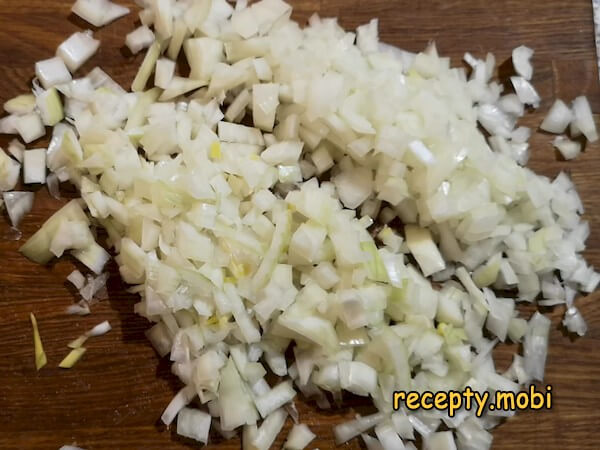
Dice both peeled onions into small cubes.
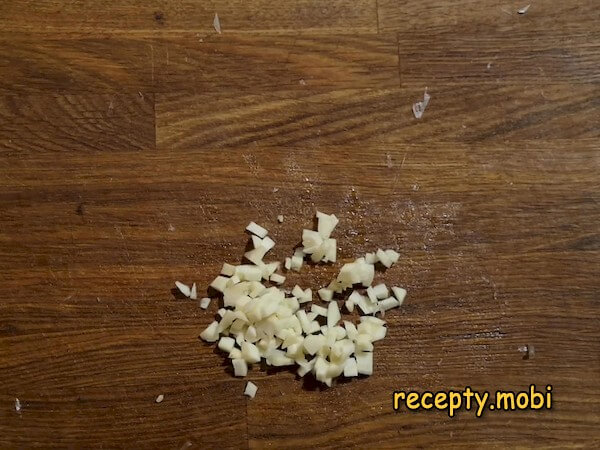
Mince garlic finely.
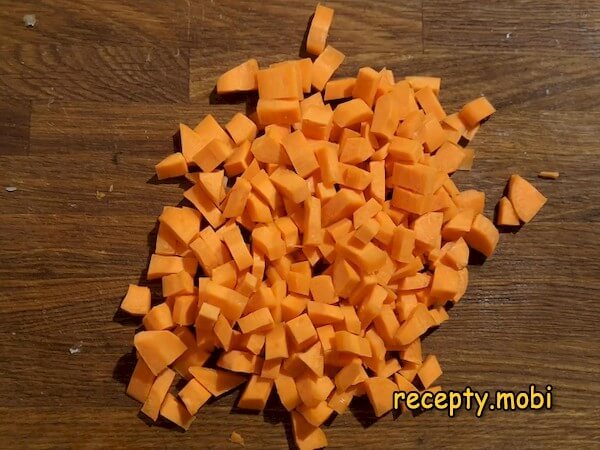
Dice carrot into small cubes OR grate on coarse holes.
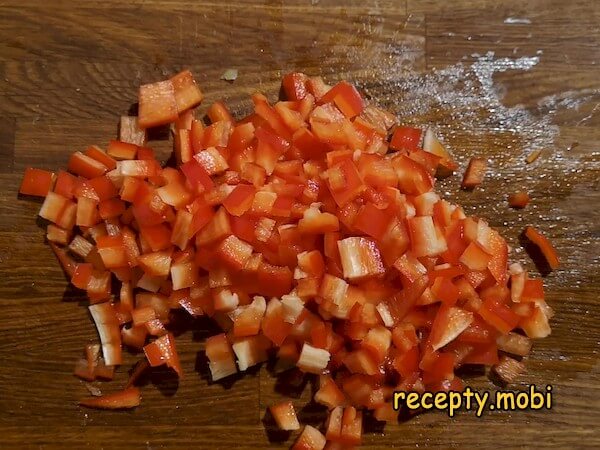
Cut sweet pepper lengthwise into strips, then crosswise into cubes.
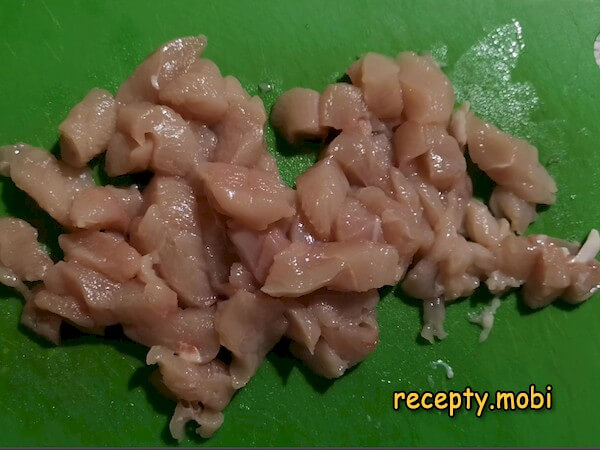
Cut chicken fillet into small pieces (1.5 cm cubes for fast cooking).
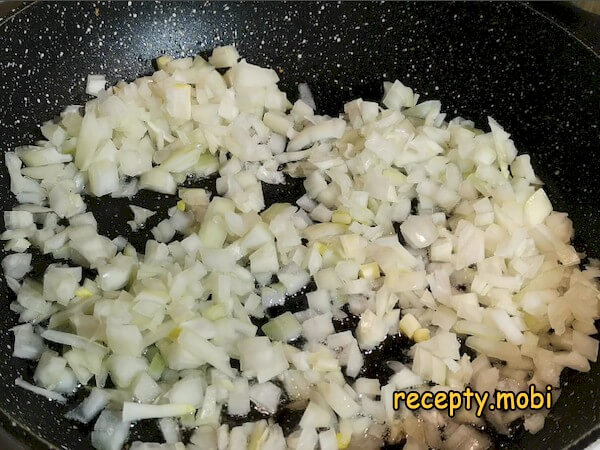
Heat skillet; add 2 tbsp vegetable oil + chopped onion. Sauté on medium heat 2-3 minutes (translucent + slightly golden).
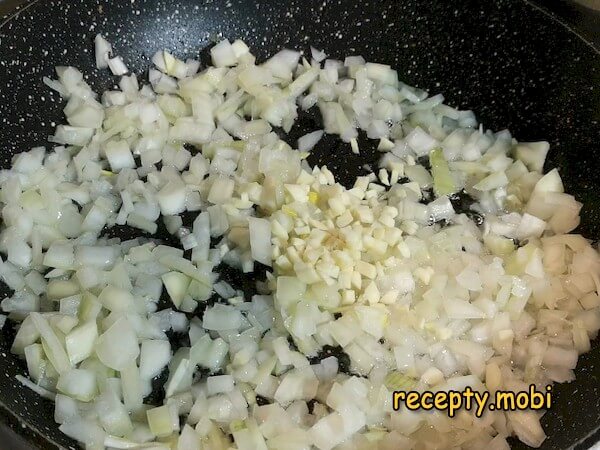
Add minced garlic; sauté 2 minutes more (don't burn — burnt garlic is bitter).
Add chicken fillet pieces; sauté 2-3 minutes (chicken pieces seal + start cooking through).
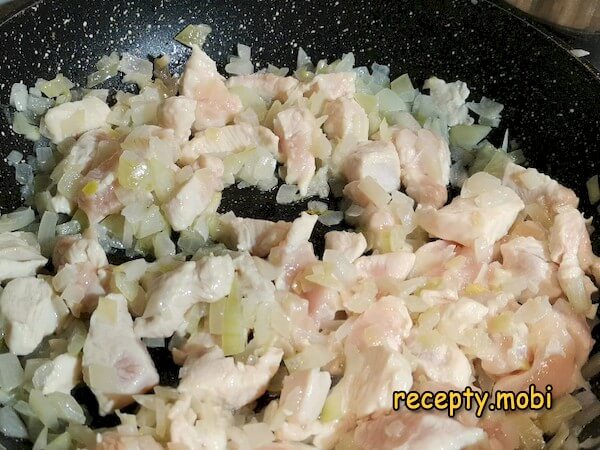
Add prepared carrot; sauté 1 minute.
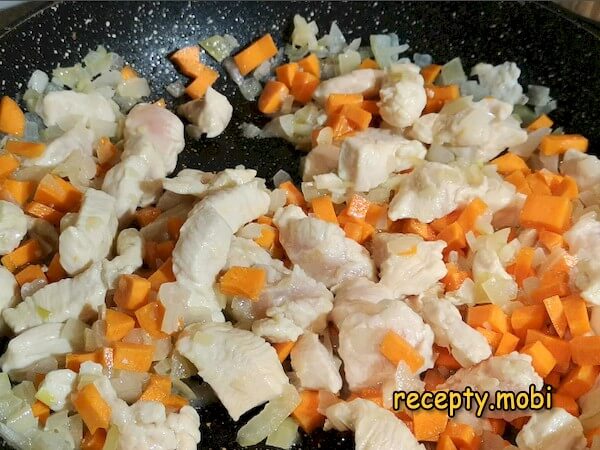
Add diced sweet pepper; sauté 1-2 more minutes.
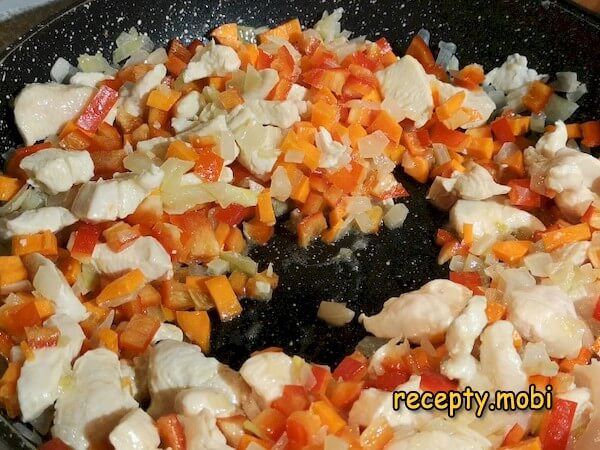
Crack 2 eggs directly into the pan with chicken + vegetables. Mix continuously — eggs should integrate evenly throughout the mixture (not stay as separate scrambled chunks).
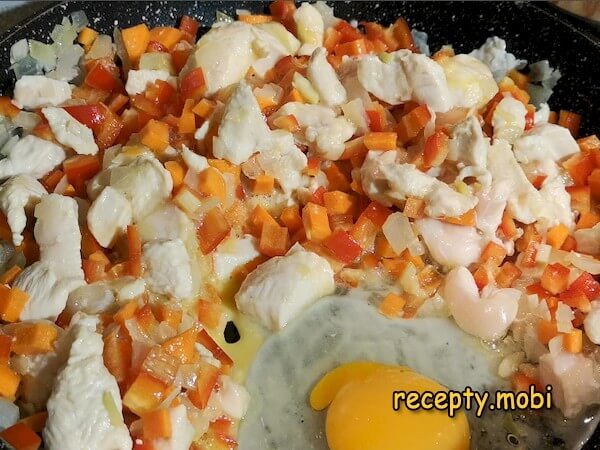
Add the cooled boiled rice; mix; sauté 2 more minutes (rice grains pick up the flavours from the surrounding mixture).
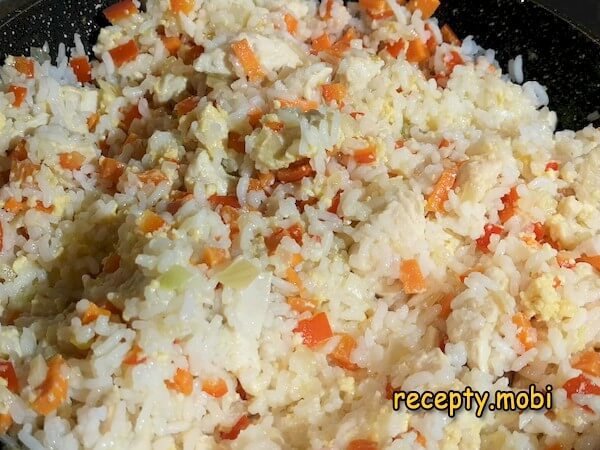
Add soy sauce (2 tbsp) + pinch of sugar + salt + black pepper to taste. Mix.
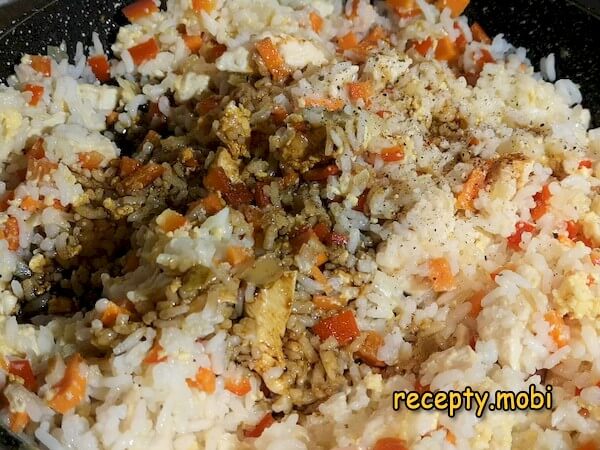
Pour in 1 tbsp lemon or lime juice.
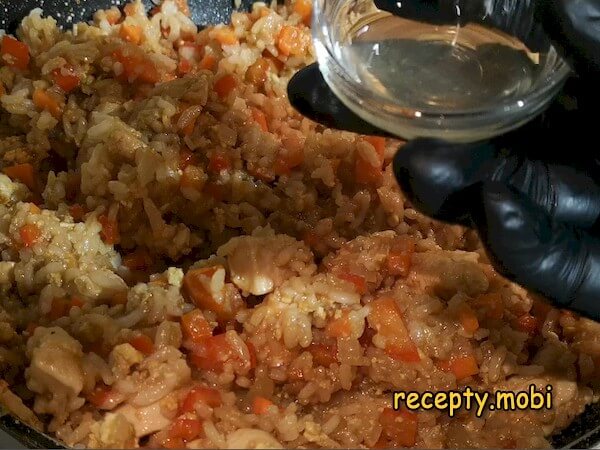
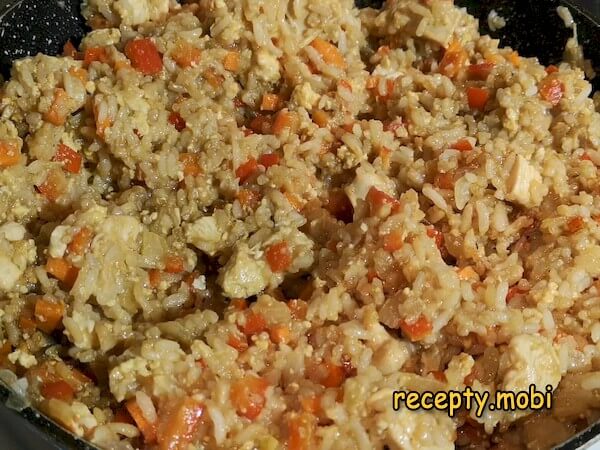
Final mix. Taste; adjust salt + pepper as needed. Thai-style rice is ready. Garnish with sesame seeds before serving. Enjoy.


Tips
- 1
THE COLD-RICE MANDATE. Step 1's "rice should be cooled" instruction is non-negotiable for proper Thai-style stir-fried rice. Hot fresh-cooked rice: high moisture content, sticky, clumps in the pan, produces mushy result. Cold day-old rice: surface starches set + dried slightly, grains separate cleanly, perfect stir-fry texture. Best practice: cook rice 1 day ahead, refrigerate overnight, use directly from fridge. Same principle for ALL fried-rice traditions worldwide (Chinese yang chow, Japanese yakimeshi, Indian biriyani-style fried rice).
- 2
THE EGGS-AT-THIS-POINT IS PRECISION TIMING. Step 12's egg addition timing matters. Eggs added too early (before vegetables): cook completely + dry out before rice arrives. Eggs added too late (after rice): can't integrate properly with the rest of the mixture. Adding eggs AFTER vegetables but BEFORE rice produces best result — eggs cook briefly with mineral juices from vegetables, then bind everything when rice arrives. Same timing principle applies to Chinese fried rice traditions. For another chicken-protein dish worth comparing, see Albanian Style Chicken Cutlets.
- 3
THE SOY-SUGAR-LIME BALANCE. Step 14-15's three-flavour finish (soy sauce + sugar + lime/lemon juice) follows classical Thai flavour balance principles. Thai cuisine targets: salty + sweet + sour + umami simultaneously. Soy provides salty + umami; sugar provides sweet; lime/lemon provides sour. Skip ANY of these three additions: dish loses Thai character. The pinch of sugar is essential — sugar bridges the salty + sour notes, creating the signature Thai flavour profile. Don't skip the sugar even if you avoid sweetness in cooking.
- 4
THE OPTIONAL THAI EXTRAS. The recipe is the basic adaptation; add these for more authentic Thai character: 1 tsp fish sauce (Nam Pla — adds genuine Thai umami beyond soy), 1 fresh lemongrass stalk minced (citrus floral note), 1 tsp finely minced ginger (warm spicy depth), 2-3 fresh basil leaves (Thai basil ideal, regular basil works) added at the end, 1 small chili minced (heat level to taste). These additions transform "inspired-by Thai" into "more authentic Thai." Source these at Asian grocery stores. For another Georgian chakhokhbili chicken stew variation worth trying, try Chicken Chakhokhbili in Georgian Style.
FAQ
Is this authentic Thai cuisine? +
This is "inspired-by-Thai" rather than fully authentic. Authentic Thai fried rice ("Khao Pad") uses jasmine rice (specific aromatic variety), fish sauce (not soy alone), Thai basil leaves, fresh chilies, and shrimp paste. The recipe here uses widely-available substitutes (regular rice, soy sauce, no fish sauce). Result: similar flavour profile but with Russian/Eastern European preparation conventions. The "Thai-style" label suggests inspiration rather than authenticity. Both versions are delicious; choose based on ingredient availability + cuisine purity preference.
Can I use leftover rice? +
Yes — perfect application! Day-old refrigerated rice works ideally for this technique (and most stir-fried rice dishes). Even 2-3 day old rice works well. Don't use rice that's been refrigerated longer than 5 days (food safety + quality concerns). Rice that's gone hard in the fridge: brief microwave with damp paper towel revives texture. Frozen rice: thaw in fridge overnight, drain any liquid, use directly. The dish was historically created as a way to use leftover rice — perfectly suited to that role.
Can I use other proteins? +
Yes — the recipe accepts diverse proteins. Best alternatives: shrimp (peeled, deveined — added with vegetables, cooks fast), pork tenderloin (cubed, similar to chicken), beef strips (sirloin or flank, briefly stir-fried), tofu cubes (firm tofu, added at the rice stage), no protein (vegetarian version with extra vegetables). Each shifts the dish character. For mixed-protein versions: chicken + shrimp combination is particularly popular in Thai cuisine. Total protein weight: 250 g matches recipe; can scale to 350 g for hungrier diners. Reduce other ingredients proportionally if increasing protein.
How long does it keep? +
Refrigerated, 2-3 days at peak quality. The fried rice texture stays intact during refrigeration. Reheating: brief skillet refresh with 1-2 tsp water (steam re-loosens the grains), OR microwave 1-2 minutes with damp paper towel covering (prevents drying). Don't reheat in oven (drys out). Frozen: works adequately (3-month freezer life), thaw overnight in fridge, reheat skillet-style. The dish makes excellent meal-prep — single serving portions hold quality through a work week. Pair reheated portions with fresh garnish (sesame seeds, lime wedge) for restored fresh-feeling presentation.
- Comment
or post as a guest
Be the first to comment.