avg —
Thin Lavash at Home

Instructions
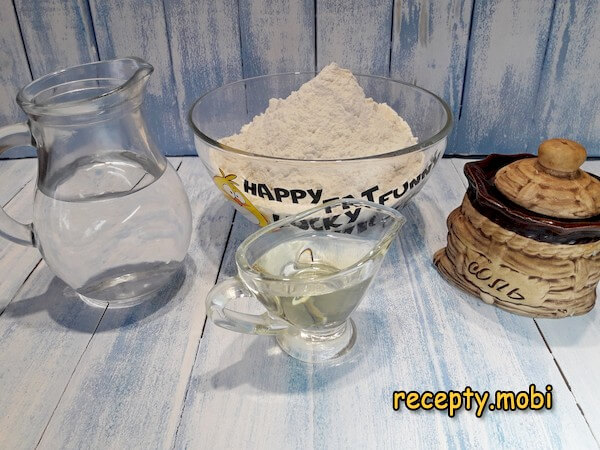
I prepare the ingredients. CRITICAL water temperature: boil water, then let it sit 2 minutes to cool to 80-85 °C. Hotter water (boiling) damages the gluten structure; cooler water doesn't activate the proteins for hot-water dough texture. The 80-85 °C window is the precision target.
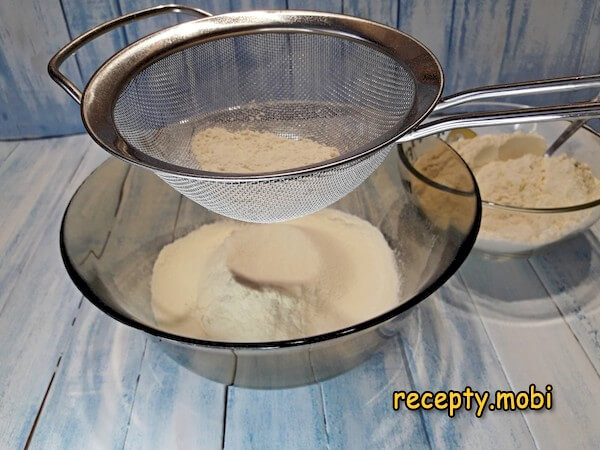
Sift flour (any grade, even highest premium) — removes lumps + adds air for lighter texture.
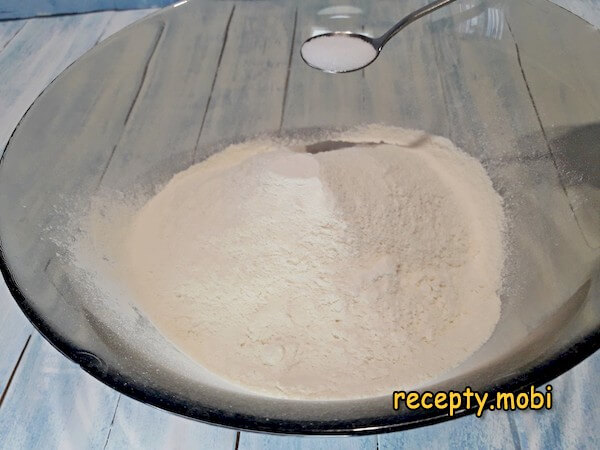
Mix the sifted flour with salt — even distribution before adding wet ingredients.
Pour in the hot water (80-85 °C). Quickly mix with a SPOON (not hands — too hot to touch yet). Thick lumps form initially.
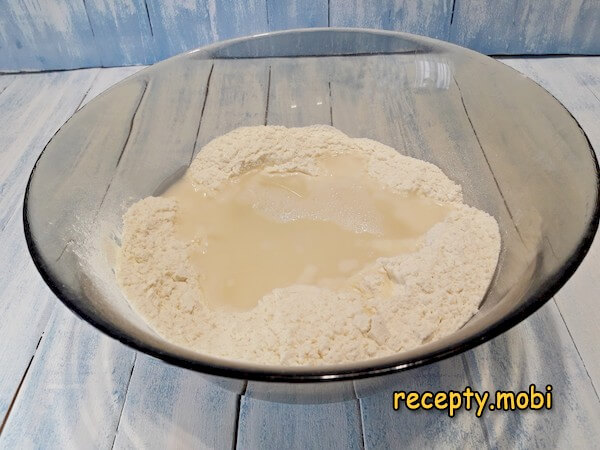
Add the vegetable oil. Continue mixing.
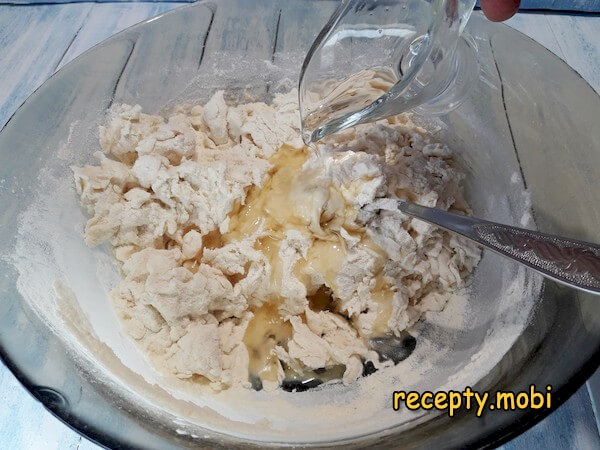
The dough has cooled enough to handle. Switch to hand-mixing, working in the bowl until all components combine.
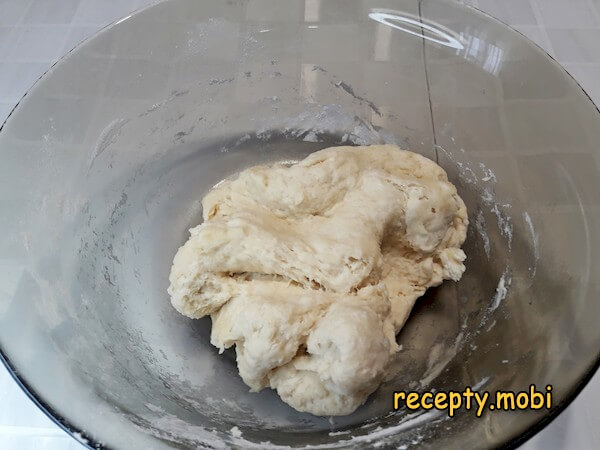
Continue kneading on a floured table for about 2 minutes. The dough is pleasingly pliable, soft, warm. After homogeneous mixing (texture still slightly loose), form into a ball.
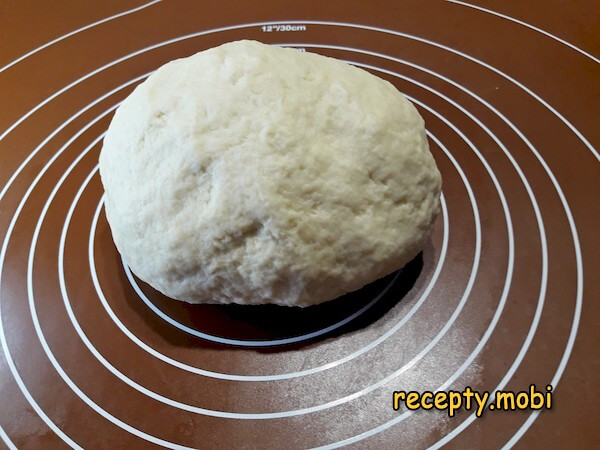
Place dough ball in a plastic bag (prevents drying); rest at room temperature 15 minutes. The hot-water dough's structure changes during the rest — gluten relaxes and the texture firms up.
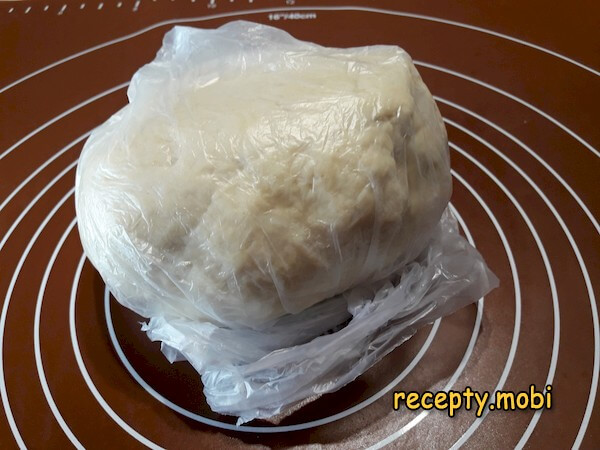
After rest, knead 3 more minutes — the dough becomes completely smooth and the looseness disappears. For easier handling, divide the ball into 2 equal parts.
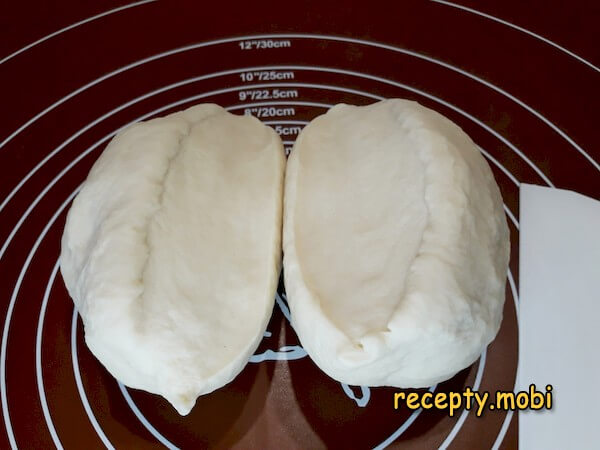
Roll each half into a long log; divide into 7-8 portions per log (depending on your frying pan diameter).
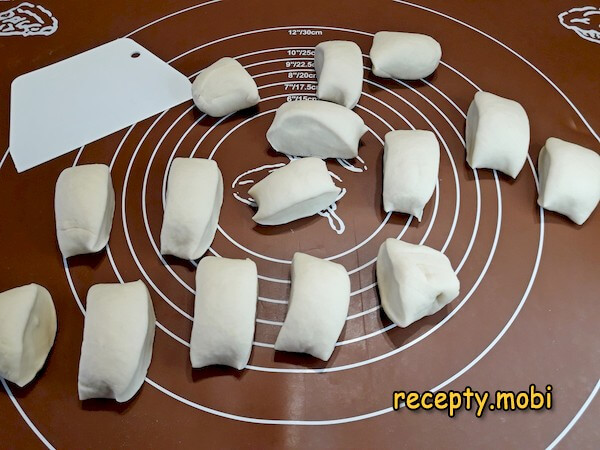
Round each piece into a small ball; place on a flour-dusted plate or board (prevents sticking).
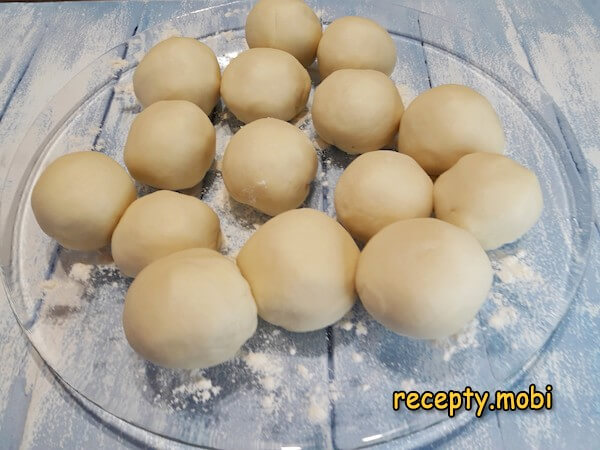
Flatten each ball into a patty by hand; sprinkle the patty with flour.
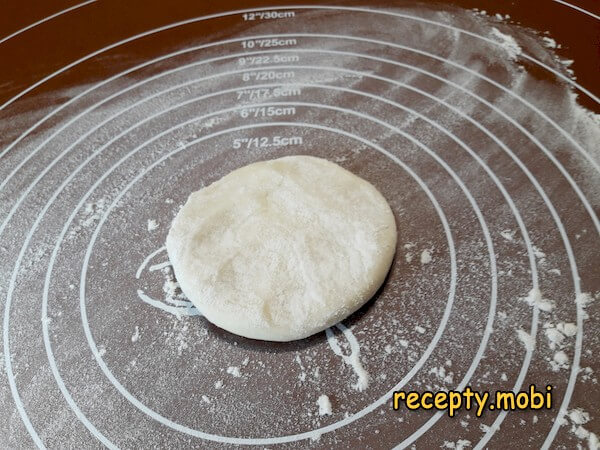
Roll out very thin (paper-thin) to the desired diameter. Constantly rotate during rolling — prevents the edges from pulling toward the centre. Flip the patty 2-3 times during rolling.
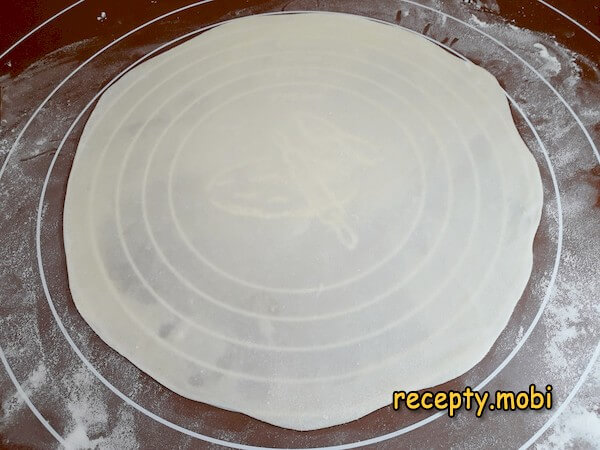
Final thickness: NO MORE THAN 1 mm. Thicker = doesn't have proper lavash texture; thinner = tears during cooking. The 1 mm target is precise.
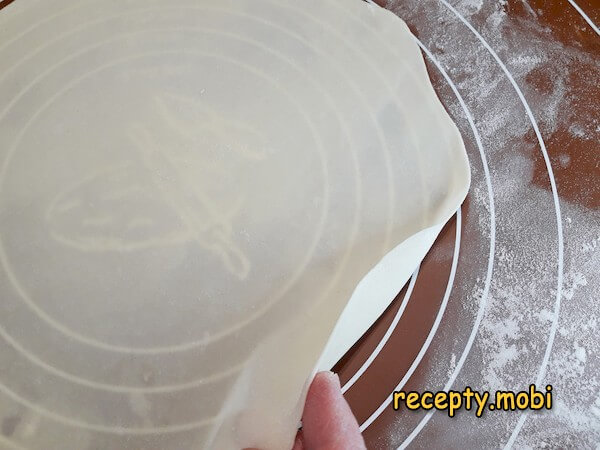
Transfer the rolled lavash to a DRY hot frying pan (NO oil — this is critical). Cook on medium-high heat until small bubbles appear on the surface (about 30 seconds).
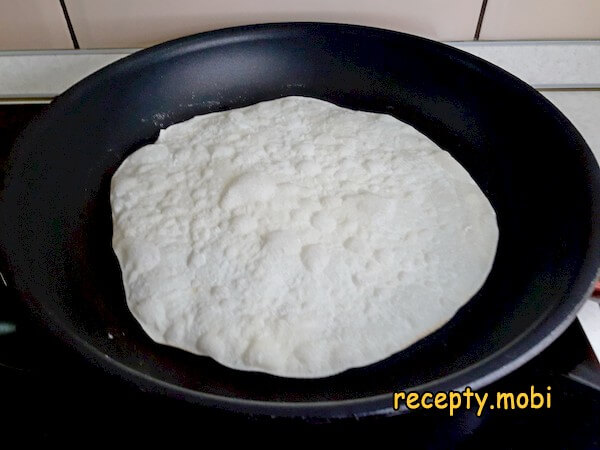
Flip; cook the other side another 30 seconds. While one lavash cooks, roll out the next one — efficient parallel work.
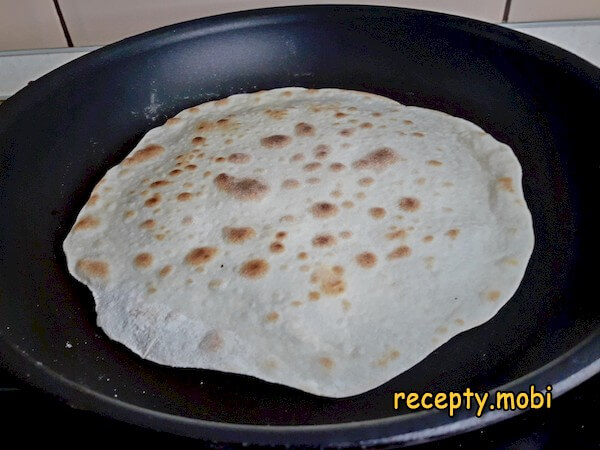
Transfer the cooked lavash to a plate; SPRAY BOTH SIDES with water from a spray bottle. The light water film softens the lavash for flexibility.
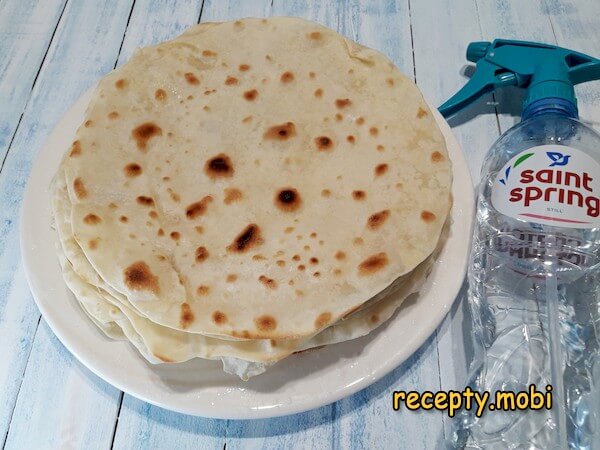
Cover the stack with plastic wrap, then with a clean kitchen towel. Periodically rotate the stack — move bottom lavash to top to ensure even softening.
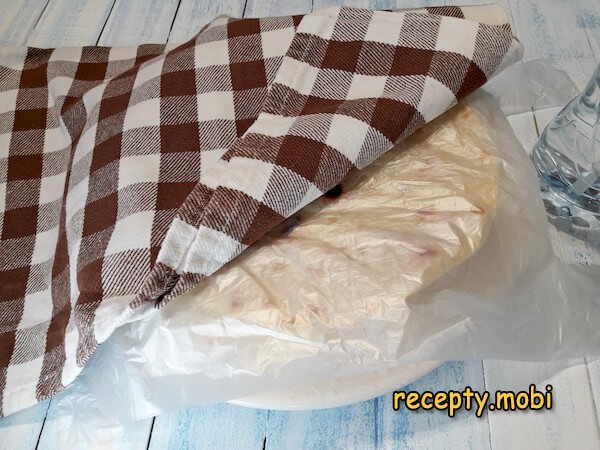
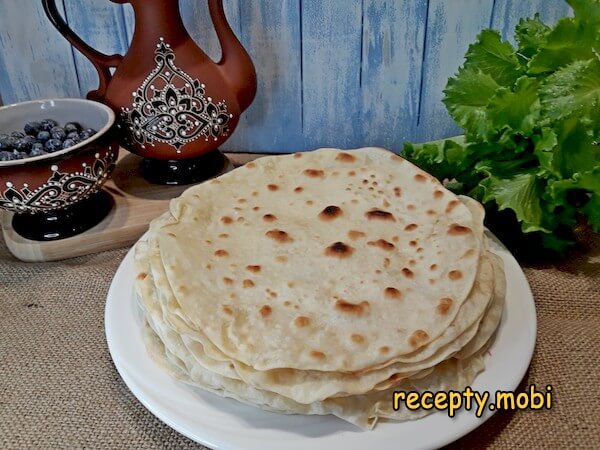
Rest 10 minutes — the lavash becomes ELASTIC, ready for wrapping any filling. Note: if using as bread substitute (not for wrapping), the rest isn't necessary; the crisp slightly-flaky fresh-from-pan version is also delicious as crackers or chips.


Tips
- 1
THE HOT-WATER-DOUGH IS THE TECHNIQUE. The recipe's defining feature is using 80-85 °C water (rather than cool/room-temperature water for standard breads). Hot water partially gelatinises the flour starches before kneading, producing distinctly different gluten structure — softer, more elastic, more flexible. Same technique appears in Chinese dumpling wrappers, Italian pasta dough variants, and Central Asian flatbreads. Cool water versions produce stiffer chewier flatbread; not lavash. The temperature is precision-critical.
- 2
THE WATER-SPRAY FINISH IS ELASTICITY. Step 17's water-spray + cover technique converts crisp fresh-from-pan lavash into the flexible wrap-able state. Without spray: lavash stays crisp (great as bread substitute, BAD for wrapping — cracks/breaks). With spray + cover: moisture penetrates, the dried flour absorbs water, the lavash becomes paper-flexible. The plastic-wrap cover prevents the moisture from evaporating before it's absorbed. Same technique softens commercial lavash that has dried out. For another flatbread variation worth comparing, see Bread with Basil at Home.
- 3
THE DRY-PAN COOKING IS CRITICAL. Step 15's "no oil in pan" instruction is non-negotiable. Oil during cooking changes the lavash from "flatbread" to "fried tortilla" — different texture entirely (puffy, oily, less elastic, fries shape during cooking). Dry pan produces lavash texture (light bubbling, no fat absorption, retains shape, paper-thin). Same dry-pan principle applies to all true flatbreads (chapati, tortilla, naan, lavash, pita). Use only oils for the dough itself, never the cooking surface.
- 4
THE FREEZING EXTENDS USE. Cooked lavash freezes excellently. Method: stack cooled lavash with parchment paper between each piece (prevents sticking), wrap stack tightly in plastic, freeze. Storage: 3 months. To use: thaw individual pieces at room temperature 5 minutes, OR microwave 15 seconds, OR brief warming on dry pan. Freezer-stored lavash is virtually indistinguishable from fresh — the freezing-then-thawing cycle even slightly improves the elasticity. Make a triple batch on a free afternoon, eat homemade lavash for months. For another oven-baked bread variation worth trying, try Bread in the oven at home.
FAQ
What's the difference between lavash and tortilla? +
Both are unleavened flatbreads but with key differences. Lavash (Caucasian/Armenian/Persian origin): typically wheat flour (sometimes mixed with water and yeast), traditionally cooked in tonir (clay tandoor) oven OR on hot stones, can be very thin (this recipe) or thicker (Armenian "matnakash" version), used for wrapping kebabs and shawarma. Tortilla (Mexican origin): made from corn flour (or sometimes wheat), cooked on comal (clay griddle) or pan, has different flavour profile due to corn flour, used for tacos and quesadillas. Texturally similar in the wheat versions but with different traditional uses and flavour origins. Both excellent in their own traditions.
Why does my lavash crack when rolled? +
Several possible causes. First: water temperature wrong — too cool produces less elastic dough. Solution: ensure water is 80-85 °C target. Second: insufficient kneading. Solution: knead the full 5+ minutes total (2 + 3 after rest). Third: skipped or shortened rest period. Solution: full 15-minute rest is essential for proper structure. Fourth: insufficient water-spray + cover step on cooked lavash. Solution: thoroughly spray both sides, cover with plastic + towel, wait 10 minutes. Fifth: using cold lavash directly from fridge or freezer. Solution: bring to room temperature before rolling.
Can I add flavours to the dough? +
Yes — many variations work. Best add-ins: 1 tsp dried herbs (oregano, basil, thyme), 2 tbsp toasted sesame seeds, 1 tbsp poppy seeds, 2 tsp dried garlic powder, 1 tsp paprika + 1/2 tsp cumin (Middle Eastern spiced lavash), 2 tbsp finely chopped fresh herbs. For sweet versions: 2 tbsp sugar + 1/4 tsp cinnamon. Don't exceed 5% of total dough weight in additions — preserves dough structure.
What can I make with homemade lavash? +
Hundreds of applications. Savoury: shawarma wraps (the iconic use), Caucasian-style meat-and-vegetable rolls, Armenian zhingyalov hats (greens-stuffed lavash), Russian lavash rolls with various fillings, lavash pizza (toppings + cheese, baked), lavash chips (cut into triangles, brushed with oil + spices, baked until crisp, served with dips), bread substitute at any meal. Sweet: lavash + cream cheese + jam (rolled), lavash + Nutella + sliced banana, lavash + ricotta + honey + cinnamon. Versatile, freeze-able, and excellent — the bread that earns kitchen-staple status quickly.
- Comment
or post as a guest
Be the first to comment.