avg —
Tuna Fish Soup with Potatoes and Rice

Instructions
Gather all the necessary ingredients on a clean work surface according to the recipe list. Wash the rice thoroughly five to seven times in changes of fresh cold water until the rinse water finally runs completely clear. This crucial rinsing step removes excess surface starch and prevents the soup from turning unpleasantly cloudy or gluey.
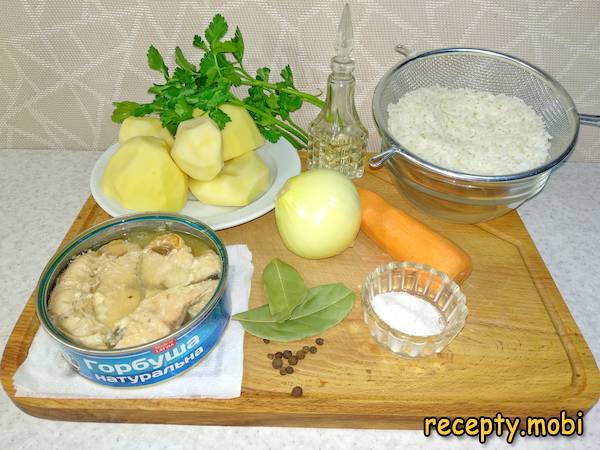
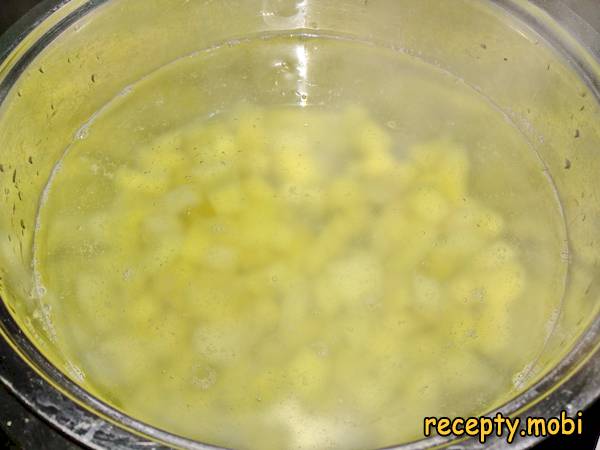
Cut the peeled potatoes into medium-sized cubes and transfer to a deep cooking pot filled with the measured water. Bring the water to a boil over high heat, then reduce to a gentle simmer and cook the potatoes for ten minutes to soften them partially before the rice goes in.
While the potatoes cook, prepare the carrot. The carrot can be grated coarsely on a box grater for a more rustic appearance in the finished soup, or alternatively cut into fine matchstick strips for a more refined elegant presentation in the bowl.

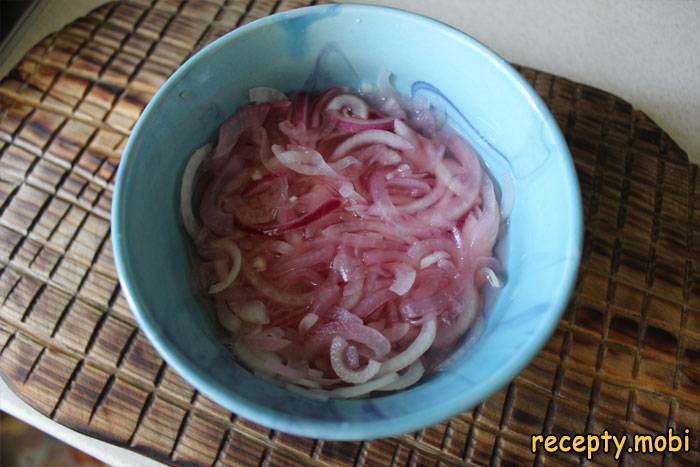
Cut the peeled onion into quarter rings of an even thickness. Smaller pieces of onion will dissolve more thoroughly into the broth as the soup cooks, leaving behind only the flavour of the onion rather than firm distinct chunks in every spoonful at the table.
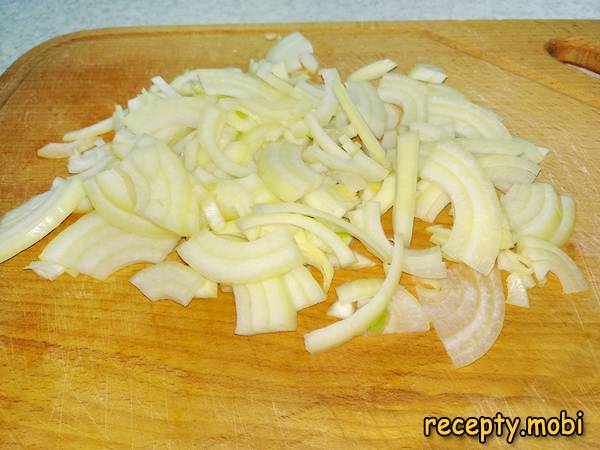
Pour a little vegetable oil into a frying pan and place over medium heat. Add the prepared chopped onion and sauté gently until soft and translucent. Stir occasionally to prevent any pieces of onion from catching and burning on the bottom of the pan during this brief cooking step.
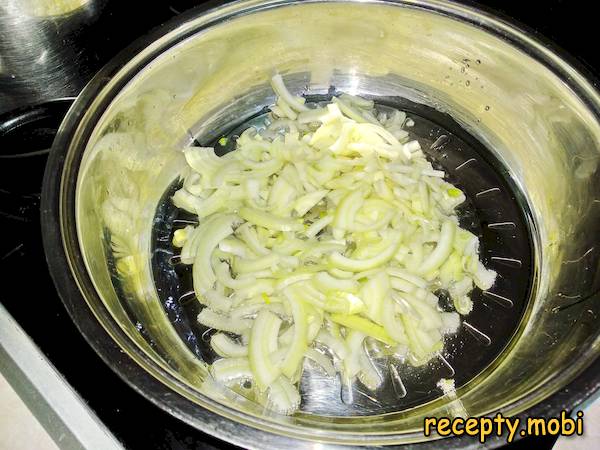
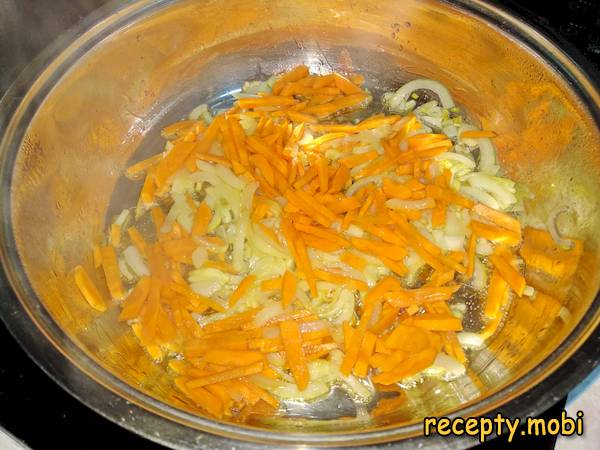
Add the prepared carrot to the frying pan with the softened onions. Continue cooking over medium heat until the carrot has also softened and developed a slightly deepened orange colour, which usually takes another five to seven minutes of gentle stirring on the stove.
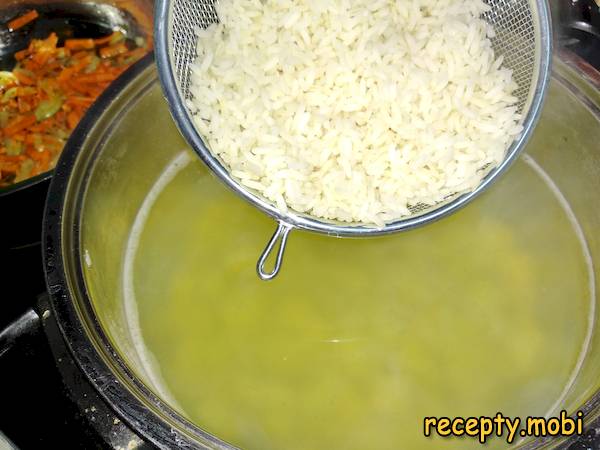
After the potatoes have boiled for ten minutes, add the rinsed rice to the pot and continue cooking everything together for another ten minutes. The partially cooked potatoes and the rice should reach the right tender doneness at roughly the same time using this approach.
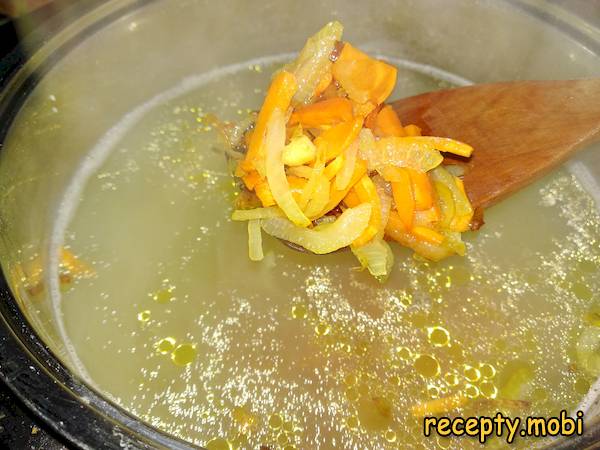
Once the carrots and onions have sautéed properly and become soft, transfer the pan contents straight into the cooking pot to boil with the potatoes and rice. Stir gently to combine all the ingredients evenly throughout the broth in the pot.
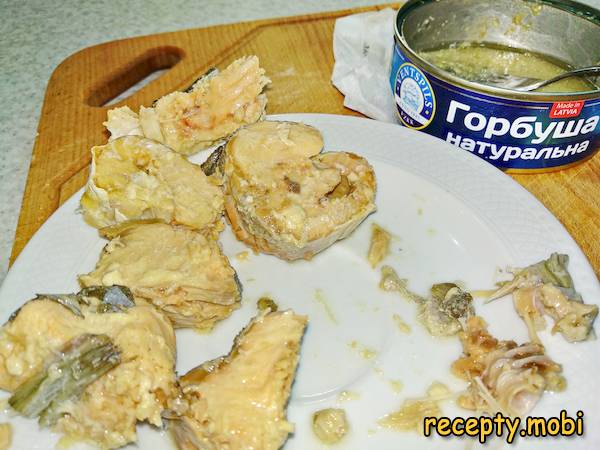
Open the can of salmon and tip the contents onto a clean plate. Carefully separate any visible bones and discard them, since bones can be unpleasant to encounter unexpectedly in a spoonful of soup. Do not chop the salmon into smaller pieces, since you want visible chunks of fish in the finished soup at the table.
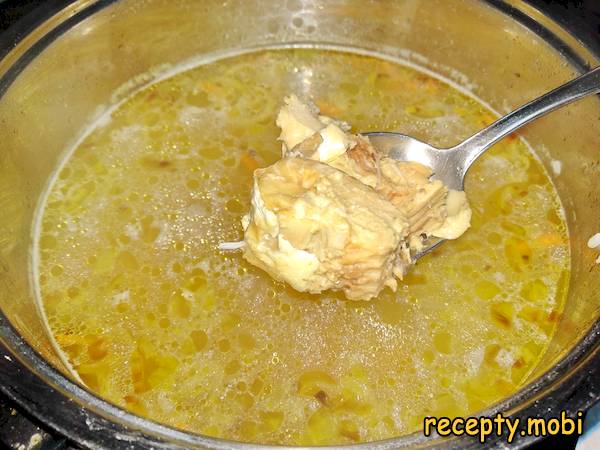
Add the prepared salmon pieces to the cooking pot. Stir gently to distribute the fish evenly throughout the broth without breaking up the larger chunks. The salmon needs only a brief warming through, since it has already been fully cooked during the canning process at the factory.
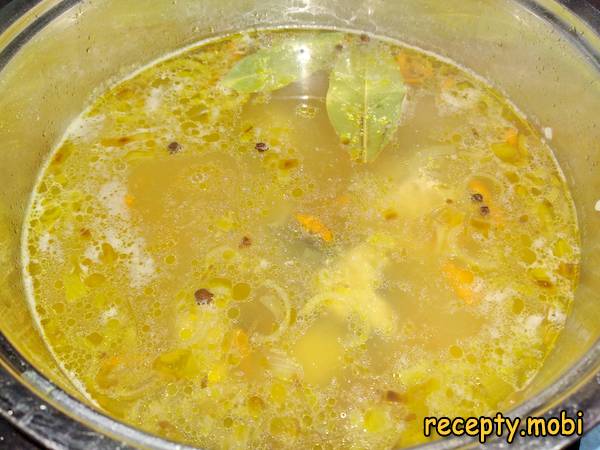
Add salt, freshly ground black pepper and the bay leaf to the pot. Bring the soup back up to a gentle boil. After it reaches the boil, cook for just three to four more minutes to warm the salmon through to the centre and let the bay leaf release its aromatic oils into the broth.
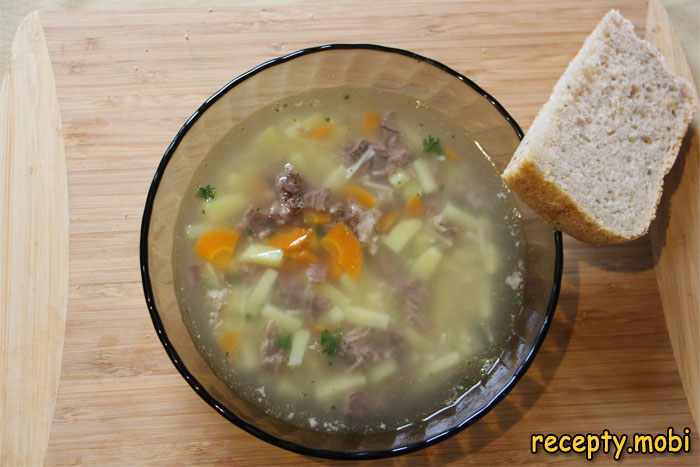
Ladle the finished soup into deep serving bowls and finish each portion with a generous handful of finely chopped fresh parsley. The canned salmon fish soup with potatoes and rice is now ready. Let the soup steep for ten minutes before serving for the best flavour development. Bon appetit!
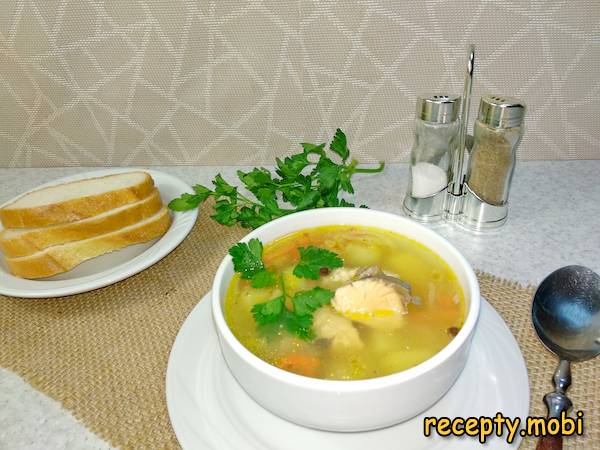


Tips
- 1
Choose canned salmon packed in its own juices rather than oil for the cleanest most authentic flavour in the finished soup. Pink salmon, sockeye salmon and chum salmon all work beautifully and bring slightly different flavour profiles to the bowl. Always check the can for visible bones and remove any larger ones before adding the fish to the pot, since unexpected bones can be genuinely unpleasant to encounter in a spoonful of hot soup.
- 2
Rinse the rice thoroughly until the water runs completely clear before adding to the pot, since unrinsed rice releases excess starch that turns the broth unpleasantly cloudy. To pair this quick weeknight soup with another classic Russian fish dish for a properly authentic dinner menu, try our elegant pike perch fish soup at home for a more refined celebration meal.
- 3
Sauté the onions and carrots properly in oil before adding to the soup pot, since the brief frying step caramelizes the natural sugars in the vegetables and develops a noticeably deeper richer flavour than just adding the raw vegetables straight to the boiling water. Take care not to burn the onions, since burnt onion contributes only bitterness rather than the desired sweetness.
- 4
Add a generous handful of fresh chopped parsley to each serving bowl just before bringing the soup to the table for a bright fresh garden note that lifts the whole dish. For another quick simple soup to add variety to the weekly menu, try our refreshing green sorrel soup with egg and chicken for a beautiful springtime alternative.
FAQ
Can I use canned tuna instead of salmon? +
Absolutely. Canned tuna in its own juices works equally well in this style of quick fish soup and produces a slightly milder flavour profile that some family members may even prefer to the more pronounced taste of salmon. Drain the tuna well before adding to the pot, and consider adding a small squeeze of lemon juice at the end to brighten the flavour. Sardines or mackerel also work for those who enjoy a stronger fishier note in the finished bowl.
What can replace rice in this soup? +
Small pasta shapes such as orzo, vermicelli broken into short pieces, or even small soup noodles all work brilliantly in place of rice in this recipe. Pearl barley adds a chewier nuttier character to the soup, while finely diced potato (in addition to the larger potato cubes already in the recipe) thickens the broth pleasingly. Each substitute brings its own slightly different texture and flavour, so feel free to experiment based on what is in the pantry that day.
How long does this soup keep? +
Store the cooled soup covered tightly in the refrigerator for up to two full days for best results. The flavours actually improve significantly on the second day as the salmon, vegetables and broth continue to merge into a beautifully harmonious whole. The rice will absorb more liquid during storage, so add a splash of fresh water or broth when reheating to thin the soup back to the original soupy consistency you started with.
Can I make this soup in a slow cooker? +
Yes, but reduce the water quantity by about a third, since slow cookers retain much more moisture than stovetop cooking. Add the sautéed onions and carrots, the diced potatoes, the rinsed rice, the seasonings and the water to the slow cooker and cook on low for four hours. Add the canned salmon and the bay leaf for the final twenty minutes only, since the salmon needs only a brief warming through and would otherwise overcook into a mushy texture.
- Comment
or post as a guest
Be the first to comment.