avg —
Veal Shurpa (with Fried Onions)

Instructions
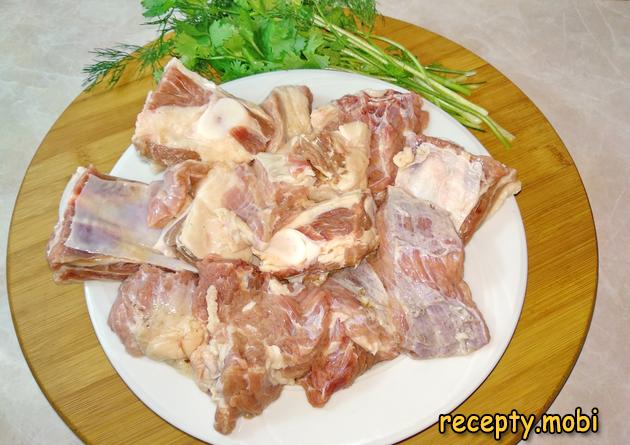
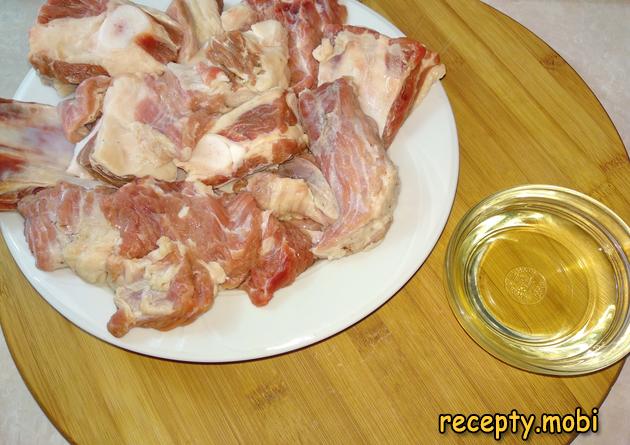
Start making the shurpa with the proper selection of meat. Since not everyone eats lamb, the soup can also be made with veal as the recipe describes. For a properly good broth, use the rib section of the carcass and add a small amount of pulp meat. Wash the meat thoroughly under cold running water and pat it dry with a paper towel.
Prepare all the vegetables according to the recipe list. Have everything washed, peeled and within easy reach before you start the actual cooking process for the smoothest workflow.
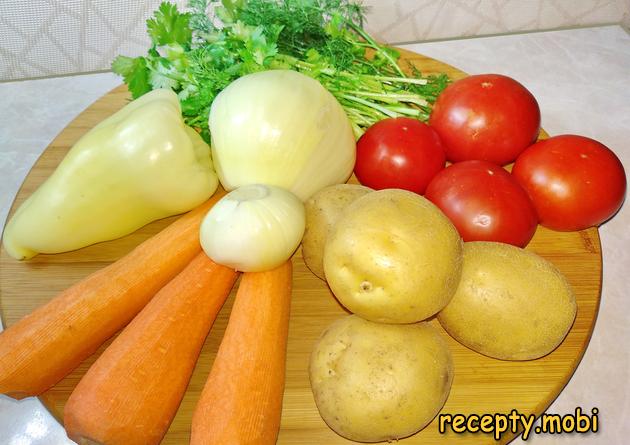
Slice all the peeled onions into thin half-rings. The half-ring shape gives a nice mix of flavour distribution and easy handling during the sautéing step that follows.
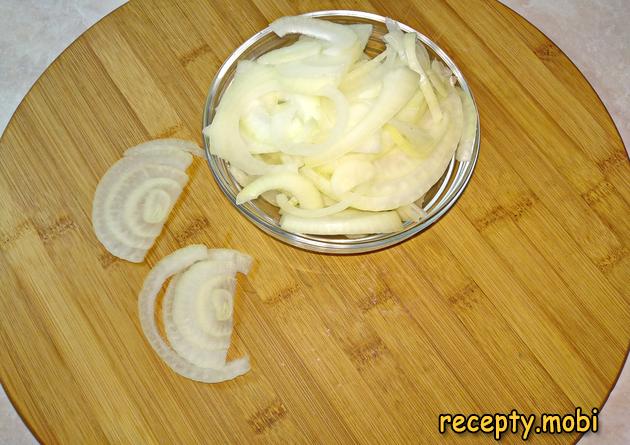
Peel the carrots and cut them into large pieces. You can cut them into matchstick sticks for elegance, or leave them in round chunks for a more rustic country presentation.
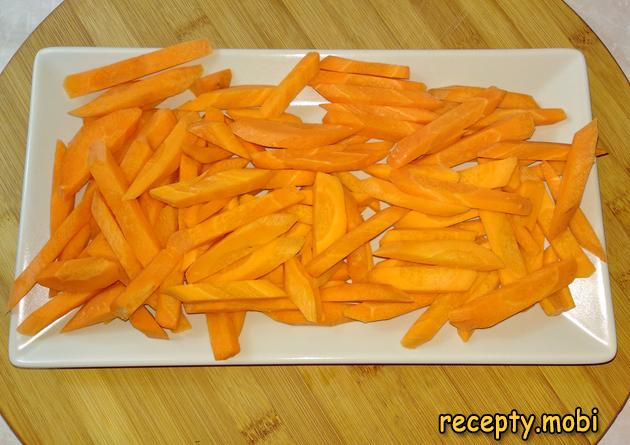
Clean the bell peppers thoroughly of seeds and white pith, wash them well, and slice them into thin half-rings. Use red, yellow or green peppers (or a mix of all three) for the most colourful finished soup.
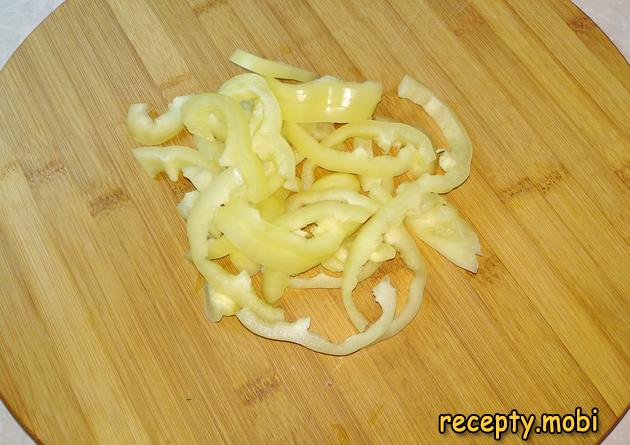
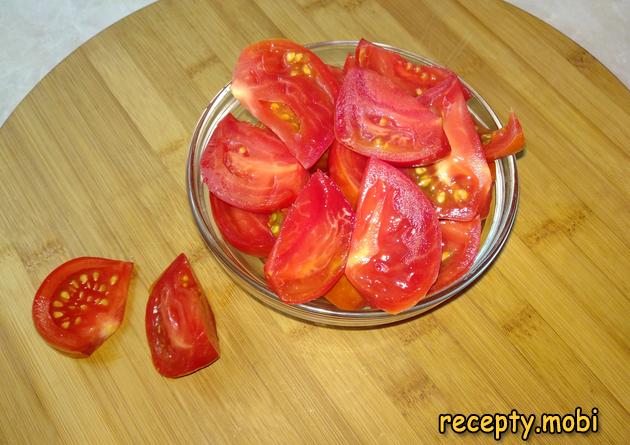
Choose properly ripe tomatoes for the best finished flavour. Cut them into four or eight pieces depending on the size of each tomato. Smaller tomatoes work better cut into quarters, while larger ones benefit from being cut into eighths.
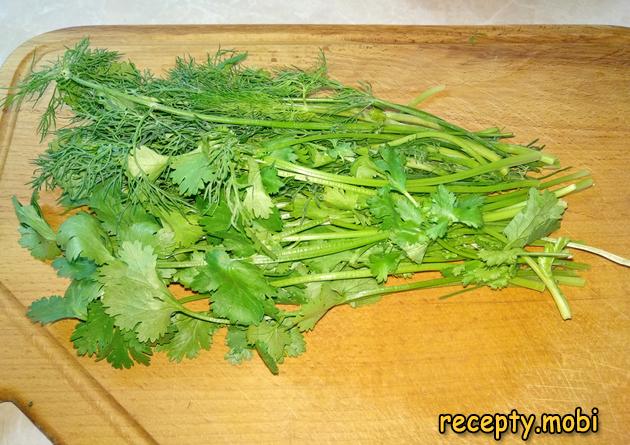
Prepare a generous bunch of fresh greens. You can add dill, cilantro and parsley to the shurpa for the most complex aromatic finished flavour profile. Wash the greens thoroughly to remove any sand or grit.
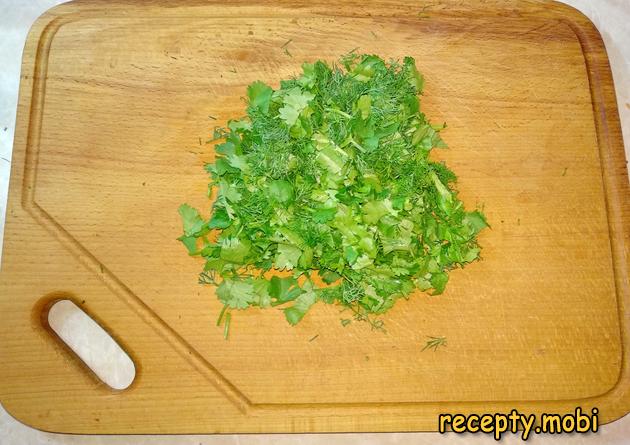
Chop the prepared fresh greens finely with a sharp knife on a wooden cutting board. Save a small handful of whole greens for garnishing the finished soup just before serving for the freshest brightest finishing touch.
Now start the cooking process. We will cook the shurpa with the proper traditional frying step. Have the vegetable oil and the prepared meat ready before turning on the heat.
Shurpa is traditionally cooked in a large heavy "kazan" cooking vessel, but a deep frying pan with a properly thick bottom works equally well in the modern home kitchen. Heat the vegetable oil and fry the meat until properly golden brown all over.
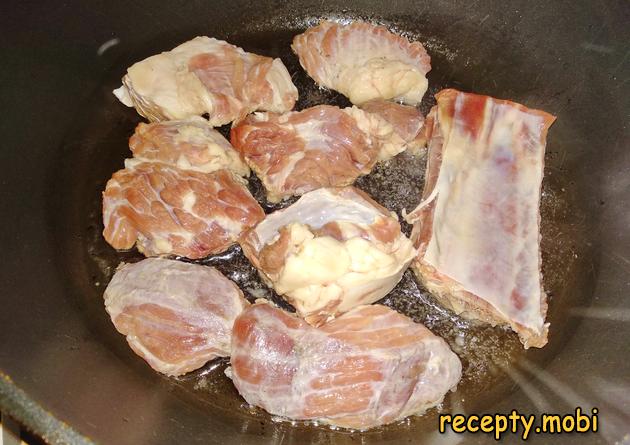
Add the prepared sliced onion to the browned meat in the pan. Stir gently to combine and continue cooking together for the next few minutes.
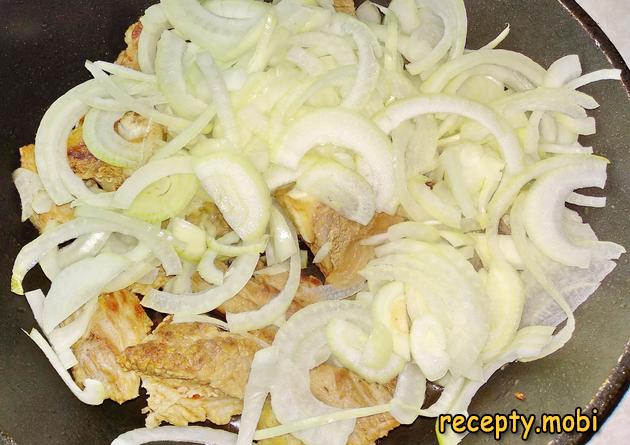
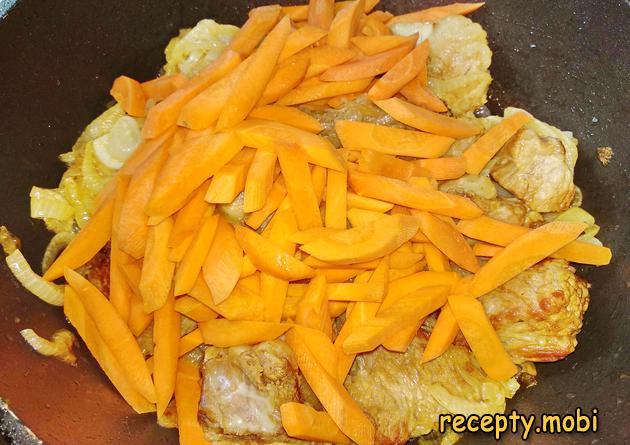
When the onion has become properly translucent, add the prepared carrot to the frying pan with the meat and onion. Continue simmering for a little more than a quarter of an hour total to soften the carrot properly.
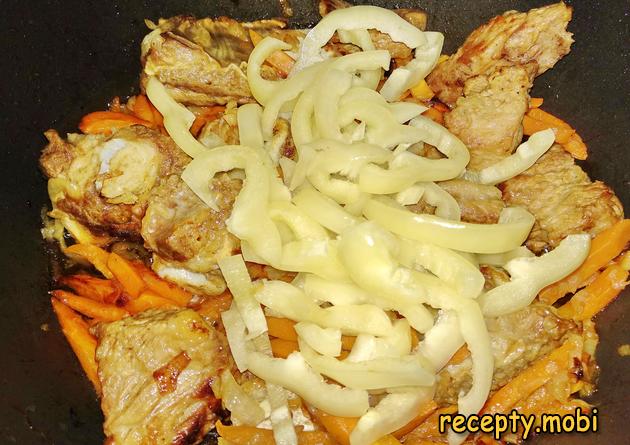
Add the prepared bell pepper to the frying pan and continue simmering for another ten minutes. The pepper adds a beautifully fresh sweet note to the building flavour foundation of the soup.
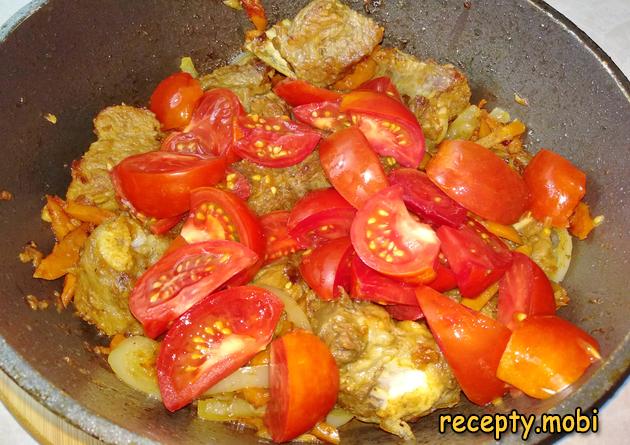
Add the prepared tomatoes to the other ingredients in the pan and simmer for another 10-15 minutes. The tomatoes will give the dish a properly beautiful colour and a natural pleasing acidity. After a quarter of an hour, add 1.5 litres of hot water (cold water cannot be added, since cold water would lower the cooking temperature in the pan and disrupt the proper cooking process).
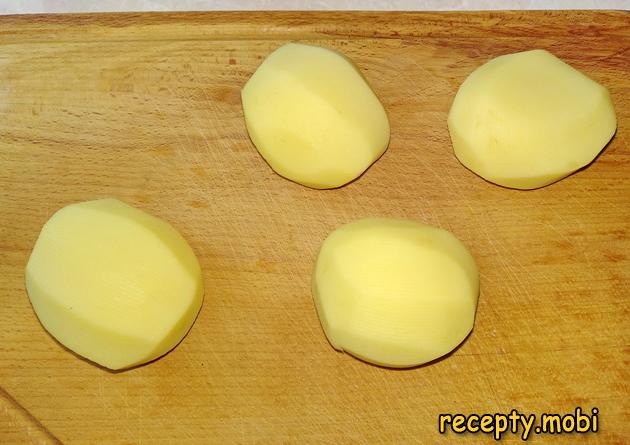
The last vegetable to add to the shurpa is the potato. Peel the potatoes and cut each one into four large pieces. Larger pieces hold their shape better during the brief final cooking time.
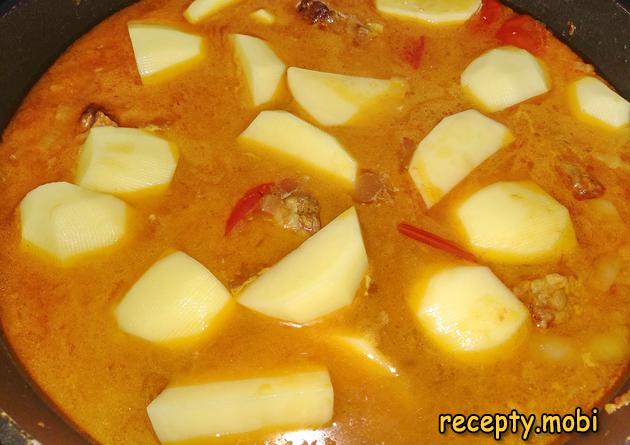
At this stage, taste a piece of meat to check the doneness. The meat should be almost properly tender by now. Fifteen minutes before the end of cooking, add the prepared potato to the soup pot.
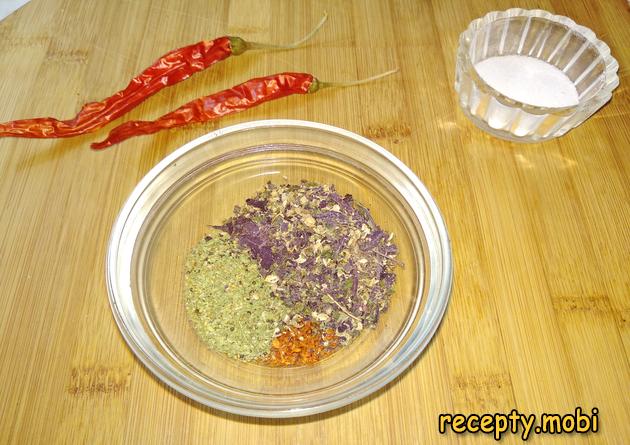
Prepare all the spices according to the recipe list. Have them measured and ready before adding to the soup for the final flavouring step.
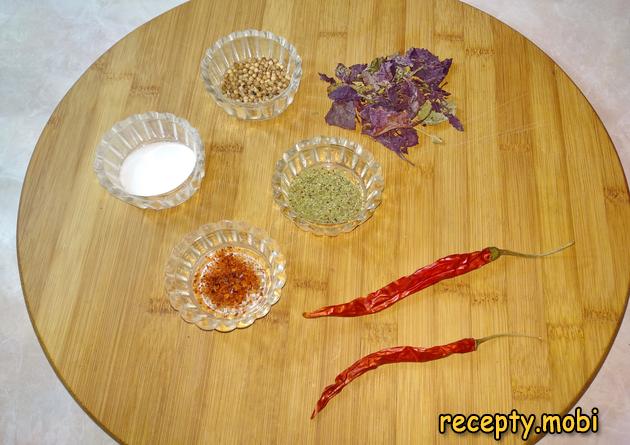
If necessary, grind the whole spices in a mortar to release maximum aromatic oils, mix them together briefly, and add them to the simmering shurpa. Salt the soup immediately, then add the prepared chopped greens and a small extra onion for salad-style garnishing.
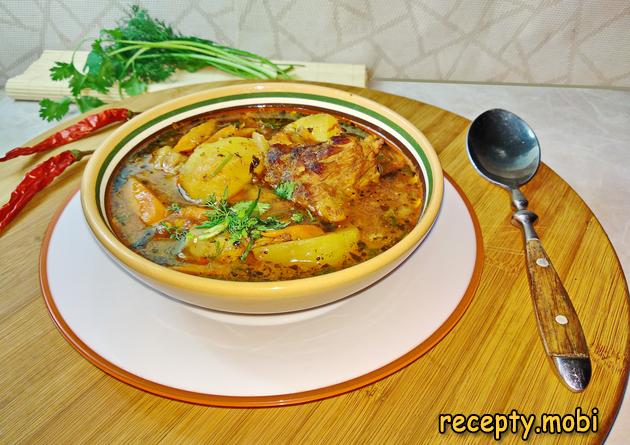
Boil for 5-7 minutes more and remove from the heat. Veal shurpa is properly served hot in deep soup bowls. Place one or two pieces of meat in each bowl, the same amount of potato, and ladle the vegetable-rich broth over the top. A little extra fresh greenery scattered on top of each plate does not hurt at all. Bon appetit!


Tips
- 1
Brown the meat thoroughly in the hot oil before adding any vegetables, since proper browning develops the deep savoury Maillard flavours that distinguish a great shurpa from an ordinary meat soup. Take your time with this step and turn the meat pieces every few minutes for even browning on all sides. The brief extra effort genuinely pays off in the depth of flavour in the finished soup at the dinner table tonight.
- 2
Use a properly thick-bottomed cooking pot or kazan for the most reliable cooking. To pair this beautifully traditional Central Asian soup with another properly authentic Caucasian preparation for variety in your menu, try our beautifully fragrant khmeli-suneli how to prepare it at home for an authentic spice blend that suits many regional dishes perfectly.
- 3
Add only hot water (not cold) when topping up the simmering pot, since cold water would dramatically lower the cooking temperature and disrupt the proper cooking process. Keep a kettle of hot water ready on the stove for any top-ups during cooking. The temperature consistency genuinely matters for the proper traditional shurpa technique and produces noticeably better tender meat in the finished soup.
- 4
Serve the finished shurpa with warm flatbread (such as Uzbek lavash or naan), a small bowl of plain yoghurt and a generous handful of fresh chopped herbs scattered over each portion. For another beautifully traditional Caucasian rice-based main course, try our beautifully aromatic fluffy chicken pilaf in a skillet as a contrasting alternative for celebration meals.
FAQ
Can I make shurpa with other meats? +
Absolutely. Lamb is the most authentic traditional choice and produces the deepest most flavourful finished soup. Beef chuck or shin works well too and produces a slightly different but equally satisfying soup. Even chicken (especially bone-in pieces) makes an acceptable substitute for a lighter quicker version, though the soup loses much of its proper traditional character. Goat meat is sometimes used in Central Asian villages for the most authentic shurpa experience, though it can be hard to source outside the region.
What kind of bread should I serve with shurpa? +
Traditional Uzbek lavash or naan flatbread is the most authentic accompaniment to shurpa. The flatbread is torn by hand into pieces and used to scoop up the soup or to mop up the savoury broth from the bottom of the bowl. Pita bread, focaccia or any rustic crusty country bread also work brilliantly as substitutes when proper Uzbek bread is unavailable. Slightly stale bread is actually preferable to fresh, since it absorbs the broth more readily without disintegrating immediately.
How long does shurpa keep? +
Store leftover shurpa covered tightly in the refrigerator for up to three full days for best results. The flavours actually improve significantly on the second day as the meat, vegetables and spices continue to merge into a beautifully harmonious whole. The soup also freezes brilliantly for up to three months in airtight portion-sized containers, which makes it ideal for batch cooking on a quiet weekend afternoon for use during a busier week ahead.
Can I add other vegetables to shurpa? +
Of course. Quinces, turnips, sweet pumpkin chunks, fresh peas, fresh green beans, courgettes, aubergines or even small whole cherry tomatoes all work brilliantly added to the basic shurpa recipe. Each addition brings its own slightly different flavour and texture to the finished soup. Add hardier vegetables (such as turnips and quinces) earlier in the cooking time, and softer vegetables (such as courgettes and peas) closer to the end for the best texture in the finished bowl.
- Comment
or post as a guest
Be the first to comment.