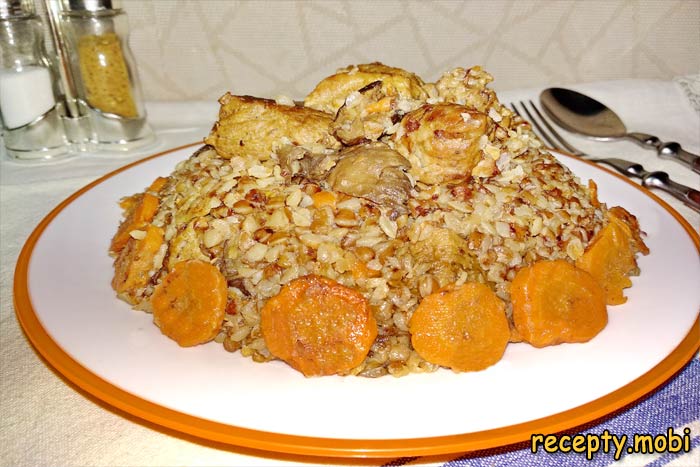
avg —
Vegetable Stew with Eggplant and Zucchini

Instructions
Lay out every ingredient before starting the stew. Grate the carrot on a vegetable grater. Peel the garlic and the onion. Remove the seeds and white inner ribs from the bell pepper. Have everything washed and ready on the work surface.
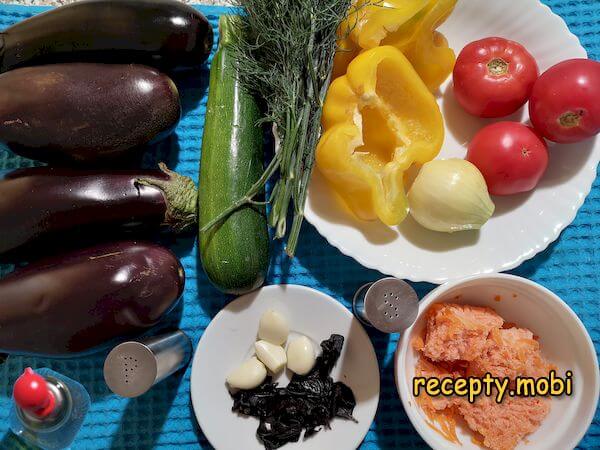
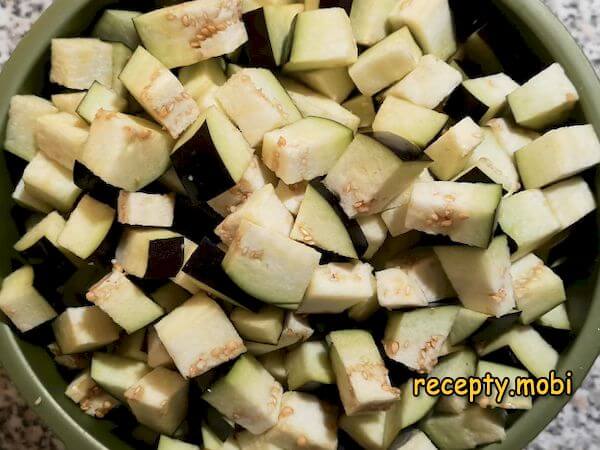
Cut the four eggplants into medium even cubes. Avoid cutting them too small because the cubes shrink considerably during cooking; medium pieces stay clearly visible in the finished stew rather than disappearing into mush.
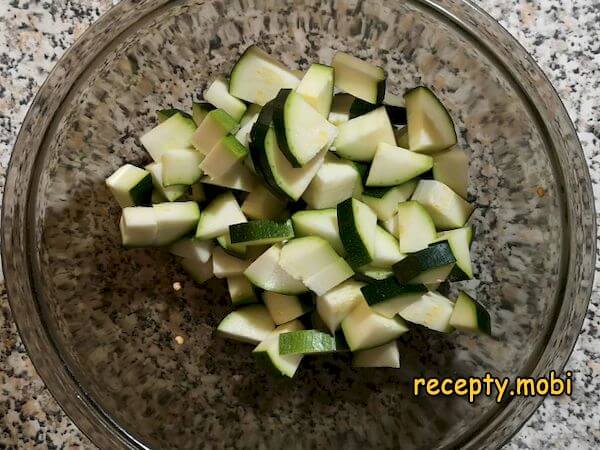
Cut the zucchini into the same medium cubes as the eggplants. Uniform sizes ensure all the vegetables cook through at the same rate during the simmering phase that follows later in the recipe.
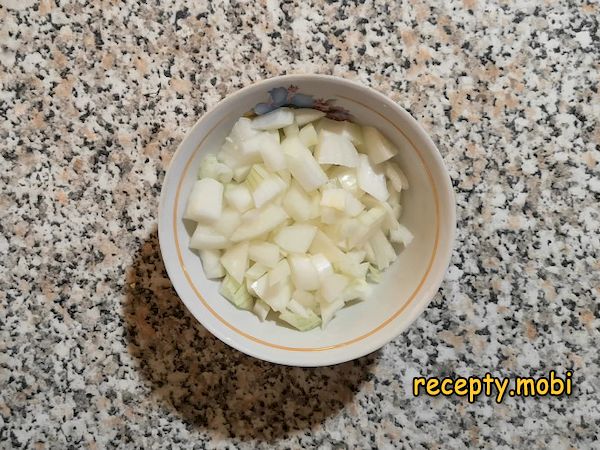
Cut the peeled onion into small even cubes. Smaller onion pieces melt more thoroughly into the finished stew and produce a smoother flavor than chunky pieces that remain visible and crunchy.
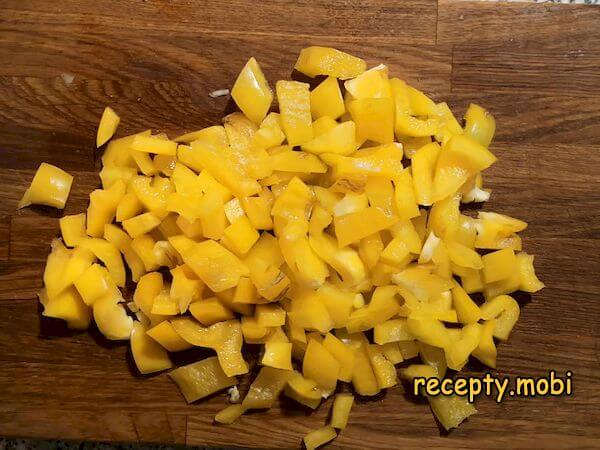
Finely chop the cleaned bell pepper into small dice matching the onion in size. The small dice distributes evenly throughout the stew and produces the harmonious flavor profile that defines a properly made vegetable stew.
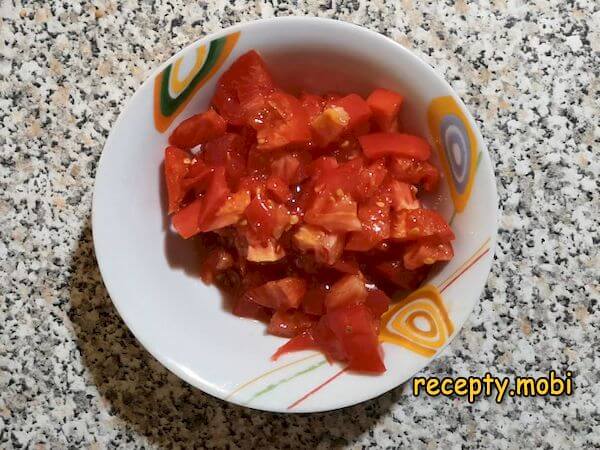
Chop the three tomatoes with a sharp knife into medium random pieces. The tomatoes will break down further during cooking, so the exact shape matters less here than for other vegetables in the stew.
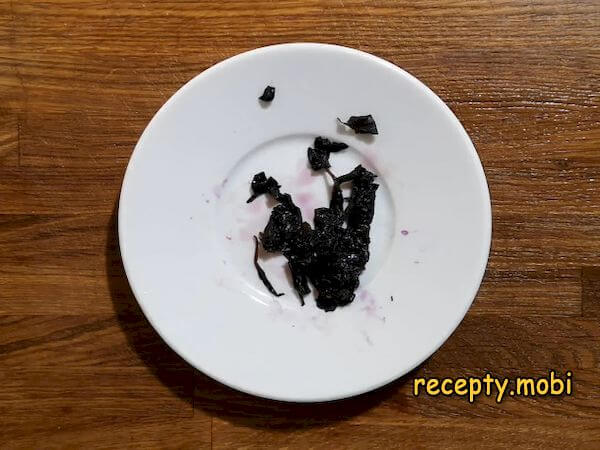
Finely chop the basil with a sharp knife. Fresh basil delivers the most aromatic punch; dried basil works in a pinch but loses some of the character that defines this Mediterranean-inspired stew.
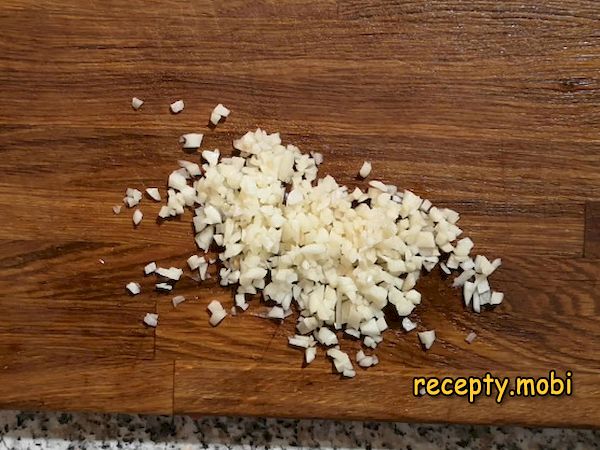
Pass the garlic through a press or finely dice it into small cubes with a sharp knife. Both methods work equally well; pressed garlic releases more aromatic oils, while diced garlic stays slightly more visible in the finished stew.
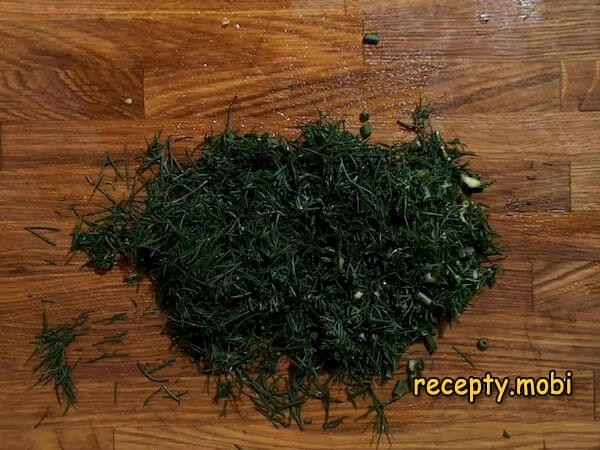
Wash the dill thoroughly under cool running water and dry the bunch with a clean kitchen towel. Trim off the dry stems and chop the tender leaves and stems together with a sharp knife.
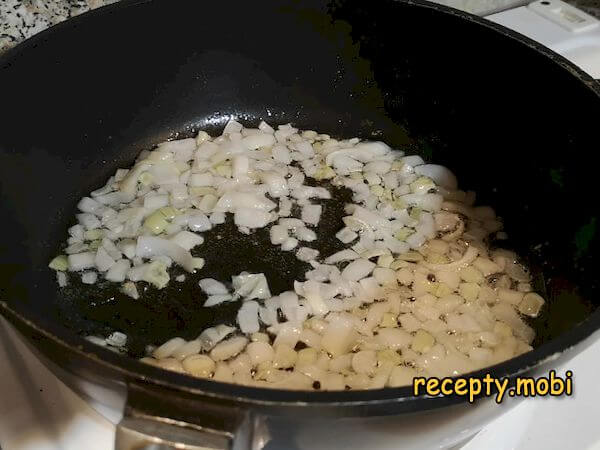
Heat a wide heavy-bottomed skillet with vegetable oil over medium-high heat. Add the chopped onion and lightly fry for three to four minutes until the onion turns translucent and starts to soften at the edges.
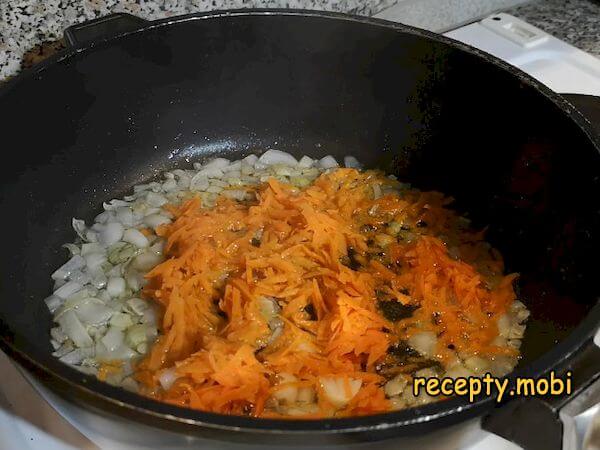
Add the grated carrot to the onion and sauté under a lid for about five minutes. The brief covered cooking softens the carrot and lets it absorb the onion flavor before the other vegetables join the pan.
Increase the heat to maximum and add more vegetable oil along with the eggplants. Stew the eggplants under a lid because they absorb oil aggressively; stir the pan periodically to prevent sticking. Cook for about five minutes total in this stage.
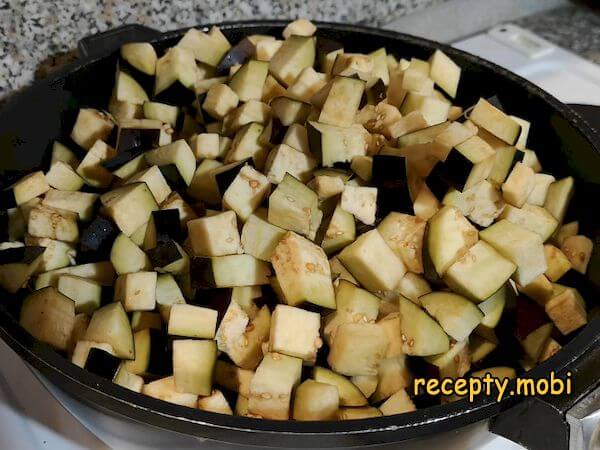
After the eggplants soften slightly, add the chopped zucchini and bell pepper to the pan, stir gently to combine, and let everything stew under the lid for about ten more minutes, stirring occasionally to ensure even cooking across all the vegetables.
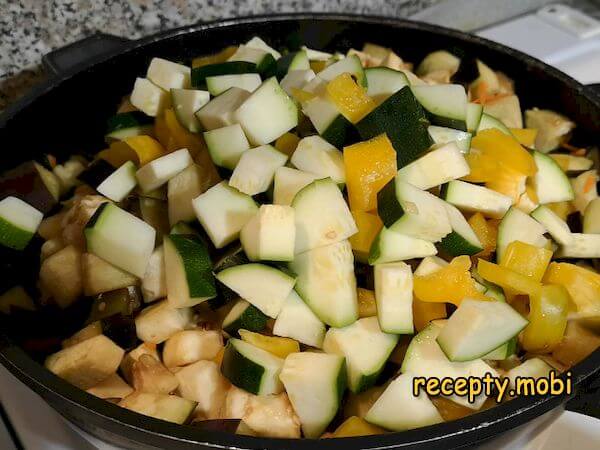
After the previous ten minutes, add the chopped tomatoes and stir everything together. Cook until the zucchini and eggplants reach full tenderness; check by tasting a piece. The total time at this stage runs about fifteen more minutes for most batches, depending on the freshness and size of the vegetable cubes.
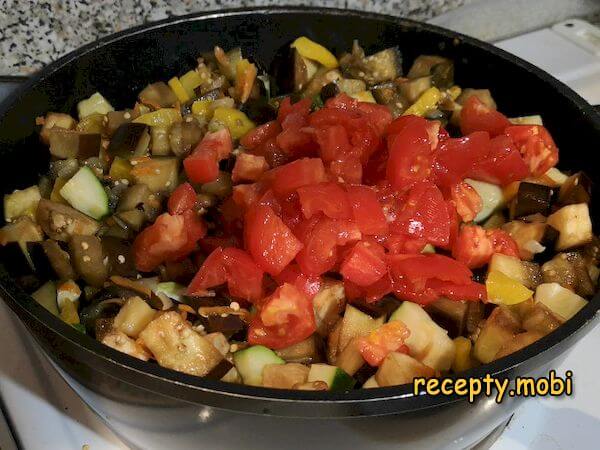
Add salt to taste at this stage; about one teaspoon usually delivers the right balance for a stew of this size. Taste before adding more to avoid over-salting because some vegetables release additional savory notes during the final cooking stages.
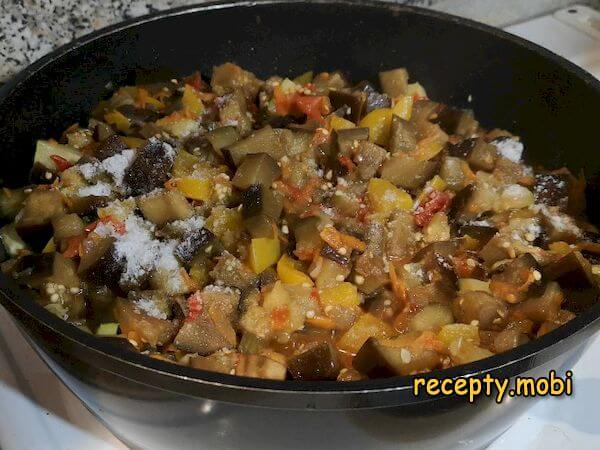
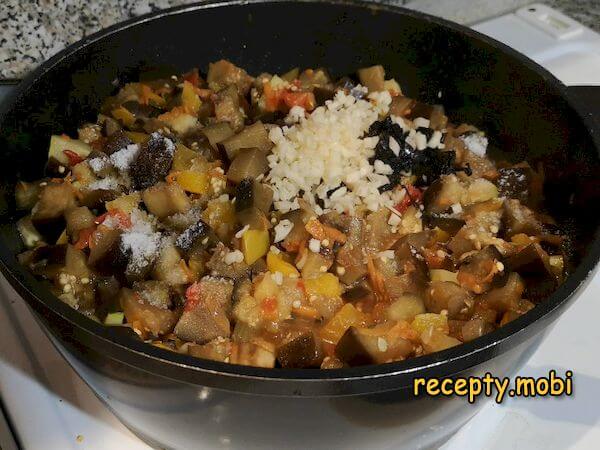
Add the chopped garlic and the basil to the vegetables, stir gently to distribute the aromatic ingredients evenly, and stew for five more minutes. The late garlic addition preserves the bright sharp flavor that long cooking would mute.
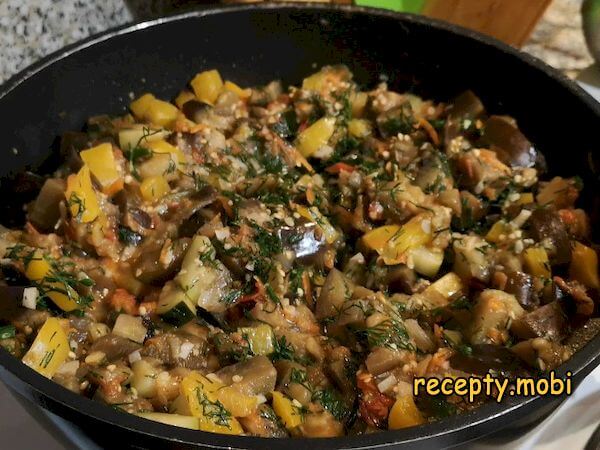
Pull the pan off the heat, scatter the chopped dill across the top, and stir gently to combine. The vegetable stew with eggplant and zucchini is ready to serve. Transfer to warm plates and enjoy alongside crusty bread or as a side dish to grilled meat. Bon appetit alongside good company at the dinner table.


Tips
- 1
Salt the eggplant cubes for ten minutes before adding to the pan for the mildest finished flavor. The brief salting draws out the natural bitter compounds in the eggplant flesh and produces a much milder finished stew. Pat the cubes dry with paper towels before adding to the hot oil to prevent splattering. The simple step transforms the entire dish from average to genuinely satisfying for every bite at the dinner table.
- 2
Cook the vegetables in the proper order described in the recipe (onion, then carrot, then eggplant, then zucchini and pepper, then tomato). Each vegetable has different cooking-time requirements; following the staggered order ensures all the components finish tender at the same moment. Pair the stew with another late-summer classic like the smoky Eggplant Sauté in a Skillet.
- 3
Use a heavy-bottomed pan with a tight-fitting lid for the most even cooking. Thin lightweight pans develop hot spots that scorch some vegetables while leaving others underdone, while heavy-bottomed cookware distributes heat evenly across the entire surface. The lid traps moisture and helps the vegetables cook through gently rather than drying out during the long stew period at the stove.
- 4
Add the dill only at the very end of cooking, never earlier. Long-cooked dill loses its bright fresh flavor and turns dark green and bitter. The off-heat addition lets the dill release its aromatic oils into the warm stew without sacrificing the green herbal punch that defines this dish. Pair the stew with the comforting Pumpkin with Buckwheat in the Oven.
FAQ
Can I substitute or omit any vegetables in this stew? +
Yes, the recipe accommodates ingredient variations beautifully based on what you have on hand. Skip the bell pepper and add extra carrot for a sweeter milder version. Add diced potato for a heartier substantial stew. Include only eggplant and zucchini for the simplest possible version. Add green beans or wax beans for extra texture and color. A handful of mushrooms (button or cremini) creates a more umami-rich version. Whatever modifications you choose, maintain the basic technique of staggered cooking based on each vegetable's needs for the most reliable results.
How long does the dish keep in the refrigerator? +
Cooled leftover stew keeps well for up to four days in a covered container in the refrigerator. The flavors actually deepen overnight as the vegetables continue to meld with the herbs and tomato. Reheat gently on the stovetop over low heat with a small splash of water to prevent sticking; the microwave produces uneven heating that toughens the vegetable textures. The stew also tastes wonderful at room temperature as part of a Mediterranean-style mezze platter alongside other small dishes for a casual lunch.
Can I add protein to make this a complete meal? +
Yes, several proteins blend beautifully with the basic stew. Diced cooked chicken or turkey thigh meat scattered across the top during the final five minutes turns the dish into a one-pan complete meal. Cubed firm tofu produces a vegetarian version with similar substantial texture. Cooked chickpeas or kidney beans add plant-based protein for a fully vegan version. Crumbled feta cheese melted on top during the final minute adds rich savory depth. Whatever protein you choose, add it after the eggplants join the pan so it heats through during the simmer.
What can I serve alongside vegetable stew with eggplant and zucchini? +
Several accompaniments complement this stew beautifully. Plain steamed rice or bulgur provides essential starch base that catches the tomato-based sauce. Grilled meats (lamb chops, chicken kebabs, pork loin) benefit from the fresh vegetable contrast. Crusty bread or warm pita is essential for soaking up the sauce. A simple yogurt-and-cucumber raita on the side delivers cooling freshness. For drinks, dry white wine or rosé pair beautifully with the Mediterranean flavors at any meal time. The stew also works as a complete meal on its own with bread and cheese.
- Comment
or post as a guest
Be the first to comment.