avg —
Vinaigrette in a Multicooker-Pressure Cooker

Instructions
Inspect the beets before boiling, as they should be without damage. The vegetables should not be wilted; rather, take juicy and firm ones. Choose round root vegetables. They should not be elongated; try to select slightly flattened root vegetables on both sides. For boiling in a multicooker, do not take large root vegetables as they will take longer to cook. Too small beets are usually not as tasty. Let's stick with medium-sized beets. Clean the root vegetables with a brush to remove adhered soil, holding them under a stream of water.
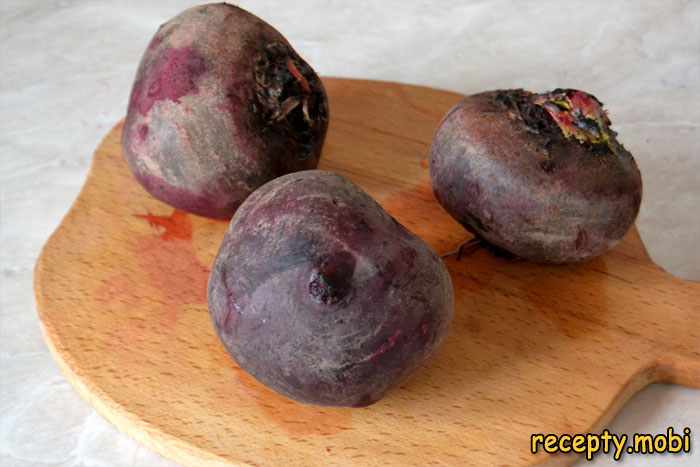
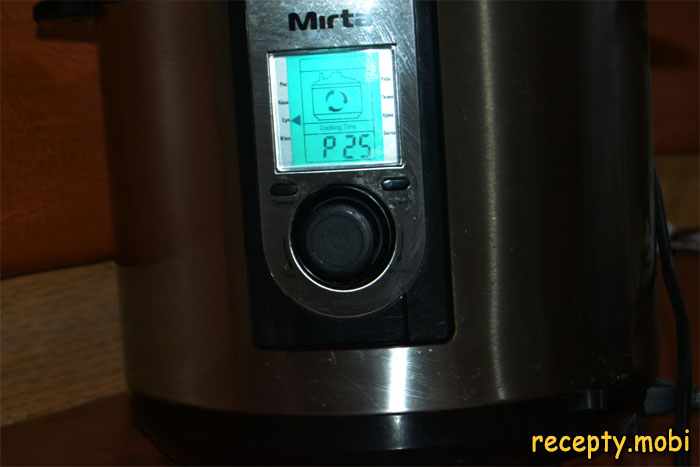
Place the washed beets in the bowl of the multicooker-pressure cooker. While dealing with the beets, there should already be boiling water on the stove in a pot. Carefully pour boiling water into the bowl with the beets. Quickly close the multicooker-pressure cooker with the lid, turn on the "Soup" mode. Set for 25 minutes. This time is enough to boil medium-sized beets. After the readiness signal, wait for the steam to escape naturally.
Now thoroughly rinse the potato and carrot under the faucet, cleaning the vegetables of dirt with a soft brush. Pour out the water from the multicooker bowl in which the beets were boiled, as the water has been stained dark by the beets. Rinse the bowl with clean water, then place the washed carrot and potato into it. Just like before, heat water to a boil in a pot on the stove. Pour this water over the potato and carrot in the multicooker bowl so that the water covers the vegetables. After pouring the water, close the multicooker immediately.
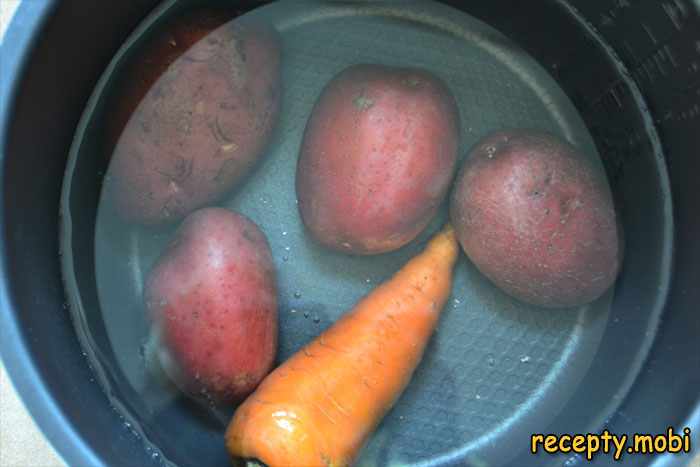
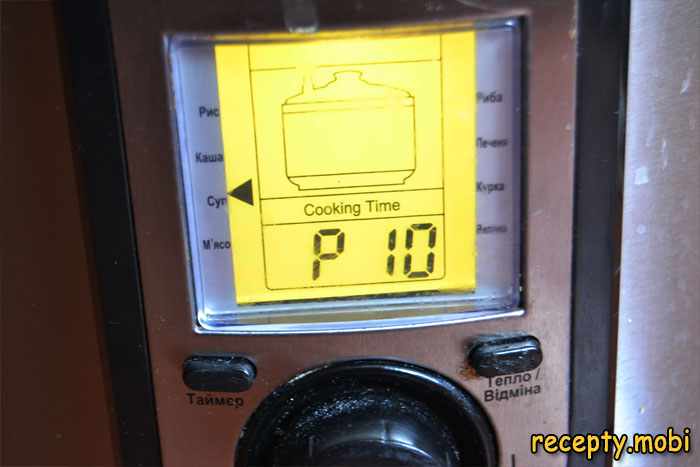
Boil the potato and carrot in the multicooker-pressure cooker in "Soup" mode for 10 minutes. After the readiness signal, release the steam by opening the valve. After the steam has escaped, open the lid and place the boiled vegetables on a plate to cool down.
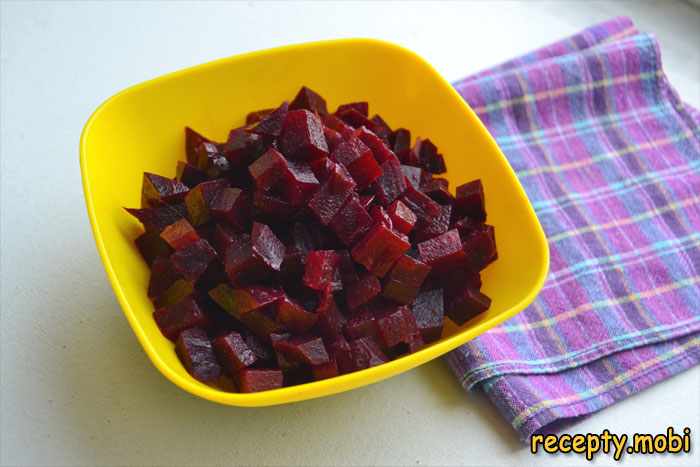
After all the vegetables have cooled down, proceed to chop them. Peel the beet with a vegetable peeler. Cut it into small cubes. Add 1 teaspoon of vegetable oil to the chopped beet and stir. The pieces of beets coated with oil will not dye the other vegetables in the vinaigrette.
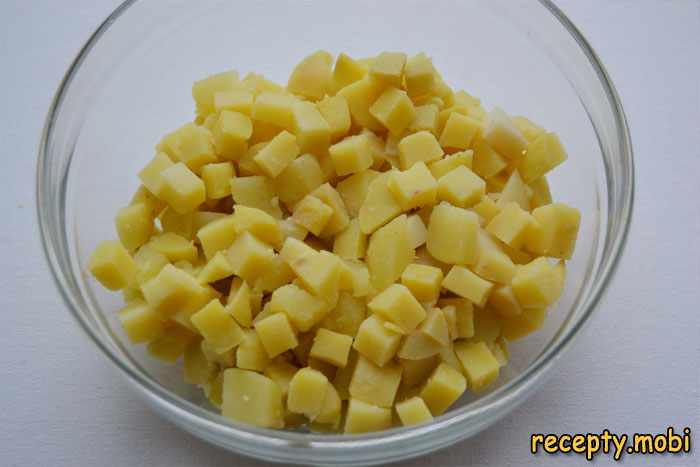
Cut the peeled potato into cubes for proper finished consistent size.
Cut the pickled cucumbers into the same cubes as the other components of the vinaigrette for proper finished uniform texture.
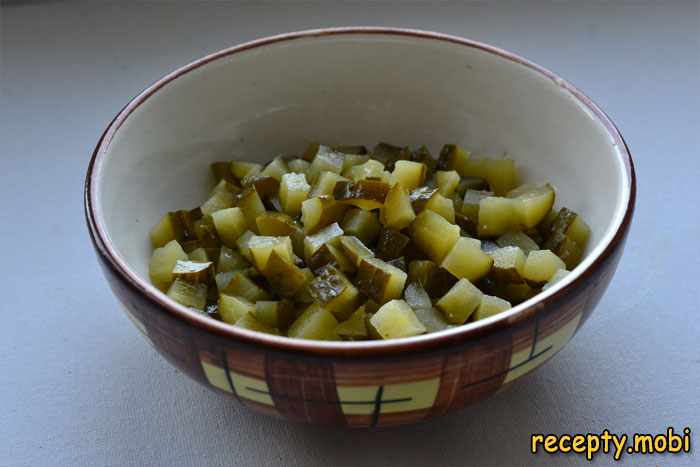
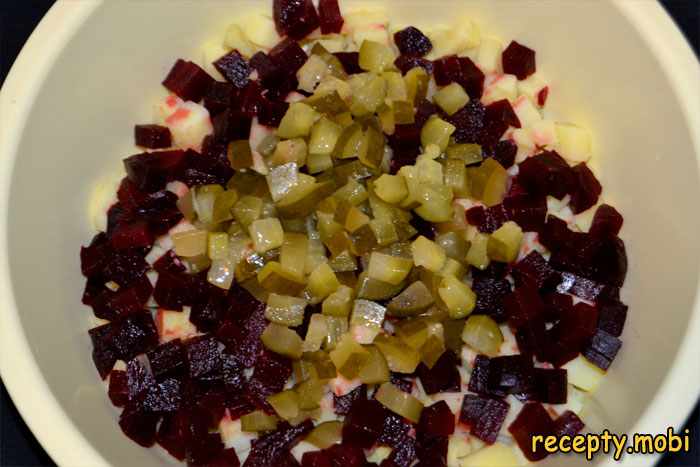
Add the cucumbers to the salad bowl with the other ingredients. If you do not plan to serve the vinaigrette immediately, it is better not to mix the pickled cucumbers at this time. After cutting, leave them in a separate container and mix into the overall mixture before serving for proper finished freshness.
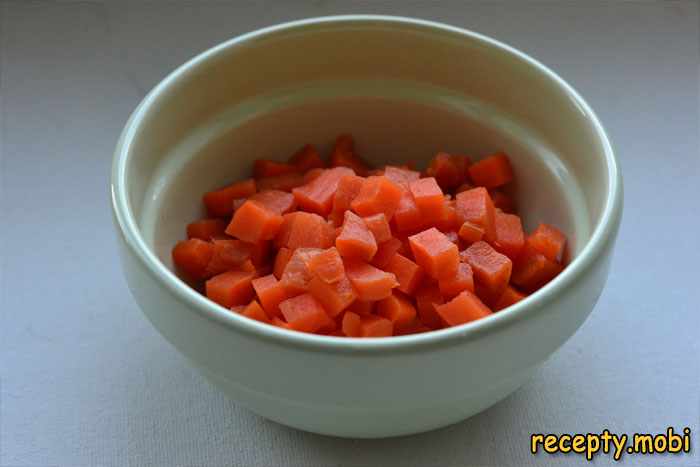
Remove the skin from the carrot root and cut it into cubes of the same size as the beets and potato for proper finished uniform appearance.
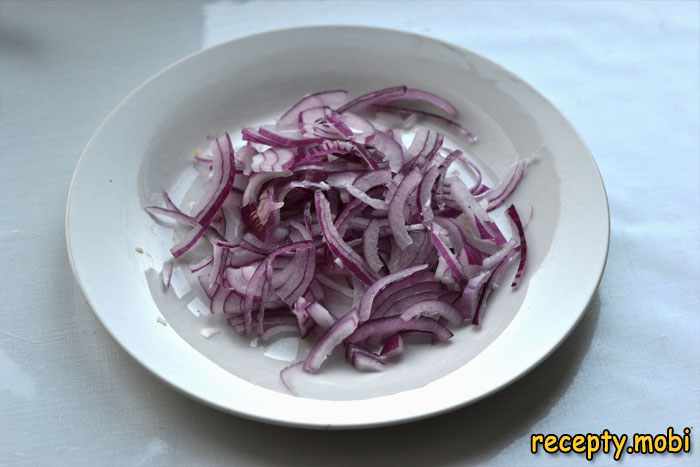
Peel a small onion from the skin. You can use red onion, which is less bitter. Chop the onion so that thin strips are formed for proper finished aromatic distribution.
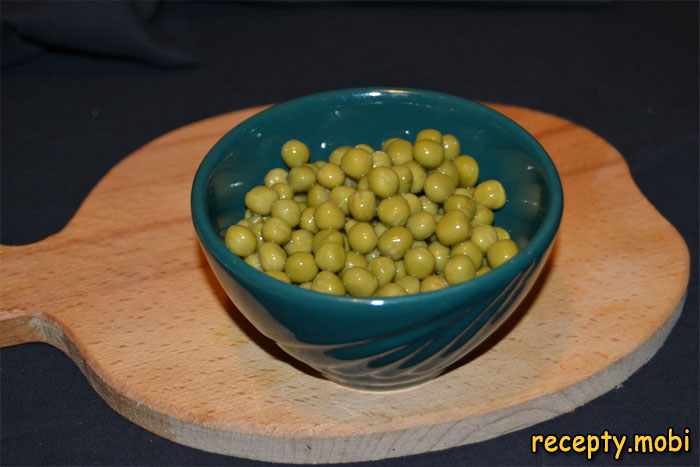
Pour green peas into the salad for proper finished colorful texture variety.
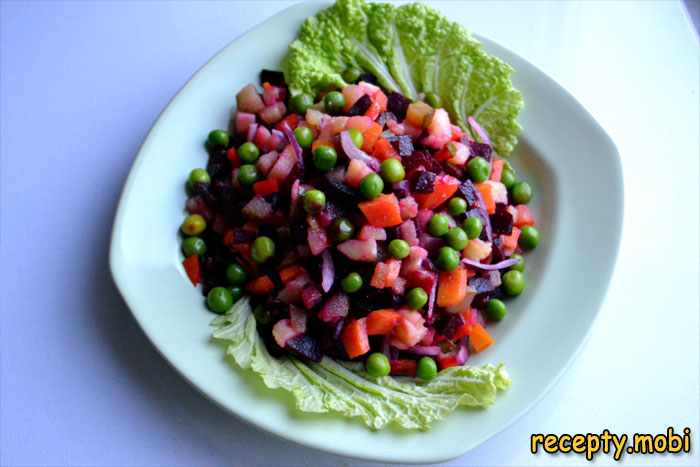
Adding salt and seasoning the vinaigrette with sunflower oil, mix it, and mound it onto a serving plate for proper finished presentation. Enjoy your meal.


Tips
- 1
Use medium-sized round beets for the best finished cooking time and flavor. Large beets take too long to cook in multicooker; tiny beets are flavorless; medium-sized round beets produce the proper signature tender flavorful character authentic to traditional Russian vinaigrette preparations. Test beet quality by firmness — fresh beets feel firm without softness or sprouting. The beet quality matters more than home cooks typically realize for finished vinaigrette quality and overall family-meal success consistently across batches reliably across various Russian cooking occasions throughout the year.
- 2
Coat diced beets with oil before mixing for proper finished color separation. Uncoated beets bleed color into other vegetables producing pink-stained inferior results; oil-coated beets retain their color separately producing the proper signature multi-colored character authentic to traditional Russian vinaigrette preparations. The same color-separation principle elevates many beet-containing preparations including marinated cabbage with beets and similar Russian beet preparations across various traditional Slavic culinary occasions throughout the year reliably.
- 3
Cut all vegetables to uniform cube size for finished proper visual presentation. Uneven cuts produce messy unprofessional results; uniform cubing produces the proper signature elegant presentation authentic to traditional Russian vinaigrette preparations. The patient uniform-cutting principle pays back significantly in finished salad-quality consistently across batches and various Russian vegetable-salad preparations throughout the year for proper traditional results worth showcasing reliably across various Slavic family-meal occasions throughout the year for proper home-cooking results.
- 4
Pair the finished vinaigrette with traditional Russian accompaniments for proper presentation. Garnish with fresh dill or parsley sprigs, alongside rye bread, or as side dish with grilled meats for proper finished family-meal applications. Pair with crusty homemade bread for substantial winter meal spreads, alongside pickled herring for traditional Russian accompaniment, or with chilled vodka for elegant Russian-style appetizer presentations worth showcasing.
FAQ
Can I make vinaigrette without a multicooker? +
Yes, traditional stove-top boiling works producing identical results in 1-1.5 hours total cooking time. Boil beets separately for 40-60 minutes due to dyeing; boil potatoes and carrots together for 20-25 minutes. Each method produces distinct character: multicooker is fastest and most convenient, stove-top is most traditional. Choose based on time availability and kitchen equipment for proper finished vinaigrette variations consistently across various Russian-style preparations throughout the year reliably for proper personalized finished results.
How long does vinaigrette keep? +
Stored covered in the refrigerator, the vinaigrette keeps for 3-4 days at peak quality. The flavors meld and improve over the first 24 hours as components marry beautifully. Add pickled cucumbers just before serving to maintain crunch. Beyond 4 days, vegetables soften and flavors muddy. Best consumed within 2-3 days for the brightest most appealing finished results across multiple meal applications throughout the year reliably across various Russian-style family-meal occasions.
What other additions work in vinaigrette? +
Sauerkraut, kidney beans, white beans, fresh apple, mushrooms, or fresh herbs all work beautifully as additions or substitutes. Each addition produces distinct character: sauerkraut is most traditional Russian-style and tangy, kidney beans add protein, apple adds sweetness, mushrooms add umami. Mix and match seasonal additions for endless variations across various Russian regional vinaigrette traditions throughout the year for proper personalized finished results consistently throughout the year.
Why is my vinaigrette too dry or watery? +
Too dry results from insufficient oil or undrained vegetables. Too watery results from excess pickled-cucumber brine or over-boiling vegetables. Address proper oil quantity (2 tablespoons), thorough vegetable draining, and squeezing pickled cucumbers before adding. The combination of proper oil, drainage, and brine-control produces dramatic texture-quality reliably across various Russian vinaigrette preparation sessions throughout the year for proper traditional family-meal results consistently across various Slavic culinary traditions.
- Comment
or post as a guest
Be the first to comment.