avg —
Zucchini Caviar with Tomato Paste for Winter (No Sterilization)

Instructions
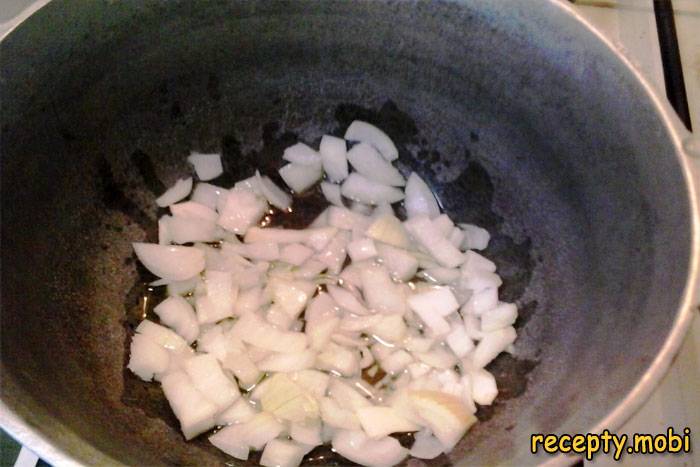
Heat the oil in a deep frying pan or saucepan. Saute the chopped onion until lightly browned for proper foundation aromatics.
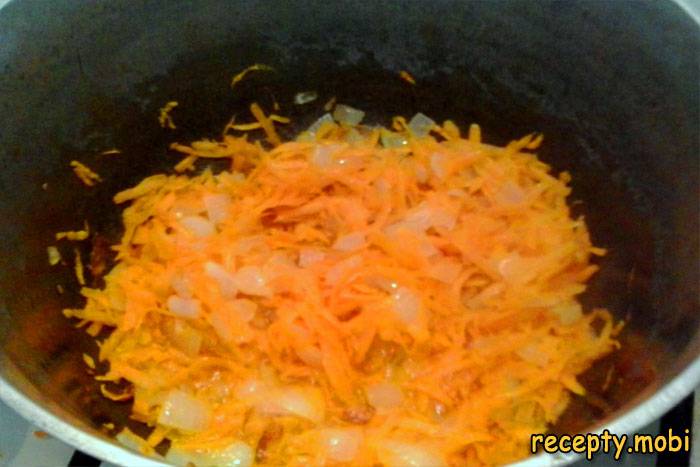
Grate the peeled carrot on a coarse grater or chop it into strips, add to the onion. Fry over moderate heat until the carrot becomes soft and slightly browned.
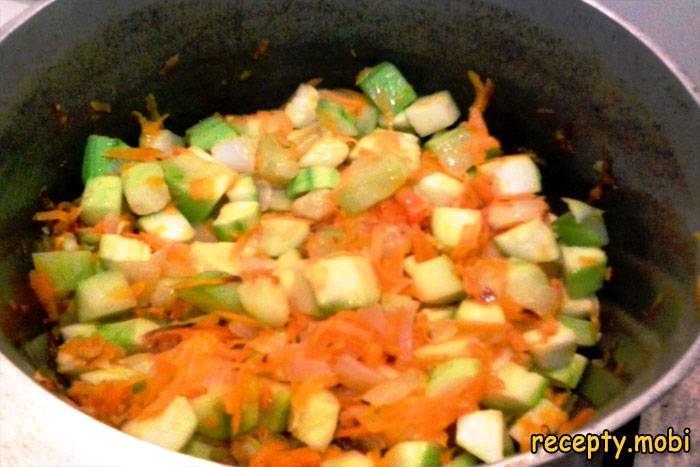
Cut the zucchini into medium cubes or quarters, sprinkle with a couple of pinches of salt. Add the prepared zucchini to the saucepan with the vegetables and fry for 15 minutes, stirring periodically.
Dissolve the tomato paste in 100 ml of hot water. Pour the resulting mixture over the zucchini with the vegetables, simmer on low heat with the lid closed for another quarter of an hour.
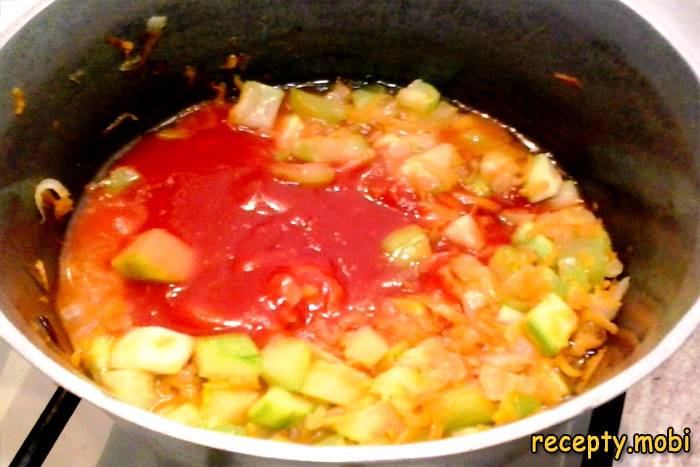
Chop the washed greens. At the end of cooking, add the sauteed vegetables, sugar, spices, vinegar, and greens, mix, and cook for a couple more minutes. If desired, add a few cloves of fresh garlic or 1-2 teaspoons of dried.
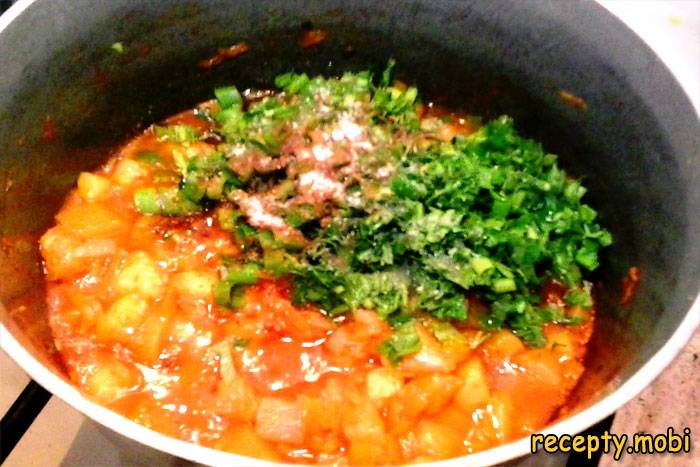
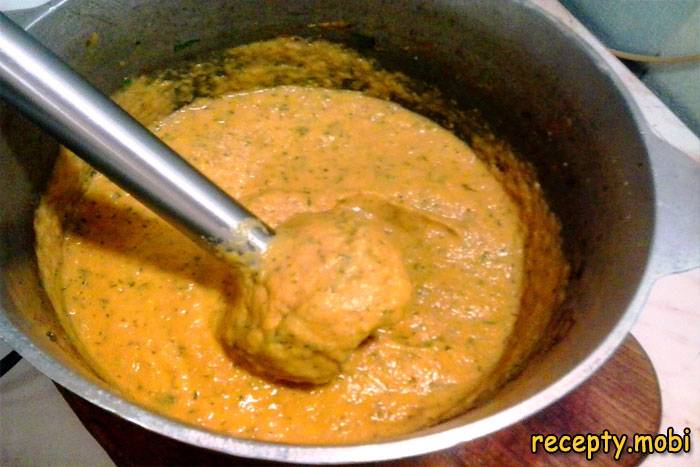
Cool the sauteed vegetables to room temperature. Then blend to a puree consistency using an immersion blender or pass several times through a meat grinder for proper smooth finished texture.
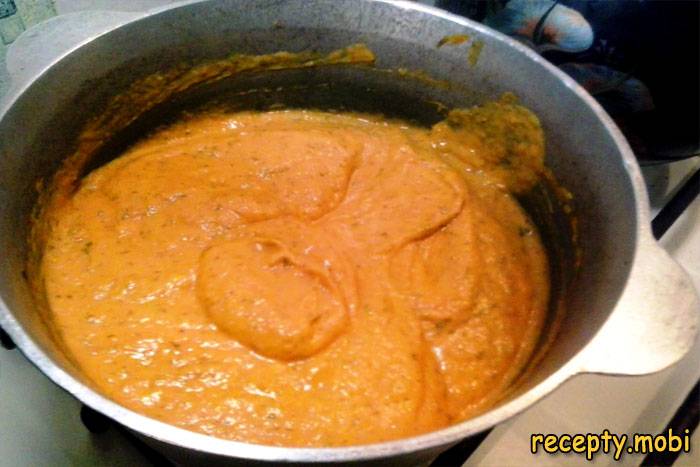
Taste the prepared caviar; if necessary, add more salt, spices, and vinegar to your liking. Set the saucepan over low heat, bring to a boil under the closed lid, and cook for a couple of minutes for proper finished safety preparation.
Meanwhile, steam clean jars and metal lids for preservation along with rubber gaskets. Distribute the hot caviar into jars while still hot for proper food-safety sealing.
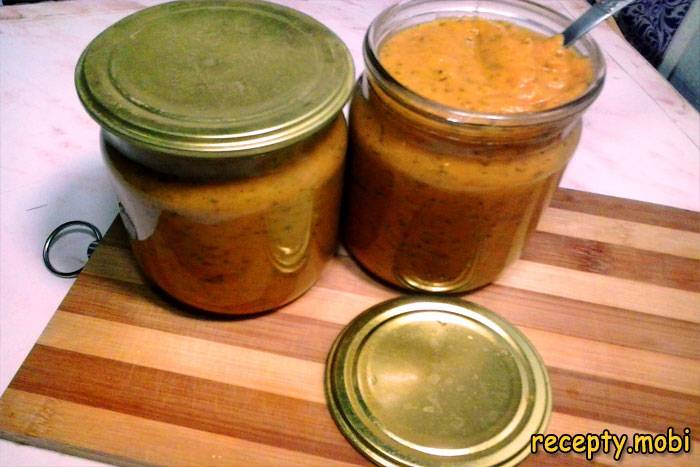
Seal the jars tightly using a canning machine for proper long-term preservation.
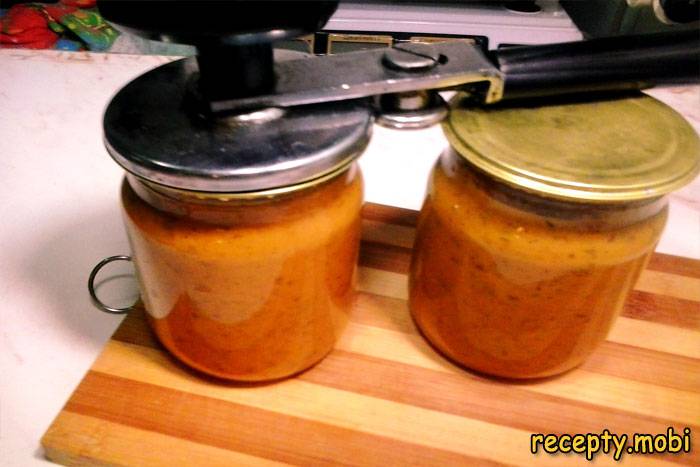
Cool the canned goods completely, store at a temperature not exceeding +15°C preferably without access to light.Prepare zucchini caviar for winter with tomato paste using our recipe. Enjoy your meal!


Tips
- 1
Use young zucchini under 25 cm long for the best texture. Mature zucchini have tough seeds and woody texture; young zucchini are tender throughout with delicate flavor that produces superior caviar. The size matters significantly for finished spread quality consistently across batches and various preparation methods. Salt-and-drain the zucchini for 30 minutes before cooking to remove excess moisture and concentrate the finished flavor profile substantially throughout the entire preparation.
- 2
Cook the vegetables until thoroughly soft for proper smooth caviar texture. Under-cooked vegetables produce chunky chutney-style results; thoroughly soft vegetables blend into the smooth spread texture authentic to traditional Soviet-era preparations. The same patient-cooking principle elevates many vegetable spreads including Italian zucchini caviar and similar Mediterranean-style vegetable preserves across various cuisine traditions throughout the year.
- 3
Pack the caviar into jars while piping hot for proper food-safety sealing without sterilization. Cool caviar requires water-bath sterilization for safe storage; hot-packed caviar achieves vacuum seal naturally as it cools in sealed jars. The hot-pack technique is essential to the no-sterilization method's safety promise. Always work with jars and lids fresh from steam-sterilization for proper food-safety considerations across all canning preparations consistently across various preserve recipes throughout the year.
- 4
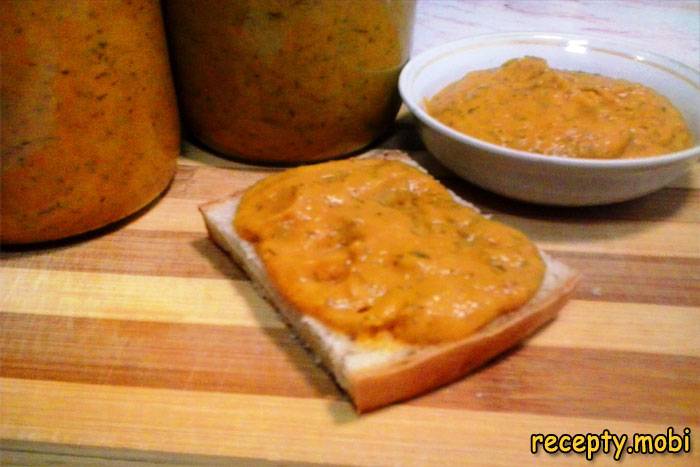
Pair the finished caviar with traditional Russian-style applications for proper presentation. Spread on dark bread for classic Soviet-style breakfast, dolloped on baked potatoes for substantial side dishes, or used as sandwich filling for elegant lunch options. Pair with crusty homemade bread for traditional Russian breakfast spreads, alongside boiled potatoes for substantial winter meals, or as accompaniment to grilled meats for varied family meal applications.
FAQ
How long does the caviar keep? +
Properly hot-packed and stored in a cool dark place, the caviar keeps for 12 months at peak quality. After opening, store in the refrigerator and consume within 2 weeks for proper food safety. The flavor improves significantly over the first month as components meld together beautifully throughout the aging period. Always use clean utensils when serving to prevent contamination and extend the open-jar shelf life across multiple servings throughout the winter months consistently across various meal applications.
Can I freeze zucchini caviar? +
Yes, the caviar freezes beautifully in airtight containers or freezer bags for up to 6 months. The texture softens slightly upon thawing but remains excellent for spreading and cooking applications. Thaw overnight in the refrigerator for best results, then bring to room temperature before serving for proper flavor expression. The freezing option is excellent for processing summer zucchini abundance into year-round pantry staples for varied meal preparations throughout the year.
Can I add other vegetables to the caviar? +
Yes, eggplants, mushrooms, bell peppers, or sweet corn all work beautifully alongside or instead of the standard zucchini base. Each vegetable produces distinct character: eggplant adds substantial body, mushrooms add umami depth, bell pepper adds sweet brightness. Combine multiple vegetables for complex layered flavor profiles authentic to Soviet-style giardiniera preparations across various seasonal abundances throughout the harvest year for proper finished caviar variations.
Why is my caviar watery? +
Three usual causes: insufficient moisture reduction during cooking (cook longer until thick), oversized vegetable pieces (chop more finely), or skipping the salt-and-drain step on raw zucchini (always pre-salt for proper texture). Address all three factors for consistently thick spreadable results across batches and various recipe variations consistently throughout the season for proper finished caviar quality and appearance reliably.
- Comment
or post as a guest
Be the first to comment.