avg —
Zucchini Stewed in Sour Cream

Instructions
I prepare the ingredients for cooking stewed zucchini in sour cream. The dish can also be made from older zucchini — but remove skin and clean out seeds first (the taste of finished dish will be less delicate than with young zucchini). Sour cream: minimum 15% fat content (lower fat curdles in heat).
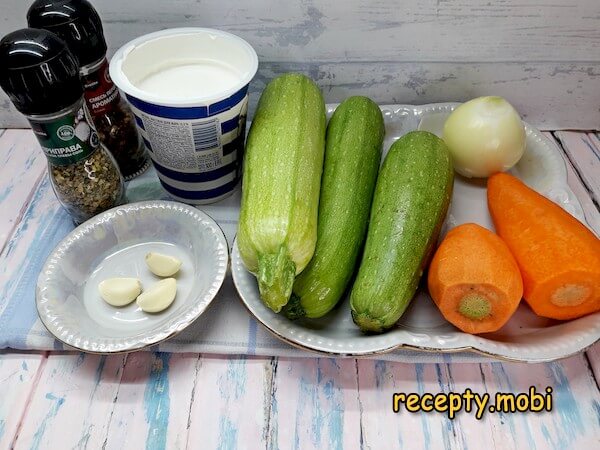
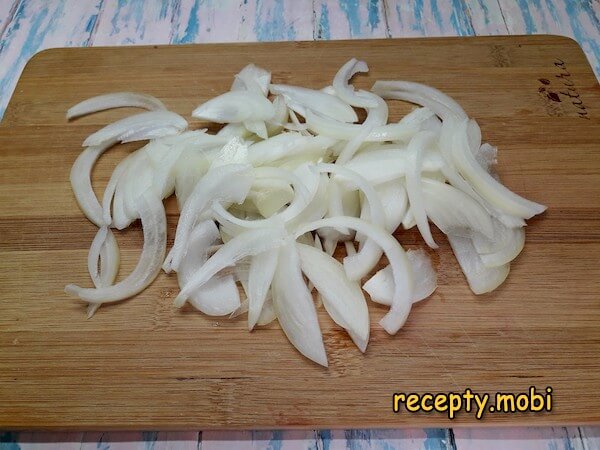
First, prepare all vegetables for frying. Cut onion into thin strips (matchstick width).
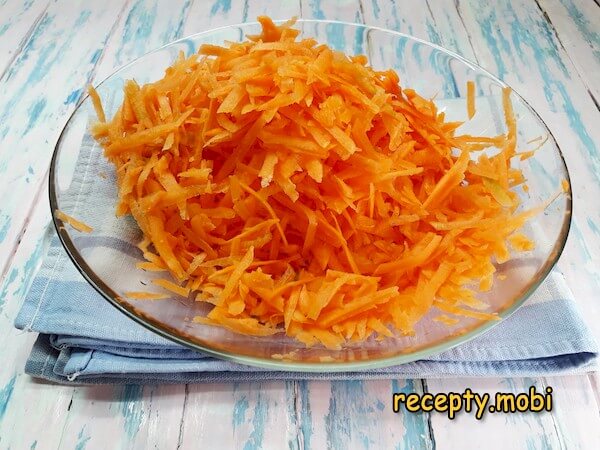
Grate carrot on COARSE grater (preserves texture during stewing).
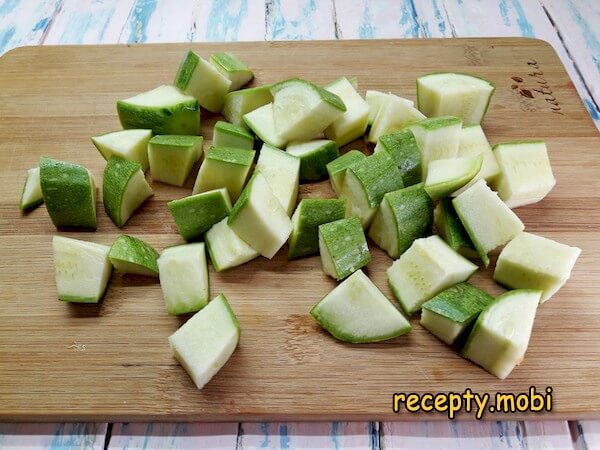
Cut young zucchini into medium cubes (2-3 cm). DO NOT peel skin (helps maintain cube shape during stewing; young zucchini has no seeds at all).
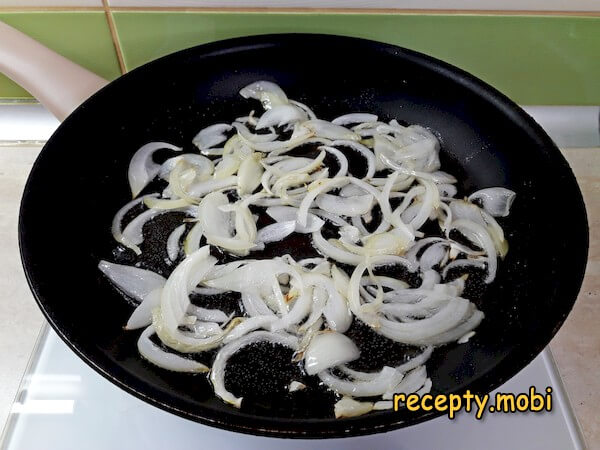
In a large frying pan: heat the vegetable oil over medium heat. Add onion strips; cook to slight golden colour (not browned).
Add grated carrot to the pan with onion.
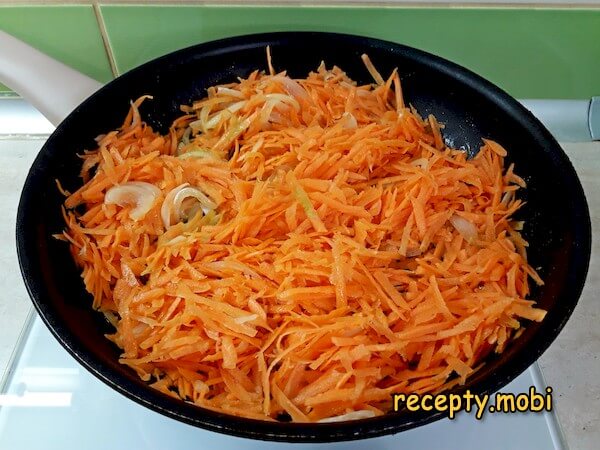
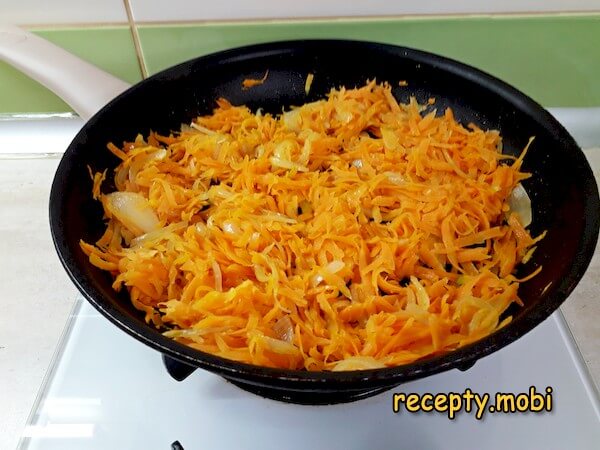
Sauté carrot together with onion until soft and pliable (~3-4 min). Goal: vegetables soft enough to be pleasant in finished dish.
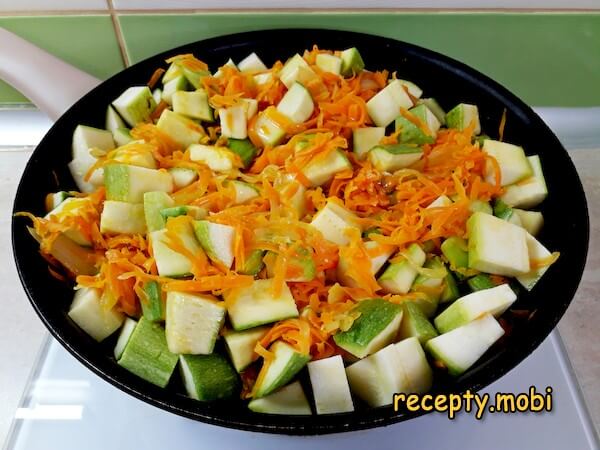
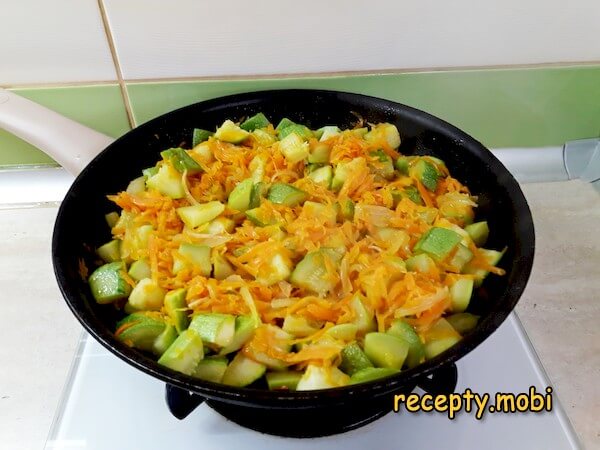
Add zucchini cubes to pan; mix to combine with sautéed onion-carrot.
Cover pan with lid. Stew vegetables ~7 minutes; stir with spatula about 3 times during this period (prevents sticking, distributes heat).
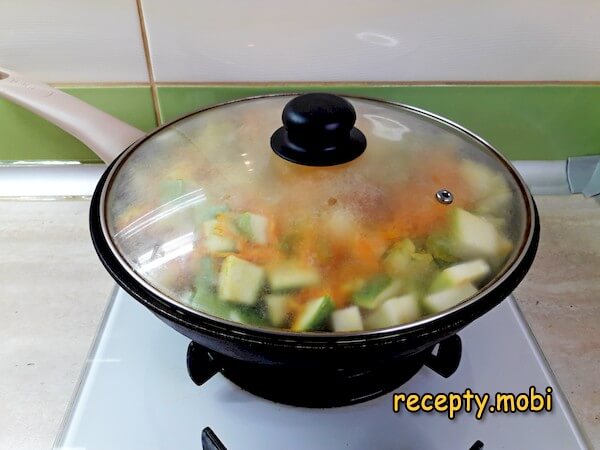
After 7 min, zucchini is softer but retains pleasant FIRMNESS (not mushy — the goal). Test with fork: tender enough to pierce easily, still holding cube shape.
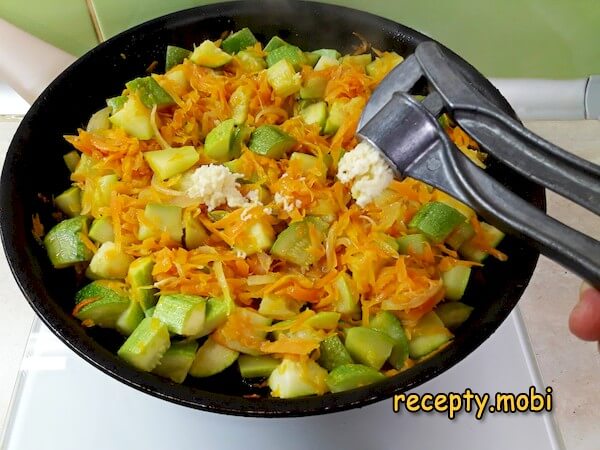
Squeeze garlic over the zucchini (3-4 cloves through press). Stir briefly to distribute.
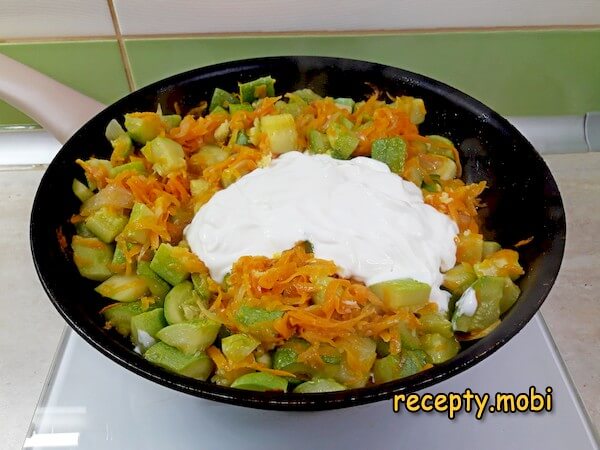
Add sour cream (all 250 g at once).
Mix everything; add salt + pepper + Italian herbs mix to taste. Stew UNCOVERED for 1-2 minutes (allows sauce to slightly reduce + flavours to integrate).
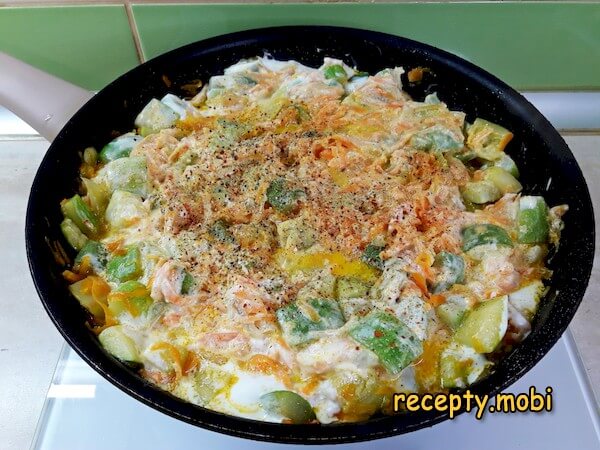
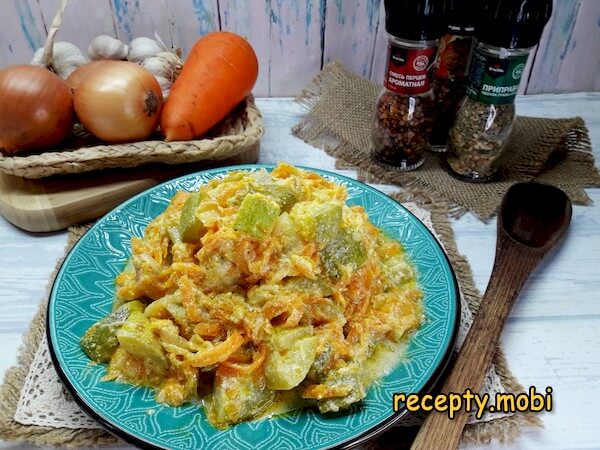
Stewed zucchini in sour cream is ready. The natural zucchini taste preserved through gentle technique pairs perfectly with meat, mushrooms, cereals, and rustic-style potatoes. Serve hot OR cold (excellent both ways).


Tips
- 1
THE YOUNG ZUCCHINI ADVANTAGE. Step 1's "young zucchini" specification is essential for proper texture. YOUNG zucchini (15-20 cm long, firm, glossy skin): no developed seeds, tender skin (no peeling needed), delicate flavour, holds cube shape during stewing. OLDER zucchini (25+ cm, soft skin, often pithy interior): pithy spongy texture, prominent seeds, requires peeling + seeding, watery during cooking. Choosing matters: young zucchini at peak summer is ideal. Off-season frozen alternatives don't work well (too watery). For older zucchini cooking: cube smaller (1-2 cm), increase cooking time, accept somewhat watery result. The young version is recipe-optimized.
- 2
THE 15% FAT SOUR CREAM IS NON-NEGOTIABLE. Step 1's "minimum 15% fat" is critical. Lower-fat sour cream (5-10%): contains more water, curdles when heated (proteins separate from water, ugly grainy appearance, watery sauce). Higher-fat sour cream (20-30%): thicker, creamier, doesn't curdle, produces silkier sauce. Heavy cream substitution: works (similar fat content), less tangy character. Crème fraîche: closer to sour cream, very stable to heat, premium choice. Greek yogurt (full fat): tangier, requires careful temperature control to avoid curdling. For another sour-cream-based vegetable preparation worth comparing, see Zucchini Stuffed with Meat and Rice.
- 3
THE 7-MINUTE STEW IS FIRMNESS-CALIBRATION. Step 9's "stew 7 min" timing is calibrated for proper zucchini texture. Less (3-5 min): zucchini still raw-crunchy, bitter undertones. More (10+ min): zucchini becomes mushy, releases too much water, loses structural integrity. The 7-min sweet spot delivers tender-but-firm zucchini that holds cube shape with pleasant bite. Test by piercing with fork — should slip easily but cube doesn't fall apart. This precision timing applies to all young-zucchini preparations.
- 4
THE HOT-OR-COLD VERSATILITY. Step 14's "serve hot OR cold" is the dish's secret advantage. HOT version: cozy comfort food, side dish for grilled meats, autumn-winter appropriate. COLD version: refreshing summer appetizer, picnic salad, sauce thickens into pleasant chilled-cream texture. Same dish, different serving contexts. For cold serving: chill in refrigerator 2 hours minimum (allows full chilling + flavour integration). Garnish suggestions: hot — fresh dill or parsley; cold — chopped chives or green onion. The flexibility makes this a 2-meal preparation: half hot for dinner, half cold for next-day lunch. For another simple summer vegetable side worth trying, try Eggplant with Cherry Tomatoes and Garlic.
FAQ
Can I use Italian zucchini varieties? +
Yes — different zucchini varieties produce slightly different results. STANDARD GREEN ZUCCHINI (most common): recipe-canonical, mild flavour, tender skin. YELLOW ZUCCHINI (golden zucchini): sweeter, milder, beautiful color. PALE GREEN (Lebanese/Mediterranean): nuttier flavour, drier flesh, holds shape better. STRIPED VARIETIES (Cocozelle, Genovese): firmer texture, more interesting visually. PATTYPAN (round flat squash): different shape, similar mild flavour. All work; mix-and-match different varieties for visual interest. The young/freshness criterion matters more than variety choice.
What other herbs can I use besides Italian herbs? +
Multiple herb combinations work beautifully. ITALIAN MIX (recipe canonical): oregano, basil, rosemary, thyme — Mediterranean character. PROVENCE BLEND: thyme, lavender, savory, fennel — French character. GREEK BLEND: oregano, mint, dill — Mediterranean alternative. RUSSIAN STYLE: dill + parsley + chives — local Slavic character. INDIAN STYLE: cumin + coriander + fennel — exotic twist. Each variation transforms the dish's identity. For traditional pairing: Italian or Russian style. The herb additions go in step 13 along with salt; quantity = 1/2 tsp dried OR 1 tbsp fresh.
Can I add other vegetables? +
Yes — extensions work well. BELL PEPPERS (1 medium, diced): adds color + sweetness. EGGPLANT (200 g, cubed): adds umami; salt and rest 15 min before cooking to draw out bitter water. TOMATOES (2 medium, chopped): adds acidity + Mediterranean character. MUSHROOMS (200 g, sliced): adds umami; sauté separately first. POTATOES (200 g, small cubed): more substantial dish, may need additional cooking time. The dish is endlessly extensible into vegetable medley. Core technique remains: sauté harder vegetables first, add zucchini later (zucchini cooks fastest), add sour cream last. Total cook time may extend 5-10 minutes with additions.
How long does it keep? +
Refrigerated covered: 2-3 days at peak quality. Day 1: freshly cooked, vegetables intact, sauce silky. Day 2: flavours integrate further (chilled flavour meld), still excellent. Day 3: noticeable texture softening (zucchini releases more moisture), still good but less impressive. Don't freeze — zucchini becomes watery on thaw, sour cream may break. For meal-prep: cook fresh batch every 2-3 days. Reheat gently (low heat, briefly) to avoid breaking the sour cream sauce. Cold serving: NO reheating needed — directly from refrigerator after slight tempering at room temperature 10 min.
- Comment
or post as a guest
Be the first to comment.