avg —
Royal Custard Easter

Instructions
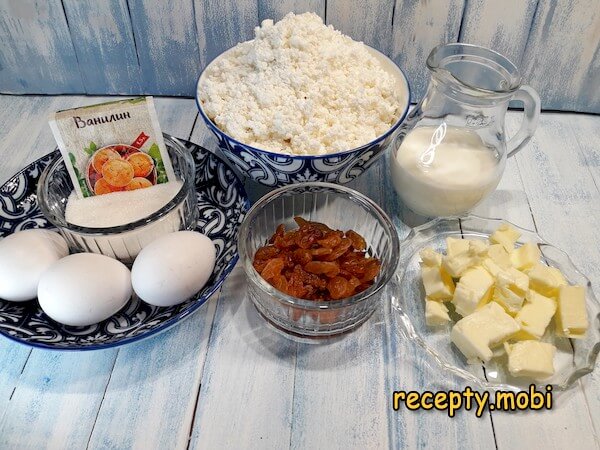
I prepare the ingredients. Optionally, mix the raisins with candied fruits or nuts. Cut the butter into small cubes so it softens faster. The cream must be very cold.
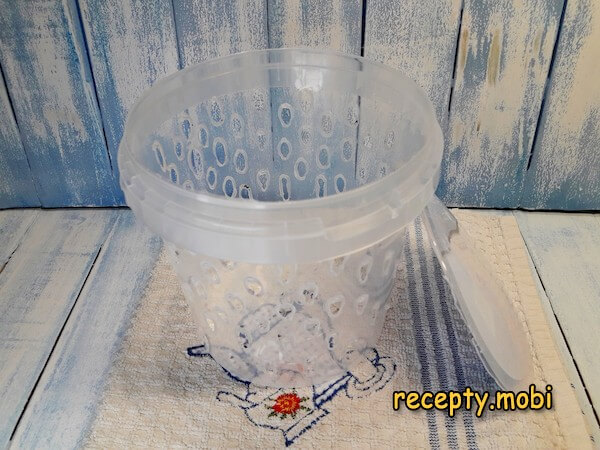
You can make the mould for the custard Easter yourself from a food-safe bucket, punching holes in it for the whey to drain.
Separate the yolks from the eggs.
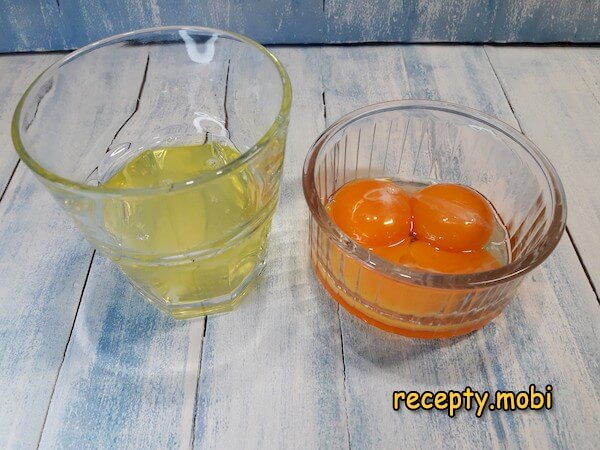
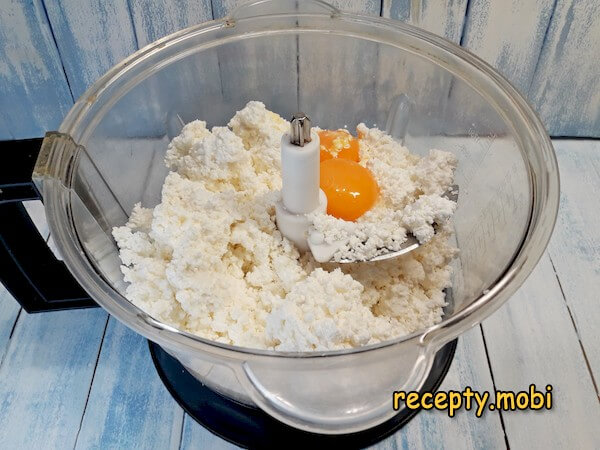
To get a tender cottage cheese mass, push it through a sieve or blend it with an immersion blender. The easiest way is to use a chopper with round blades. Add the yolks to the cottage cheese.
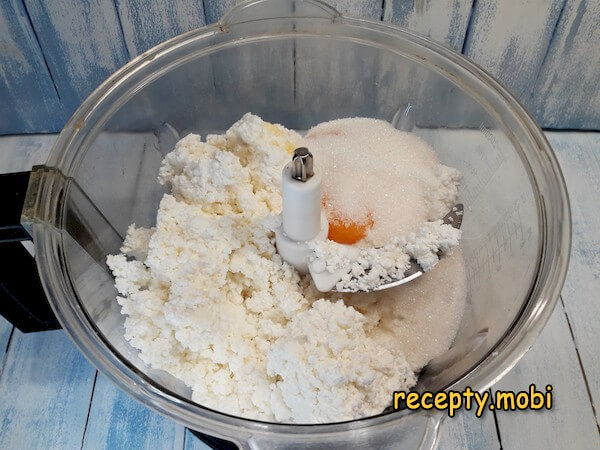
Add the sugar and vanillin.
And the soft butter.
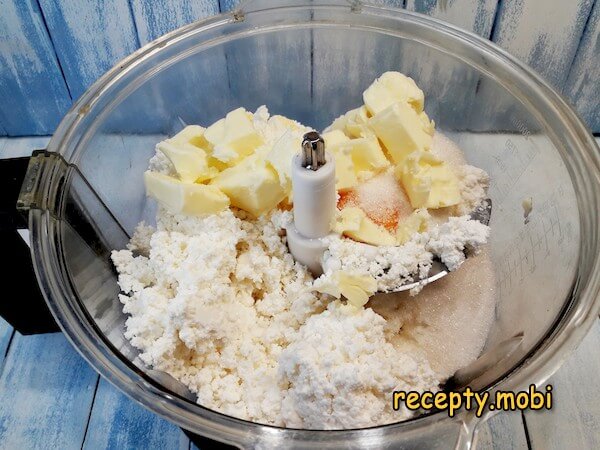
Blend everything to a paste-like consistency.
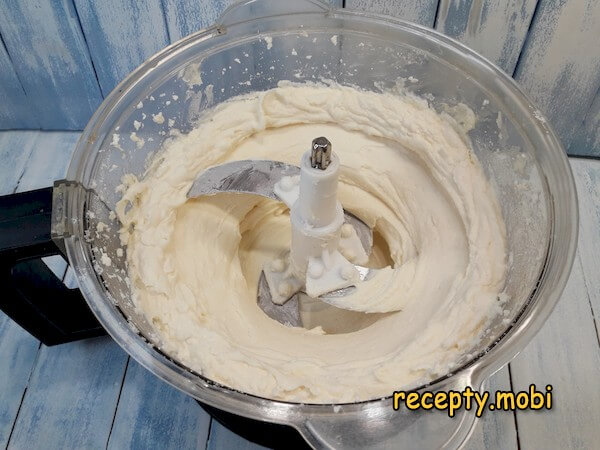
Transfer the mass to a thick-bottomed pot.

Place it over medium heat and begin warming it, stirring constantly.
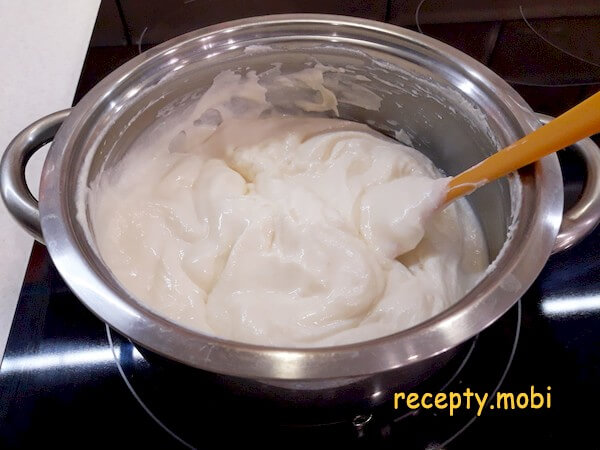
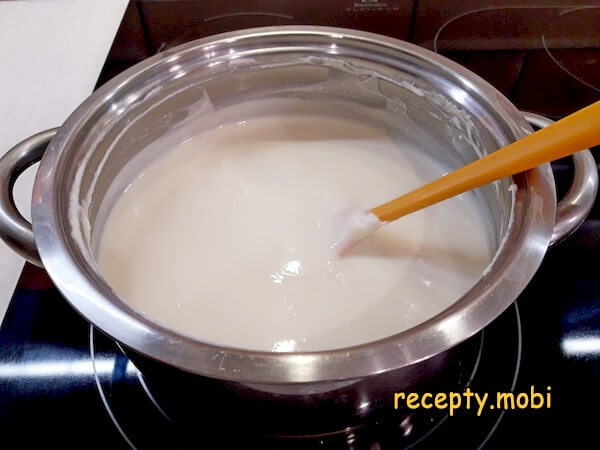
As it heats, the cottage cheese mass turns liquid. It must not be boiled – bring it only to the first bubbles.
Pour cold water into a wide bowl and drop in some ice cubes.
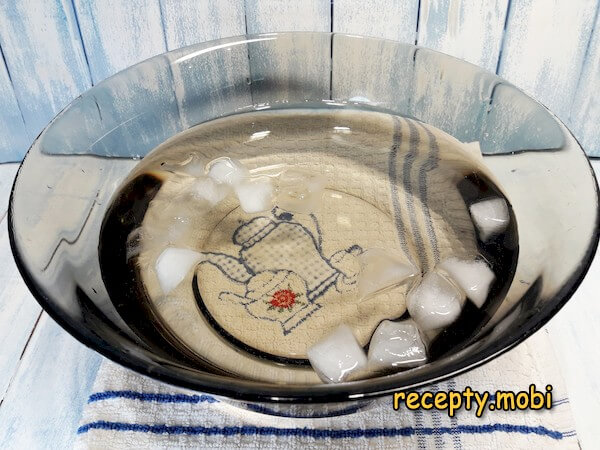
Move the container of hot mass into the ice bath. Stir occasionally to cool it. Then refrigerate it for a couple of hours, or freeze it for half an hour.

Soak the raisins in boiling water for 20 minutes.

Then pat them dry with a paper towel.

After cooling, the cottage cheese mass becomes firmer and thicker.
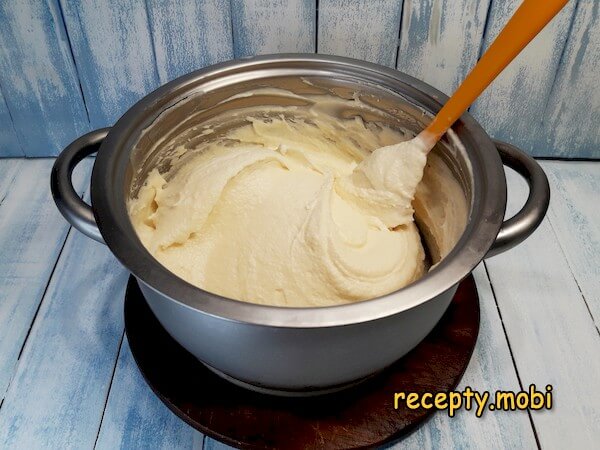
It is already very tasty. But to make the mixture even more tender, it is worth adding the cream. Whip it with a mixer, starting on low speed and gradually increasing it, until stable peaks form.
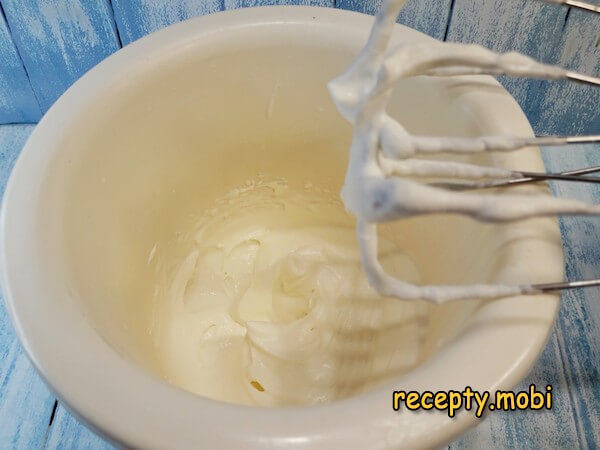
Add the whipped cream to the cottage cheese paste.

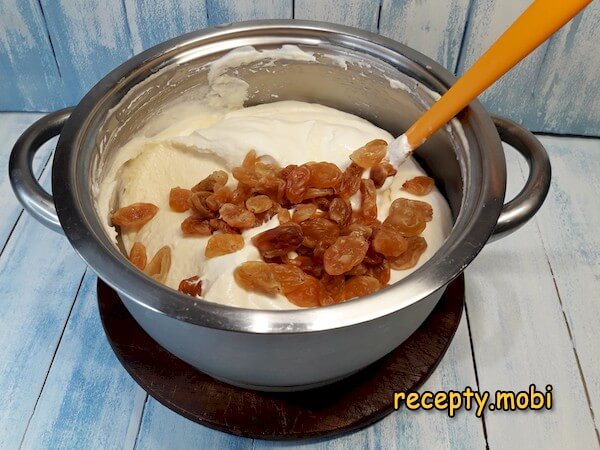
Now all that is left is to add the raisins to the tender mass and stir everything until smooth with a spatula.
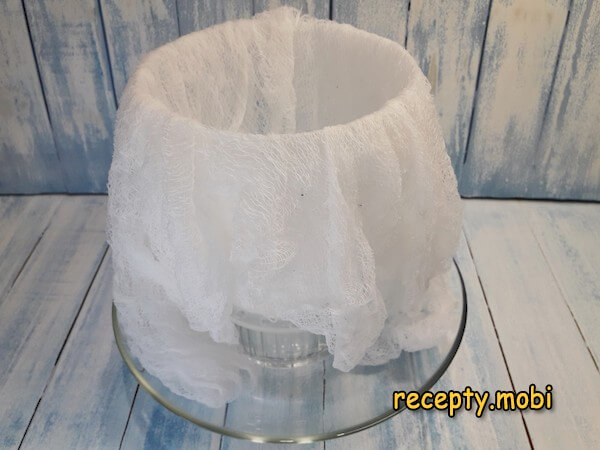
Place the mould with the holes in a deep plate, propping something small under its base so the bucket does not sit in the draining whey. Soak a piece of cheesecloth in boiling water for a few minutes, then wring it out, fold it in two layers and line the bottom and sides of the mould.
Fill the bucket with the cottage cheese mass.
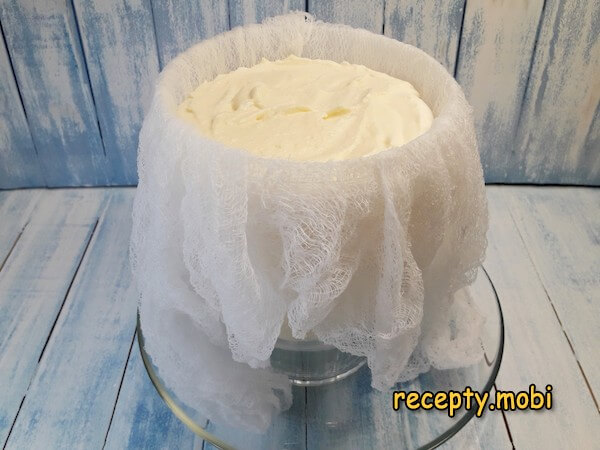
Gently smooth the edges of the cheesecloth and fold them over the top. Cover everything with a lid of smaller diameter and place a 500 g weight on top. Put the assembly in the fridge for a day, or even for 28 hours.
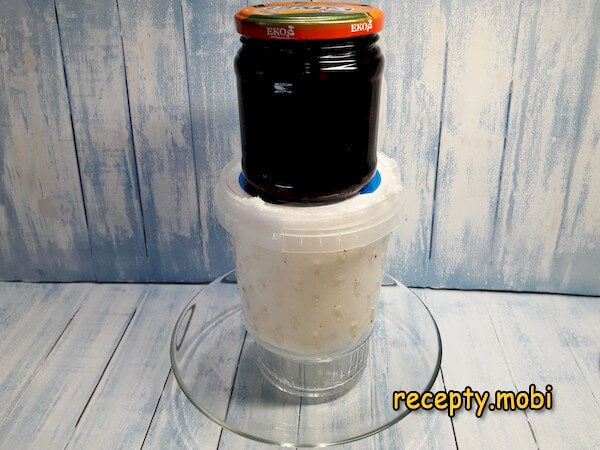
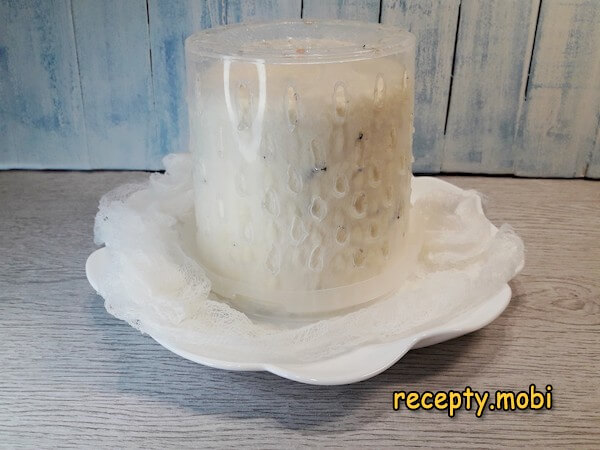
After this time the Easter cake will be well compacted. Fold back the edges of the cheesecloth and turn the mould out onto another plate. Remove the cheesecloth.
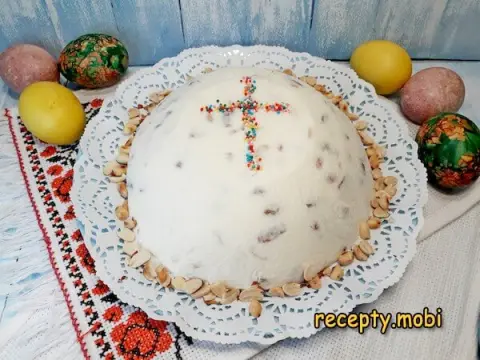
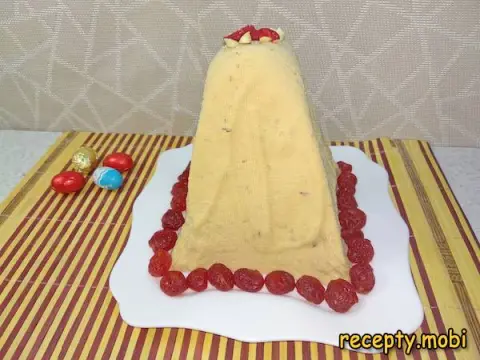
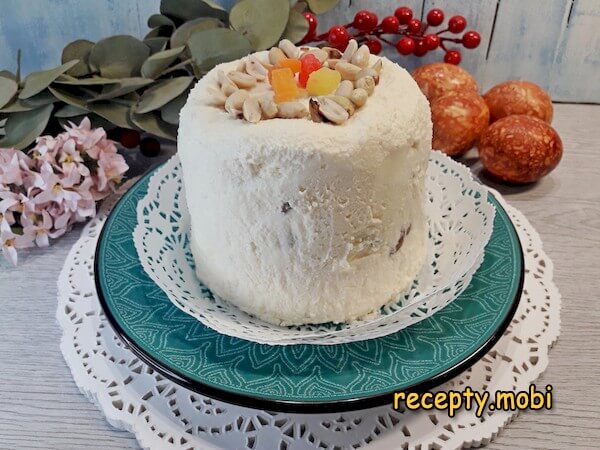
Royal custard Easter is decorated with nuts, dried fruits and candied fruits. Cottage cheese Easter can be stored for 2-3 days in the fridge.


Tips
- 1
Heating over the hob is the secret of Royal Easter. Cooking the yolks with the cottage cheese to the first bubbles makes the Easter cake firm and stable – it does not "spread" when served.
- 2
The ice bath is the secret of its tenderness. Rapid cooling stops the cooking process – the Easter cake does not turn into a pudding and keeps its cottage cheese texture.
- 3
Whipped cream is the secret of its airiness. Without cream the Easter cake is firm but "heavy". 100 ml of whipped 33% cream make it as tender as a mousse.
- 4
28 hours under a weight is the secret of its shape. Any less and the Easter cake will "spread" when served. After the full cycle it holds its shape like a castle. The same principle works in other kinds of cottage cheese Easter.
Video

FAQ
Which cottage cheese should I choose? +
Ideally, fresh fat cottage cheese of 9% or 18% (650 g gives a tender, creamy texture). Alternatives: homemade cottage cheese (650 g), a 50/50 mix of 9% and 18% cottage cheese (325 g of each), soft cottage cheese in a pack (650 g, convenient), or grainy cottage cheese (650 g, but it needs to be pushed through a sieve). Fresh cottage cheese with a short shelf life is the best choice. Do not use: low-fat cottage cheese (the paste turns out dry), out-of-date cottage cheese, or cottage cheese with fruit additives. For the "classic Royal Easter" it must be at least 9% fat.
Which mould should I use? +
Ideally, a special wooden or ceramic Easter mould (pasochnitsa) with the letters "KhV" (the Cyrillic initials of "Christ is Risen") and a cross (800 ml volume). Alternatives: a food-safe bucket with holes punched in it (for the whey to drain – as suggested in the recipe), a hemispherical sieve set over a deep bowl, a shop-bought plastic Easter mould, or a small clay pot with a hole. Do not use: airtight containers without holes (the whey cannot escape and the Easter cake "runs"), or metal moulds (cottage cheese reacts with metal). For the "classic" it must have drainage.
How long does Royal Easter keep? +
In the fridge in a tightly closed container, 2-3 days. Any longer and the Easter cake loses its freshness and the cream may separate. Before serving, let it stand for 15 minutes at room temperature so it becomes soft. I do not recommend freezing it – the structure breaks down completely. On the second day the flavour is deeper. Do not leave it at room temperature for longer than 4 hours – cottage cheese with egg yolks spoils quickly.
What to serve Royal Easter with? +
The Easter classic: with an Easter kulich and dyed eggs. With a cup of black tea with lemon. With a glass of Cahors (church wine). With a glass of freshly squeezed grape juice. With a cup of coffee with milk. With fresh berries on top (strawberries, raspberries). With hot cocoa for children. With berry jam. With a cup of herbal tea with mint. It is the perfect addition to the Easter table.
- Comment
or post as a guest
Be the first to comment.