RU EN
Beef Liver Pâté at Home
difficulty Medium
0 views this month
0 saved by readers
0 ratings
avg —
Dishes from offal

Beef Liver Pâté at Home

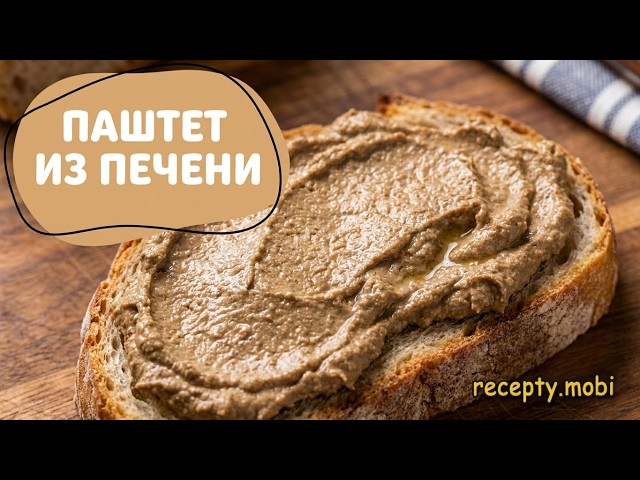
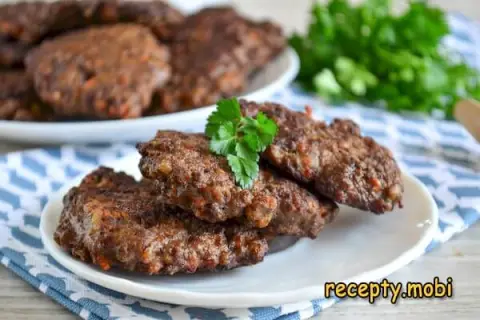
Beef liver pâté at home is the unfairly forgotten classic that deserves a comeback on every festive table. Beef liver delivers exceptional nutritional value (it absorbs easily and supports cell regeneration), and the homemade pâté tastes nothing like the dull commercial version sold in grocery store tubes.
Time 50 minutes
Yield 10 servings
Difficulty Medium
Jump to recipe

Instructions

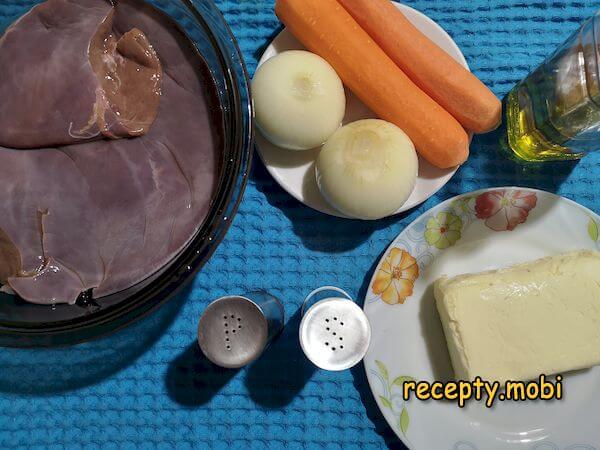
  1. Lay out every ingredient before starting the work. Peel the carrots and the onions, having them ready on the cutting board. Soften the butter at room temperature for an hour ahead so it blends easily into the pâté at the very end of the recipe.

    Step 1
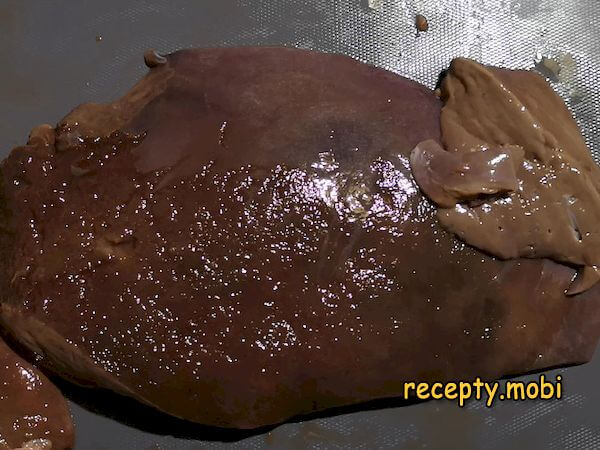
  2. Remove the silvery film from the surface of the beef liver, peeling it off carefully with a sharp knife. The film toughens during cooking and produces unpleasant chewy bits in the finished pâté if left in place; the few extra minutes of trimming pay off generously in the smooth final texture.

    Step 2
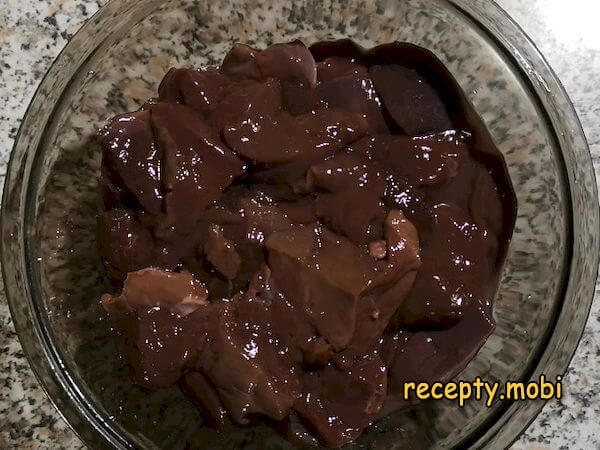
  3. Cut the trimmed liver into small pieces about three centimetres across. Smaller pieces cook through more evenly and grind more thoroughly later, producing the silky paste that defines a properly made pâté at the table.

    Step 3
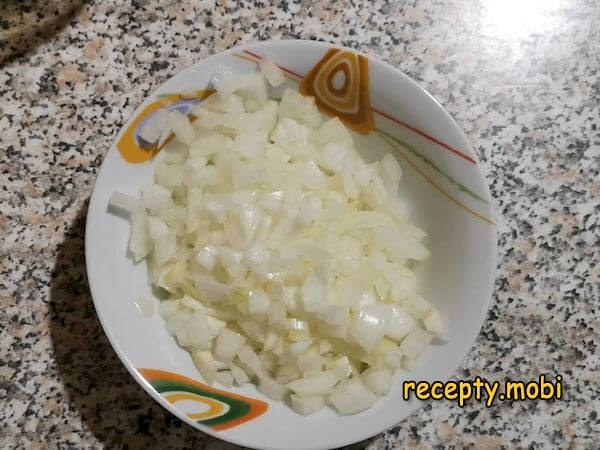
  4. Dice the peeled onion into small even cubes. Smaller cubes melt more thoroughly into the finished pâté and produce a smoother texture; larger pieces remain visible as separate fibrous bits that disrupt the velvety mouth-feel of a proper pâté.

    Step 4
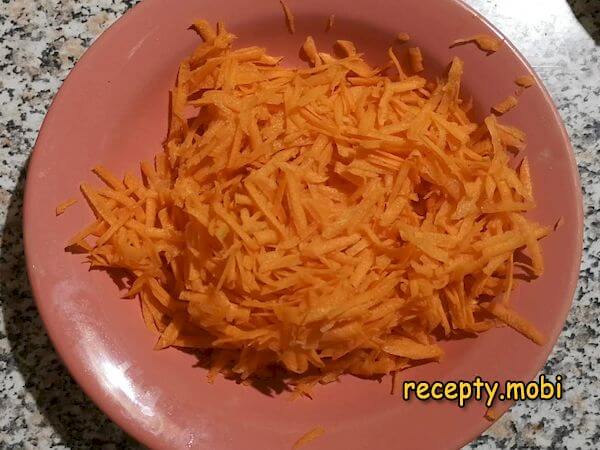
  5. Grate the peeled carrot on the coarse side of a vegetable grater. The coarse grate produces strands that hold their shape during sautéing without breaking down completely, contributing the pleasant sweetness that balances the rich liver flavor in the finished spread.

    Step 5
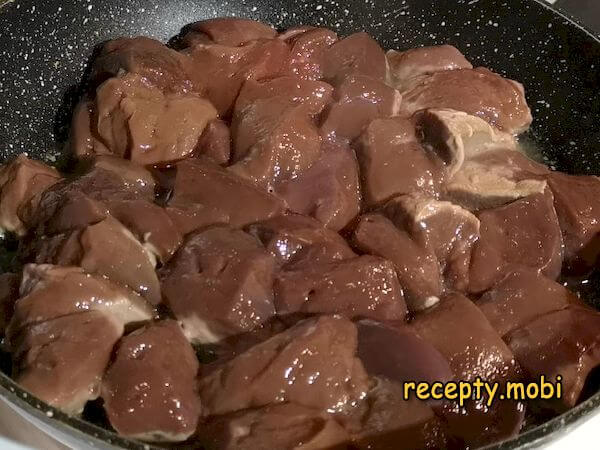
  6. Heat a wide skillet over medium-high heat and pour in the vegetable oil. When the oil shimmers, tip in the prepared liver pieces and spread them across the pan in a single layer. Avoid overcrowding the pan; work in batches if needed to ensure each piece gets proper contact with the hot surface.

    Step 6
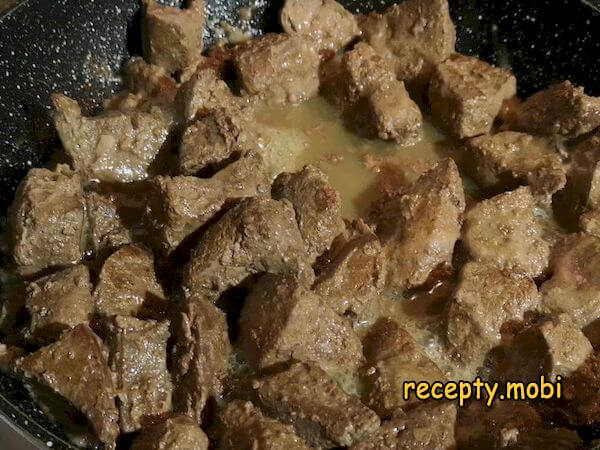
  7. Fry the liver for about ten minutes total, turning the pieces every few minutes for even cooking. Right at the end of frying, add a small amount of salt and pepper and stir everything together briefly. Remove the pan from the heat and let the liver rest while you prepare the vegetables in the next step.

    Step 7
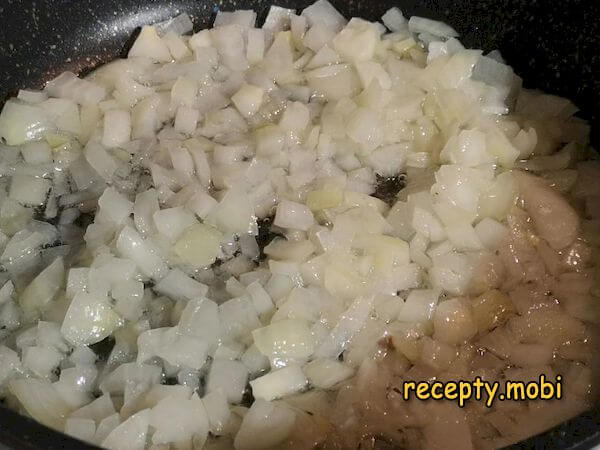
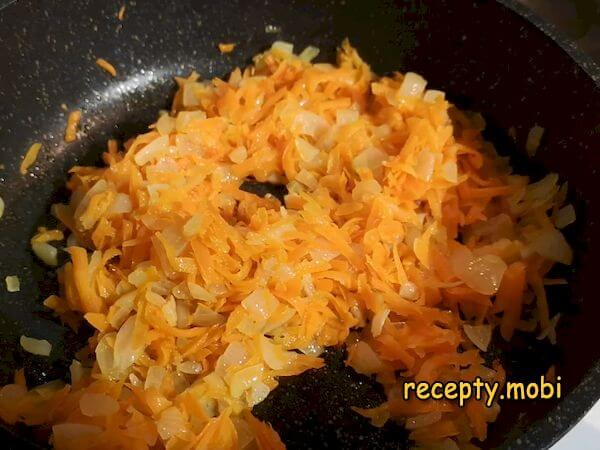
  8. Take a clean second skillet, heat it over medium heat with a fresh splash of vegetable oil, and add the diced onion. Sauté the onion gently, stirring occasionally, until it turns translucent and lightly golden at the edges, about five minutes total in the pan.

    Step 8
  9. Add the grated carrot to the sautéed onion and stir to combine. Cover the skillet with a lid and cook over medium heat until the carrot turns soft and slightly caramelized, about another seven minutes. The lid traps the moisture and helps the carrot soften without browning excessively or sticking to the pan.

    Step 9
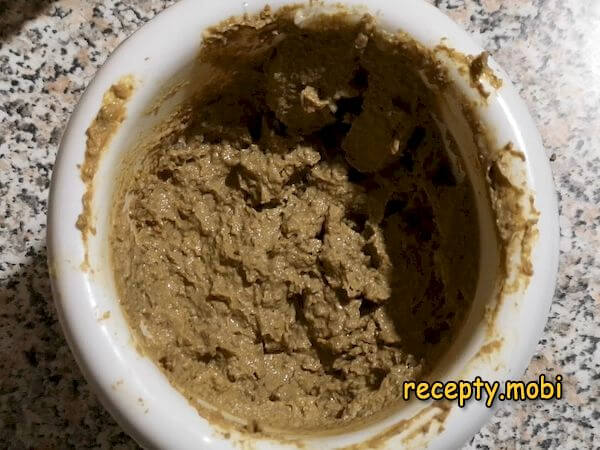
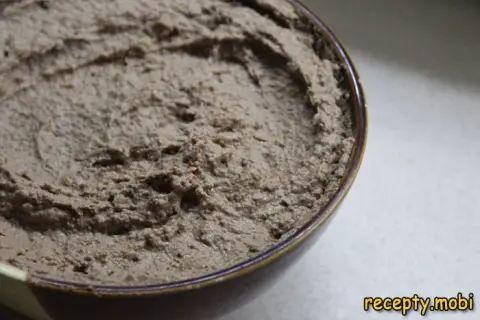
  10. Pass the cooked liver and the sautéed onion-and-carrot mixture together through a meat grinder, running the combined ingredients through several times for the most uniform texture. For an even silkier consistency, finish with an immersion blender along with the softened butter pieces; blend until completely smooth and lump-free across the entire batch.

    Step 10
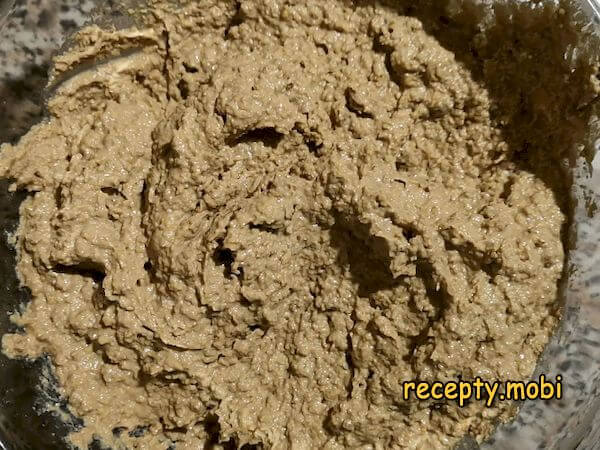
  11. Add additional salt and pepper to taste in the finished pâté and mix everything together one final time. The seasoning needs adjustment after the butter goes in because the additional fat mutes the salt level slightly compared to the just-cooked liver mixture from the previous step.

    Step 11
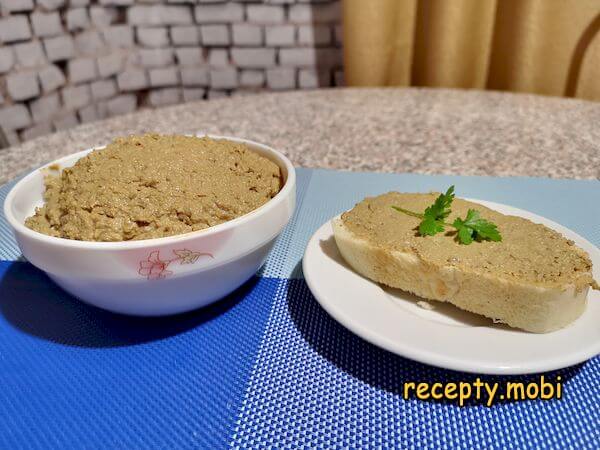
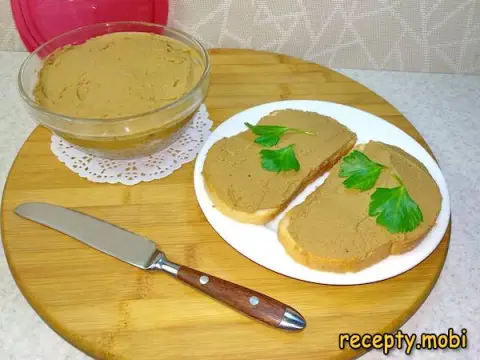
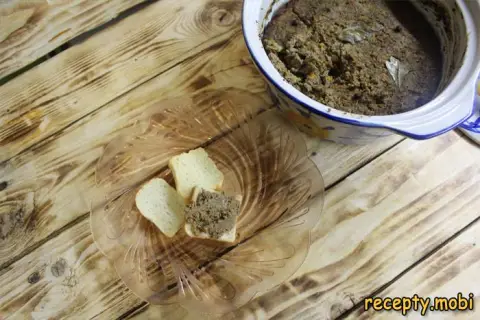
  12. The beef liver pâté at home is ready to serve. Pack the spread into a small terrine, ramekin, or glass jar, smooth the top with the back of a spoon, and cover with cling film pressed directly against the surface to prevent oxidation. Store the chilled pâté in the refrigerator covered with cling film, ready to spread on toast or crispbreads at any time.

    Step 12

Tips

  • 1

    Soak the beef liver in cold milk for thirty minutes before cooking for the mildest, most refined flavor. The milk draws out some of the strongest blood-iron compounds that some palates find overpowering, leaving a cleaner liver flavor in the finished pâté. Drain off the milk and pat the liver dry with paper towels before slicing and frying. The trick is universal in fine French and Russian cooking and makes a noticeable difference in the elegance of the finished spread.

  • 2

    Avoid overcooking the liver because dry liver produces a grainy crumbly pâté rather than a silky spreadable one. The liver should be cooked through but still slightly pink at the centre when you remove it from the pan; it continues cooking briefly in its own residual heat. Properly cooked liver feels tender to the touch and yields easily to a fork. Pair the finished pâté with a glass of dry red wine and the bright sweetness of baked apples with honey on the dessert plate.

  • 3

    Use the highest-quality butter you can find for the silkiest finished texture. The recipe uses butter as the primary fat carrier that gives the pâté its luxurious mouth-feel; cheap butter with high water content produces a thinner, less creamy result. Premium butter with at least eighty-two percent fat content delivers the rich texture that distinguishes a homemade pâté from any store-bought version. Avoid margarine, which produces an unpleasant chemical aftertaste in this delicate spread.

  • 4

    Refrigerate the finished pâté for at least four hours, ideally overnight, before serving. The chill time lets the flavors meld and firms up the butter enough to give the pâté its proper sliceable-but-spreadable consistency. Overnight chilling produces the very best flavor balance. For an elegant complete appetizer plate, pair the pâté with the ever-popular tartlets with red caviar for a classic Russian holiday spread.

FAQ

Can I substitute the beef liver with chicken or pork liver? +

Yes, both substitutes work beautifully and produce milder versions of the basic recipe. Chicken liver is the most popular alternative and creates a smoother, more delicate pâté with a less pronounced iron flavor that suits diners new to liver. Pork liver gives a slightly sweeter, more buttery flavor that works particularly well with caramelized onions. Adjust the cooking time slightly: chicken livers cook through in about six minutes, pork livers in about eight. Both alternatives can be combined with the same vegetable mixture and butter for an equally satisfying spread on toast or crispbreads.

How long does the homemade pâté keep in the refrigerator? +

The pâté keeps well for up to five days in a covered container in the refrigerator. The flavors actually deepen and improve during the first day or two as the liver, vegetables, and butter all meld into a unified whole. Always cover the surface tightly with cling film pressed directly against the pâté to prevent oxidation, which turns the surface gray-brown and unappetizing within hours of exposure to air. For longer storage, top the pâté with a thin layer of melted butter that solidifies into a protective seal, extending the shelf life to two weeks under refrigeration.

Can I freeze the pâté for longer storage? +

Yes, the pâté freezes beautifully for up to three months without significant loss of flavor or texture. Pack the cooled pâté into airtight containers or freezer bags, leaving small headspace for expansion, and freeze immediately. Thaw overnight in the refrigerator before serving; do not thaw at room temperature because the warm air softens the butter unevenly and risks separating the spread. Once thawed, the pâté tastes nearly identical to fresh and spreads just as smoothly on toast or crispbreads. Avoid refreezing thawed pâté because the texture suffers noticeably on the second freeze.

What can I serve alongside beef liver pâté at a dinner party? +

The pâté pairs beautifully with several classic accompaniments. Slices of toasted baguette or rye crispbreads provide essential crunchy contrast. Cornichons, pickled onions, and grainy mustard offer bright tangy notes that cut through the richness of the spread. Fig jam or onion confit add sweet depth that complements the savory liver flavor. For drinks, dry red wine like Pinot Noir pairs traditionally; sparkling wine works for celebratory occasions. Round out the platter with a fresh green salad dressed simply with lemon vinaigrette to balance the substantial richness of the pâté course.

Write comments...
symbols left.
or post as a guest
Loading comment... The comment will be refreshed after 00:00.

Be the first to comment.