avg —
Chicken Liver Pâté with Carrots and Onions

Instructions
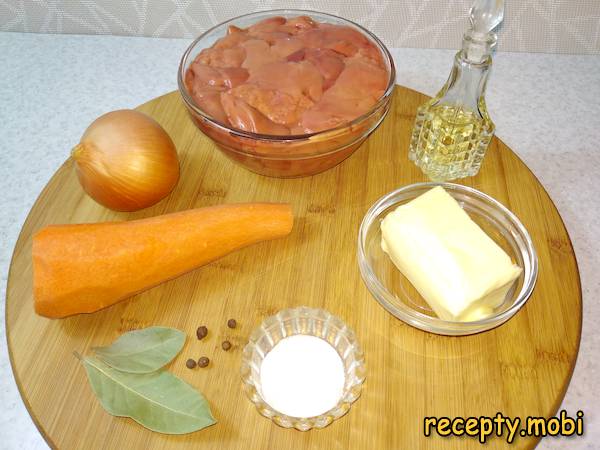
Gather all the necessary products on a clean work surface according to the recipe list. Having everything measured and ready before you start the actual cooking process makes the multi-step recipe much easier to manage and ensures nothing important gets forgotten in the rush of preparation.
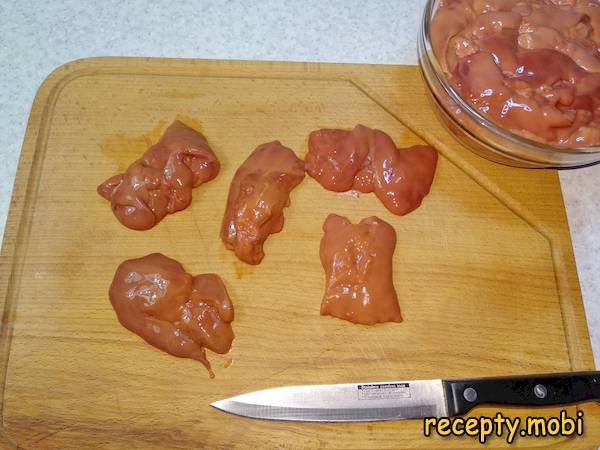
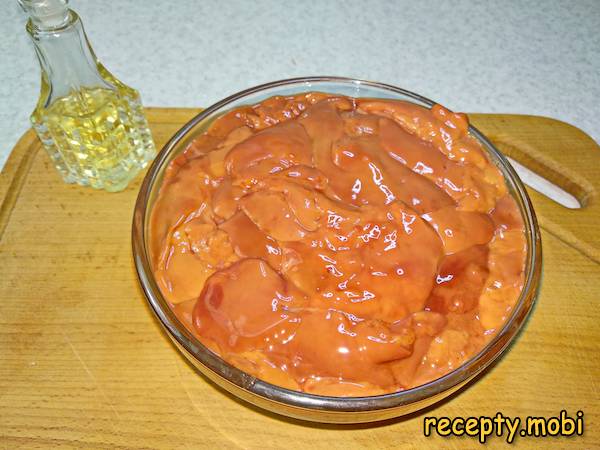
Wash the chicken liver thoroughly under cool running water. Place the cleaned liver in a colander to drain off the excess water. Remove any visible ducts and the thin films attached to the liver pieces. Check very carefully for any traces of bile (which is bright green) and remove it delicately, since even a small amount of bile produces a noticeably bitter flavour in the finished pâté.
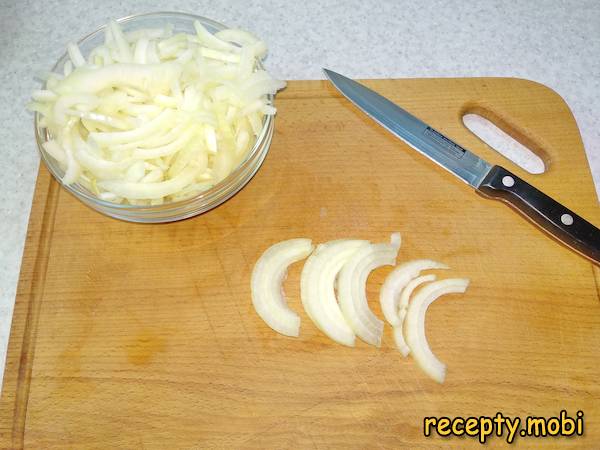
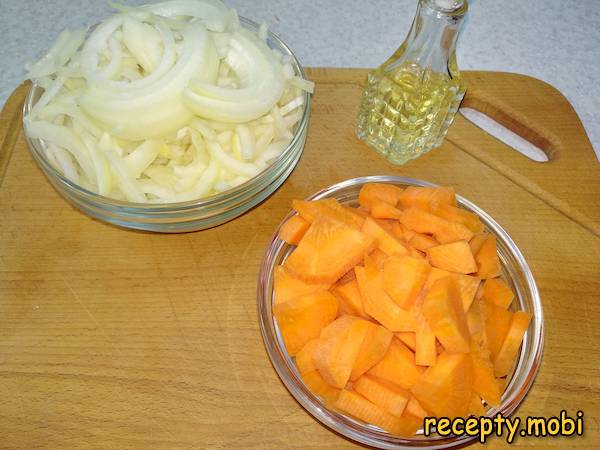
Chop the peeled onion into medium-sized half-rings. The half-ring shape gives a nice mix of flavour distribution and easy handling during the sautéing step that follows in the next part of the recipe.
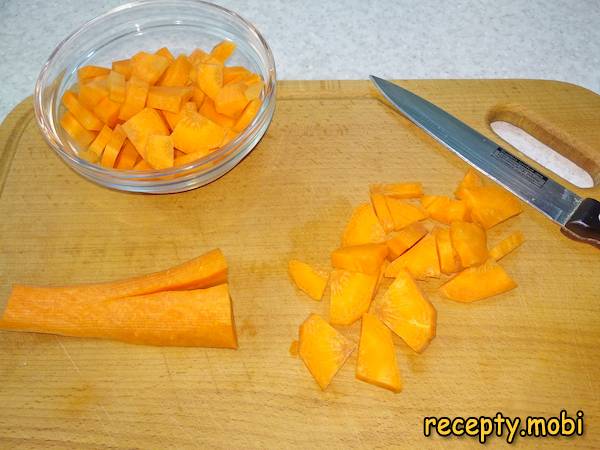
Cut the large peeled carrot lengthwise into four long quarters, then cut the quarters crosswise into large bite-sized pieces. Larger pieces hold their shape better during the long sautéing step and provide more textural interest in the finished pâté once everything has been blended together.
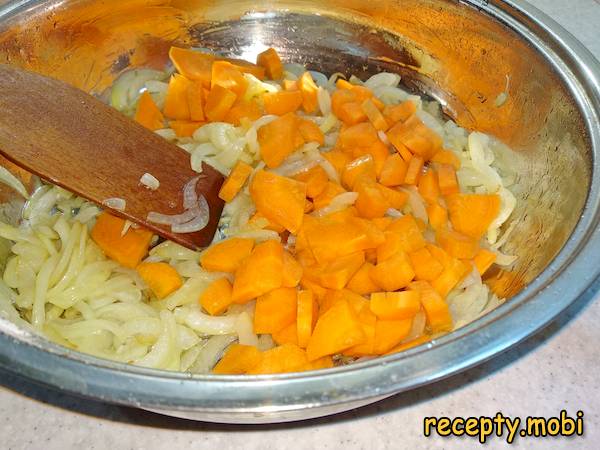
Begin frying the prepared vegetables in a deep frying pan with a generous splash of vegetable oil over medium heat. The vegetables need plenty of room in the pan to brown properly without steaming, so use a wide pan if possible.
Heat the pan with oil over medium heat. Add the chopped onion first and fry until it turns translucent and just barely starts to colour. Then add the prepared carrot pieces to the onion in the pan. Continue frying everything together until the carrot has softened completely and developed a slightly golden colour at the edges.
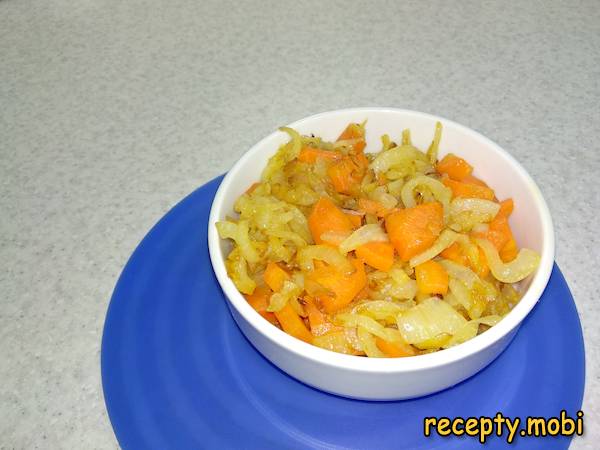
The vegetables are now ready. Transfer them to a separate plate to wait while you prepare the liver in the same pan, which keeps all the lovely caramelized flavour from the vegetables in the cooking pan ready to flavour the liver too.
Add a fresh splash of vegetable oil to the same pan if needed and add the prepared chicken liver. The liver should sizzle gently when it hits the hot oil, which signals proper temperature and starts the browning process immediately.
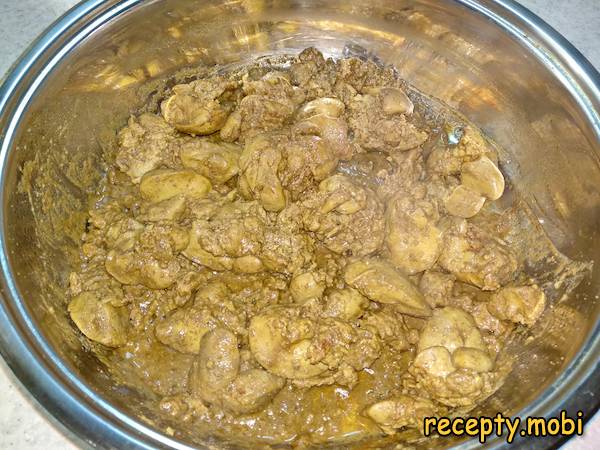
Fry the liver for two minutes on each side over medium heat. Then return the prepared sautéed vegetables to the pan with the liver. Add fifty grams of butter, mix everything together gently, and continue simmering on medium heat for twenty-five to thirty minutes with the lid closed. During the simmering process, add salt to taste, the allspice berries and the bay leaf for aromatic depth.
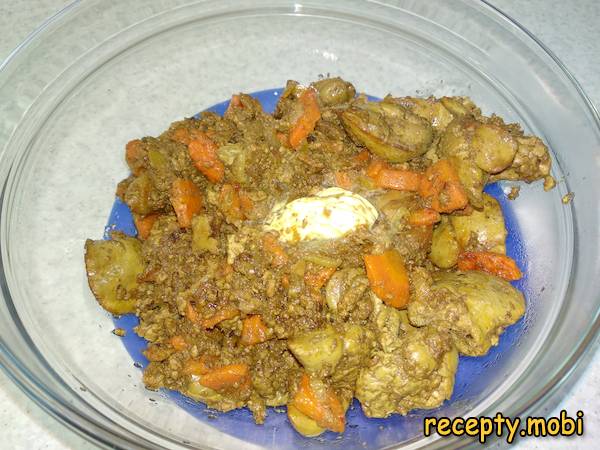
Transfer the finished cooked products to a separate deep mixing bowl. Remove and discard the bay leaf and the allspice berries, since they have already given up their aromas to the dish and would only spoil the smooth texture of the finished pâté if blended in with everything else. Add the remaining fifty grams of butter to the bowl with the warm products.
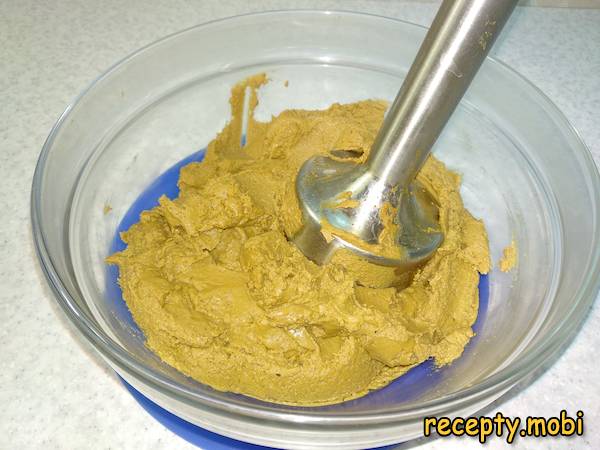
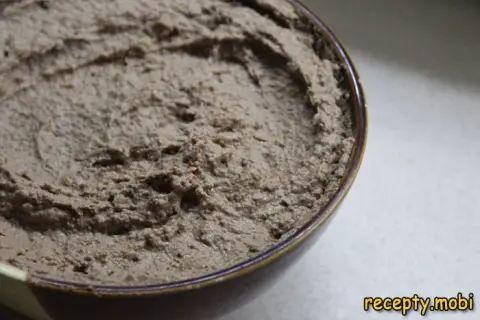
Using a hand-held immersion blender, grind the still-hot products into a uniform smooth elastic mass. Working with hot ingredients produces a noticeably smoother finished pâté than working with cold ingredients would, and the residual heat helps melt the added butter into the rest of the mixture beautifully. Taste the finished pâté and adjust the salt if needed.
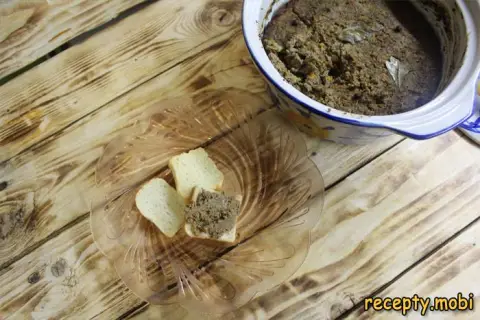
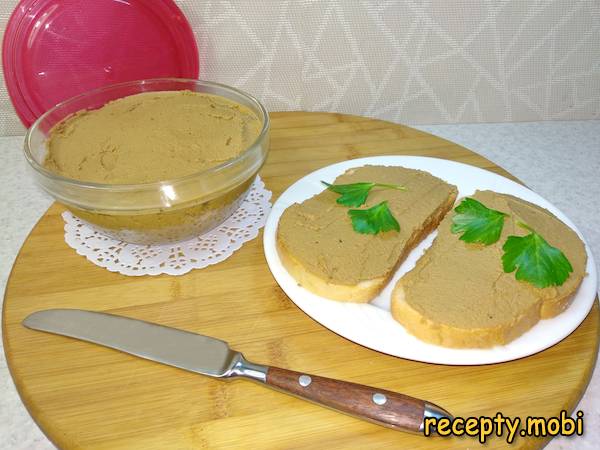
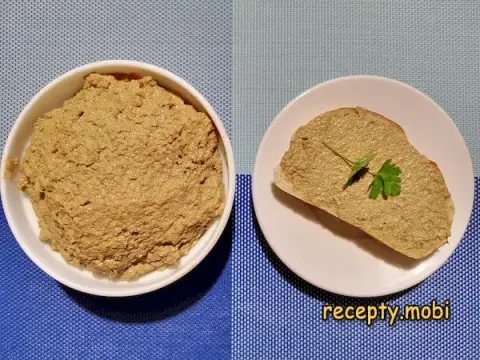
The chicken liver pâté with carrots and onions is now ready. Transfer the finished pâté to a clean glass storage container and let it cool to room temperature. Then close the lid tightly and transfer the container to the refrigerator for storage. The pâté tastes excellent both as the best solution for breakfast toast and as a satisfying afternoon snack with crackers. Bon appetit!
Tips
- 1
Always remove all visible bile from the chicken liver before cooking, since even a tiny trace of bile produces a noticeably bitter flavour in the finished pâté that no amount of seasoning can mask afterwards. Bile appears as bright green or yellow patches on the surface of the liver and should be cut away cleanly with a sharp knife. Soaking the cleaned liver briefly in cold milk for thirty minutes also helps draw out any residual bitterness before cooking begins.
- 2
Add the butter in two stages: half during the cooking step and half during the blending step. This double-addition technique produces the smoothest most velvety finished texture in the pâté. To pair this homemade pâté with another beautifully tender meat dish for a more substantial main course, try our beautifully tender pork ribs in a multicooker as a contrasting meaty alternative.
- 3
Blend the pâté while still hot rather than waiting for it to cool, since hot ingredients break down to a noticeably smoother more elastic texture than cold ones do. The residual heat also helps the added butter melt and incorporate beautifully into the rest of the mixture. Use a powerful immersion blender or a food processor for the smoothest result, since hand-mashing with a fork or potato masher produces a chunkier rustic texture.
- 4
Top the finished pâté with a thin layer of melted butter to seal the surface and prevent oxidation during storage. For another simple appetizer recipe to add variety to your celebration menu, try our beautifully traditional aspic of pork tongue with gelatin as a more dramatic Slavic centerpiece dish.
FAQ
Can I use other types of liver in this recipe? +
Absolutely. Beef liver, turkey liver, duck liver and even pork liver all work as substitutes for chicken liver in this pâté with broadly similar results. Each variety brings its own slightly different flavour profile: beef liver tastes more pronounced and earthy, turkey liver stays milder and more delicate, while duck liver produces an exceptionally rich luxurious result. Whichever liver you choose, follow the same basic technique of careful cleaning, brief frying and slow simmering for the best finished texture.
How long does this pâté keep? +
Store the finished pâté covered tightly in a clean glass container in the refrigerator for up to five days for best results. The flavours actually improve significantly during the first two days as the liver, vegetables, butter and aromatics continue to merge into a beautifully harmonious whole. The pâté also freezes brilliantly for up to three months in airtight portion-sized containers, which makes it ideal for batch cooking and saving for special occasions throughout the year.
Can I make this pâté without butter? +
Yes, but the texture and richness of the finished pâté will differ noticeably from the original recipe. Replace the butter with the same weight of olive oil, vegetable oil or even ghee for a similar fat content but a different flavour profile. Heavy cream also works as a partial substitute and adds a beautifully creamy character. The texture will be slightly less elastic without the butter, but the overall flavour stays excellent and the dish remains genuinely appetizing on toast or crackers.
What can I serve with this pâté? +
Crusty toasted baguette slices, warm crispy crostini, classic crackers, soft homemade brioche or even rye bread squares all pair beautifully with this homemade pâté. A small bowl of cornichons, pickled onions or a fruity chutney on the side adds brilliant tangy contrast that cuts through the richness of the pâté wonderfully. Fresh herbs scattered on top, a drizzle of good balsamic glaze or even a thin layer of homemade fruit jelly all elevate the basic spread into a properly elegant celebration appetizer.
- Comment
or post as a guest
Be the first to comment.