avg —
Dorado in foil in the oven

Instructions
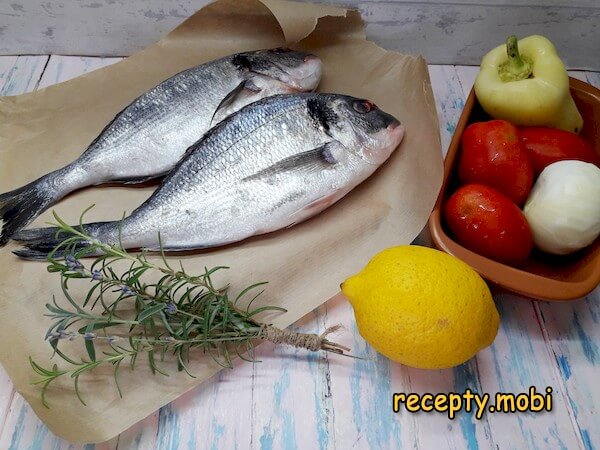
I get the ingredients ready for the dorado in foil. The fish cooks on a bed of vegetables – the quantities are calibrated for 2 medium dorado. Preheat the oven to 180°C straight away.
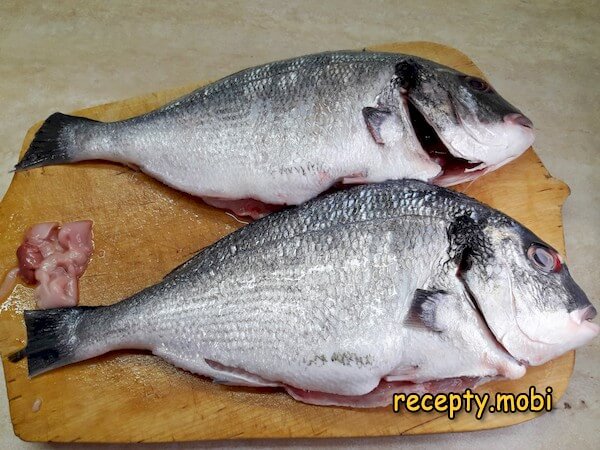
To save time, ask the seller to clean the fish when you buy it, or clean it yourself. Scale it from tail to head. Cut off the fins (especially the back fins, which are tough and spiny). Make a cut along the belly and carefully remove the organs without crushing the gallbladder. Rinse the carcass and scrape off the small black film along the ribs.
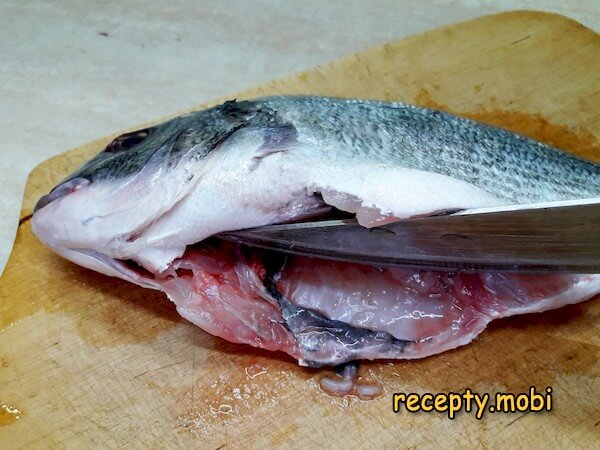
Remove the gills and gallbladder. If the gallbladder is undamaged and no bile has spilled onto the liver or internal fat, you can leave them in the carcass.
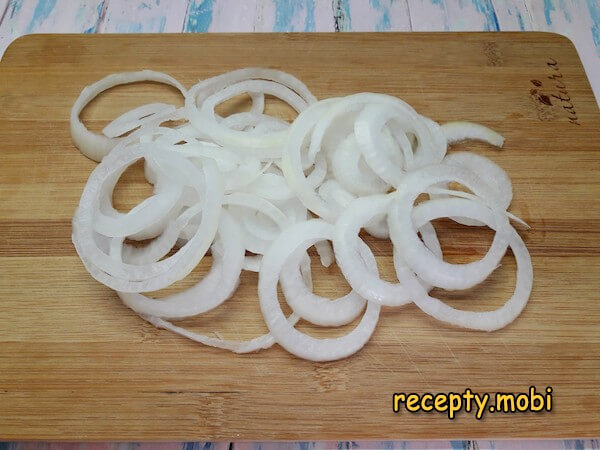
Cut the onion into rings and separate them.
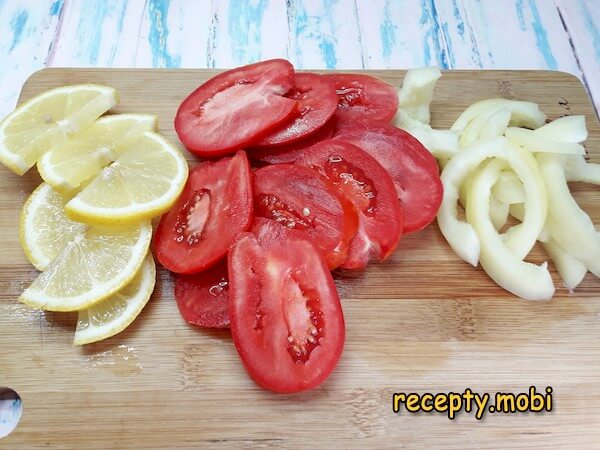
Cut the tomatoes into rounds, the lemon into half-rounds, and the sweet pepper into strips.
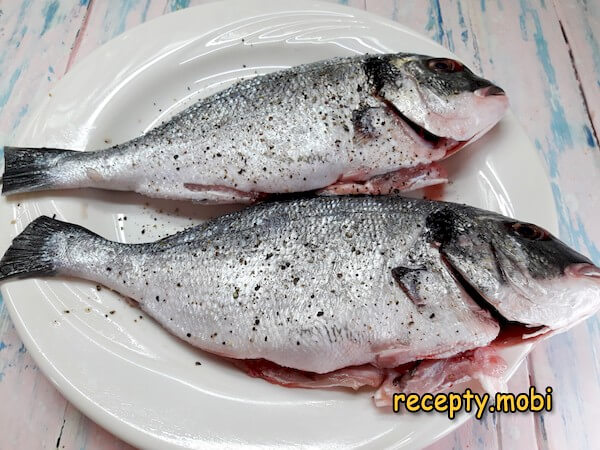
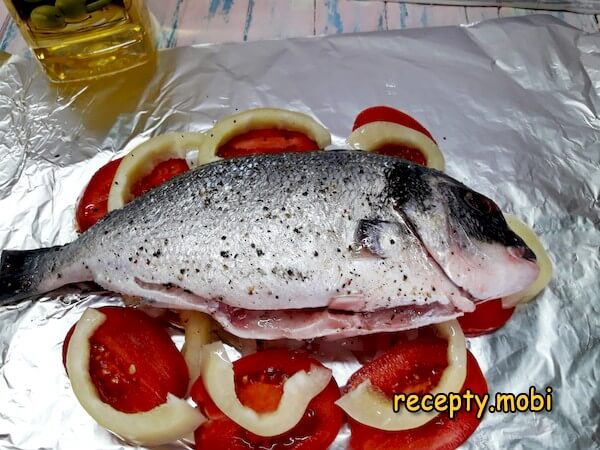
Season the fish with salt and pepper, inside and out. Oil your hands generously and rub the spices into the fish (the oil helps them stick).
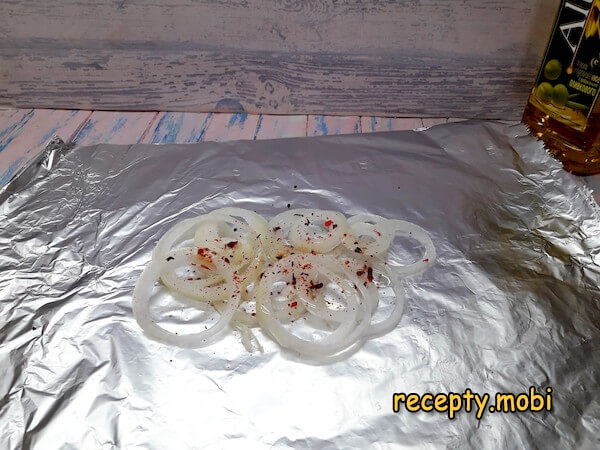
If the foil is thin, fold it in half for durability. Place half the onion rings in the middle, sprinkle with paprika, and drizzle with olive oil.
Build up the vegetable bed with the tomatoes and bell peppers.
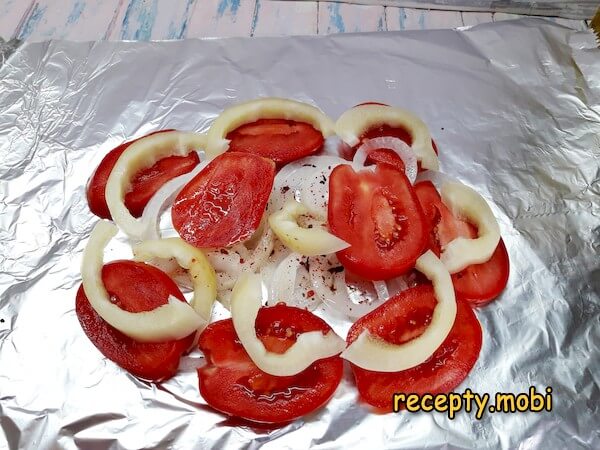
Place the fish on top of the vegetable bed. The juices released by the fish soak into the vegetables, making them incredibly tasty and juicy and harmonising with the sweet, tender dorado.
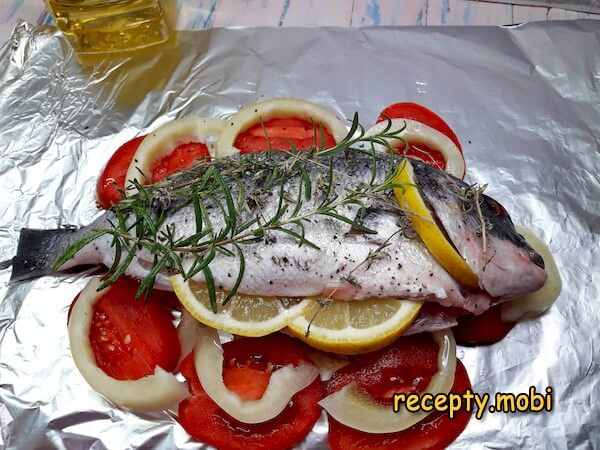
Tuck lemon wedges into the belly and under the gills. Lay the rosemary and thyme sprigs on the back.
Gather the foil into a knot, leaving a small hole at the top so condensation does not collect. Transfer the parcels to a baking sheet and then into the oven.
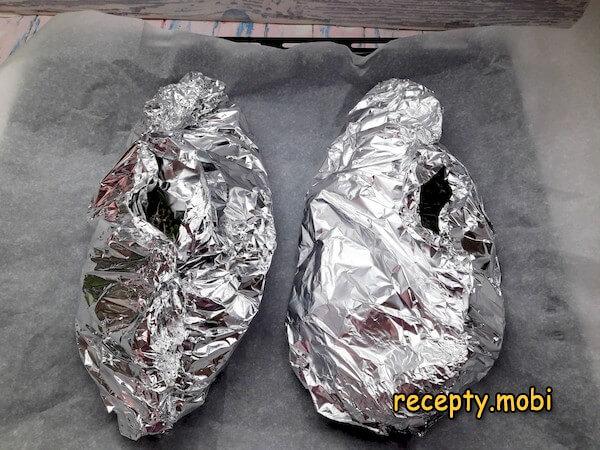
After 20 minutes, open the foil out fully (taking care not to spill the juices) and leave the dorado to carry on baking.
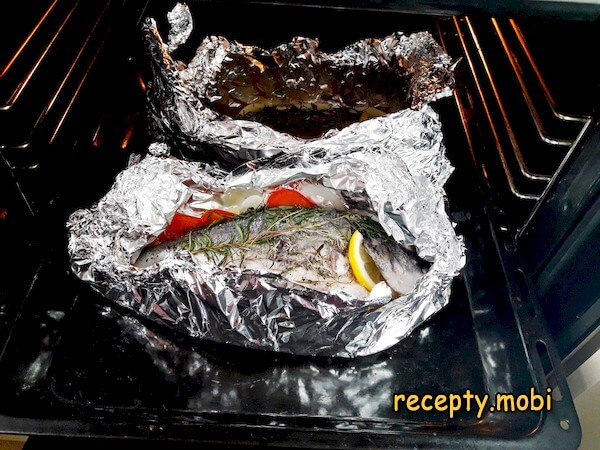
After 10 more minutes, take the fish out of the oven.
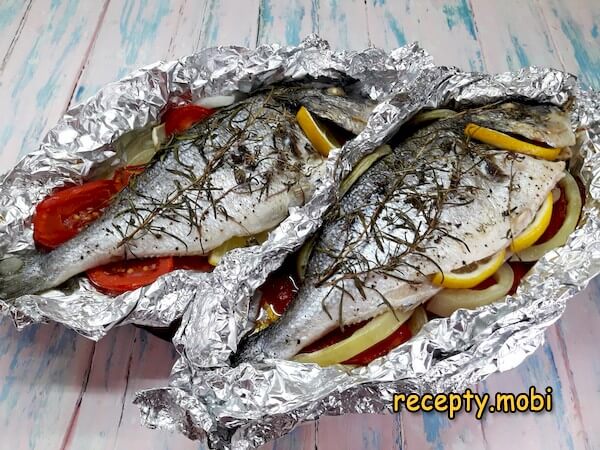
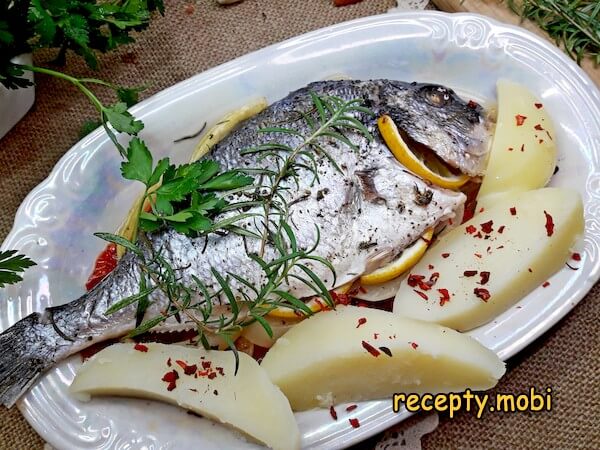
The baked dorado in foil is ready. I serve the fish whole, right in the foil. You can, however, carefully transfer the carcass to a plate and add boiled potatoes and fresh vegetables. The aromatic sprigs that dried out during baking are better replaced with fresh ones. Give it a try – bon appétit!


Tips
- 1
Open the foil at the end – the secret of the crust. Under the foil the fish cooks through in steam; opened for the last 10 minutes, it develops a golden-brown crust.
- 2
The vegetable bed – the secret of juiciness. The onion, tomatoes and pepper soak up the fish juices and become a side dish. Two in one.
- 3
Lemon in the belly – the secret of aroma. The lemon wedges inside perfume the flesh with citrus and remove any fishy smell.
- 4
The hole in the knot – the secret against steam. Without a hole, condensation builds up and floods the fish. The same principle works for other kinds of fish in foil.
FAQ
Which fish should I choose? +
Ideally, chilled medium-sized dorado (sea bream) at 300–400 g each. Alternatives are sea perch (brighter in flavour), sea bass (more tender, a Mediterranean classic), trout (pink flesh) and mackerel (the budget option, fattier). Fresh chilled fish is the best choice – clear eyes, red gills, shiny scales. Do not use fish with dull eyes, an unpleasant smell or cloudy slime. Frozen fish will do after it has fully thawed in the fridge for 8–10 hours.
What can replace the thyme and rosemary? +
Alternatives are a mix of dried Provençal herbs (1 tsp), fresh dill (a few sprigs, for a Russian note), fresh parsley (a few sprigs), green basil (2–3 leaves) or fresh mint (1–2 sprigs, for a Greek touch). Fresh sprigs are the best choice. Do not use yellowed herbs or flavoured blends with added MSG. For the Italian classic, rosemary and thyme are a must. Remove the sprigs before serving.
How long does dorado keep? +
In the fridge, in foil or a container, for 2 days. Any longer and the fish loses its juiciness while the vegetables give up all their juice. Before serving, warm it in the oven for 5 minutes at 150°C or for 30–40 seconds in the microwave. I do not recommend freezing it, as the texture of the fish will change. Dorado is at its best in the first 30 minutes after it is done; on the second day the flavour is deeper but the texture is poorer. Do not leave it at room temperature for longer than 2 hours, as fish spoils quickly. It is ideal to cook for a single occasion, such as a dinner party.
What goes well with dorado? +
The Mediterranean classic is boiled potatoes (or potatoes baked with herbs). With rice or quinoa it makes a healthy lunch. It pairs beautifully with a dry white wine (Chablis, Sauvignon Blanc), and with a rosé for a summery serving. Serve it with a garlic sauce or tzatziki, with tartare sauce, with fresh vegetables and herbs, with a Greek salad, with a baguette or ciabatta, with an extra slice of lemon, or with a coleslaw in lemon dressing. It is a versatile, light dish perfect for dinner parties.
- Comment
or post as a guest
Be the first to comment.