avg —
How to Cook Boiled-Frozen Unpeeled King Prawns

Instructions
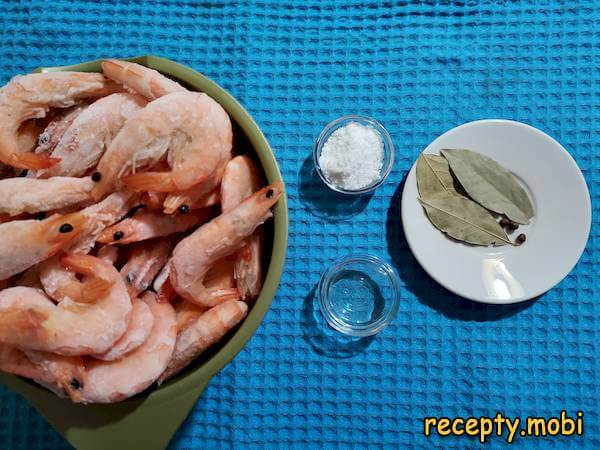
I prepare all the ingredients I need. I use large king prawns – L1-L2 (the most popular size in the shops).
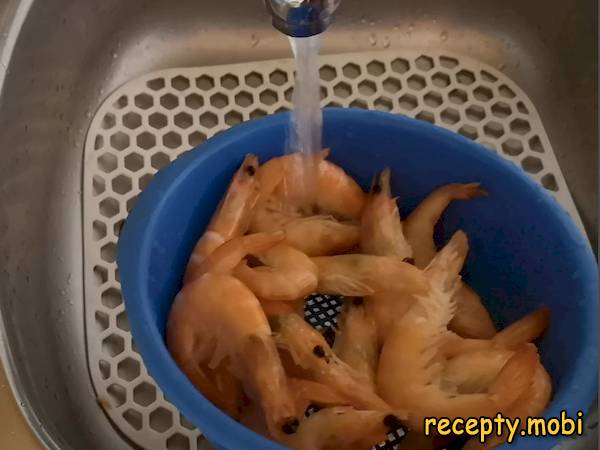
I rinse the prawns under warm water to get rid of the icy glaze, bits of dirt and broken-off antennas. The glaze is a protective layer of ice, but in a soup it would only add extra water.
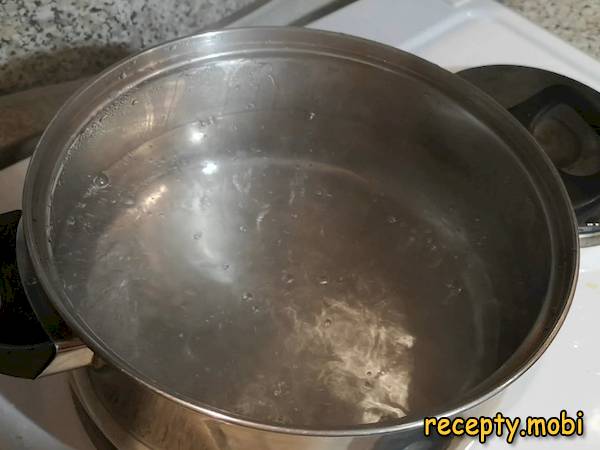
I fill a pot about halfway with water – mine came to 1 litre. I cover it with a lid and bring it to the boil. No more water is needed – the prawns should not be "swimming" in it.
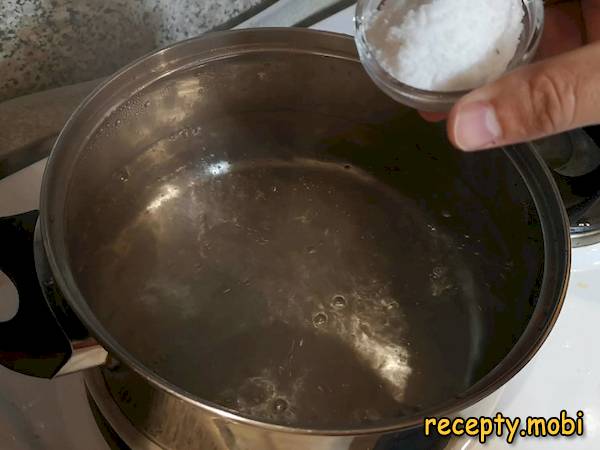
I add 2 tbsp of salt and stir. The water should be as salty as "sea water" – that way the prawns soak up the seasoning properly.
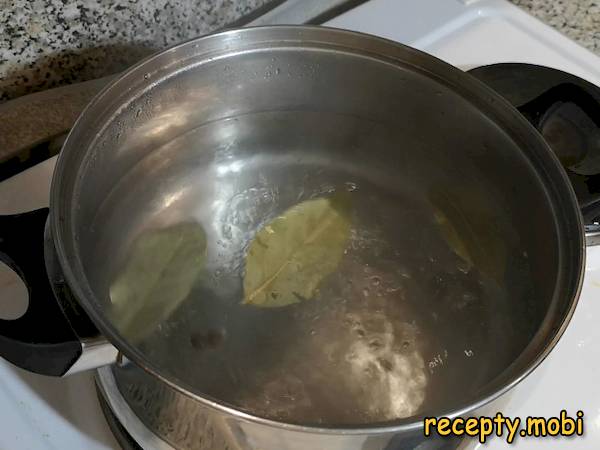
I add 3 bay leaves and 3 allspice berries. These spices are a "classic" for seafood; they bring out the sweetness of the prawn meat.
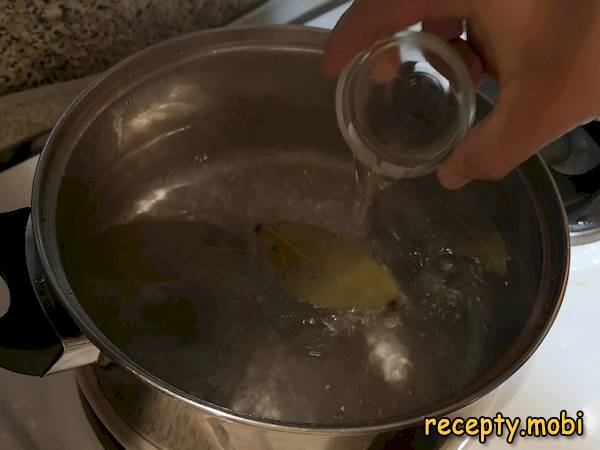
I pour in 1 tbsp of lemon juice and stir. The lemon removes any iodine-like aftertaste (if there is one) and makes the meat more tender.
I transfer the king prawns into the pot. There is no need to defrost them in advance – I drop them straight from the freezer into the boiling water.
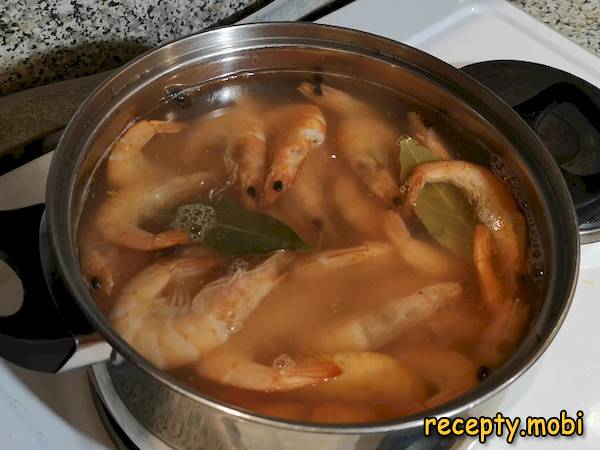
I bring it back to the boil and cook for 5 minutes. No longer – they are already cooked at the factory, and longer cooking makes them "rubbery".
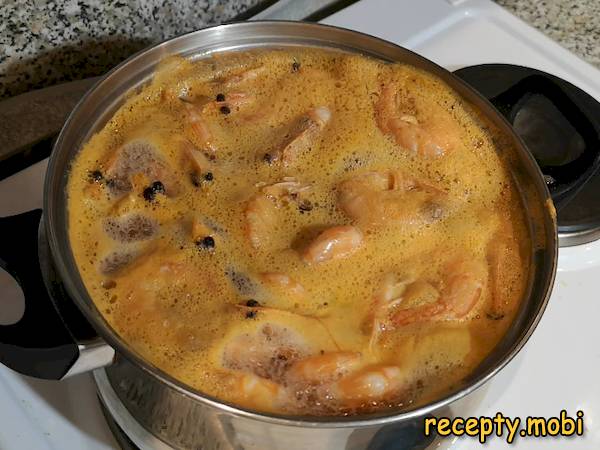
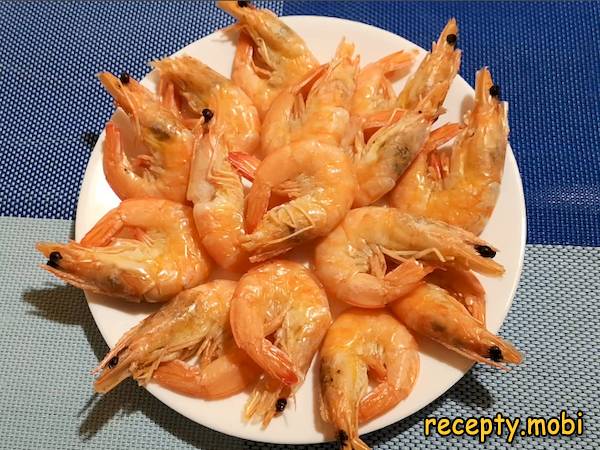
I turn off the heat. Using a slotted spoon, I lift the prawns out of the pot and put them on a plate. Before eating, we peel them – removing the shell and the thin dark vein. If you like, drizzle with lemon juice, or dip the meat in the juice before each bite.


Tips
- 1
Do NOT defrost boiled-frozen prawns in advance – drop them straight into the boiling water. Otherwise they "give up" all their moisture and turn out dry.
- 2
Cook them for EXACTLY 5 MINUTES after the water returns to the boil – these prawns are already cooked at the factory, so we only need to warm them through. Overcook them and you get "rubbery" meat.
- 3
Be GENEROUS with the salt (2 tbsp per 1 litre) – the water should be genuinely salty. The prawns will "take" as much as they need.
- 4
After cooking, LEAVE the prawns in the broth for 1-2 minutes under the lid – they will soak up the aroma of the spices. The same trick works for other seafood.
Video

FAQ
What is the difference between boiled-frozen and raw-frozen prawns? +
Boiled-frozen prawns (pink-orange) are already cooked and frozen – they need 5 minutes to warm through. Raw-frozen ones (greyish-blue) are raw and take 8-10 minutes to cook until they turn a bright pink colour. There is a difference in taste: raw-frozen prawns are more "juicy" and "sweet", while boiled-frozen ones are more convenient and quicker. You can tell the two apart by the colour of the shell: pink-red = cooked, grey-blue = raw. The packaging always carries a marking for this.
How do I choose good-quality prawns? +
Signs of a good product: a pink-orange colour with no dark spots on the belly (spots are a sign they were not fresh before freezing), the tail "tucked" tight against the body (a straightened tail means they were cooked already dead), a minimum of icy "glaze" (the more ice there is, the less meat you get for the same money), and no dark head (a blackened head means they were stored for a long time). As for size, L1 – 21-30 pcs/kg, L2 – 31-40 pcs/kg, L3 – 41-50. The larger they are, the tastier.
What do I serve king prawns with? +
The classic way to serve them: with tartar sauce, garlic sauce, mayonnaise with lemon, or soy sauce with wasabi. With a dry white wine (chardonnay, sauvignon blanc) or champagne. As a hot starter – with bread and olive oil. In salads: Caesar, or Greek salad with prawns. With pasta – with olive oil and garlic. With rice: paella or risotto. Do not serve them with red wine – the tannins "kill" the delicate flavour of the prawns.
How long do cooked prawns keep? +
In the refrigerator – 1-2 days in a closed container. I would not keep them longer, as seafood quickly loses its freshness. At room temperature – 1 hour at most (after that there is a risk of bacteria multiplying). There is no point in freezing already-cooked prawns – they fall apart when defrosted again. Peeled prawns (without the shell) should be eaten the same day, as the shell protects them from drying out. If you want them in a salad the next day, peel them right before serving.
- Comment
or post as a guest
Be the first to comment.