avg —
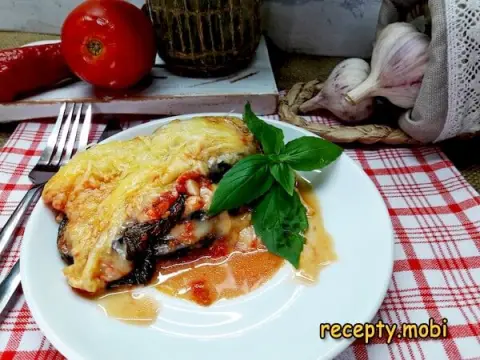
Frittata with Vegetables

Instructions
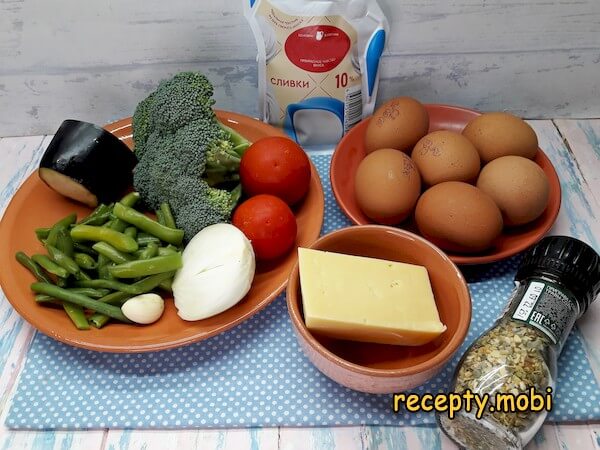
I get the ingredients ready. The good thing about a frittata with vegetables is that it allows the most varied vegetables, and the choice depends on the time of year (even frozen ones come in handy). A frittata can also be single-vegetable in its make-up – usually that is tomatoes or broccoli.
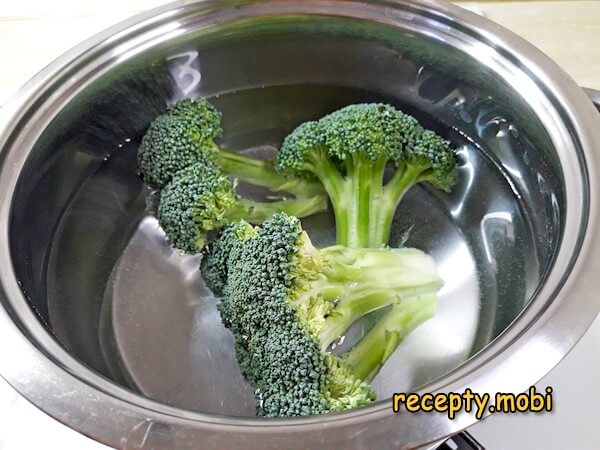
If the green beans were not frozen, I parboil them for 2 minutes, and the broccoli the same way. Then I douse them with cold water to stop the cooking.
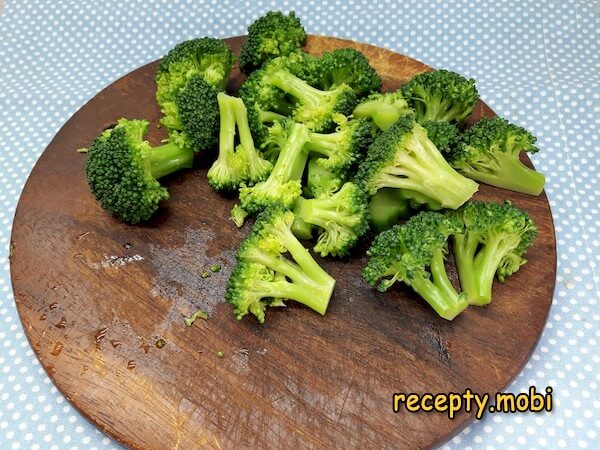
I break the broccoli into medium-sized florets.
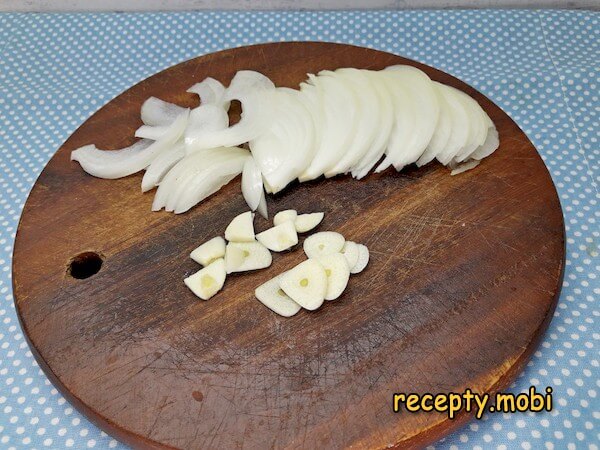
I prepare the rest of the components, since later on they will need to go into the pan very quickly. I slice the garlic into thin shavings and cut the onion into half-rings.
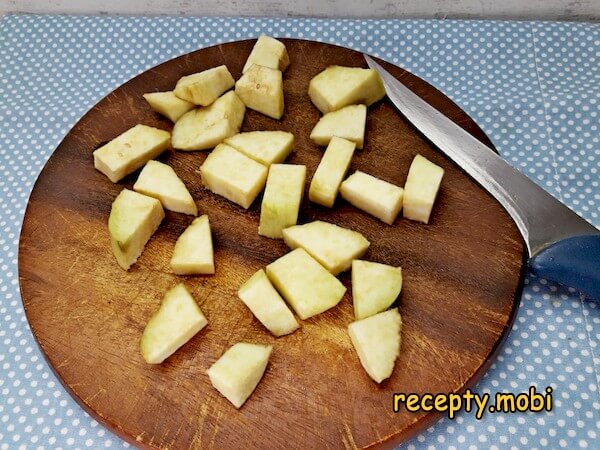
I cut the skin off the eggplant and chop it into cubes.
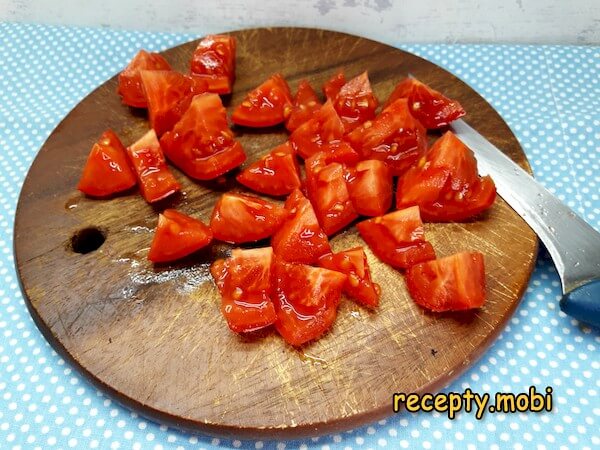
I chop the tomatoes in the same way.
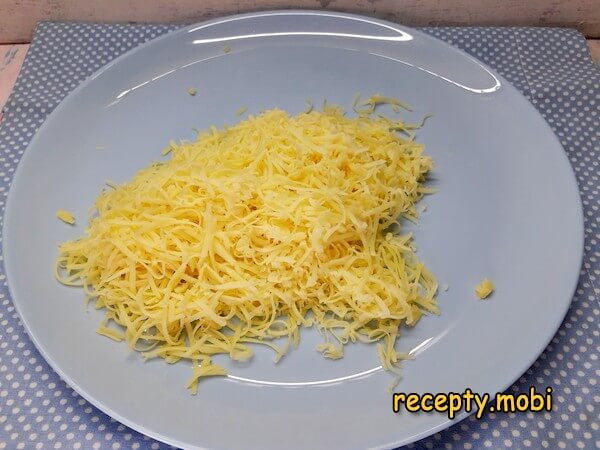
I grate the cheese into fine shavings.
I break the eggs into a deep bowl and season them with Italian herbs and salt. I whisk them together.
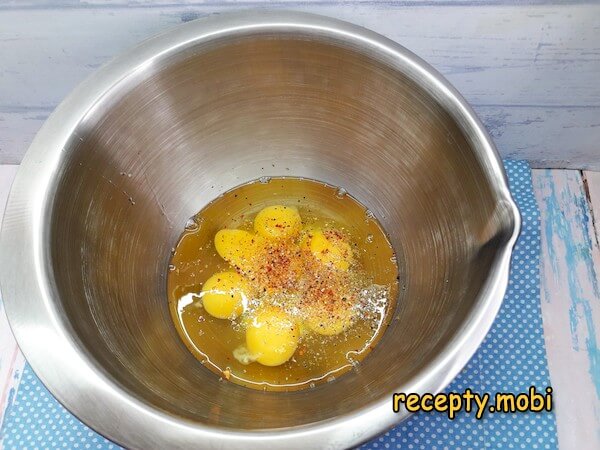
I pour in the cream and stir once more.
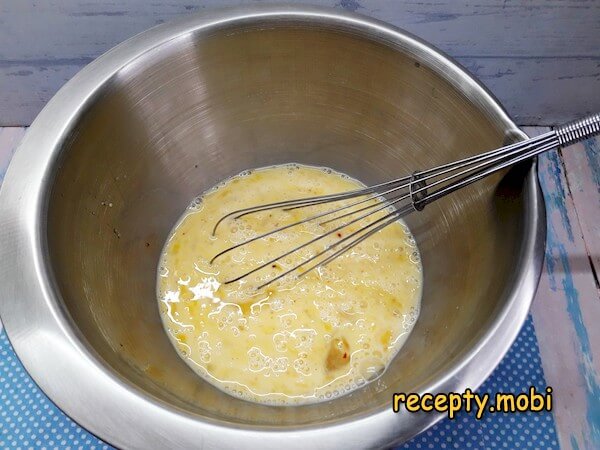
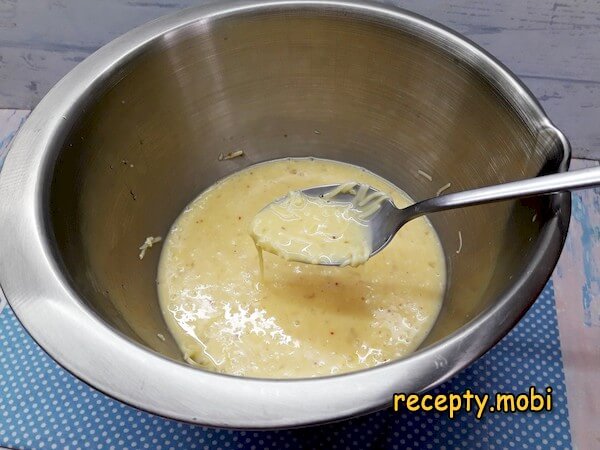
I combine the mixture with the cheese.
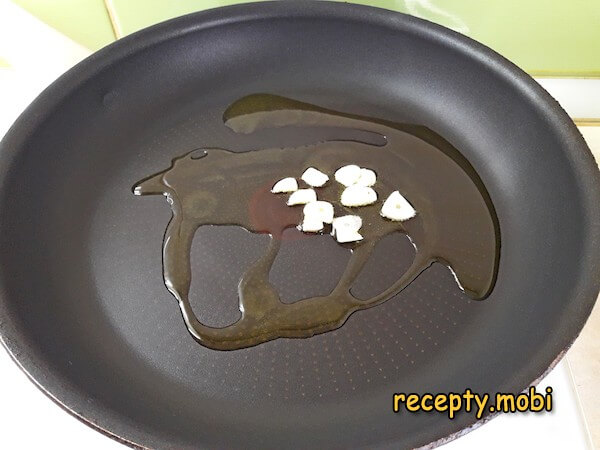
Once everything is prepared, I move straight on to frying and baking. I pour the olive oil into the pan and warm the garlic in it.
I add the onion and fry it over medium heat for a minute, no more.
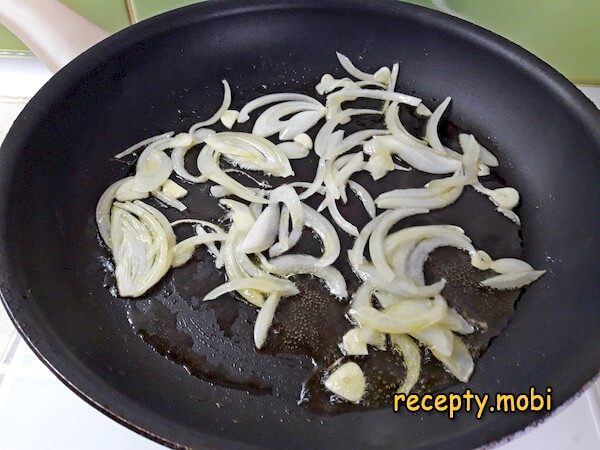
Into the same pan I add the eggplant. I fry it for 1–1.5 minutes.
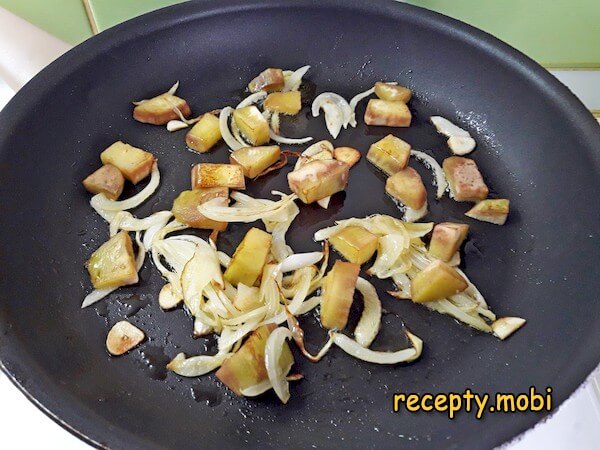
Next I load the broccoli into the pan.
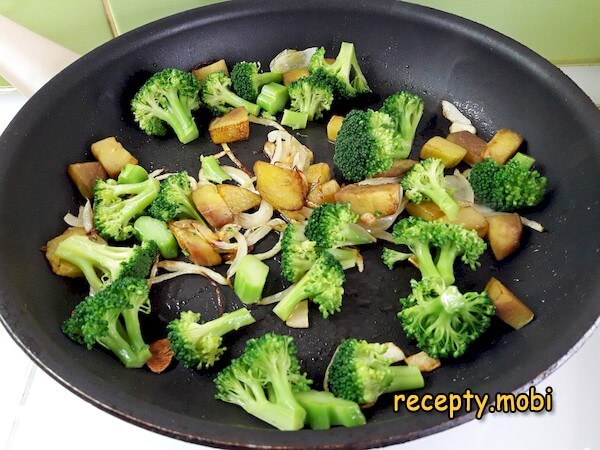
And right after it – the green beans.
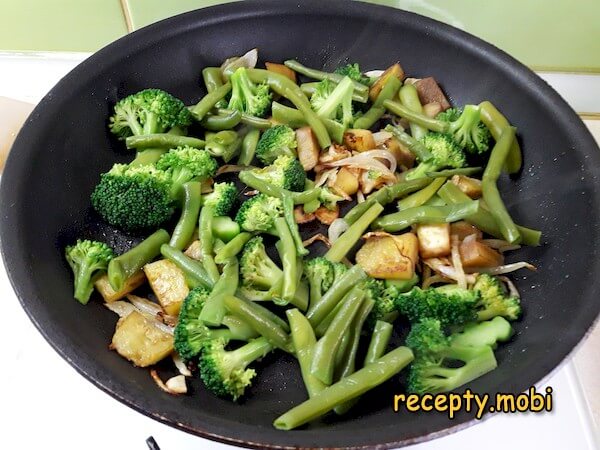
Following that, I add the tomatoes.
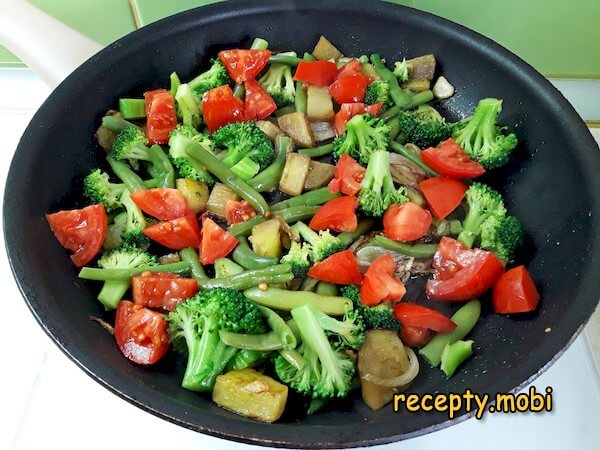
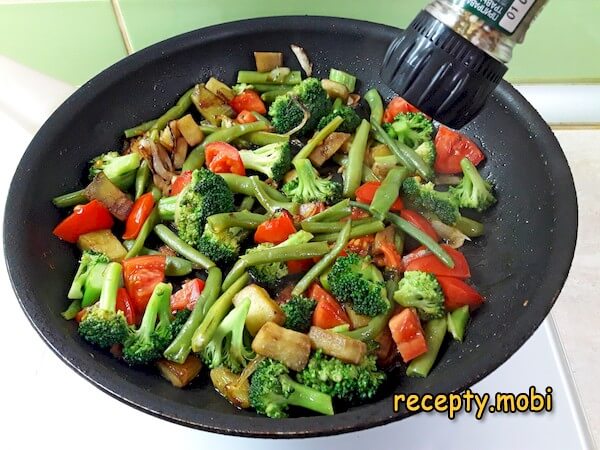
I season everything with spices and salt. I fry the vegetable mixture for 2–3 minutes, stirring now and then so it browns evenly.
I pour the egg mixture over everything and leave it be, so the edges set while the centre stays moist.
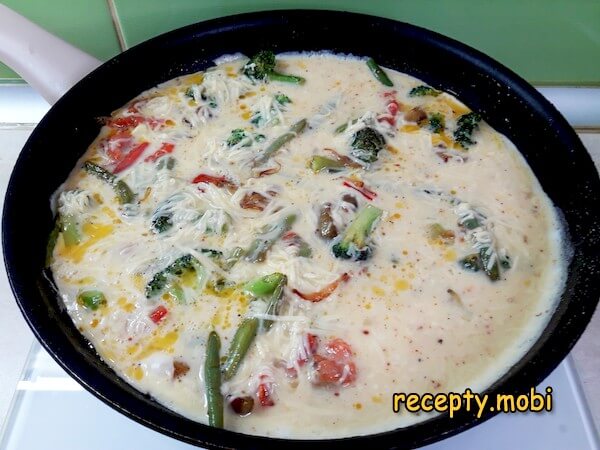
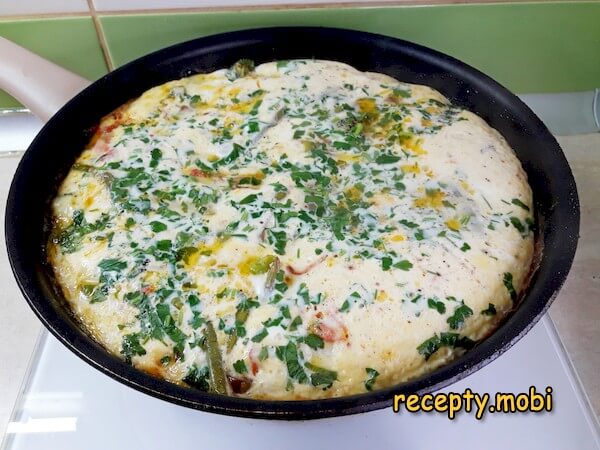
After that I chop the parsley and scatter it over the top of the omelet.

I cover the pan with a lid and turn the heat down to minimum. The omelet will begin to rise, and no liquid patches will be left.
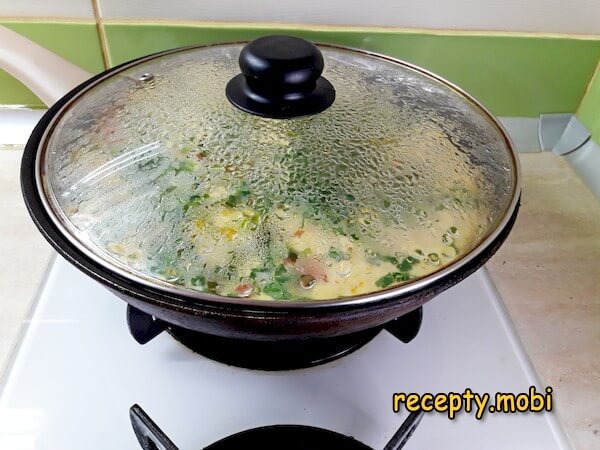
After about 5 minutes I take off the lid – the dish is ready.


Tips
- 1
Vegetables into cold water – the secret to colour. After boiling, shock the broccoli and beans in cold water and they stay bright green.
- 2
Cream into the eggs – the secret to tenderness. Milk gives a runny omelet. With 100 ml of cream to 6 eggs, the frittata turns out airy and creamy.
- 3
A moist centre – the secret of an Italian frittata. Overcook it and the omelet turns rubbery. The edges set, the centre still trembles a little – that is the ideal.
- 4
Under a lid on the lowest heat – the secret to cooking it through. No flipping, no baking – steam from above brings the top up to done. The same principle works for other kinds of omelets and frittatas.
FAQ
Which vegetables should I choose? +
Ideal are seasonal fresh vegetables (broccoli, green beans, eggplant, tomatoes – as in the list). Alternatives: a summer mix (zucchini, peppers, cherry tomatoes – about 350 g in total), an autumn one (pumpkin, spinach, mushrooms – 350 g), a spring one (green peas, asparagus, leeks – 350 g), a frozen "Mexican-style" or "spring" mix (350 g), or a single-vegetable version (broccoli only, 350 g). Fresh seasonal vegetables straight from the farm are the best option. Do not use watery overripe tomatoes (the frittata will run) or soft old eggplants (they taste bitter).
What can replace the cream? +
Alternatives: whole milk (100 ml – the frittata is less tender), sour cream at 10–15% (100 g – thicker but denser), coconut cream (100 ml – the vegan option), plain Greek yogurt (100 g – tangier), or milk plus butter (90 ml plus 10 g). Fresh cream at 20–33% is the best option. Do not use sweetened soy milk or sweet coffee creamers (they upset the balance), or kefir (the frittata will curdle). For the "Italian classic", cream at 20% or full-fat milk is a must.
How long does a frittata keep? +
In the fridge, in a tightly closed container, for 2 days. Any longer and the egg base loses its tenderness while the vegetables release water. Before serving, reheat it in the microwave for 1–2 minutes or in a covered pan for 3 minutes with the smallest amount of oil. I do not recommend freezing it, as the egg structure will separate. A fresh frittata is at its best 5–10 minutes after cooking (let it cool a little so it holds its shape). On the second day the flavour holds up, but the airiness is gone. Do not leave it at room temperature for longer than 4 hours, as eggs with dairy spoil quickly.
What to serve a frittata with? +
The Italian classic: with a slice of ciabatta and olive oil. With a couple of slices of prosciutto or bresaola. With a green rocket salad and a balsamic-and-olive-oil dressing. With fresh cherry tomatoes and mozzarella (a quick caprese). With basil pesto. With a cup of cappuccino or espresso for breakfast. With a glass of fresh orange juice. With a dry white wine (Pinot Grigio) for dinner. With green olives or capers. With grated parmesan on top. Alongside pasta served separately (a light start to lunch). For an "Italian weekend breakfast" – with a croissant and coffee. It is a versatile hot dish for the family table.
- Comment
or post as a guest
Be the first to comment.