avg —
Julienne with Chicken and Mushrooms in the Oven

Instructions
Put the chicken fillet (or a boneless thigh/leg) into a pot of cold water, bring to a boil and skim off the foam with a slotted spoon. Reduce the heat to low, add salt to taste, drop in 3–4 allspice peas and cook for 20 minutes until fully done. Cold water gives a juicy, tender result – hot water “seals” the meat and it turns out dry in the finished dish.
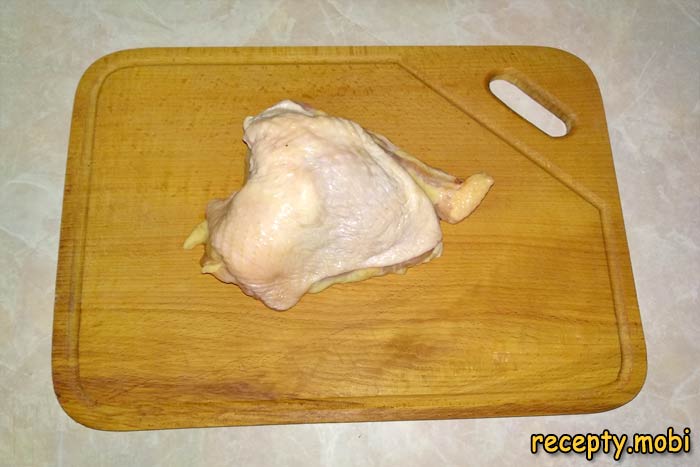
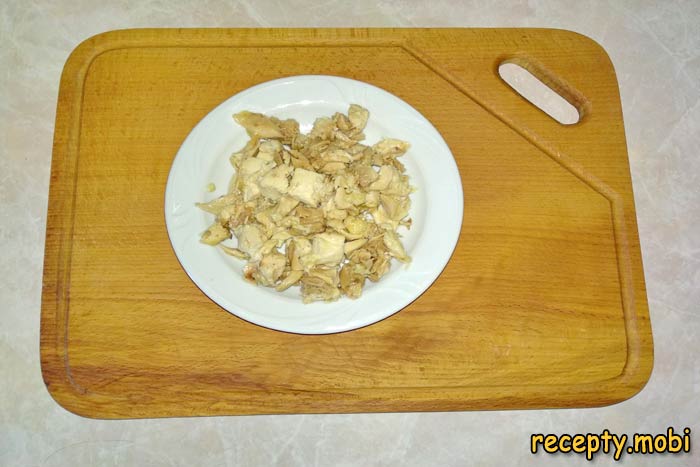
Let the cooked chicken cool completely in the broth for 15–20 minutes – this way it soaks up moisture and will not dry out. Then remove the skin and bones (if you used a leg) and cut the meat into small 0.5 cm cubes. As an alternative, shred it with two forks for a more “homemade” texture. A fine cut works better in individual cocottes.
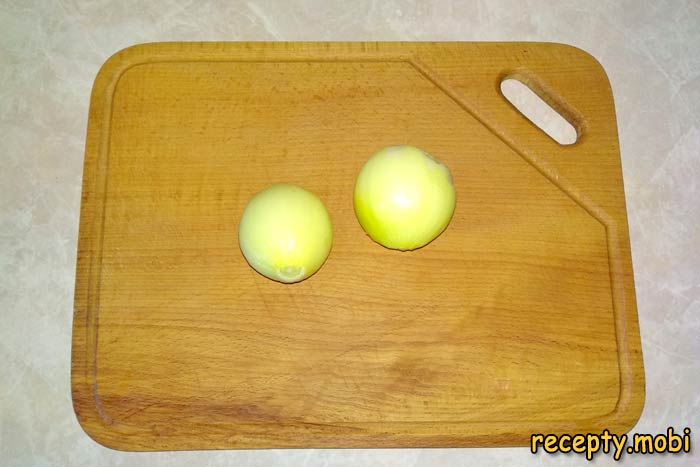
Prepare two medium onions – peel off the skins and wash them thoroughly under cold water. Use good, firm onions without sprouts – limp ones give the sauce a harsh, sharp taste. The onion works as an aromatic base in julienne, so do not skimp on quality.
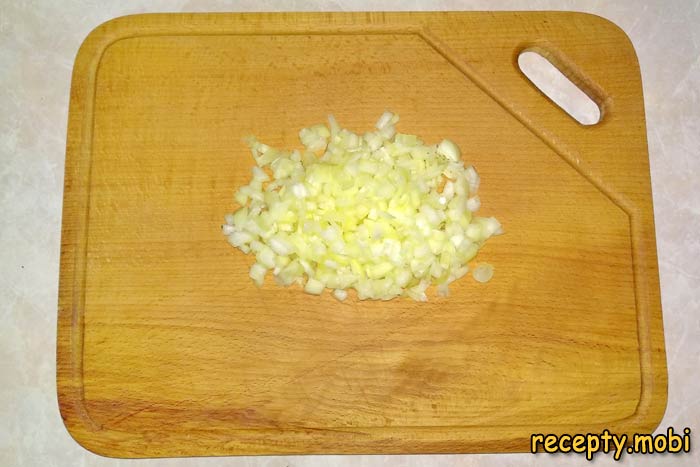
Chop the onion into small 3–4 mm cubes – cut this fine, it “dissolves” into the finished sauce and you will not feel separate pieces. A coarse cut leaves chunks of onion in the delicate julienne and spoils the restaurant presentation. Small cubes are the key to a harmonious sauce.
Clean 300 g of fresh champignons thoroughly with a brush to remove any soil – do not wash them in water, or they will soak it up and “stew” in their own juices. If you use frozen champignons, do not thaw them in advance – drop them straight into a hot pan, let the water evaporate, then carry on frying.
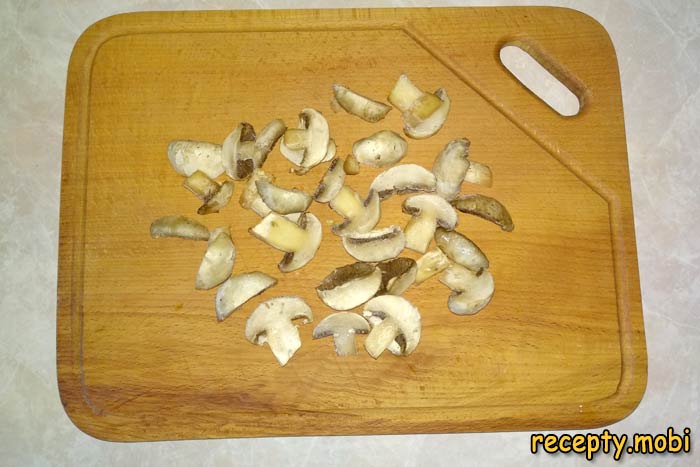
Cut the mushrooms into medium slices of 3–5 mm or 1 cm cubes – this size looks attractive in the finished julienne. Cut too small, the mushrooms turn to “crumbs” while frying; cut too large, they leave chunks in the delicate sauce. A medium size is the optimum for this French dish.
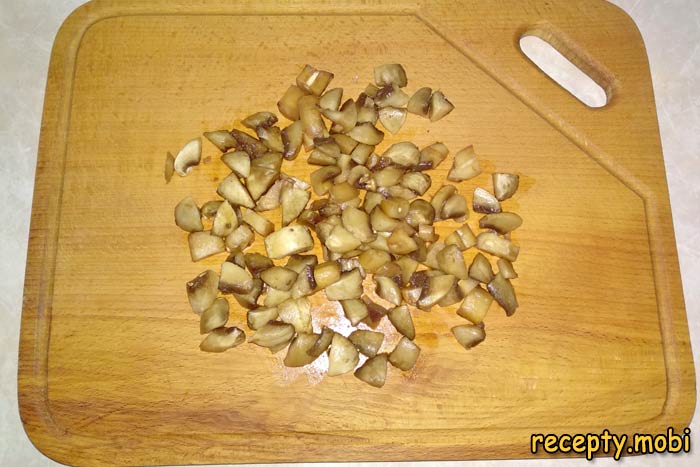
Place the mushrooms in a dry, heated pan and fry for 3–5 minutes until the mushroom liquid has fully evaporated – with no oil. Then pour in a little vegetable oil (1 tbsp) and let the mushrooms brown lightly for 2–3 minutes. Add the finely chopped onion and cook over medium heat until translucent, 5–7 minutes.
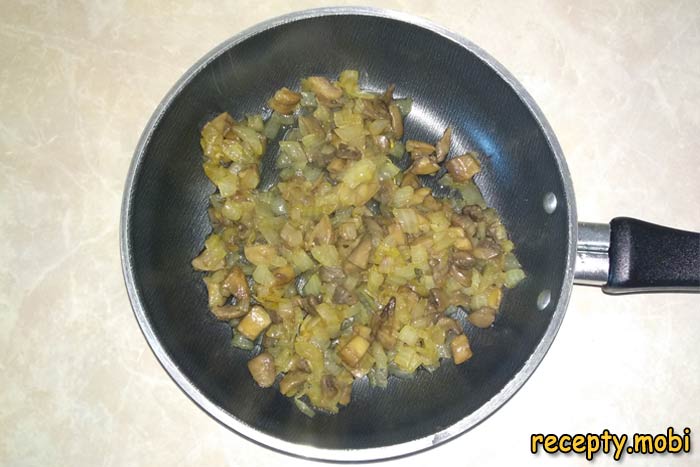
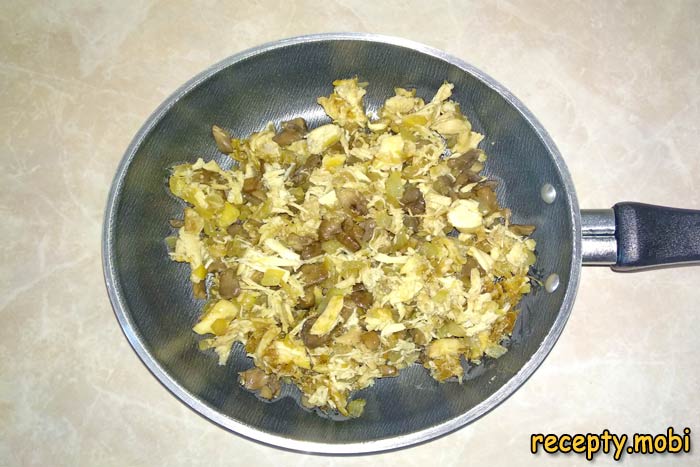
Add the cooked chicken to the pan with the onion and mushrooms. Stir gently and let it stew for 2 minutes over low heat so the flavours come together. Do not overcook – the chicken is already done, and overcooking will make it tough.
Get the seasonings (salt, black pepper), wheat flour (1 tbsp) and 15% cream (200 ml) ready. Take the cream out of the fridge in advance so it reaches room temperature – cold cream “curdles” on contact with the hot mixture and spoils the sauce.
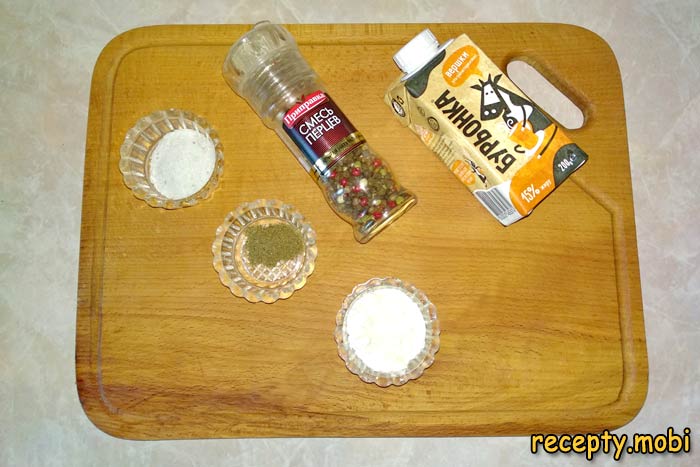
Sprinkle the sifted flour (1 tbsp) over the mushrooms, chicken and onion and mix thoroughly. Fry for 1–2 minutes over low heat – this is the secret step for a smooth, lump-free sauce. The flour should brown slightly in the mushroom juices and become fragrant – without this frying the sauce will have a raw, floury taste.
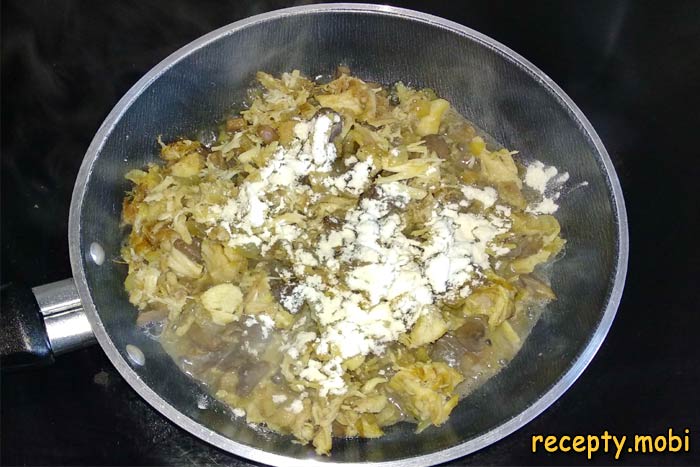
Pour the cream (200 ml) into the pan in a thin stream, stirring constantly with a spatula. Keep stirring for another 3–5 minutes – the sauce will start to thicken and take on a delicate, creamy consistency like béchamel. If the sauce turns out too thick, add 50 ml of milk or broth.
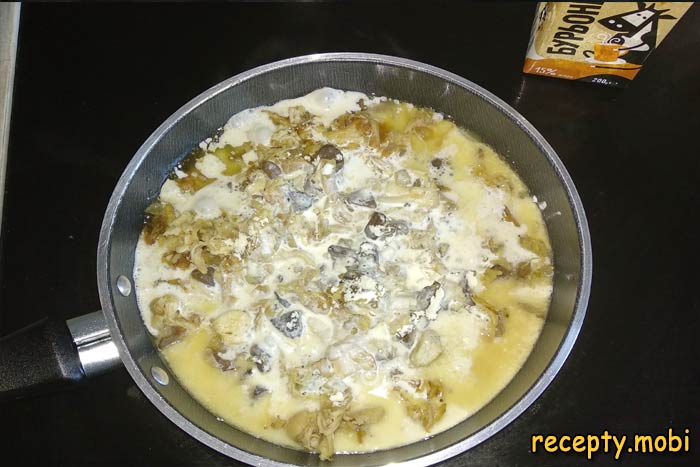
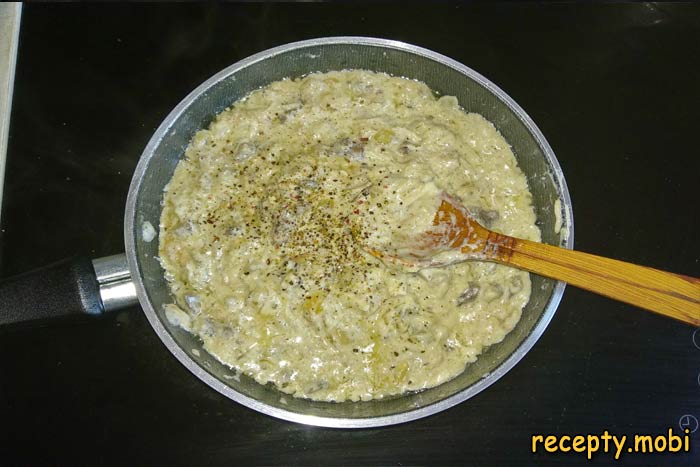
Salt and pepper the sauce to taste – do not overdo the salt, remember the chicken was already salted while cooking. Take the pan off the heat to stop the thickening. The finished creamy sauce with chicken and mushrooms should have the consistency of thick sour cream.
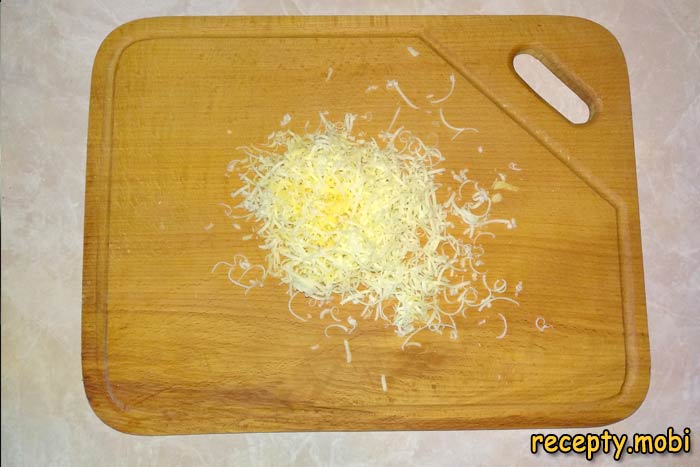
Grate 100 g of hard, easy-melting cheese on a coarse or fine grater – the format is not critical, the main thing is that the cheese melts well. Russian cheese, Gouda, Emmental and Maasdam are ideal. Do not use Parmesan – it does not melt into a nice crust and stays “dry”.
Spoon the finished chicken-and-mushroom filling into individual ceramic cocottes or small ceramic ramekins. Fill each cocotte about three-quarters full – leave room on top for the cheese crust. Use ceramic or heatproof glass dishes – plastic ones will melt in the oven.
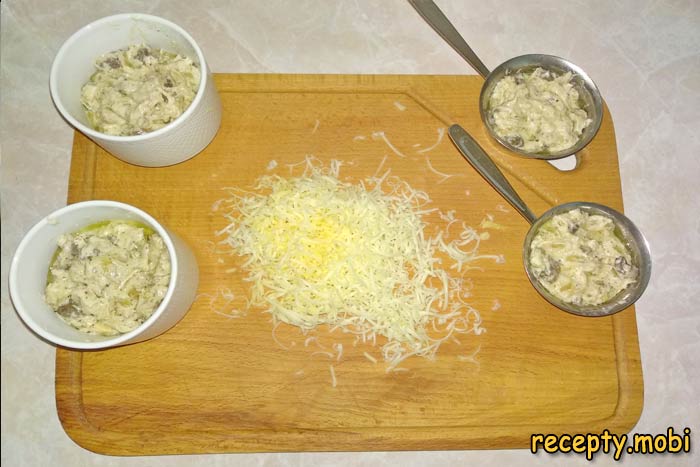
Generously sprinkle each cocotte with grated cheese – there should be enough to form a solid “lid” of melted cheese. Do not skimp – the cheese crust is the main feature of julienne. You can press the cheese down lightly with a spoon for density.
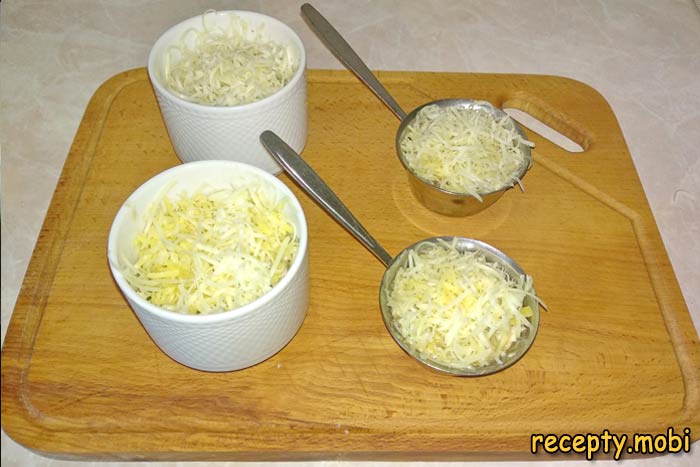
Put the cocottes on a baking tray and place them in an oven preheated to 220 °C with the upper grill switched on. Bake for 15–30 minutes until a golden, browned crust forms on the cheese. The time depends on your oven – watch it visually, the crust should be a “caramel” colour. Serve the cocottes hot, with the metal handles wrapped in a paper napkin – a “restaurant” serving. The julienne with chicken and mushrooms in the oven is ready!
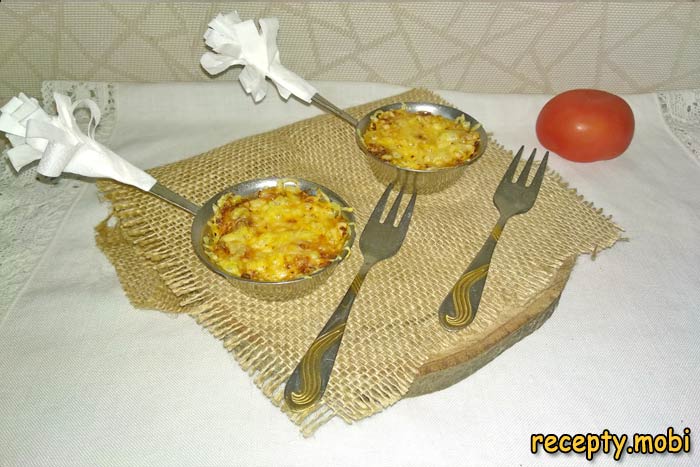
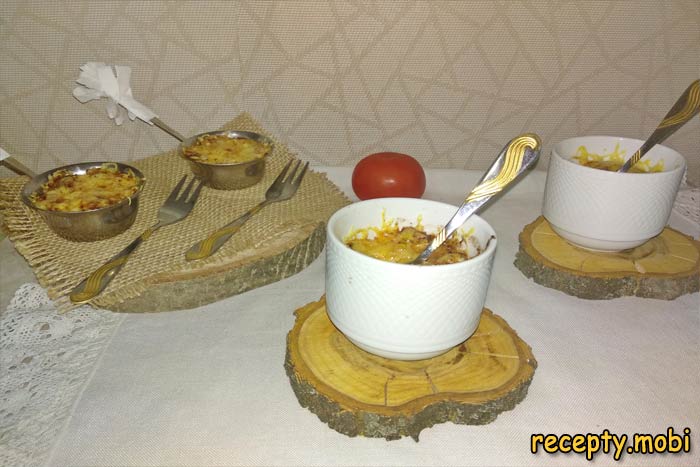
For big fans of the dish, you can put a double portion of julienne into large ramekins. If you have no cocottes, small deep ceramic dishes or crème brûlée moulds will do. It is a versatile dish that looks just as good served in different forms.


Tips
- 1
Fry the flour with the mushrooms for 1–2 minutes BEFORE adding the cream – this is the secret to a smooth sauce with no lumps and no floury taste.
- 2
15% cream is the optimum – with 10% the sauce will not thicken, with 20–30% it will be too rich and heavy. 15% is the “golden mean” for julienne.
- 3
Prepare the filling in advance and spoon it into the cocottes, but sprinkle the cheese and bake just before serving. I use a similar approach for mushroom julienne.
- 4
Use easy-melting cheeses (Russian, Gouda, Maasdam) for a beautiful golden crust – Parmesan or hard, dry cheeses will not give the same effect.
FAQ
What can I use instead of cream in the recipe? +
Suitable substitutes are: 3.2% milk + 50 g of butter (gives a similar fat content), 15–20% sour cream (a more “Russian” option, tangier), or unsweetened Greek yoghurt (a lighter version). For a lean version, use coconut cream or plant-based cream made from oat or almond. Each substitute changes the taste of the sauce. 15% cream is the most “correct” classic choice for julienne. Among the richer options is 33% cream (but the sauce will be very heavy, so dilute it with milk 1:1). Whole milk on its own is not suitable – the sauce will not thicken.
Which mushrooms work besides champignons? +
Fresh wild mushrooms are ideal: porcini (a French-cuisine classic, the most “refined” julienne), red-cap and birch boletes, or chanterelles (with a fruity aroma). Among cultivated kinds, there are oyster mushrooms (a meaty texture) and portobello (large brown champignons). You can use a 50/50 mix of mushrooms for an interesting, many-layered aroma. Dried porcini (50 g dried) are a winter option – soak them in warm water for 30 minutes, chop them and add them together with the fresh champignons to boost the aroma.
How long does the finished julienne keep? +
Finished baked julienne keeps in the fridge for up to 2 days in a tightly closed container. Before serving, reheat it in the oven for 5–7 minutes at 180 °C to restore the crisp cheese crust. I do not recommend reheating in the microwave – the cheese goes soggy and the crust is lost. You can also make the filling in advance and keep it in the fridge for up to 1 day in a tightly closed container, then bake it with the cheese right before serving. This is handy for entertaining – prepare ahead, assemble at the last moment.
What to serve julienne with? +
It is ideal as a hot appetiser before the main course, or as a stand-alone main dish with a light vegetable salad. For salads – Caesar with chicken, Greek salad, or a simple vegetable mix with a vinaigrette dressing. For drinks – dry white wine (Chardonnay, Riesling), semi-dry rosé, brut champagne, or a non-alcoholic cranberry drink. For a festive table, serve it in individual ceramic cocottes with the handles wrapped in a napkin for a “restaurant” presentation. It is perfect for New Year, a birthday, a romantic dinner or entertaining guests.
- Comment
or post as a guest
Be the first to comment.