avg —
Italian Polpette

Instructions
I prepare the chicken mince from skinless, boneless thighs, putting the meat through a mincer with a fine grille. Unlike classic cutlets, I do NOT add onion or garlic to polpette – they are not typical of the Italian recipe. The mince should have a clean flavour of chicken and cheese.
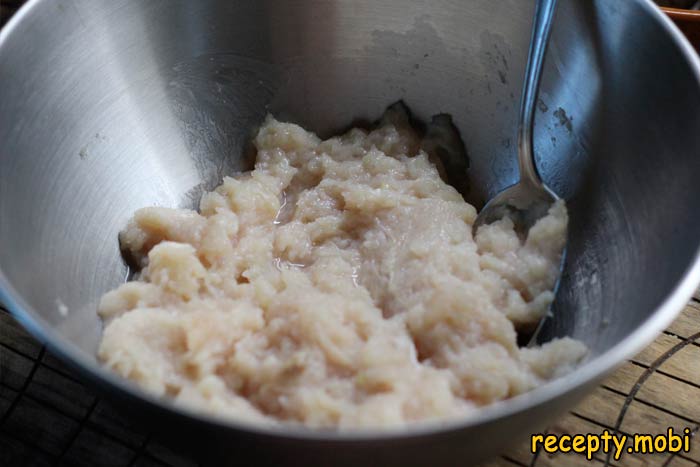
I beat one room-temperature egg into the mince, add salt and freshly ground black pepper to taste. The egg binds the mince and prevents the meatballs from falling apart during frying. Room temperature matters: a cold egg does not distribute well through the mince.
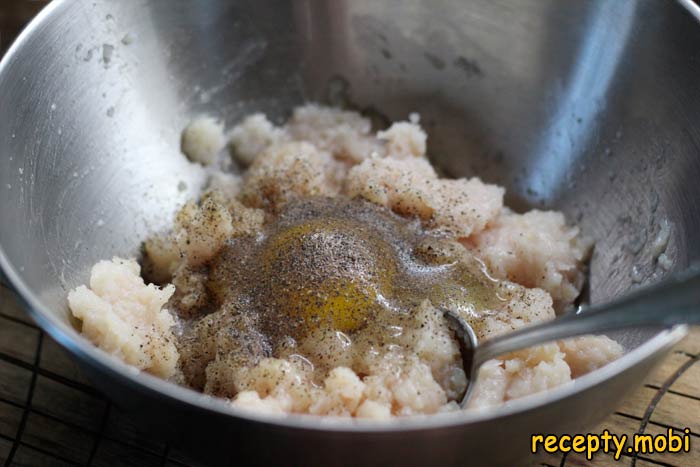
I add 2 tablespoons of breadcrumbs and finely chopped fresh parsley. The breadcrumbs soak up the excess moisture from the mince and make the meatballs firm, while the parsley adds that characteristic "Italian" green note. Without parsley, polpette are not polpette.
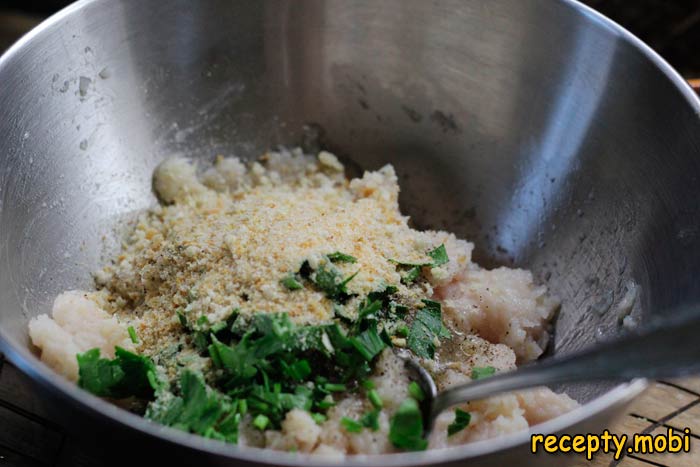
I add the paprika (a classic Italian seasoning for meat) and grated hard cheese. The ideal choice is Parmigiano Reggiano for authenticity, but Maasdam, Grana Padano or an ordinary firm cheese will also work. The cheese gives a characteristic umami accent.
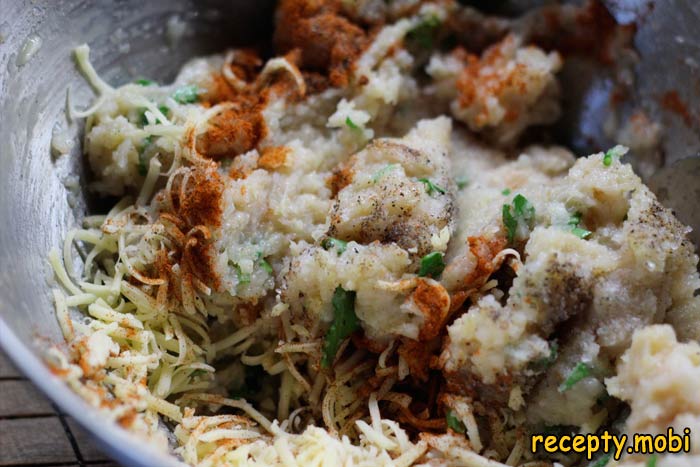
I thoroughly mix the mince by hand for 3–5 minutes until smooth and leave it for 15 minutes at room temperature. During this time the breadcrumbs absorb the moisture, the chicken protein "binds" with the salt, and the spices distribute evenly – the polpette will be tastier and firmer.
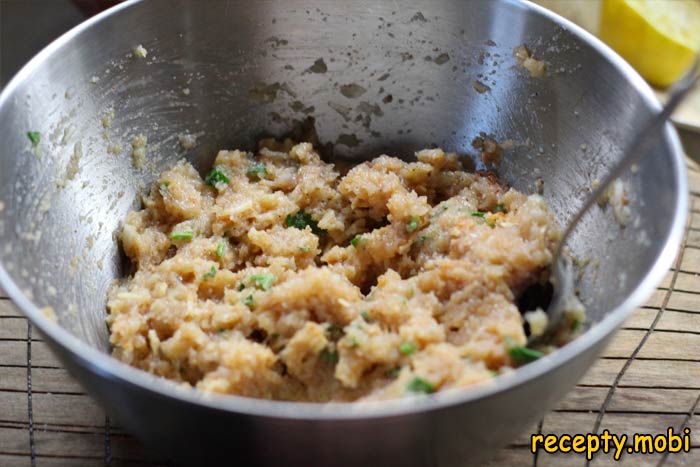
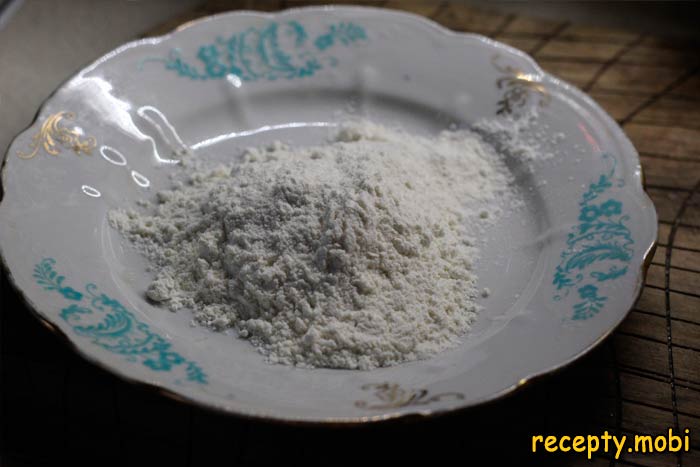
I shape the meatballs with wet hands to the size of a walnut (3–4 cm in diameter). Damp hands keep the mince from sticking. I roll each meatball in wheat flour on both sides – the flour creates a protective "coat" during frying and keeps the juices inside.
I fry the polpette in heated vegetable oil over medium heat. I lay out the batch straight away – without piling the meatballs on top of one another, otherwise they will "steam" rather than fry. Leave 1–2 cm between them for even frying.
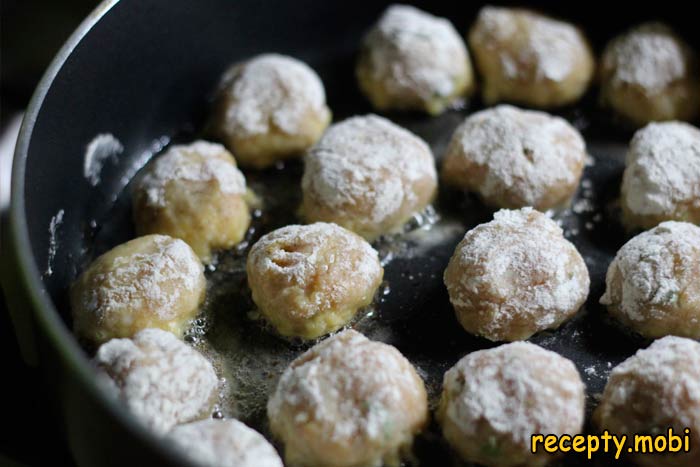
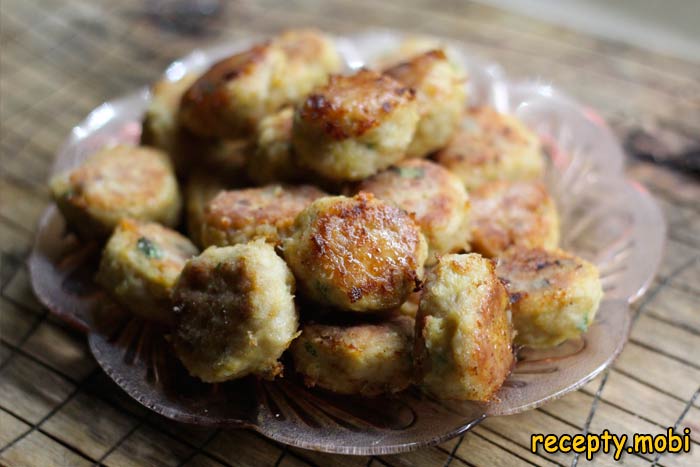
I fry the polpette for 3–4 minutes on each side until a golden crust forms all over. I turn them carefully with a fork or special tongs so as not to spoil their shape. Four sides in total (top, bottom and two sides) – 12–16 minutes of total time.
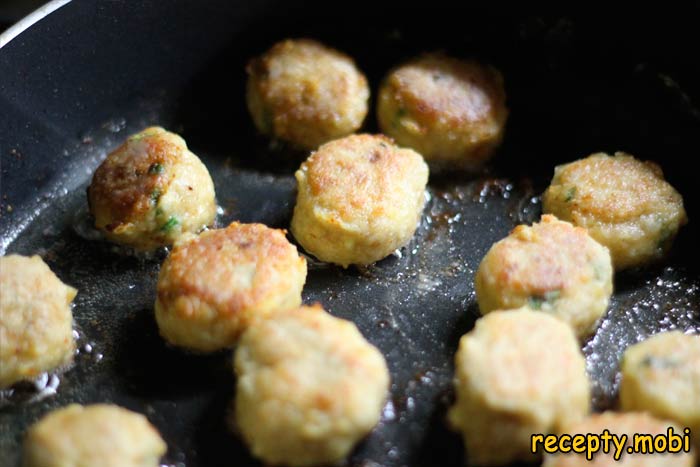
The polpette are ready! I serve them with tomato sauce (the classic) or a creamy mushroom one, alongside spaghetti, pasta or fried polenta. For an appetiser presentation – on skewers with Parmesan cheese and cherry tomato halves. The Italian dinner is ready.


Tips
- 1
The breadcrumbs can be replaced with a crustless bun soaked in milk – it gives an even more tender texture to the meatballs.
- 2
Mince made from chicken thighs is much juicier than breast mince – always choose thighs for polpette.
- 3
Serve with pasta, rice, polenta or grilled vegetables – classic Italian sides. I follow a similar principle when making meatballs in tomato sauce.
- 4
You can additionally simmer the fried polpette in tomato or mushroom sauce for 10–15 minutes for even more juiciness.
FAQ
Can I bake the polpette in the oven instead of frying? +
Yes, bake them on parchment for 20 minutes at 180 °C – you get a lighter version with less oil. You can first fry them to a crust for 2 minutes on each side, then finish baking for 15 minutes in the oven – this way the crust stays crisp and the meatballs stay juicy inside. On a grill pan you get a nice "grid" pattern on the surface. In an air fryer at 180 °C – 15–20 minutes for a healthier cooking method.
What can I use to replace the chicken mince in the recipe? +
A 50/50 pork-and-beef mince works (a richer, "meatier" flavour), as does turkey (lean, tender), veal (the premium Italian option), or a 70/30 pork-and-beef mix (the classic Italian balance). Each mince gives its own character: chicken is mild, pork is juicy, beef is dense. Real Italian polpette usually use a mix of veal and pork – the golden mean.
How do I store the cooked polpette properly? +
In the fridge in a tightly closed container – up to 3 days without loss of quality. On the second day the flavour becomes even richer. Reheat in the oven for 5–7 minutes at 150 °C or in the microwave for 1–2 minutes. In the freezer, raw shaped meatballs keep for up to 1 month – fry them straight from frozen, adding 3–4 minutes on each side. A handy make-ahead for quick dinners.
What is best to serve polpette with? +
Classic Italian sides: pasta (spaghetti with tomato sauce is a legendary pairing, fettuccine with Parmesan, penne, tagliatelle), polenta (cornmeal porridge), risotto rice. For sauces – tomato marinara, creamy mushroom, creamy with Parmesan, basil pesto. For vegetables – baked aubergines, courgettes, sweet peppers. With polpette, be sure to serve a dry red wine (Chianti, Montepulciano) – a true Italian dinner.
- Comment
or post as a guest
Be the first to comment.