RU EN
Pork Ribs in a Multicooker
difficulty Hard
0 views this month
0 saved by readers
0 ratings
avg —
Main Dishes with Pork

Pork Ribs in a Multicooker

Juicy, tender and beautifully aromatic stewed pork ribs prepared in a multicooker leave nobody at the table indifferent. The dish suits both family suppers and casual dinner parties with friends, and works equally well served alongside potatoes as a complete main course or as a stand-alone protein with a simple green…
Time 80 minutes
Yield 3 servings
Calories 292 kcal
Difficulty Hard
Jump to recipe

Instructions

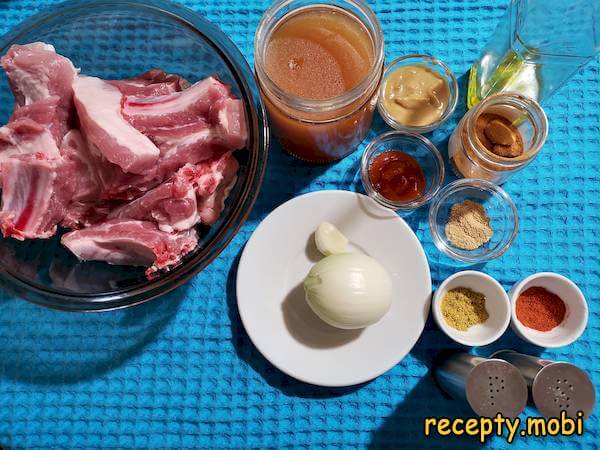
  1. Gather all the necessary ingredients on a clean work surface. Rinse the pork ribs thoroughly under cool running water and pat them dry with paper towels. Cut the rack into individual pieces or pairs that fit comfortably in the multicooker bowl. Peel the onion and garlic and set them aside ready for use later in the recipe.

    Step 1
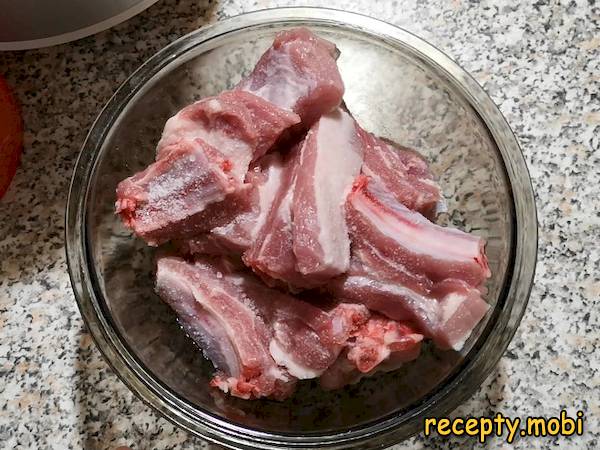
  2. Sprinkle one or two pinches of salt over the prepared pork ribs and toss everything together to season the meat lightly. Light salting at this early stage allows the flavour to penetrate the surface of the ribs during the brief frying step that follows in the multicooker.

    Step 2
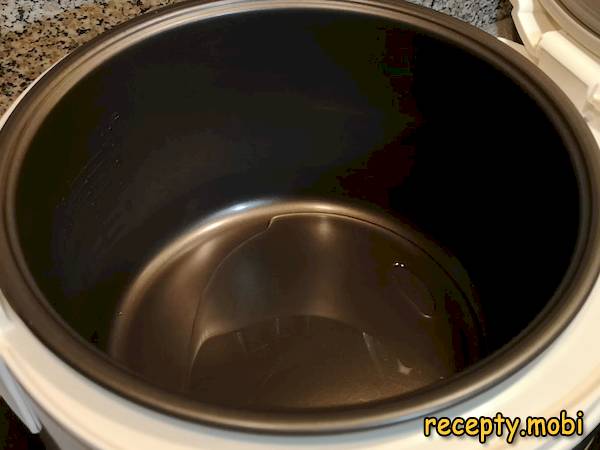
  3. Set the multicooker to the "fry" mode for about 20 to 50 minutes depending on the power of your particular machine, since some multicookers brown ribs faster than others. Pour a generous splash of vegetable oil into the bottom of the multicooker bowl and let it heat properly before adding the meat.

    Step 3
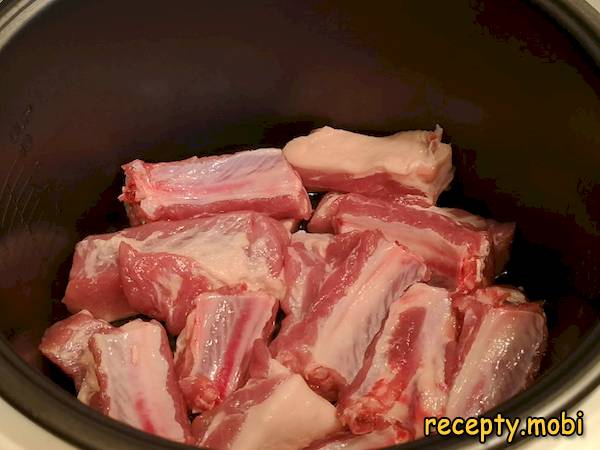
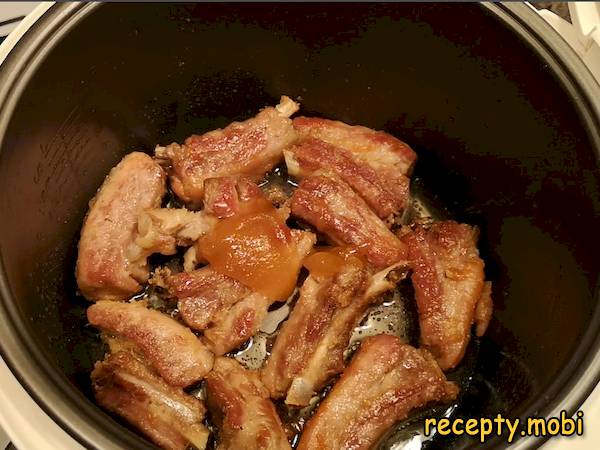
  4. Once the bowl is properly heated, place the salted pork ribs in to fry. If you have a particularly large quantity of ribs, fry them in batches on both sides until properly browned. Crowding the bowl prevents proper browning and produces pale steamed-looking ribs rather than the deeply caramelized exterior you want.

    Step 4
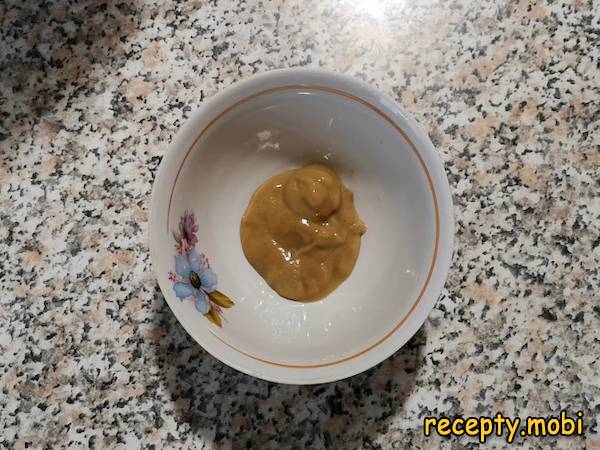
  5. While the ribs fry, prepare the savoury sauce in a separate small bowl. Start by measuring out 1.5 teaspoons of mustard into the bowl. Use either ordinary table mustard or a more pungent variety such as Dijon or Russian-style mustard depending on personal taste preference.

    Step 5
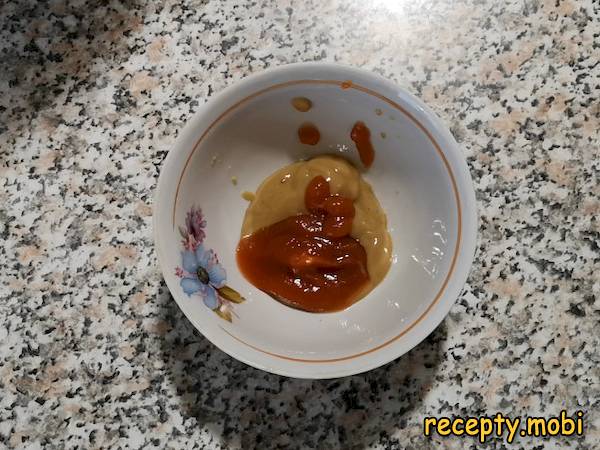
  6. Add 1 teaspoon of tomato paste to the mustard. Concentrated tomato paste works better than ketchup or pasta sauce here, since the paste contributes deep tomato flavour without the extra sweeteners and flavourings that other tomato products often contain.

    Step 6
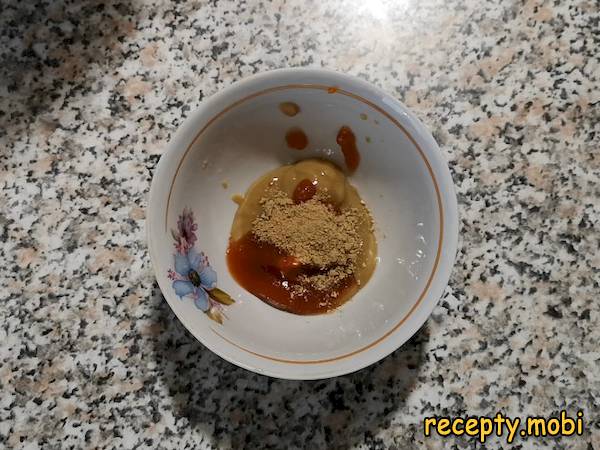
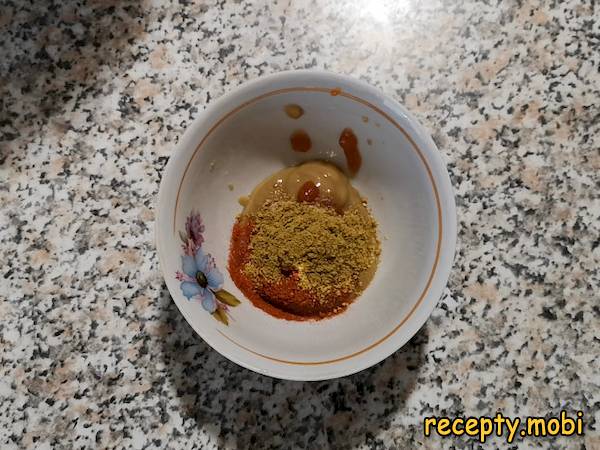
  7. Add half a teaspoon of ground ginger to the building sauce. Ground ginger contributes a warm gentle spice that complements the rich pork beautifully without overpowering the other flavours in the finished dish at the table tonight.

    Step 7
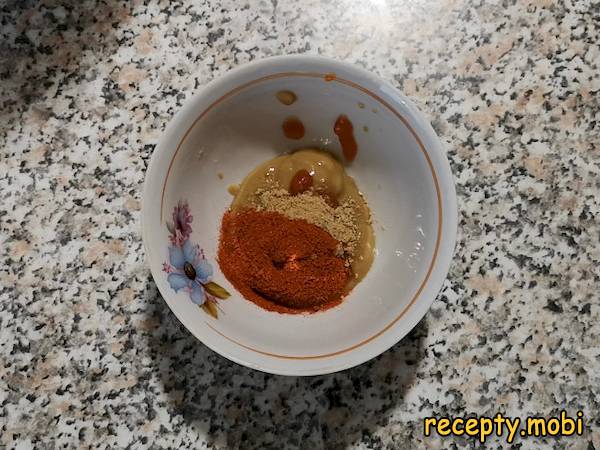
  8. Add half a teaspoon of paprika to the sauce. Sweet paprika gives the gentlest result, smoked paprika adds a more pronounced barbecue character, and hot paprika brings genuine heat for those who enjoy a spicier finished dish at the dinner table.

    Step 8
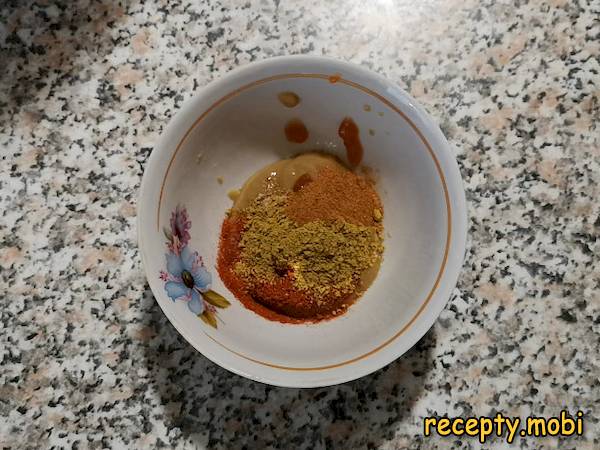
  9. Add half a teaspoon of curry powder to the sauce. The mild Indian-style spice blend rounds out the flavour profile and adds an appealing golden colour that works in beautiful harmony with the paprika and ginger already in the bowl.

    Step 9
  10. Add a quarter teaspoon of hot ground chilli pepper for a touch of warmth in the finished sauce. Adjust the quantity slightly up or down depending on personal heat tolerance. Even a small amount makes a noticeable difference to the final spice level on the plate.

    Step 10
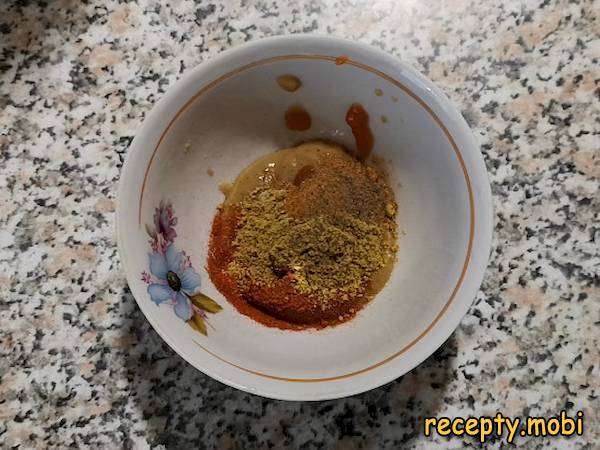
  11. Add one or two pinches of freshly ground black pepper to the sauce mixture. The black pepper provides a more aromatic warm note than the chilli powder added in the previous step and rounds out the seasoning of the sauce nicely.

    Step 11
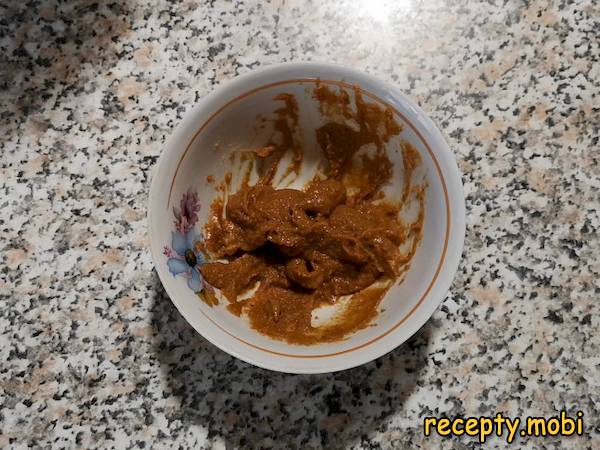
  12. Stir the sauce thoroughly with a small whisk or fork until completely homogeneous and uniformly coloured. The sauce should now have a thick paste-like consistency with all the spices fully incorporated into the mustard and tomato paste base for an even flavour throughout.

    Step 12
  13. Once the ribs are properly browned all over, add 2 teaspoons of honey directly to the multicooker bowl and stir to coat the meat. The honey caramelizes against the hot ribs and develops a deep glossy mahogany finish that transforms the appearance of the dish dramatically.

    Step 13
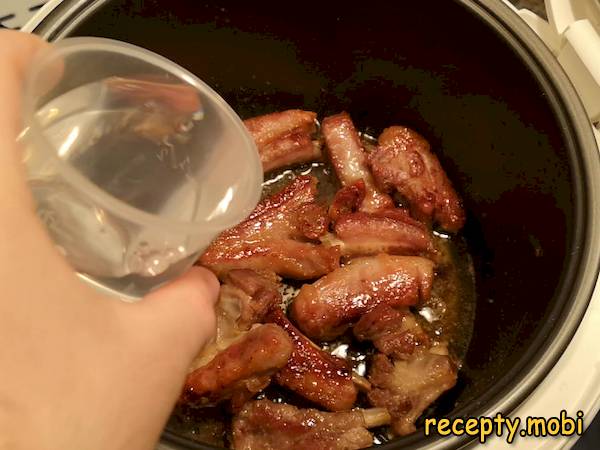
  14. Once the frying mode finishes its cycle, pour 1 multicooker measuring cup of boiled water into the bowl with the ribs. The added water creates the steam needed for the long stewing step that follows and prevents the meat from sticking or burning at the bottom of the cooking bowl.

    Step 14
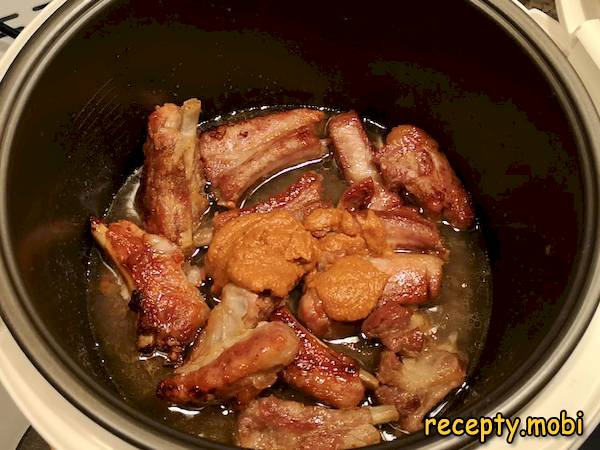
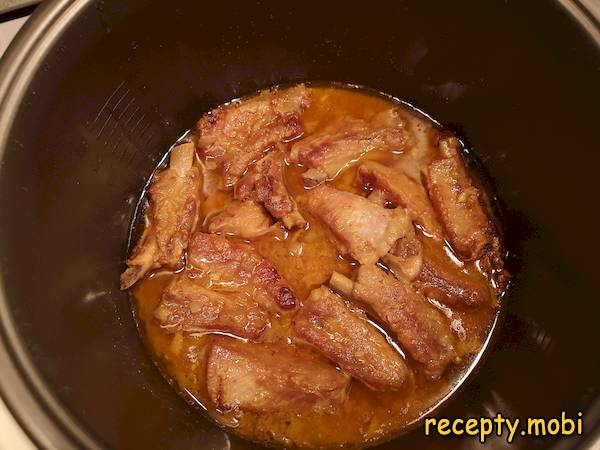
  15. Add the prepared spice sauce to the multicooker and stir everything thoroughly to coat the ribs evenly. Set the multicooker to the stewing mode for 50 to 60 minutes total. The long gentle stewing breaks down the connective tissue in the ribs and produces beautifully tender meat that practically falls off the bone at the dinner table later.

    Step 15
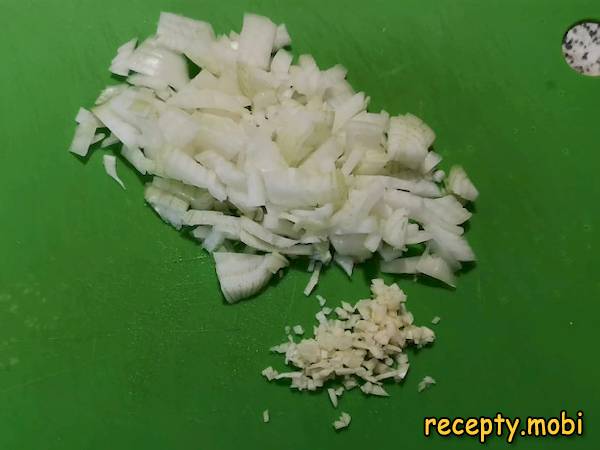
  16. While the ribs stew gently, finely chop the peeled onion and garlic. Smaller dice releases more flavour into the dish and dissolves more thoroughly into the broth as the soup cooks, leaving behind only the sweet savoury character rather than firm distinct chunks in the spoon.

    Step 16
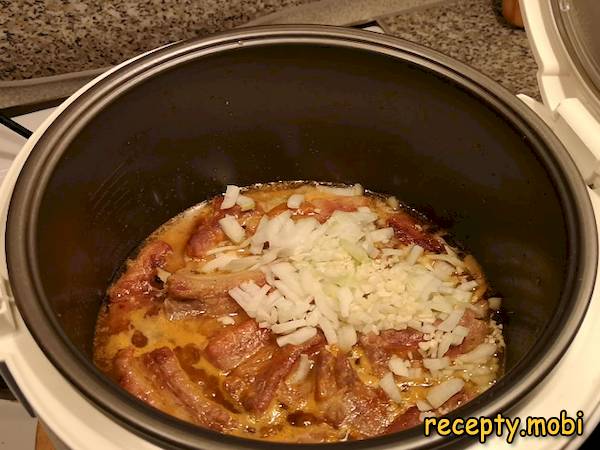
  17. After about 15 to 20 minutes of stewing, open the multicooker lid carefully (steam may escape) and add the chopped onion and garlic to the pork ribs. Stir everything together gently to mix the vegetables in with the meat. Close the lid again and let the stewing program finish out the remaining time.

    Step 17
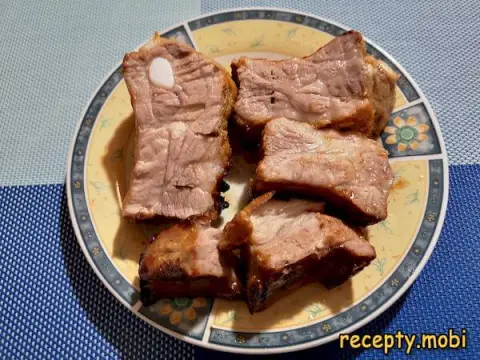
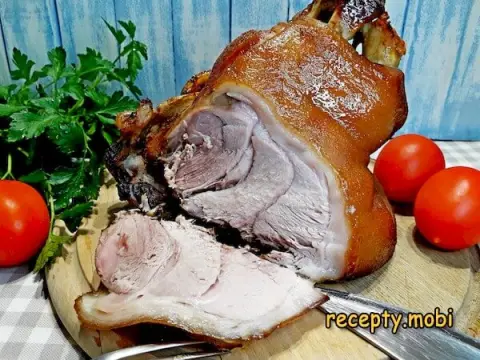
  18. Aromatic and beautifully juicy stewed pork ribs in the multicooker are now ready to serve. Arrange the ribs on a deep serving platter and bring them straight to the table while still steaming hot. Spoon over any remaining sauce from the multicooker bowl as a final glossy finishing touch. Bon appetit!

    Step 18

Tips

  • 1

    Choose meaty pork ribs with a generous layer of flesh on each bone, since bony ribs with very little meat produce a disappointingly sparse finished dish that struggles to feed the intended number of guests. The thicker the meaty layer, the more satisfying the finished ribs will be at the dinner table tonight, regardless of how flavourful the sauce or how clever the cooking technique.

  • 2

    Brown the ribs in batches rather than crowding the multicooker bowl, since proper browning needs direct contact between the meat surface and the hot oil. To pair these tender ribs with another oven-cooked meat dish for a properly impressive dinner, try our beautifully tender chicken with potatoes and zucchini in the oven as an alternative crowd-pleaser.

  • 3

    Add the chopped onion and garlic only partway through the stewing time rather than at the very start, since adding them too early would let them dissolve completely into the sauce and lose their distinct gentle bite. Adding them later preserves a hint of textural interest in the finished dish without sacrificing the depth of the rich onion-and-garlic flavour throughout the sauce.

  • 4

    Serve the finished ribs alongside fluffy mashed potatoes, steamed rice or simple boiled new potatoes for a properly satisfying main course meal. For another flavourful sauce-based meat recipe to add variety to your weekly menu, try our beautifully glossy chicken wings in sweet and sour sauce on the skillet as a finger-food appetizer alternative.

FAQ

Can I make this recipe without a multicooker? +

Yes, the same dish can be made in a heavy-bottomed Dutch oven on the stovetop or in a slow cooker with minor adjustments. For stovetop cooking, brown the ribs in a large frying pan, transfer to a casserole, add the sauce and water, then cover and simmer gently on low heat for about an hour. For a slow cooker, brown the ribs separately in a frying pan first, then transfer to the slow cooker with the sauce.

What can I substitute for honey? +

Brown sugar, maple syrup, golden syrup or even ordinary white sugar can all stand in for honey in this recipe with broadly similar results. Each substitute brings its own subtle flavour notes: brown sugar adds caramel depth, maple syrup contributes a gentle woodiness, and white sugar produces the cleanest neutral sweetness. Adjust the quantity slightly to taste, since some substitutes are noticeably sweeter than honey and may need slightly less to avoid an over-sweet final glaze.

How spicy is this dish? +

The standard recipe produces a mildly warm but not genuinely spicy dish that suits most palates. To make it spicier, double the hot ground pepper, add a teaspoon of crushed dried chilli flakes, or include a finely chopped fresh chilli alongside the other aromatics. For maximum impact, use smoked hot paprika instead of regular paprika and serve with a small bowl of extra hot sauce on the side for guests to add to their own taste at the table.

How long do leftover ribs keep? +

Store leftover ribs covered in an airtight container in the refrigerator for up to three days for best results. Reheat gently in the multicooker on the warming setting for about twenty minutes, or in a covered pan on the stovetop with a splash of water added to revive the sauce. The ribs also freeze well for up to two months in airtight portion-sized containers, which makes them ideal for batch cooking on a quiet weekend.

Write comments...
symbols left.
or post as a guest
Loading comment... The comment will be refreshed after 00:00.

Be the first to comment.