avg —
Kurze with Meat

Instructions
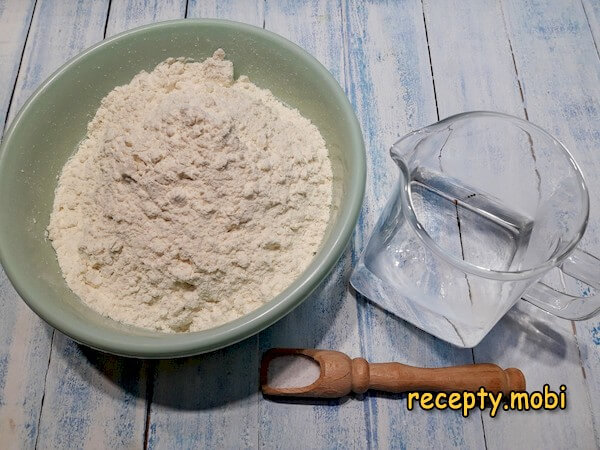
I set aside the ingredients for the dough. The water must be very cold, almost ice-cold — it is ice-cold water that gives the proper elastic dumpling dough, the kind that does not tear when rolled out thin.
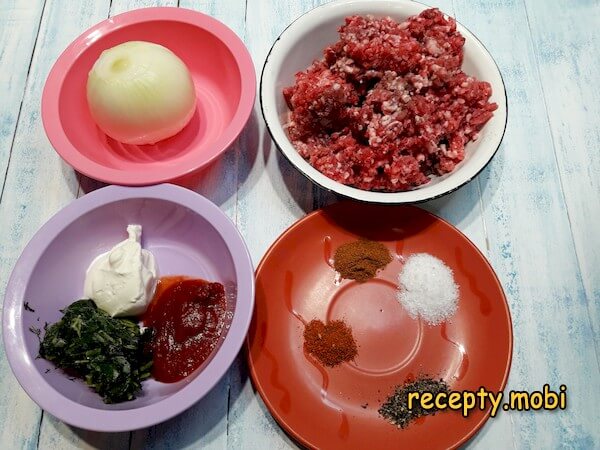
I prepare the ingredients for the filling. It is best if the sour cream has a low fat percentage — sour cream that is too fatty makes the filling oily and sticky.
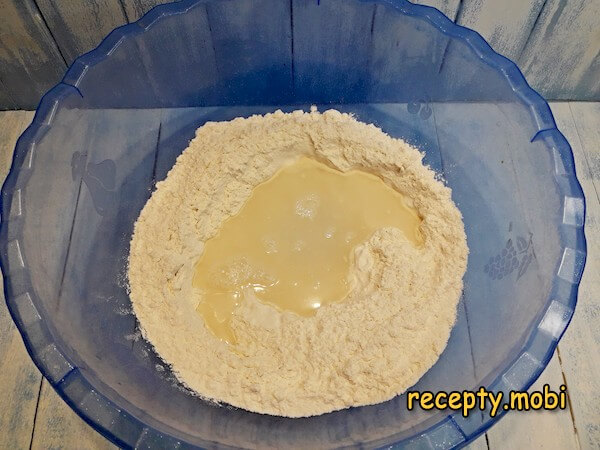
I start with the dough. I sift the flour into a deep bowl and mix it with the salt. Into a well made in the centre I pour the water — this is the classic "well" method.
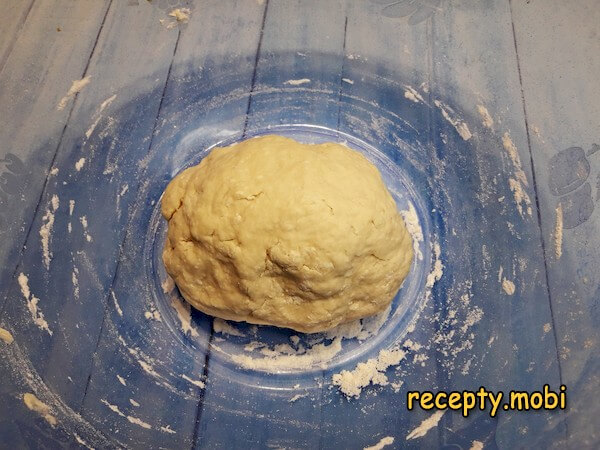
I begin to knead the mixture by hand. The dough is stiff and very tight — this takes real effort, at least 10 minutes of kneading. I gather it into a ball; its texture is not quite ideal yet, but it will reach the right condition later.
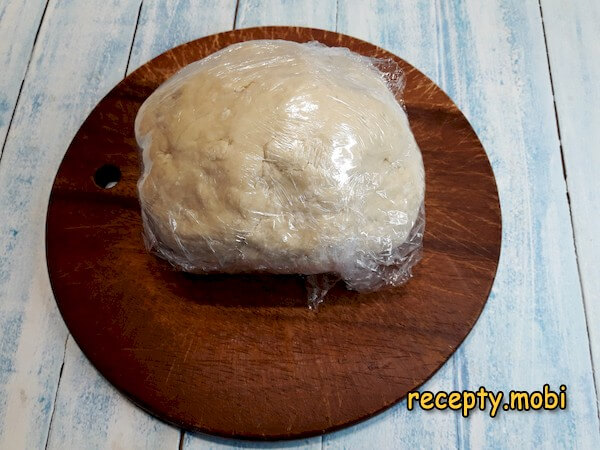
I wrap the ball of dough in cling film and leave it to rest for at least 40 minutes — this is the secret of elasticity: the gluten relaxes and the dough becomes pliable.
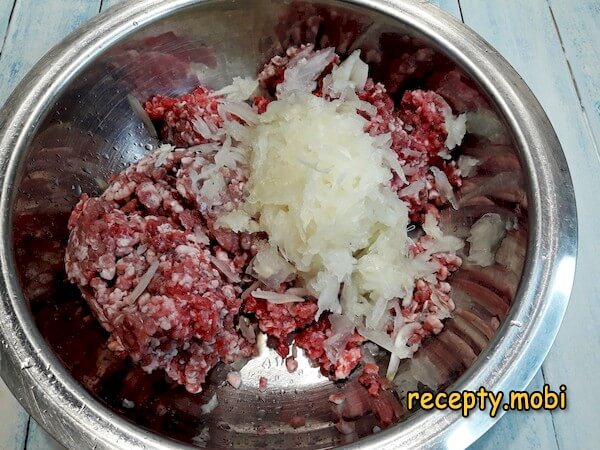
Meanwhile, I prepare the meat filling. I chop the onion by any method — either with an ordinary grater or by blitzing the pieces in a blender. I add the onion pulp to the mince — this is the secret of juicy Dagestani kurze.
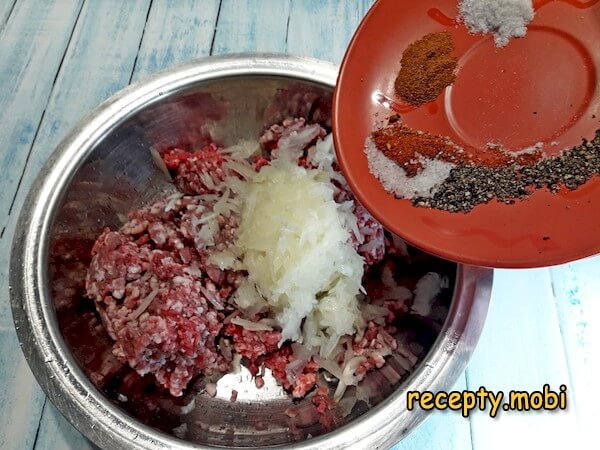
I add all the spices and salt there too — black pepper, hot red pepper, paprika, and salt for a rich, spiced profile.
I enrich the filling with sour cream, crushed tomatoes, and herbs — these are the three components that set the Dagestani filling apart from an ordinary dumpling filling.
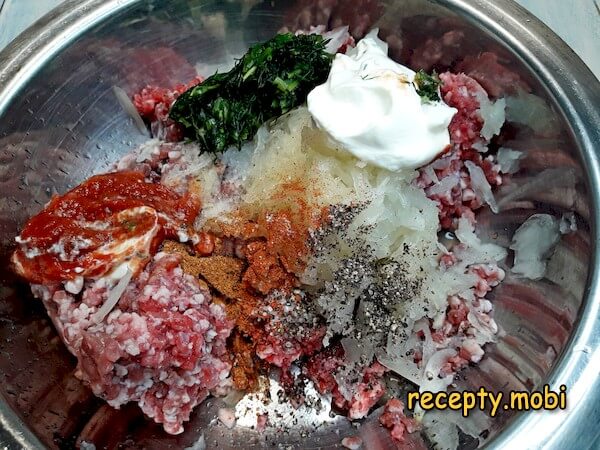
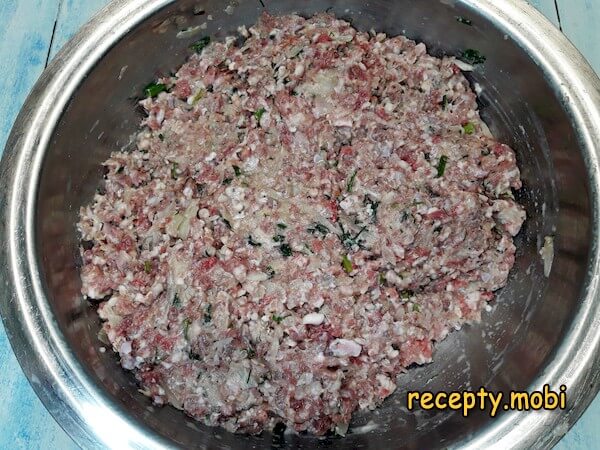
I mix the filling thoroughly and let it stand in the fridge for a little while (15 to 20 minutes) — chilling makes the filling firmer and easier to shape.
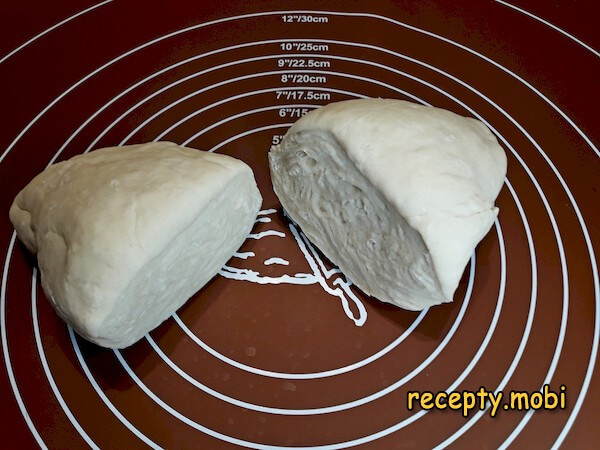
Once the dough has had its time, I knead it a little more — it has stayed tight but has gained elasticity and pliability. I divide it in half for easier rolling.
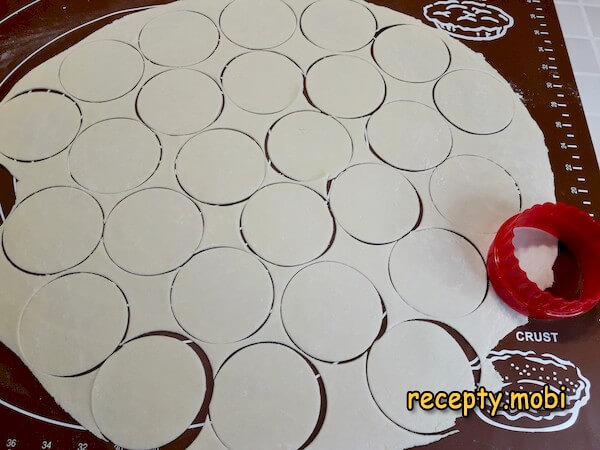
I tuck one half into a bag and roll the other half out thinly, to about 1 millimetre. With a glass or a special cutter 6 centimetres in diameter I cut out circles. I gather the scraps together and put them in the bag — they can be kneaded back into the dough and reused.
I place quite a lot of filling on the circle (about 1.5 teaspoons) — the thing is, the filling shrinks in volume after boiling, so you need to allow a little extra.
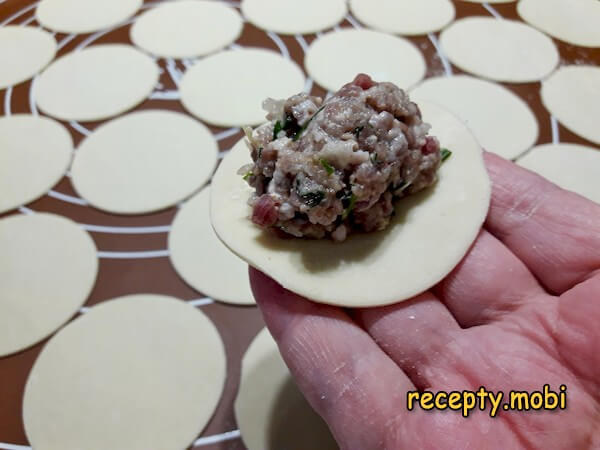
Next I start shaping the kurze. I take a circle and fold it in half to form a semicircle. I tuck one edge of this semicircle inward toward the filling.
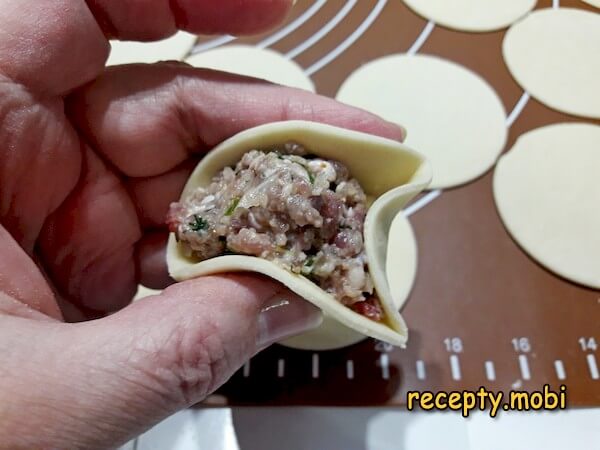
The next step is pleating the dough to create the kurze. I hold the piece between the fingers of one hand and, with the other, begin forming the pleats: a small fold on one side of the edge, then the same on the other. I keep alternating the pleats, working along the edge until I join the beginning and the end of the pattern. I aim to make the folds even for a neat, attractive result.
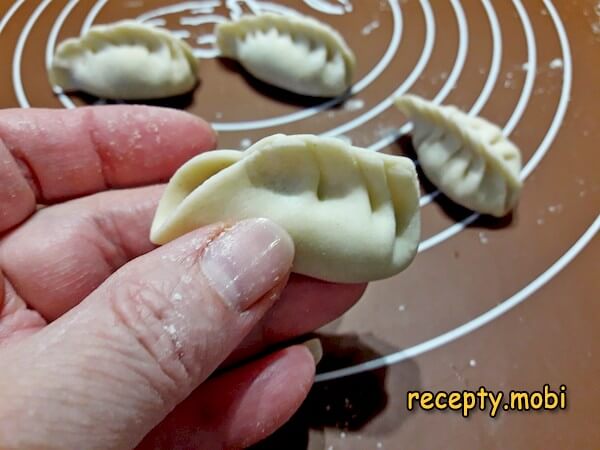
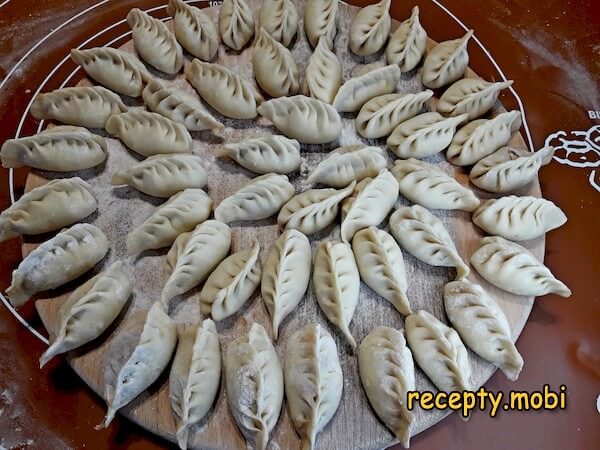
Right at the end I form a sharp tip on the kurze. The result is the shape of a droplet or a little leaf — the "gyurza" pattern on top and a sharp "tail" at the end.
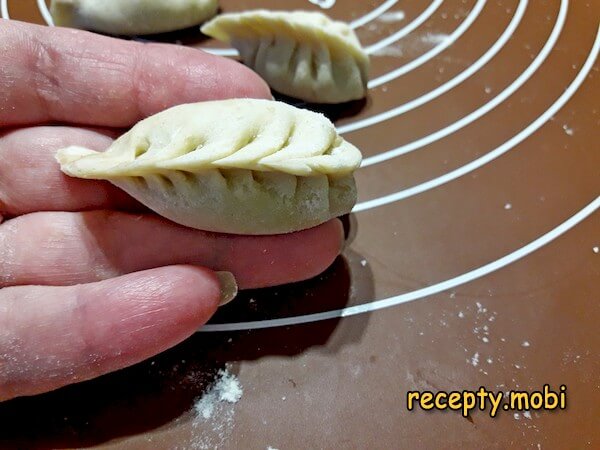
I lay the finished Dagestani dumplings on a board dusted with flour — the flour stops the kurze from sticking to the board and losing their shape.
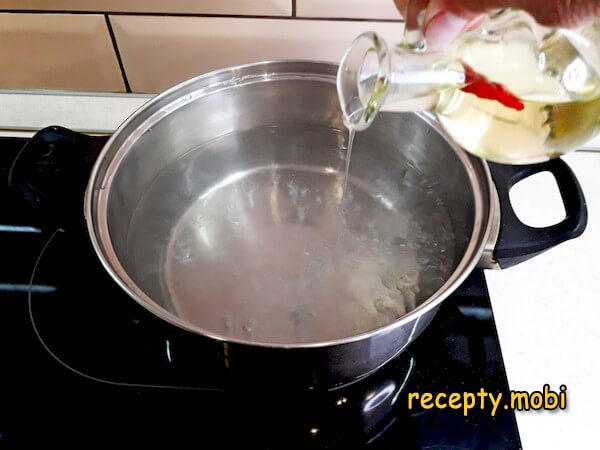
I put a pot of water on the heat. I choose a pot large enough for the kurze to float freely without sticking together. Once the water boils, I salt it and pour in a little vegetable oil — this gives extra protection against sticking.
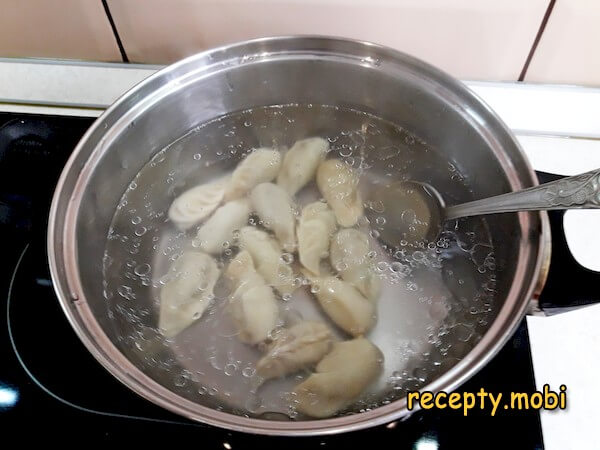
I lower a few pieces into the boiling water and gently stir, setting the water moving in a circle. Then I add a few more, and so on. But the total number of dumplings should not be large, so they do not pile up in a second layer on top of the lower ones.
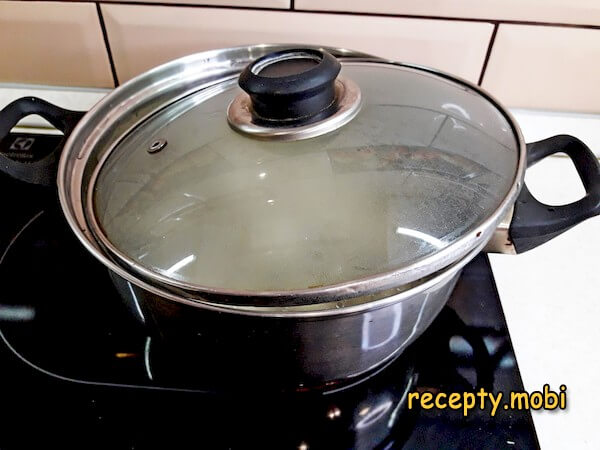
I cover the pot with a lid, leaving a small gap for the steam to escape. I stir the pieces from time to time — so they do not stick to the bottom or scorch.
As soon as the first signs of boiling appear, I remove the lid. I boil the kurze for 5 minutes — exactly 5 minutes, otherwise the dough overcooks and the filling leaks out.
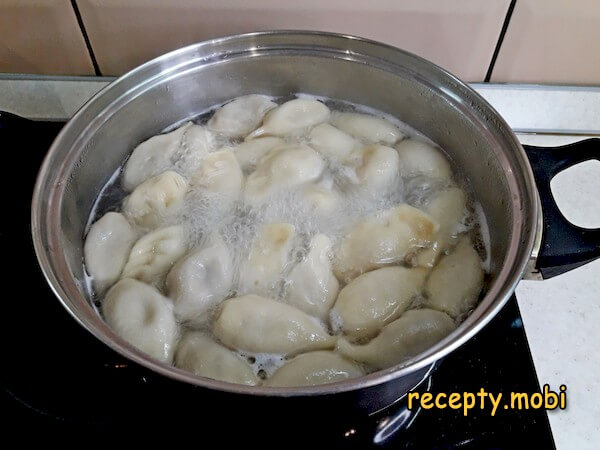
The finished Dagestani dumplings swell by the end — I lift them out with a slotted spoon. Ready kurze float to the surface, which is the "indicator" of doneness.
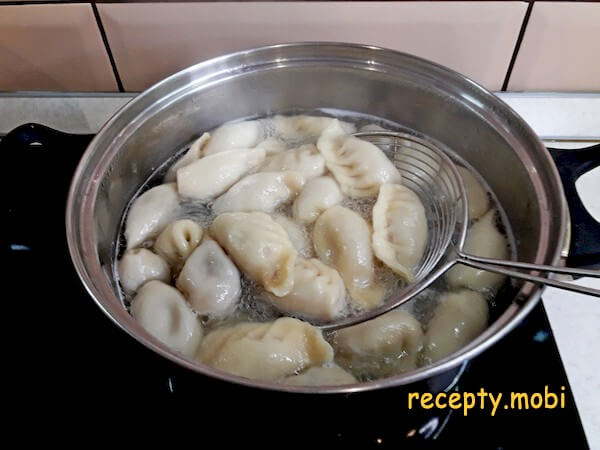
The vegetable oil has spread evenly through the water and coated the pieces, but it is still worth adding a few pieces of butter to the plate of kurze — for a rich, buttery aroma when serving.

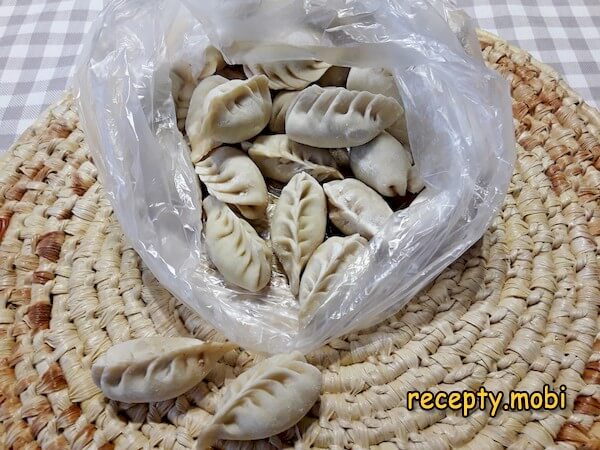
You can freeze some of the pieces, laying them out in an even layer in the freezer and then transferring them to a bag once frozen. There is no need to thaw the kurze when cooking — I drop them straight into boiling water and cook them the usual way.


Tips
- 1
ICE-COLD WATER is the secret of elastic dough. Warm water gives a "slimy" gluten that stretches poorly and cracks during pleating. Ice-cold water develops the gluten slowly and evenly — the dough comes out strong and elastic, and rolls out thin to 1 mm without tearing. This is the secret of all real dumpling doughs.
- 2
SOUR CREAM AND TOMATOES IN THE FILLING are the secret of Dagestani juiciness. These ingredients are not added to ordinary dumplings. In Dagestani kurze, the fermented sour cream and tart tomatoes make the filling unusually tender and juicy — the meat does not dry out during boiling but keeps the maximum of its juices. This secret sets kurze apart from European dumplings and brings them closer to Asian meat-and-potato manti.
- 3
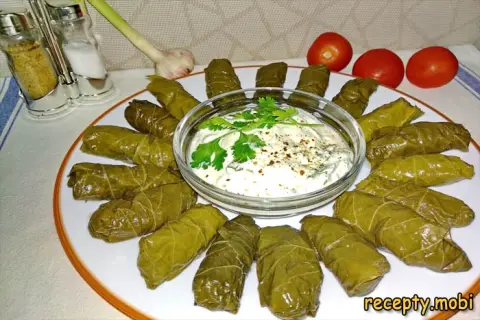
THE "GYURZA" SEAM is the secret of the authentic shape. The ornate braided stitch along the top of the kurze is not merely decorative. It seals the dough firmly and keeps the filling from leaking out during boiling. Besides, the droplet shape with its sharp tip and lush pattern sets kurze apart from any other dumplings in the world. Grape-leaf dolma is made by the same principle of handcrafted work — it too is an art made by hand.
- 4
FREEZING A BATCH AHEAD is the secret of a lazy dinner. Of the 65 pieces, half go to dinner and the other half into the freezer for future meals. There is no need to thaw the kurze when cooking — straight from the freezer into boiling water, with the cooking time increased by 1 to 2 minutes. This is the secret of a 7-minute dinner on the next working day.
FAQ
What are kurze and where are they eaten? +
Kurze are national Dagestani dumplings, common in Dagestan, Chechnya, Ingushetia, and partly in Azerbaijan. The name comes from the word "gyurza" (a kind of snake) — because of the characteristic "snake-like" seam along the top of each piece. Kurze come in different kinds: with meat (the classic), with curd cheese and herbs, with potato and onion, and with pumpkin (sweet). Each variant has its own regional "dialect" of seam. At large Dagestani celebrations it is customary to make kurze as a whole family — it is both a social event and the preparation of food at the same time.
Can I replace the veal with another meat? +
Authentic Dagestani kurze use lamb or veal (or a 1:1 mix of the two). Alternatives: beef (a more "European" character with a neutral flavour), chicken mince (a diet option), or a mix of lamb and beef in a 1:2 ratio (a compromise). Pork is not suitable — for religious reasons in Dagestan. The main rule is that the mince should be fatty enough (15 to 20 percent fat) for a juicy filling. Mince that is too lean will make the kurze dry even with the sour cream and tomatoes.
How long do kurze keep? +
Raw on a board under cling film — no more than 2 hours at room temperature. Raw in the freezer (spread on a board, frozen, then transferred to a bag) — up to 3 months. Cooked in the fridge in a sealed container with sauce — up to 2 days. Before serving I reheat them in a pan with a little butter, or in the microwave for 1 to 2 minutes. It is best to cook them in portions from frozen — fresh kurze from the freezer are ready to serve in 7 minutes. This is a handy "make-ahead" food for a busy week.
What do you serve with kurze with meat? +
The authentic Dagestani way is with a garlic and sour cream sauce (crushed garlic + sour cream + salt) or a tomato sauce. They are generously sprinkled with fresh herbs (cilantro, parsley). On the side: pickled vegetables, fresh lavash, and fermented-milk drinks — ayran, tan, matsoni. On a large Caucasian table, kurze are served as one of the main dishes after the hot meat courses. For drinks: black tea with lemon, homemade red wine. For a children's dinner: served with plain sour cream and ketchup, without the hot pepper in the filling.
- Comment
or post as a guest
Be the first to comment.