avg —
Mac and cheese (American style macaroni and cheese)

Instructions
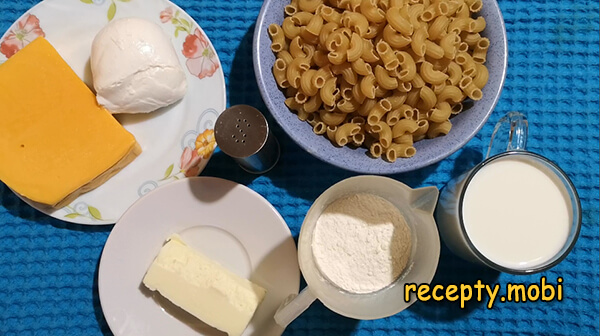
I get the ingredients ready for the mac and cheese. Traditionally I use macaroni in the shape of small corkscrews with a hole down the middle. Mozzarella cheese is needed to give the sauce extra stretch.
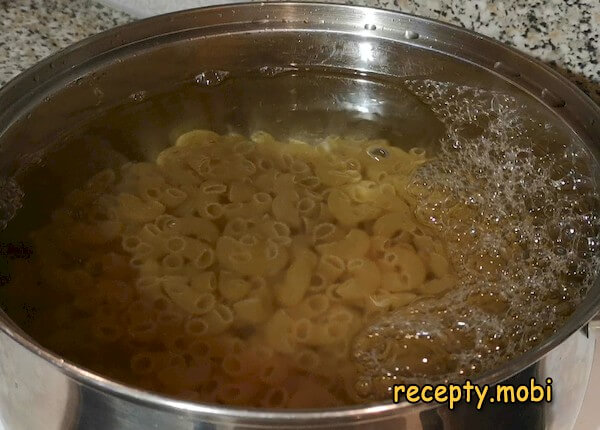
I put the macaroni on to cook straight away (I tip it into the pan once the water, which should be salted beforehand, has come to the boil). Once the corkscrews return to the boil, I cook them for about 20 minutes (this depends on the manufacturer, so check the recommendations on the packet).
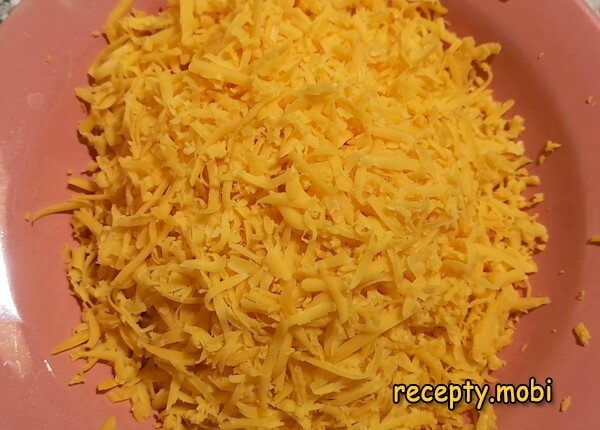
I coarsely grate the Cheddar (or any other hard cheese).
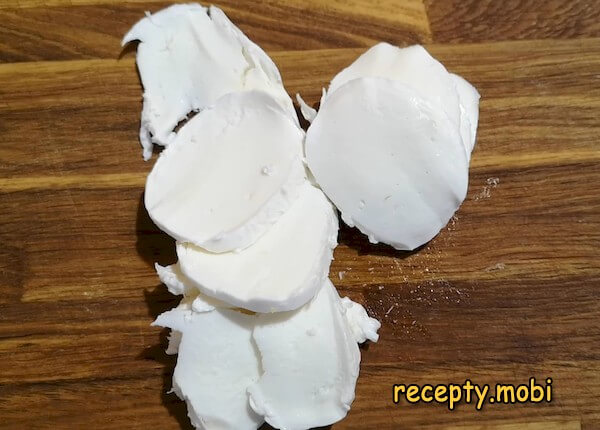
I cut the mozzarella into pieces so that it melts faster.
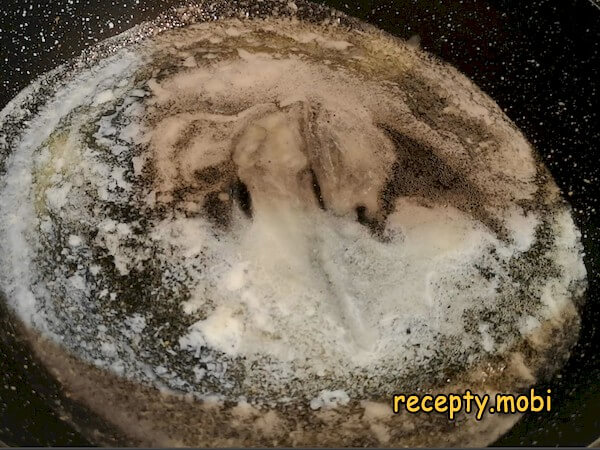
In a saucepan or deep frying pan, I melt the butter over medium heat.
I add all the flour to it at once.
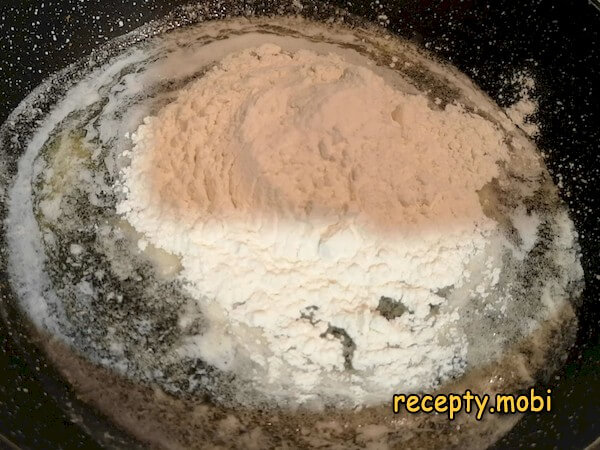
I stir it quickly so that no dry flour remains.
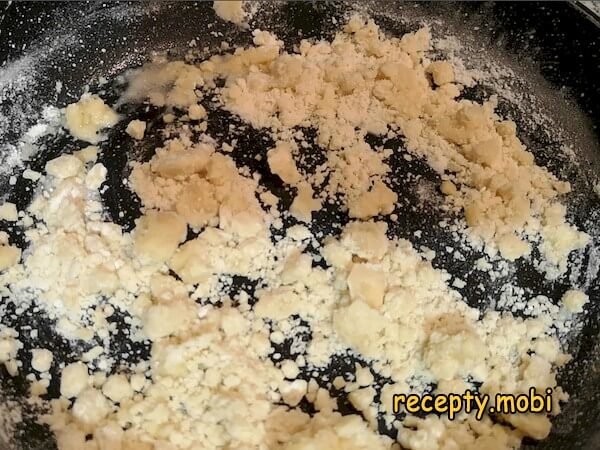
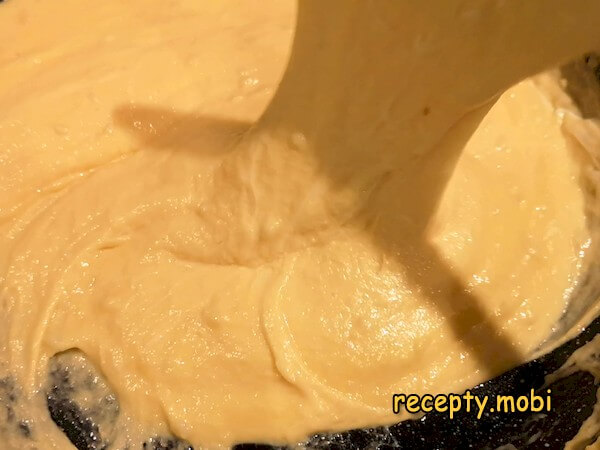
First I pour in a little milk – this makes it easier to work out the flour lumps. I quickly rub it all smooth with a whisk or a spatula.
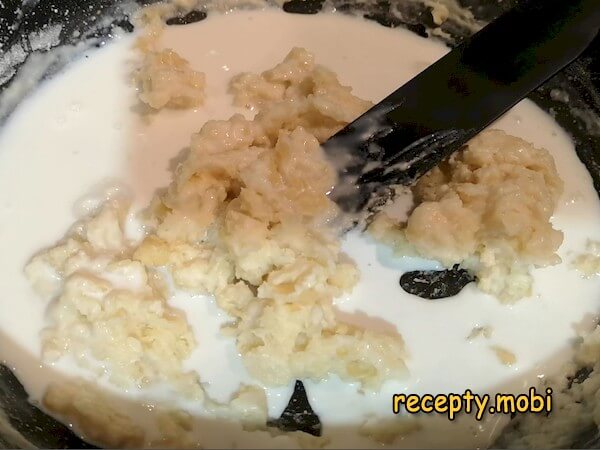
I add the rest of the milk in several stages, stirring it thoroughly each time.
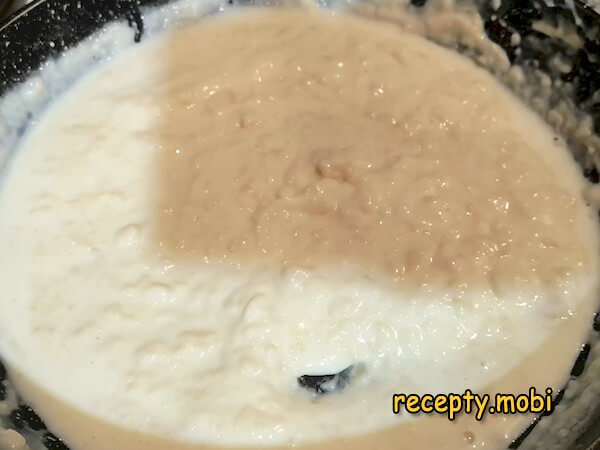
I boil the mixture until it begins to thicken.
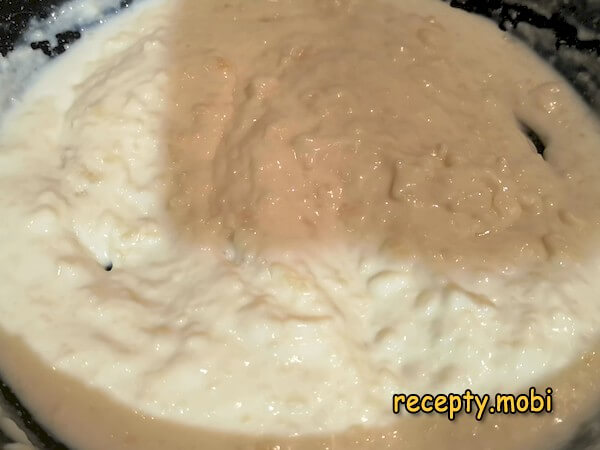
As soon as that happens, I add the grated cheese.
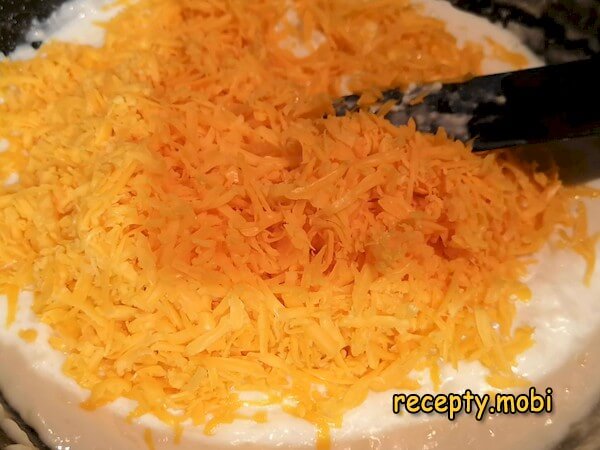
As I stir, the cheese melts in.
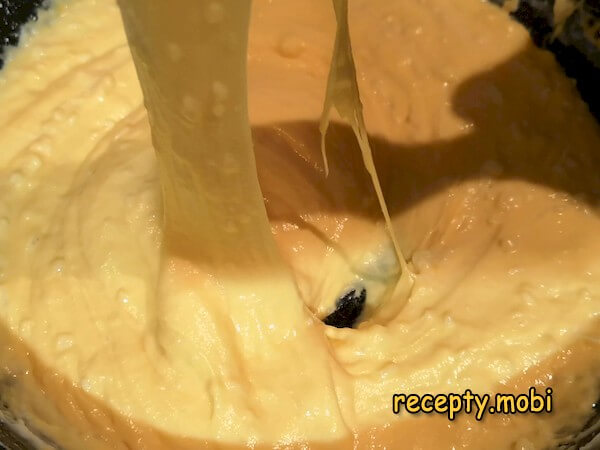
I add the mozzarella.
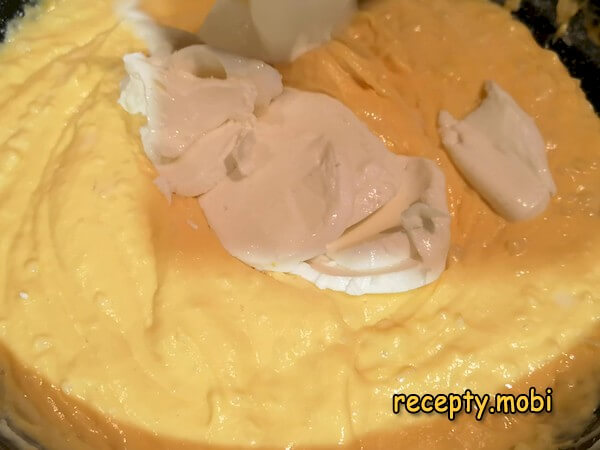
I keep the sauce on the heat, stirring continuously, until it becomes smooth and uniform. Then I turn off the heat.
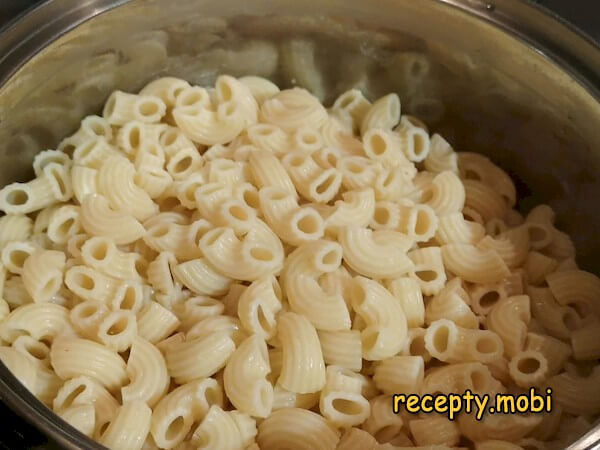
When the macaroni is ready, I drain it.
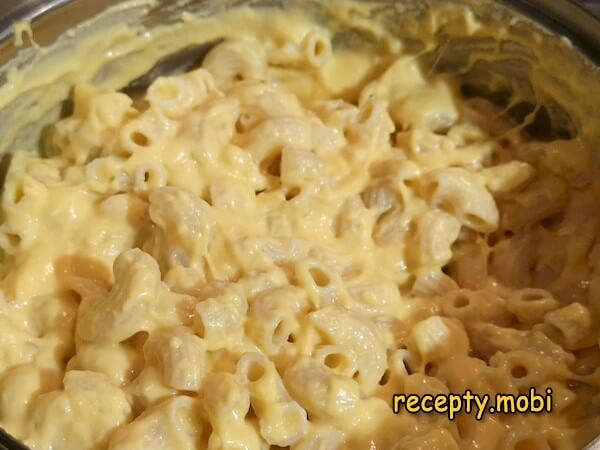
And I add the cheese sauce to it. I mix everything together. The mac and cheese (American-style macaroni with cheese) is ready.


Tips
- 1
TWO CHEESES – the secret of the sauce. Cheddar alone gives a thick sauce, but it doesn't stretch. Mozzarella alone tastes bland. Combining them gives true mac and cheese: the colour, the flavour and the stretch.
- 2
FLOUR INTO BUTTER – the secret of smoothness. Flour straight into the milk gives lumps. First fry the flour in butter (a roux), then gradually pour in the milk – and the sauce comes out silky.
- 3
CORKSCREWS – the secret of the shape. Long spaghetti doesn't hold the sauce. Corkscrews with a hole down the middle gather the sauce into every piece – maximum flavour in every spoonful.
- 4
CHEESE INTO A THICK SAUCE – the secret of melting. Add cheese to runny milk and it curdles into lumps. Add it only to a thickened béchamel and it melts into a silky mass. The same principle works for other kinds of pasta in a cheese sauce.
Video

FAQ
Which Cheddar should you choose? +
Ideally, a mature Cheddar such as "Pilgrims Choice" or "Cathedral City" (250 g – "premium, the original"). Alternatives: a young "President" Cheddar (250 g – "milder"), "Maasdam" (250 g – "a classic"), young "Gouda" (250 g – more delicate), hard "Russky" (250 g – "budget"), Dutch "Edam" (250 g – "a classic"), Swiss "Gruyère" (250 g – premium), "Parmigiano" (250 g – "premium, for accent"). English farmhouse Cheddar is the premium option. Do not use: processed cheese, cheese near its use-by date, or smoked cheeses. For the "classic" version you must use real Cheddar or a hard cheese with no additives.
What can you use instead of mozzarella? +
Alternatives: grated "Hochland" pizza cheese (130 g – "convenient"), "Feta" in pieces (130 g – "a Greek accent"), suluguni (130 g – "Caucasian"), "Chechil" cheese (130 g – "smoked"), brynza (130 g – "salty"), "Caciotta" (130 g – "premium, Italian"), "Druzhba" processed cheese (130 g – "budget, soft"), ricotta (130 g – "delicate"). Fresh buffalo mozzarella in balls is the premium option. Do not use: mozzarella with herbs and spices (it spoils the classic taste) or smoked mozzarella. For the "classic" version you must use plain mozzarella with no additives.
How long does mac and cheese keep? +
In the fridge, in a tightly sealed container, for 2–3 days. Any longer and the sauce separates and the macaroni turns rubbery. Before serving, reheat it in a frying pan with 2–3 tablespoons of milk (this restores the silkiness of the sauce) over low heat for 5 minutes. In the microwave, 2–3 minutes covered with milk added. I don't recommend the freezer – the cheese sauce separates after thawing. Fresh and hot from the pan it is the "star" version (maximum stretch). On the second day the flavour is deeper, but the texture is worse. Don't leave it at room temperature for longer than 3 hours. It is best made "for one or two sittings".
What do you serve mac and cheese with? +
The American classic: with bacon fried until crisp on top. With chicken nuggets. With a baked chicken breast. With a hot dog. With a New York-style cutlet. With BBQ ribs. With buffalo chicken wings. With steamed broccoli (for balance). With green peas. With fried Brussels sprouts. With a simple cucumber and tomato salad. With ketchup for the children. With garlic bread. With a cold lager. With a glass of cola. With spicy tomato juice. For a "homemade supper" it works with anything. A hearty mac and cheese for a cold day, a family celebration, and a session of American TV series.
- Comment
or post as a guest
Be the first to comment.