avg —
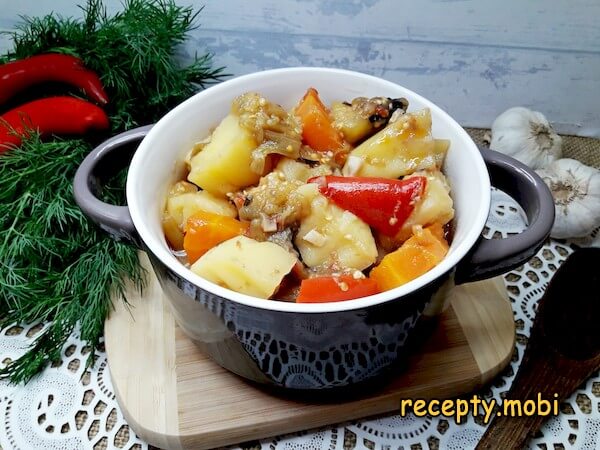
Stewed Potatoes with Eggplants

Instructions
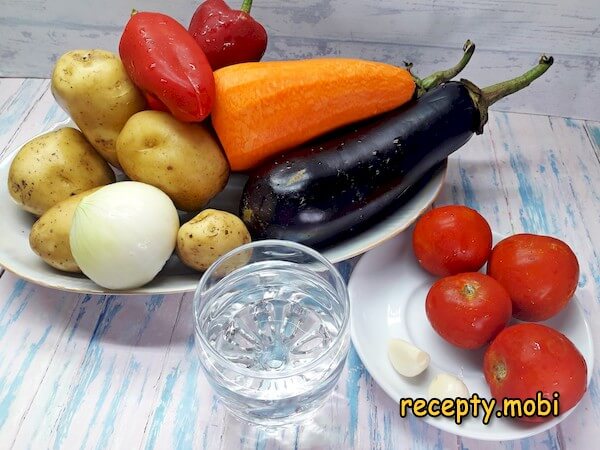
I prepare all the ingredients for the stewed potatoes with eggplants.
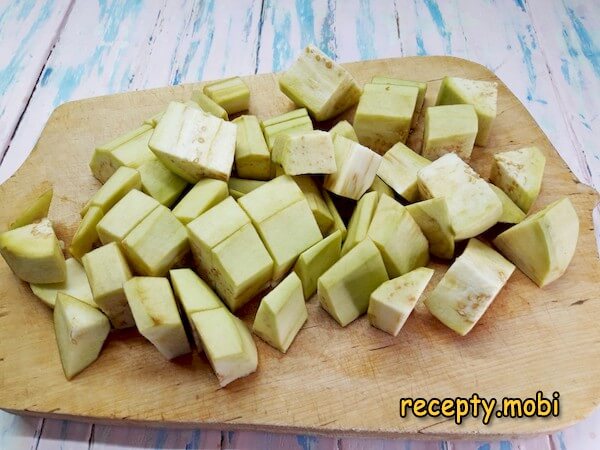
It's better to peel the eggplants, then cut them into large pieces.
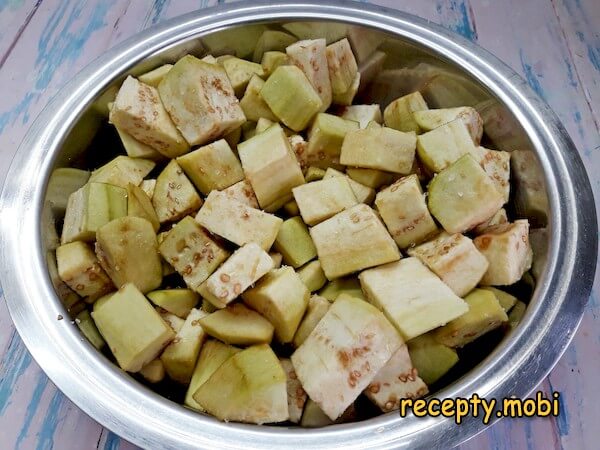
I salt the pieces generously and set them aside for now.
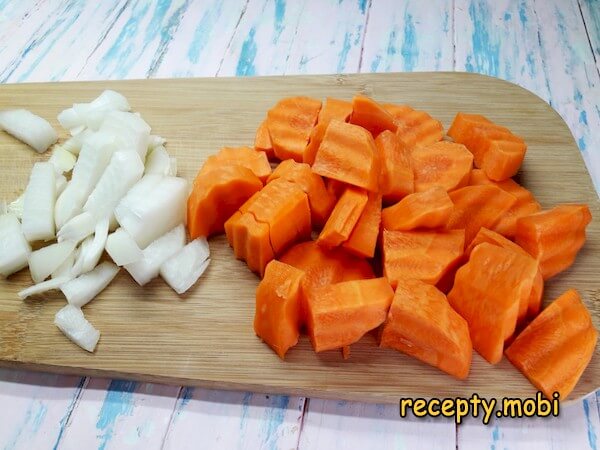
Meanwhile, I prepare the other vegetables for stewing. I chop the carrots and onion with a crinkle cutter or an ordinary knife.
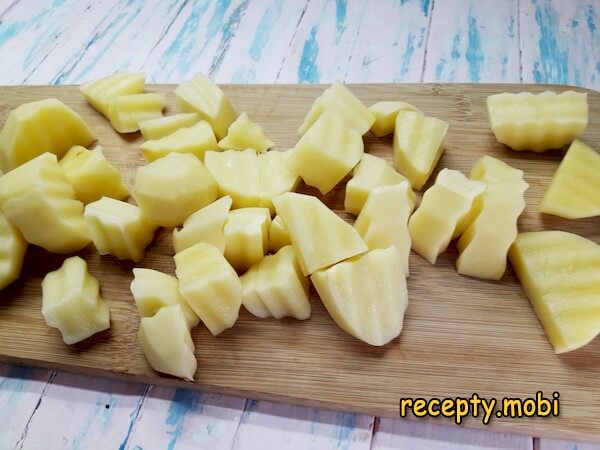
I cut the potatoes into similar-sized pieces.
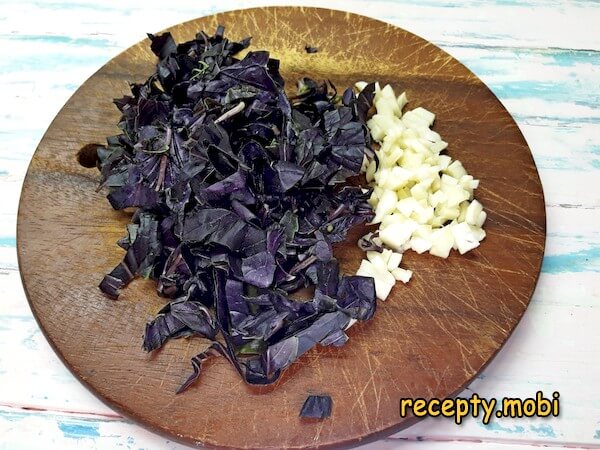
I chop the basil and garlic very finely.
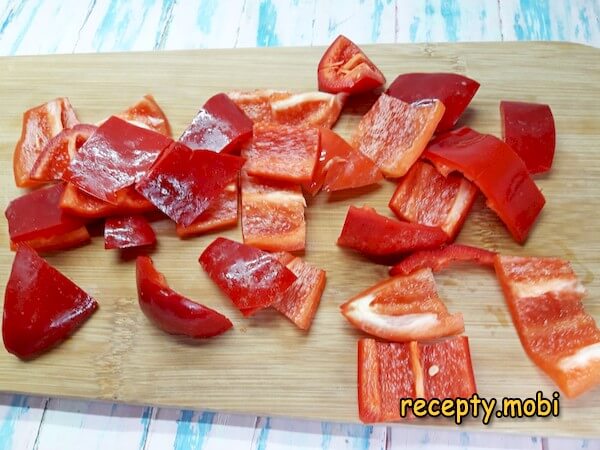
I remove the seed pod from the peppers. I rinse the flesh itself to wash away any leftover seeds and cut it into large pieces.
I make a perpendicular cut at the top of the tomatoes. I put the tomatoes into very hot water for a couple of minutes.

Now the thin skin practically peels off by itself.

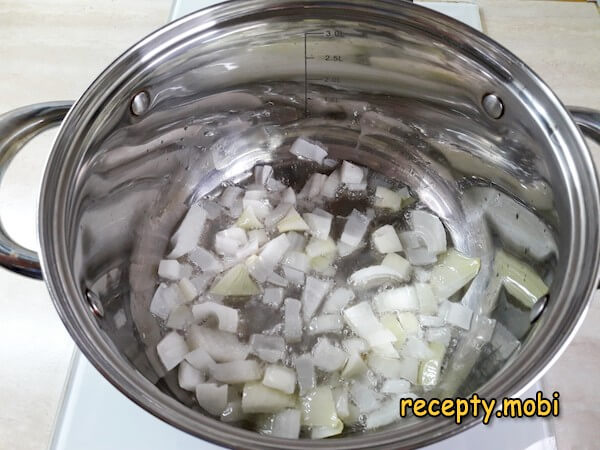
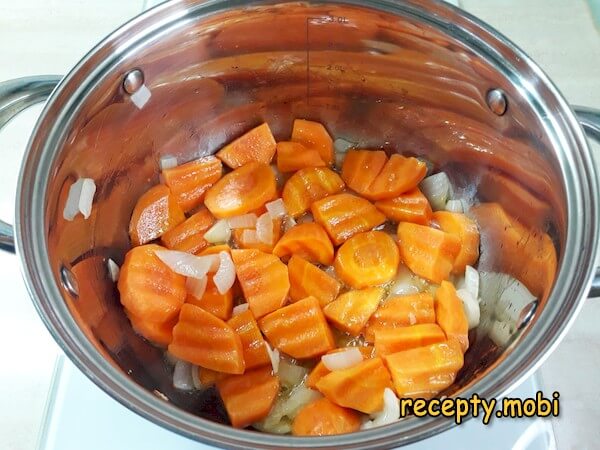
In a deep stewing pot, I sweat the onion in the vegetable oil (only until soft).
I add the carrots. Let them fry for 7 minutes.
Into the same pot I add the eggplants, having first squeezed out their bitter liquid by hand (no need to rinse them).
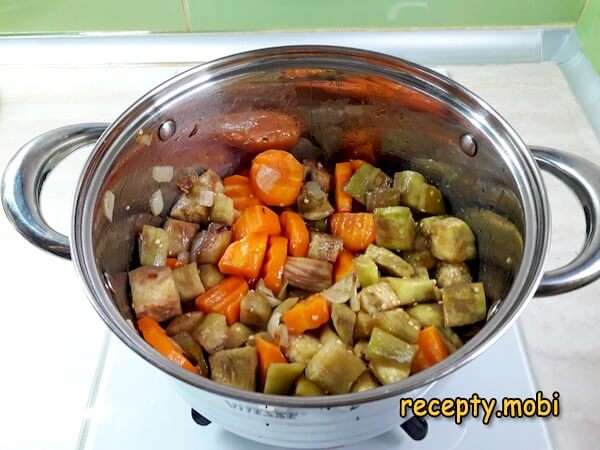
Almost immediately I add the sweet pepper. I pour in more oil as needed.
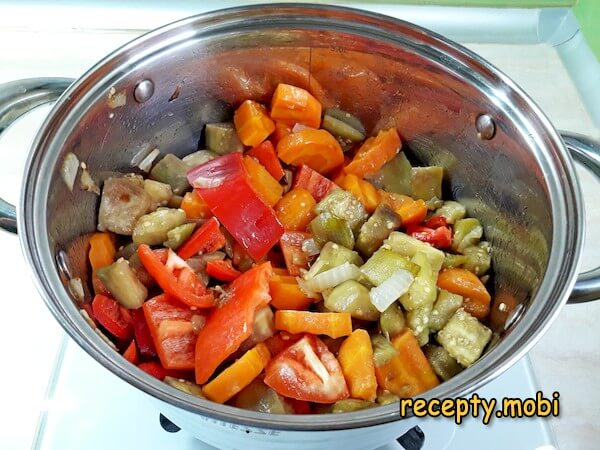
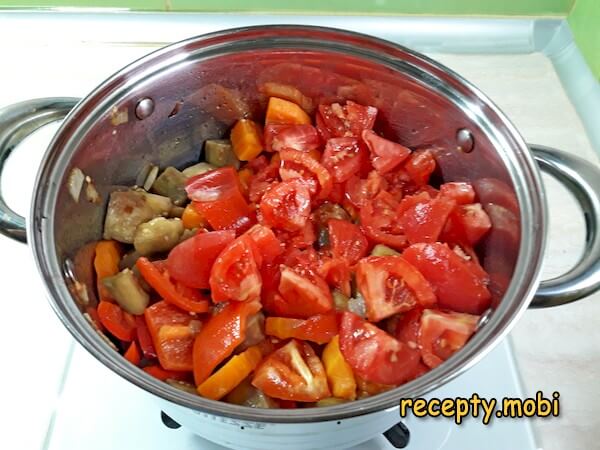
While the mixture fries for 10 minutes, I stir it a couple of times and add the tomato pieces.
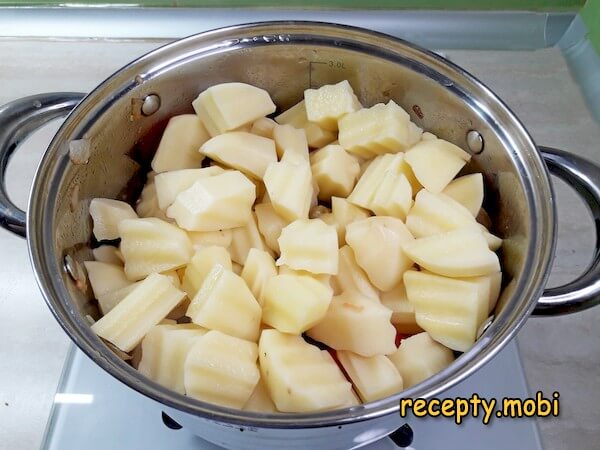
Now it's the potato's turn. It goes into the pot last of all the vegetables.
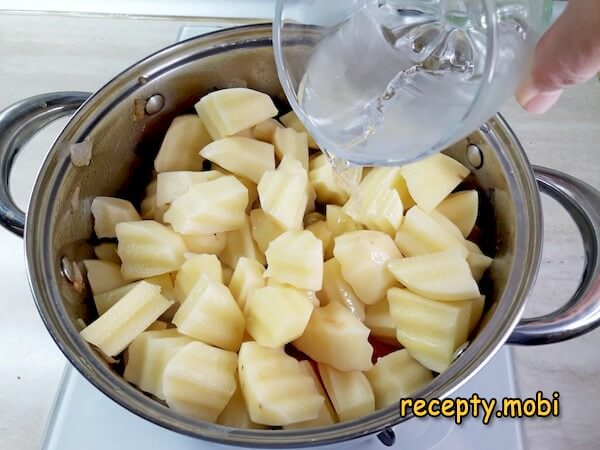
I pour in the water right away – it should stop about 2 cm short of the top of the vegetable mixture.
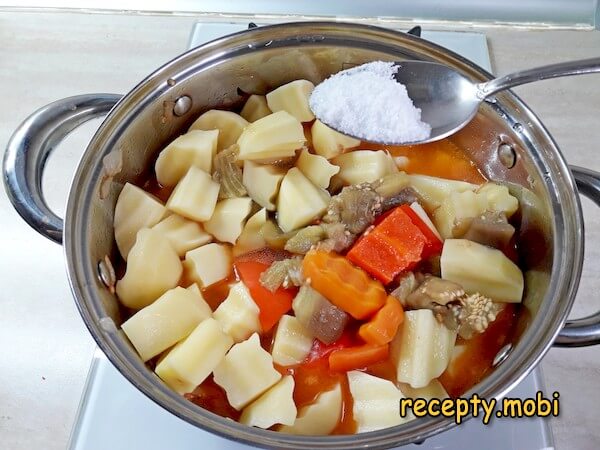
I add salt, adjusting the amount to my taste (roughly 0.75 tbsp).
I simmer the stew under a lid for 45 minutes. Then I season it with the basil and garlic and keep the pot on the heat for another 5 minutes.
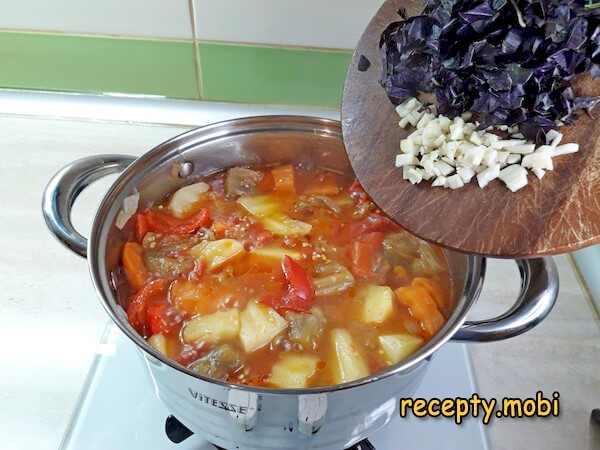
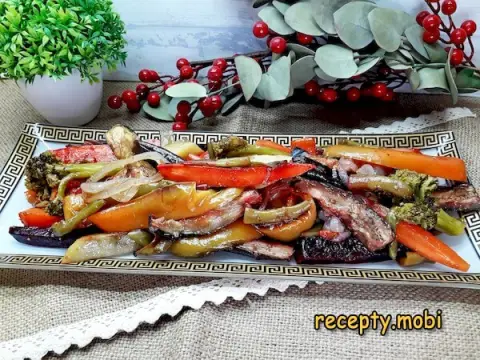
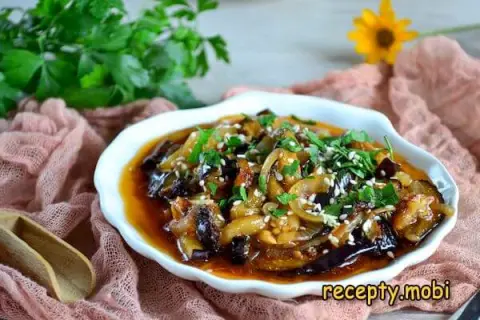
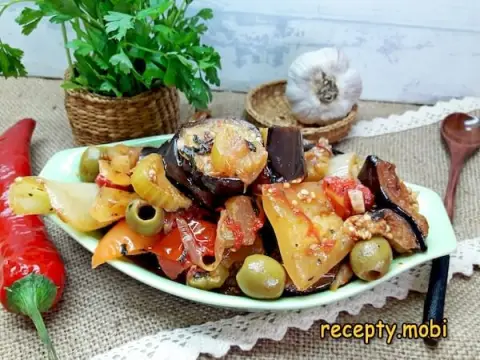
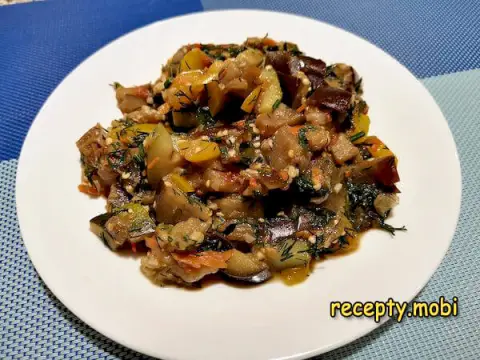
And there it is – a filling, though purely vegetable, dish of stewed potatoes with eggplants, ready. I serve it both with meat and on its own. A little fresh greenery only improves the taste, so give it a try!


Tips
- 1
SALT THE EGGPLANTS – the secret against bitterness. Salt draws out the bitter juice. Don't rinse them afterwards – just squeeze them out by hand.
- 2
POTATO LAST – the secret to shape. If you add it earlier, it falls apart. After all the other vegetables, it stays whole.
- 3
WATER 2 CM BELOW – the secret to consistency. Too much and you get vegetable soup. Exactly 2 cm below and you get a thick stew.
- 4
GARLIC AND BASIL AT THE END – the secret to aroma. Long cooking kills their freshness. Five minutes and the aroma is preserved. The same principle works in other kinds of vegetable stew with potatoes.
FAQ
Which eggplants should I choose? +
Ideally, dark-purple ones with dense flesh (Almaz, Black Beauty, Epic F1). Alternatives: white eggplants (more tender, no bitterness) and striped ones (Melovidny, Graffiti). Fresh ones are firm and heavy, with a green stalk. A size of 18–22 cm is best. Not suitable: overgrown eggplants with large seeds (bitter), or soft ones or those with spots. For a premium choice, go for farm-grown, field eggplants. If an eggplant is bitter, salt it before frying. As in this recipe, it's better to peel them – they're more tender when stewed. Frozen eggplants will work after they have fully thawed.
What can replace the potatoes? +
Alternatives: sweet potato (900 g – a little sweet), cauliflower florets (700 g – a "diet" option), courgettes (700 g – a summery option), pumpkin (700 g – an "autumn" accent) or turnip (700 g – a "Russian" option). Fresh new potatoes are a premium choice. Not suitable: watery varieties (they cook down to mush) and very young May potatoes (bland). The Adretta, Nevsky and Udacha varieties are all-purpose. For a premium version, use farm-grown potatoes. For a "lean" meal, leave it as it is, without meat.
How long does the stew keep? +
In the fridge, in a tightly closed container, 3–4 days. Any longer and the potato goes stale and the vegetables lose their juiciness. Before serving, reheat it in a frying pan or in the microwave for 3–5 minutes. In the freezer, in individual portions, up to 1 month. Thaw it in the fridge for 8–10 hours. Fresh stew is at its best 15–30 minutes after cooking (once it has "settled"). On the second day the flavour is deeper and brighter. Don't leave it at room temperature for more than 4 hours – the vegetables will turn sour. It's ideal to make it a day before serving – the stew's flavour really opens up.
What goes with the stew? +
A dish on its own or with a side: with fried or stewed meat; with baked or grilled chicken; with steamed or fried fish; with frankfurters or small sausages for an "economy" meal; with a shot of cold vodka for a "Russian" serving; with light beer for a "bar" serving; with sour cream on the side for a "Russian" option; with garlic sauce or horseradish; with a salad of fresh vegetables; for a "lean meal", with a large vegetable salad; with a bowl of tomato soup for a "summer" lunch; with a slice of fresh bread for a simple serving. A versatile hot dish for everyday lunches and dinners.
- Comment
or post as a guest
Be the first to comment.