avg —
Quick Korean Zucchini

Instructions
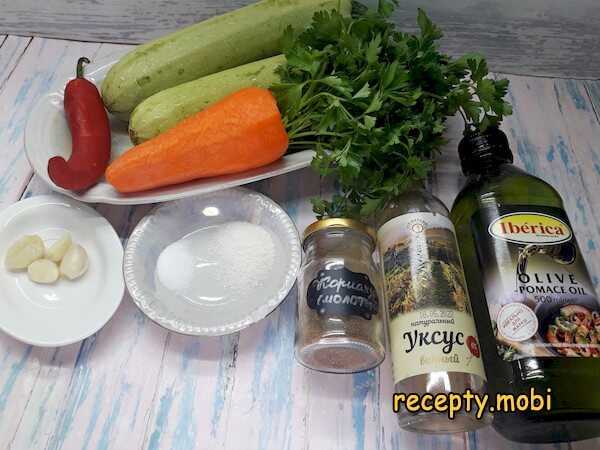
I prepare the ingredients. The skin of young zucchini is tender and can be left on. Overripe ones are not suitable at all, but for zucchini of medium ripeness the skin should be removed, along with the tough seeds. To avoid the long task of cutting the vegetables into very thin strips, it is best to buy a Korean-carrot grater in advance – with it, the carrot and zucchini are shredded into long strips in a matter of minutes. The coriander can be replaced with any Korean-carrot seasoning.
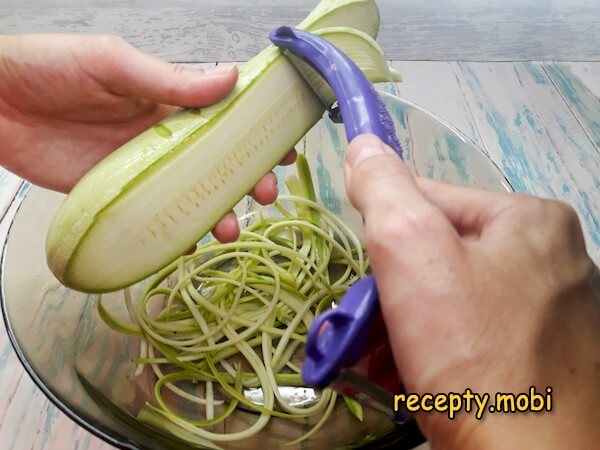
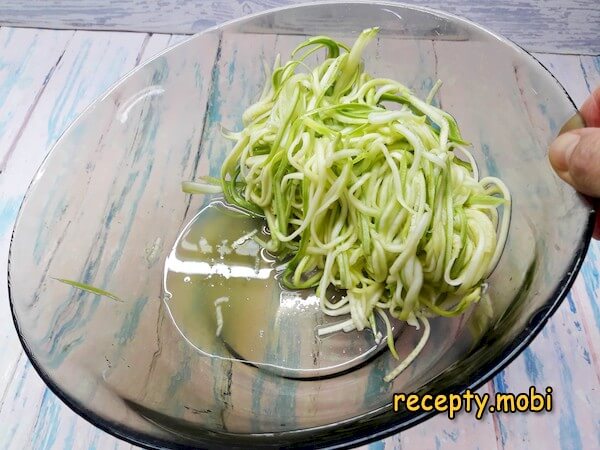
I cut the stem off the milk zucchini. With the special grater I shred them along their whole length into thin pieces (about 2 mm thick). As soon as the blade reaches the loose core, I turn the zucchini over to the other side, and at the end I discard the remaining core.
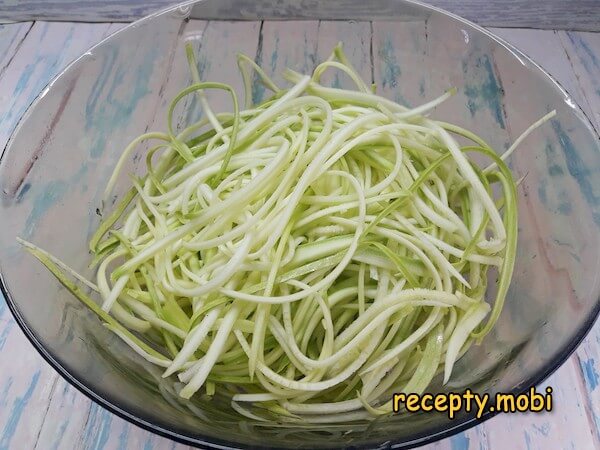
With my hands I loosen the strips that have stuck together so they come apart from one another. In a deep bowl I sprinkle a pinch of salt over the grated zucchini and leave it on the table.
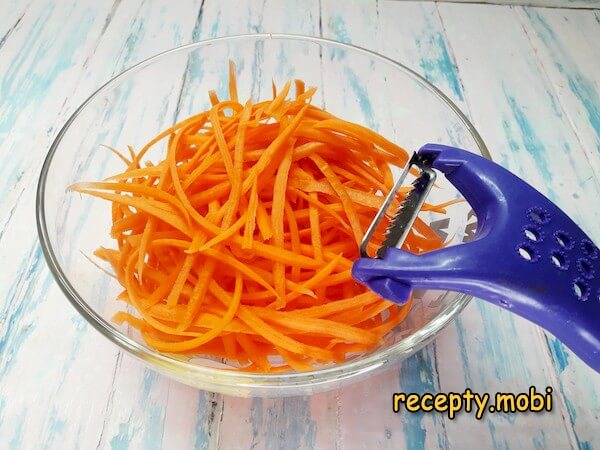
I grate the carrot into thin strips as well.
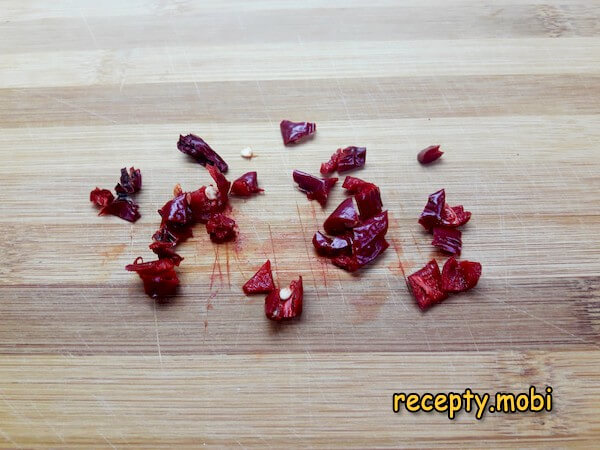
I cut the hot pepper into small pieces.
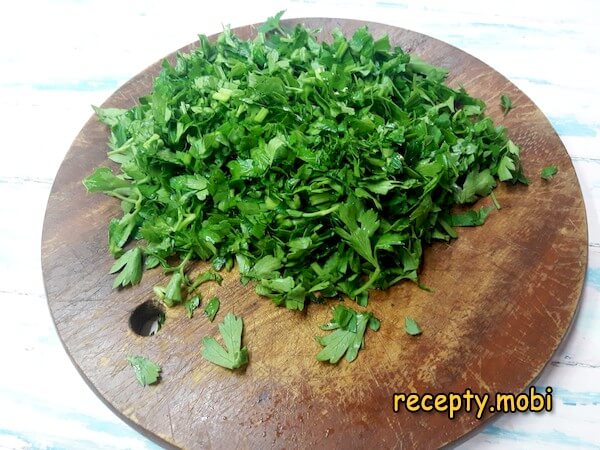
I finely chop the parsley.
After about 10 minutes the zucchini releases its juice – it needs to be drained, gently pressing the zucchini strips against the walls of the bowl, but without pressing too hard so as not to break them.
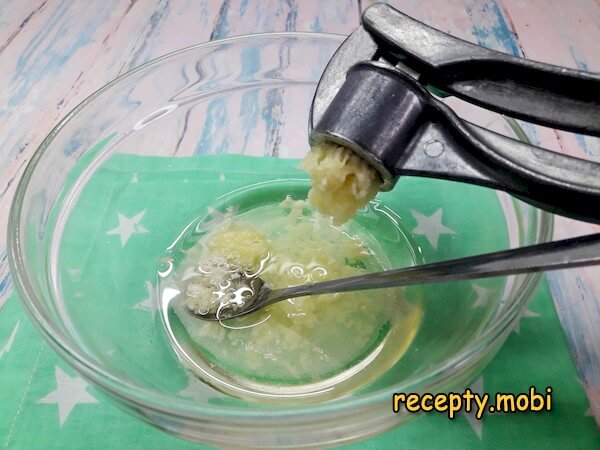
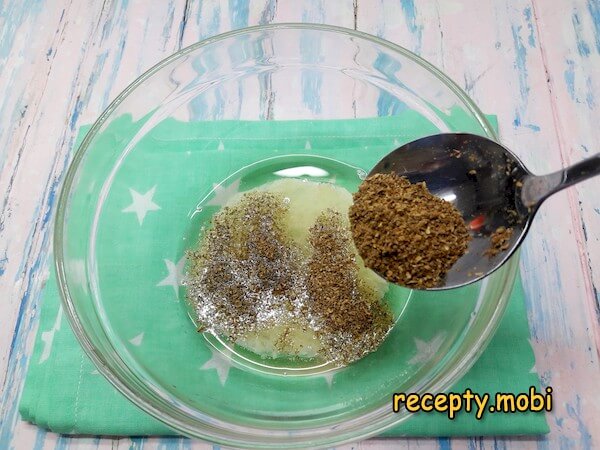
For the marinade dressing I combine the oil, vinegar, salt and sugar. I squeeze the garlic into it.
I add the coriander and stir.
To the zucchini I add the carrot and parsley.
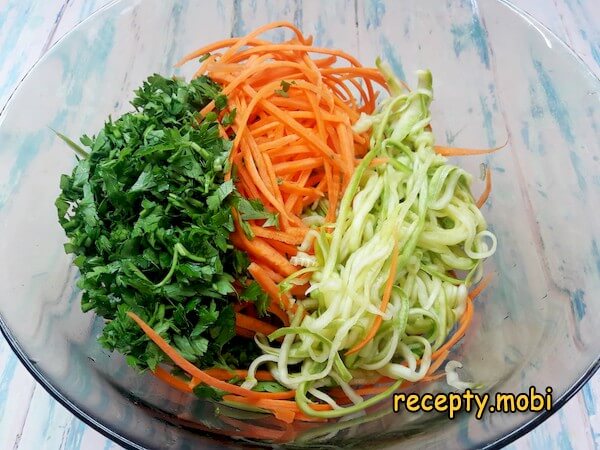
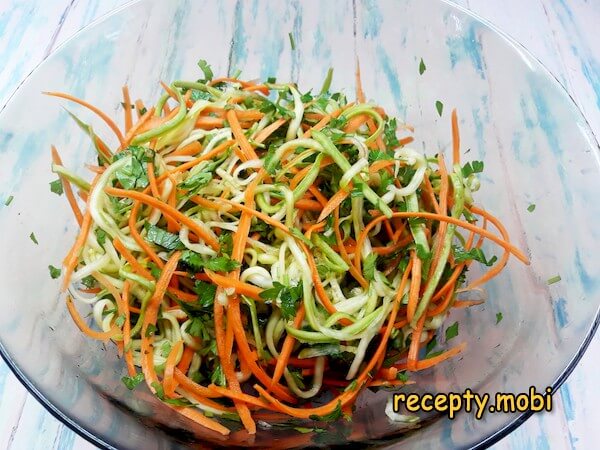
Now the salad needs to be tossed. To distribute all the vegetables evenly and keep them from clumping together, it is best to do this by hand.
I dress everything with the marinade.
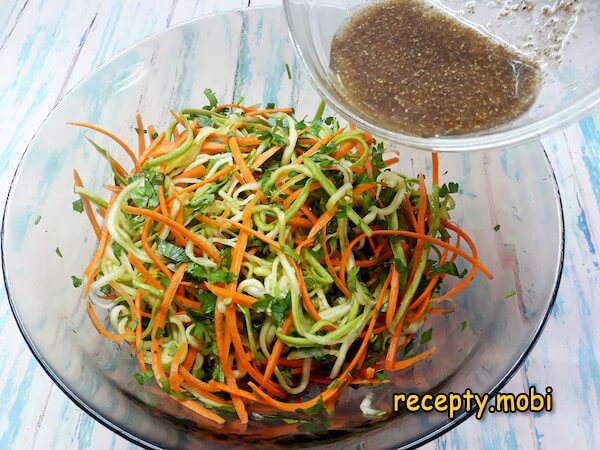
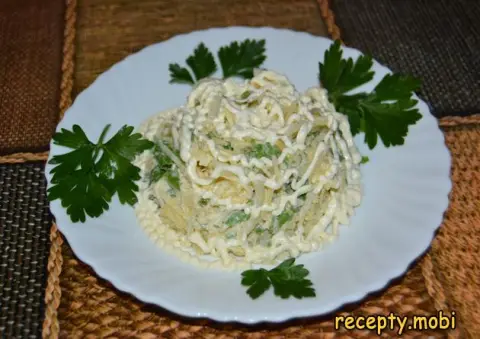
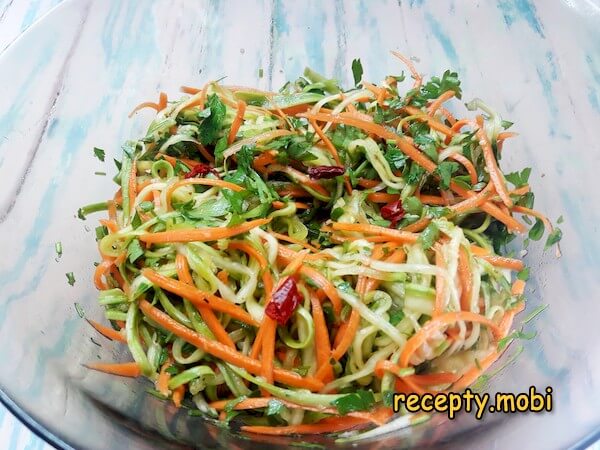
I add the hot pepper. I mix once more. The quick Korean-style zucchini is ready.


Tips
- 1
THE KOREAN-CARROT GRATER is the secret to the slicing. Without it, cutting thin strips of 2–3 mm is laborious. With the grater, it is done in moments.
- 2
SALT WITH A PINCH is the secret against wateriness. After 10 minutes the zucchini gives off its juice – drain it. Otherwise the salad will "run".
- 3
TOSS BY HAND is the secret to evenness. With a spoon the strips clump together. By hand, they are distributed evenly.
- 4
STRAIGHT TO THE TABLE is the secret to crunch. After 2 hours in the refrigerator the zucchini softens. The "star" version is freshly made. The same principle works in other kinds of Korean-style salads.
FAQ
Which zucchini should I choose? +
Ideal are young milk zucchini or courgettes (Aeronaut, Gribovsky, Yakor) – tender flesh, few seeds. Alternatives: yellow courgettes (Zolotinka – bright colour), white-fruited zucchini. Fresh ones are firm, glossy, with no dents or spots. A size of 18–22 cm is optimal. Not suitable: overgrown ones with tough skin and large seeds – not suitable at all. For a premium choice – farm-grown field zucchini. Do not peel young ones – the skin helps them hold their shape. Frozen are not suitable – you need whole fruit for slicing.
What can replace coriander? +
Alternatives: ready-made Korean-carrot seasoning (1 tbsp), a 50/50 mix of coriander and ground black pepper (1 tbsp), khmeli-suneli (1 tbsp – a Georgian note), curry (1 tbsp – an "Indian" touch), ground cumin (1 tsp + 1 tsp of coriander – more authentic). Freshly ground coriander is the premium option. Do not use: salty mixes, sweet seasonings. For "classic Korea" – coriander and garlic are a must. For a "spicy" version – with added cayenne.
How long does the salad keep? +
In the refrigerator in a tightly closed container – 1–2 days. Any longer and the zucchini will run and lose its crunch. Before serving, take it out 10 minutes ahead (cold "mutes" the flavours). Do not leave it at room temperature for longer than 4 hours – the vinegar and oil will oxidise. A fresh salad is "star quality" right after it is made (crisp). After 2 hours in the refrigerator it is softer, but the flavour is deeper. On the second day it is "softened" but still tasty. It is ideal to make it "for one occasion". For a "lunch to go" it is handy in a small jar.
What to serve the zucchini with? +
A standalone appetiser – with a hot meat dish. With fried or boiled potatoes. With steak, shashlik, lamb ribs – a "manly" serving. With grilled or fried fish. With a rice side – the "Korean" serving. With Uzbek pilaf. With boiled chicken or turkey. With light beer – a "bar" serving. With a shot of cold vodka – the "Russian" one. With fried fish. For a "Korean table" – together with other Korean salads. With a cup of green tea – a "diet" lunch. For a "family dinner" – with mashed potatoes and cutlets. A versatile Korean appetiser for everyday meals.
- Comment
or post as a guest
Be the first to comment.